










NASA’s Roman Space Telescope: Falcon Heavy Upper Stage Takes Over
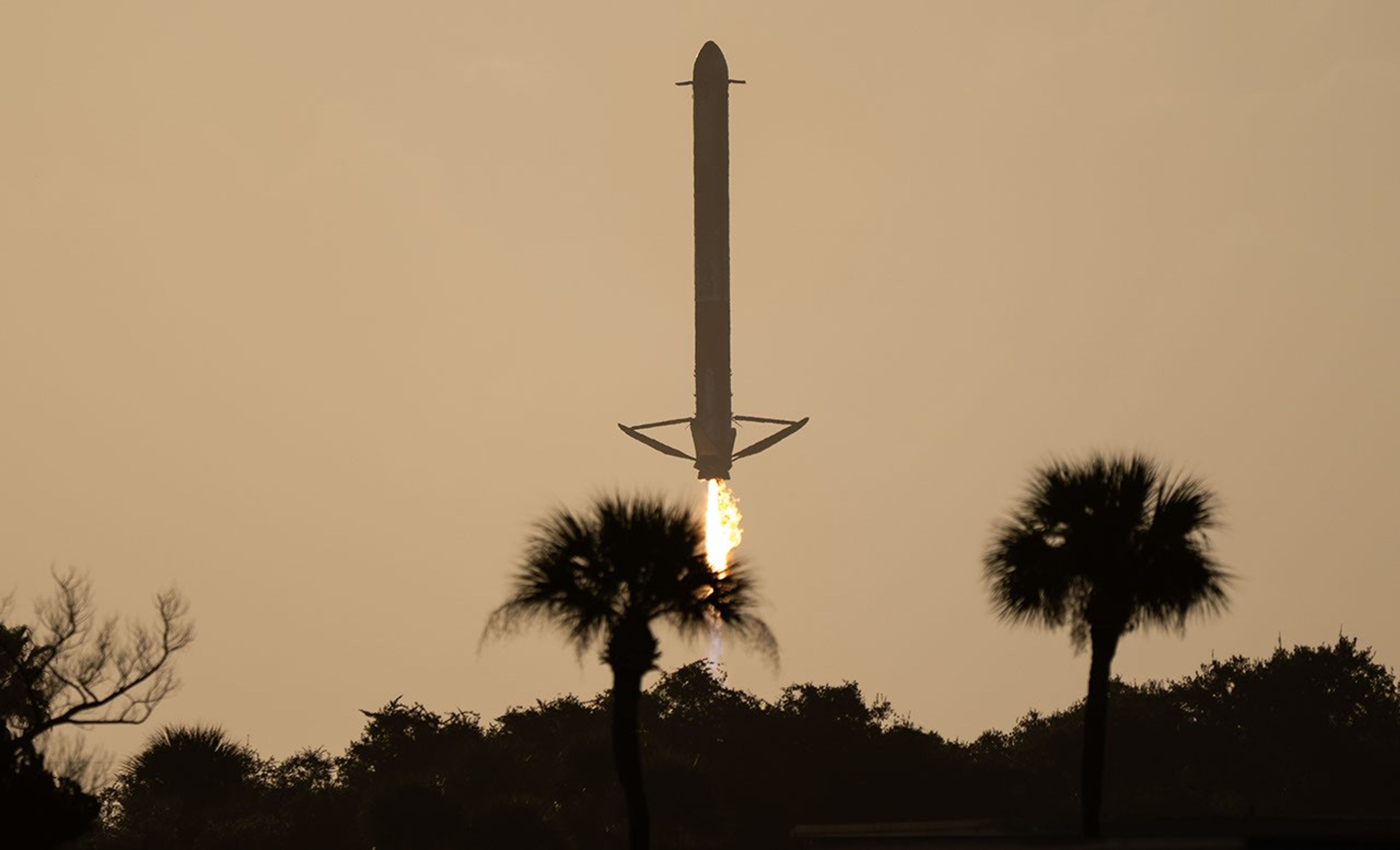
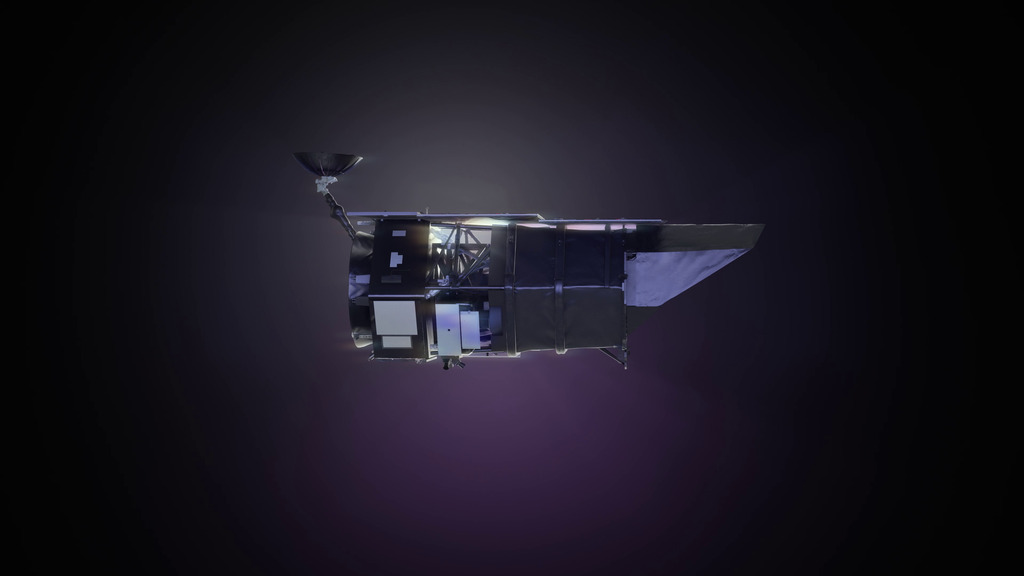
The SpaceX Falcon Heavy carrying NASA’s Nancy Grace Roman Space Telescope has completed a rapid series of ascent milestones.
The center core reached main engine cutoff, or MECO, and seconds later the first and second stages separated. The second stage’s Merlin Vacuum engine ignited for the first second-stage engine start, or SES-1, about four minutes after launch.
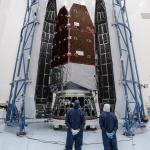
Shortly after that, the Falcon Heavy’s fairing separated into two halves and returned to Earth. The fairing protected Roman during the dense lower-atmosphere portion of flight and was no longer needed after the rocket reached thinner air.
Mission controllers plan to acquire a signal from the observatory through NASA’s Tracking and Data Relay Satellite system.
Falcon Heavy’s two side boosters completed their returns toward Florida, landing at Landing Zone 2 and Landing Zone 40. One side booster completed its first flight. The other completed its third flight after previously supporting the GOES-U and Viasat-3 F3 missions.
Roman remains attached to Falcon Heavy’s second stage, and the engine continues to burn.
