



























OCO-2 Stories

NASA and Caltech have signed non-reimbursable Space Act Agreements for two Earth science missions on Aug. 14: Orbiting Carbon Observatory-2 (OCO-2) and Orbiting Carbon Observatory-3 (OCO-3). The partnership will last up to five years with NASA maintaining ownership of both…
From their vantage point high above the Earth’s surface, NASA’s Earth-observing satellite missions are uniquely positioned to obtain comprehensive global observations of our home planet.

An unusual boost in plant productivity can foreshadow severe soil water loss. NASA satellites are following the clues. Flaring up rapidly and with little warning, the drought that gripped much of the United States in the summer of 2012 was…
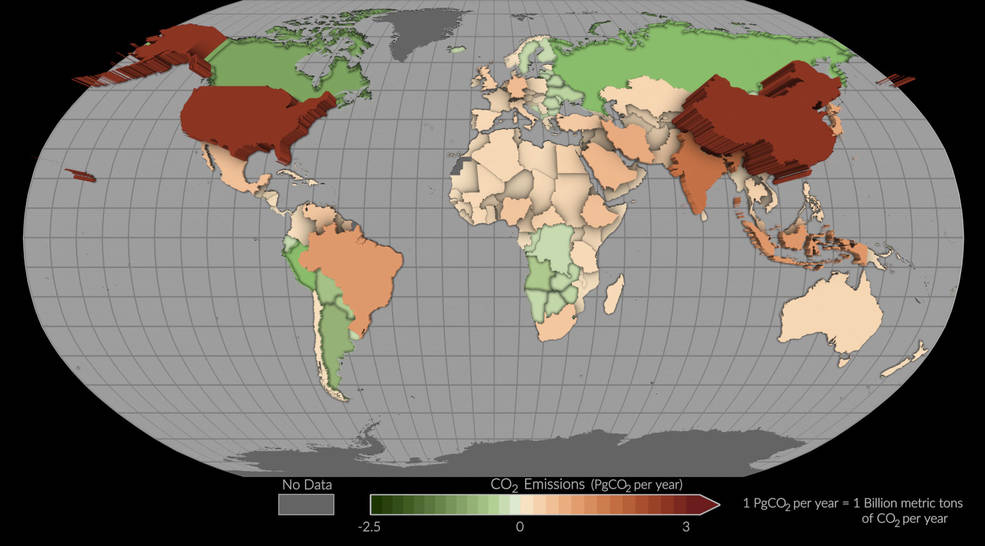
A pilot project has estimated emissions and removals of carbon dioxide in individual nations using satellite measurements.

A case study involving Europe’s largest coal-fired power plant shows space-based observations can be used to track carbon dioxide emissions – and reductions – at the source. A duo of Earth-observing missions has enabled researchers to detect and track carbon…

For the first time, researchers have spotted short-term, regional fluctuations in atmospheric carbon dioxide (CO2) across the globe due to emissions from human activities. Using a combination of NASA satellites and atmospheric modeling, the scientists performed a first-of-its-kind detection of…

A new study tracing the sources of carbon dioxide, the most significant human-generated greenhouse gas, reveals the unexpectedly large influence of vegetation in urban environments. Burning fossil fuels in densely populated regions greatly increases the level of the greenhouse gas,…
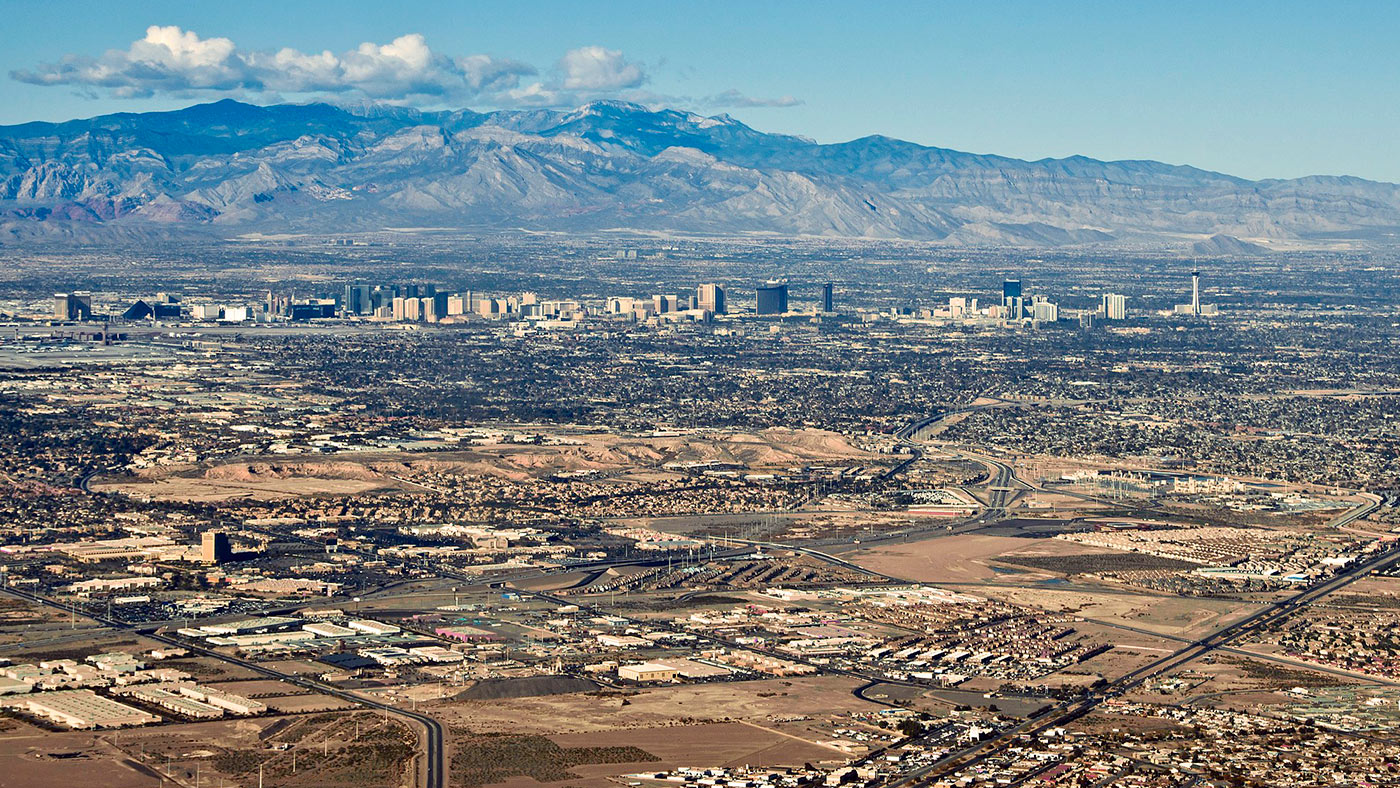
A new NASA/university study of carbon dioxide emissions for 20 major cities around the world provides the first direct, satellite-based evidence that as a city’s population density increases, the carbon dioxide it emits per person declines, with some notable exceptions.…

A new NASA study provides space-based evidence that Earth’s tropical regions were the cause of the largest annual increases in atmospheric carbon dioxide concentration seen in at least 2,000 years. Scientists suspected the 2015-16 El Nino — one of the…