
















APOD
Astronomy Picture of the Day
Discover the cosmos! Each day a different image or photograph of our fascinating universe is featured, along with a brief explanation written by a professional astronomer.
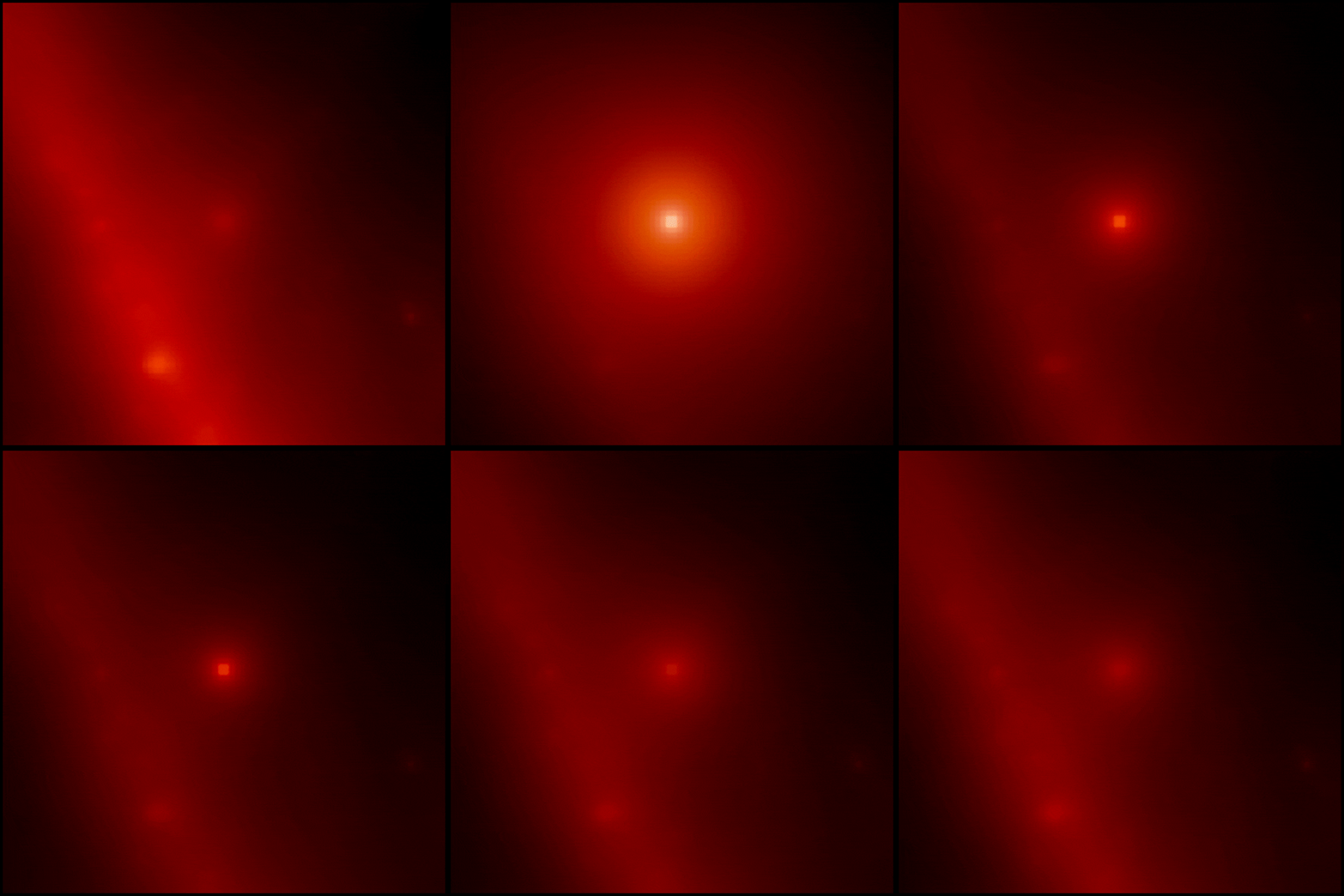
GRB 221009A
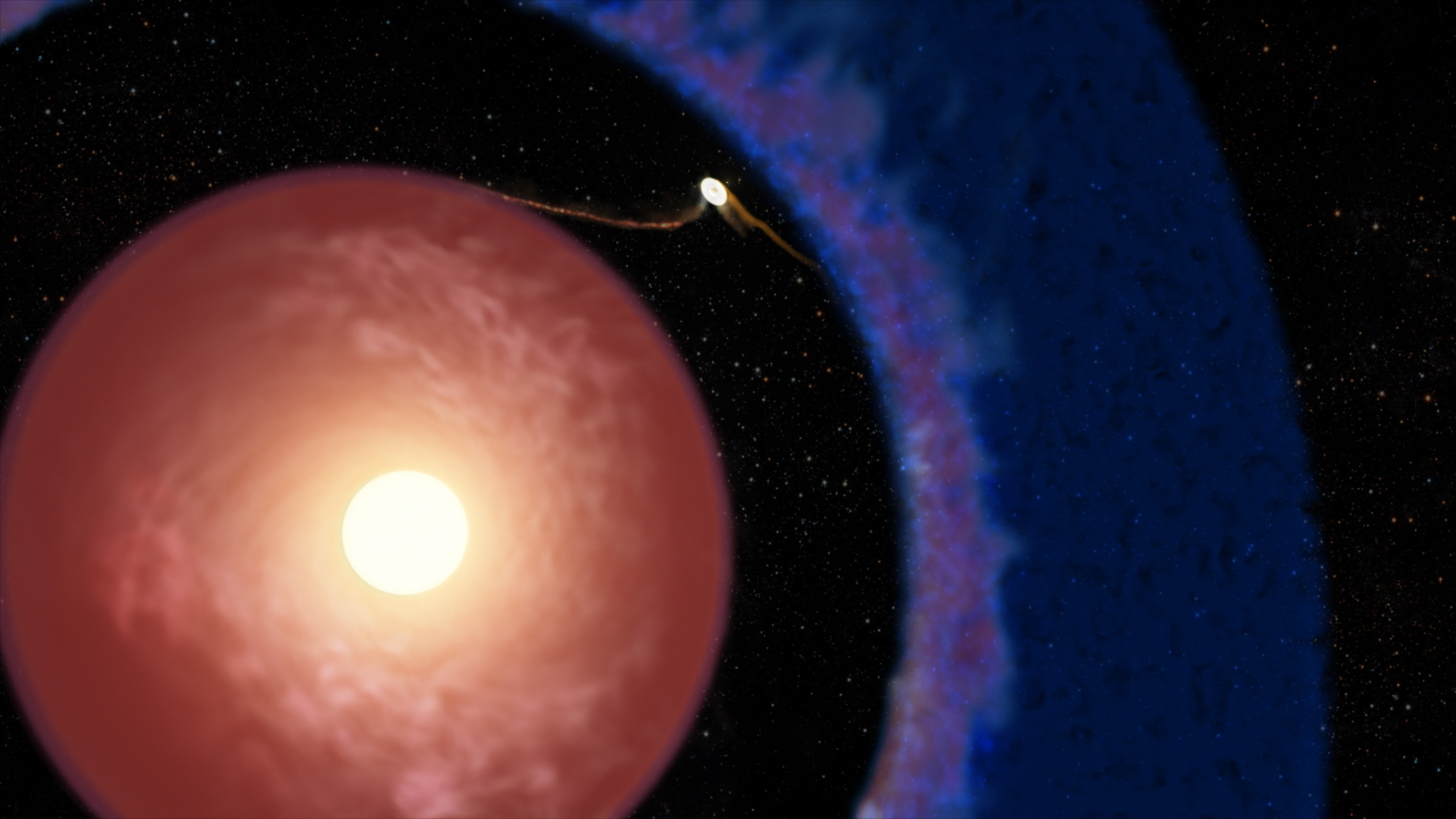
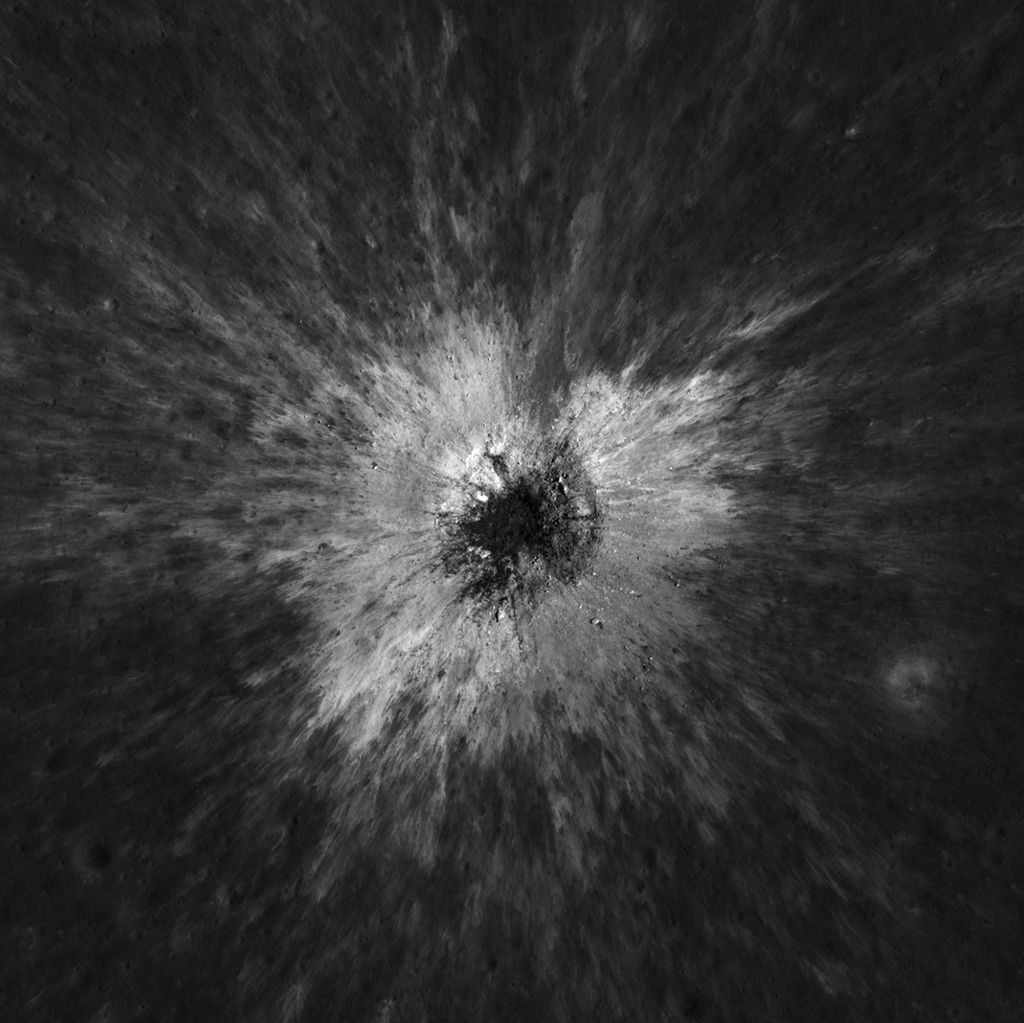
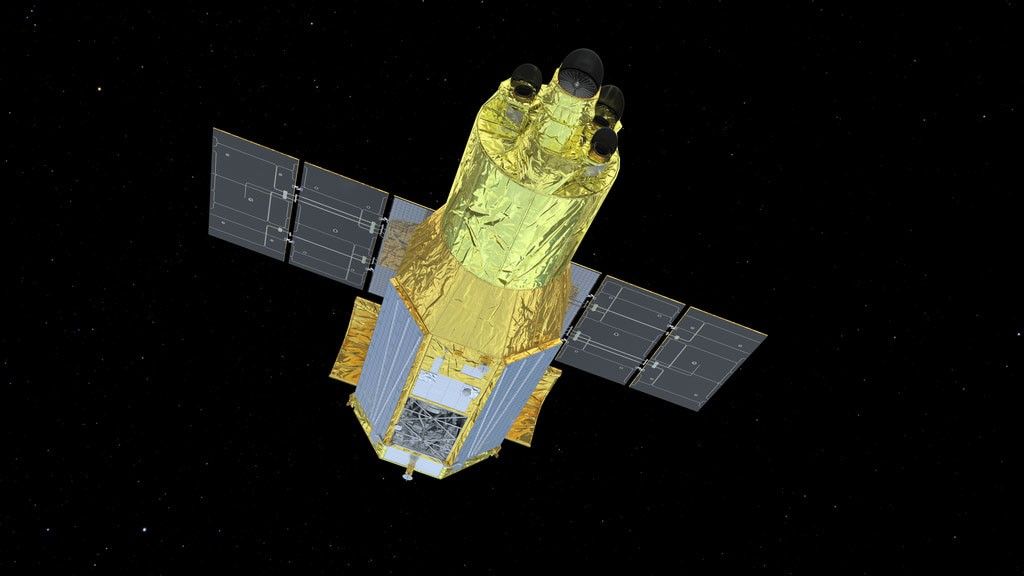
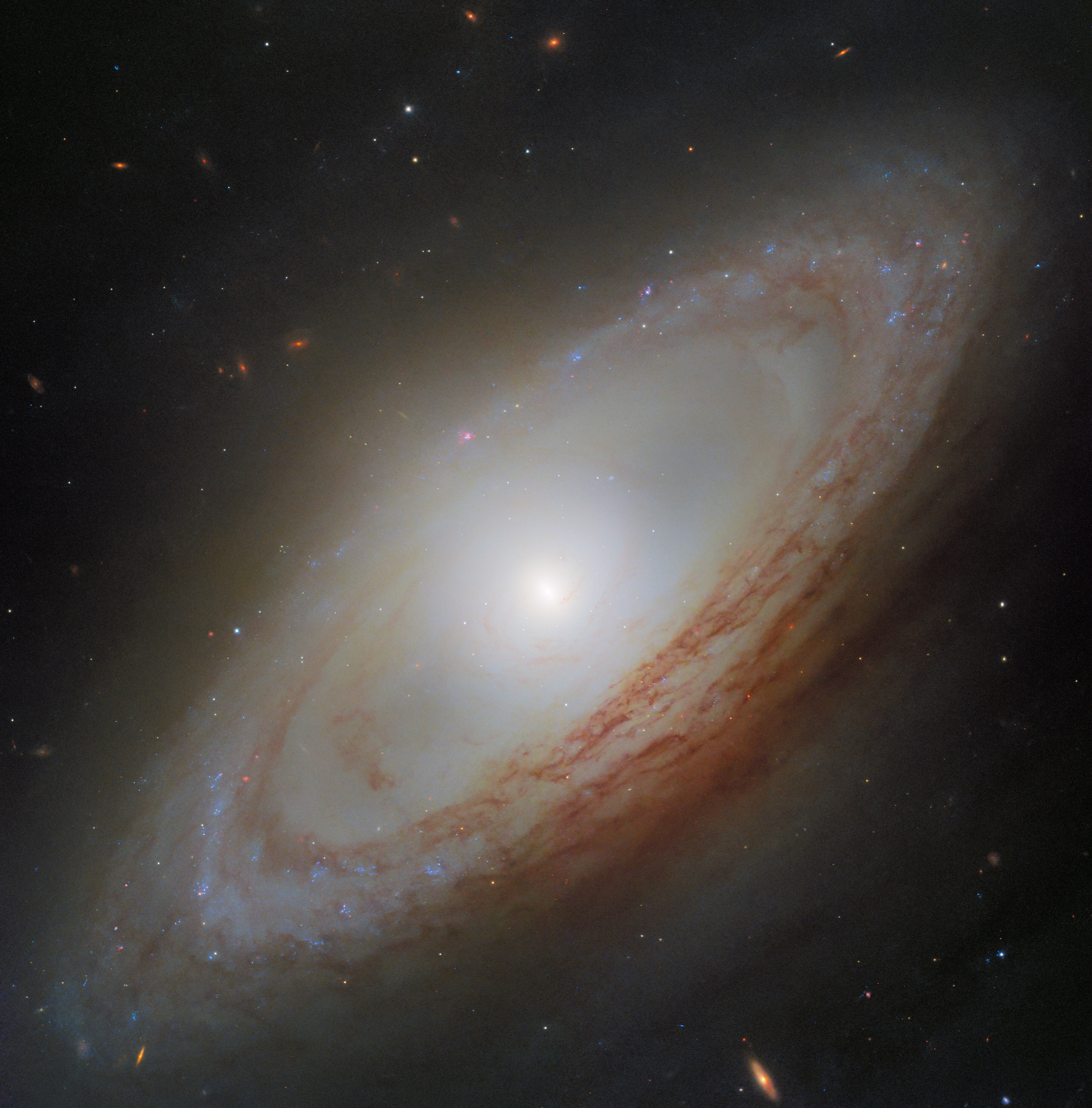
Explanation: Gamma-ray burst GRB 221009A likely signals the birth of a new black hole, formed at the core of a collapsing star long ago in the distant universe. The extremely powerful blast is depicted in this animated gif constructed using data from the Fermi Gamma Ray Space Telescope . Fermi captured the data at gamma-ray energies, detecting photons with over 100 million electron volts. In comparison visible light photons have energies of about 2 electron volts. A steady, high energy gamma-ray glow from the plane of our Milky Way galaxy runs diagonally through the 20 degree wide frame at the left, while the transient gamma-ray flash from GRB 221009A appears at center and then fades. One of the brightest gamma-ray bursts ever detected GRB 221009A is also close as far as gamma-ray bursts go, but still lies about 2 billion light-years away. In low Earth orbit Fermi’s Large Area Telescope recorded gamma-ray photons from the burst for more than 10 hours as high-energy radiation from GRB 221009A swept over planet Earth last Sunday, October 9.
| Date | October 15, 2022 |
|---|---|
| Credit | Image Credit: NASA , DOE , Fermi LAT Collaboration |
| Authors & editors: | Robert Nemiroff (MTU) & Jerry Bonnell (UMCP) |
| A service of: |
ASD at NASA / GSFC, NASA Science Activation & Michigan Tech. U. |