


























About SARP
The Student Airborne Research Program (SARP) is an eight-week summer research internship that exposes rising-senior undergraduate students to the realities of a scientific field campaign and a graduate-level research environment. Through an immersive experience in NASA Airborne Science and Earth Science System Research, participants engage in the full lifecycle of a scientific mission, from collecting and analyzing data to communicating their findings.
-
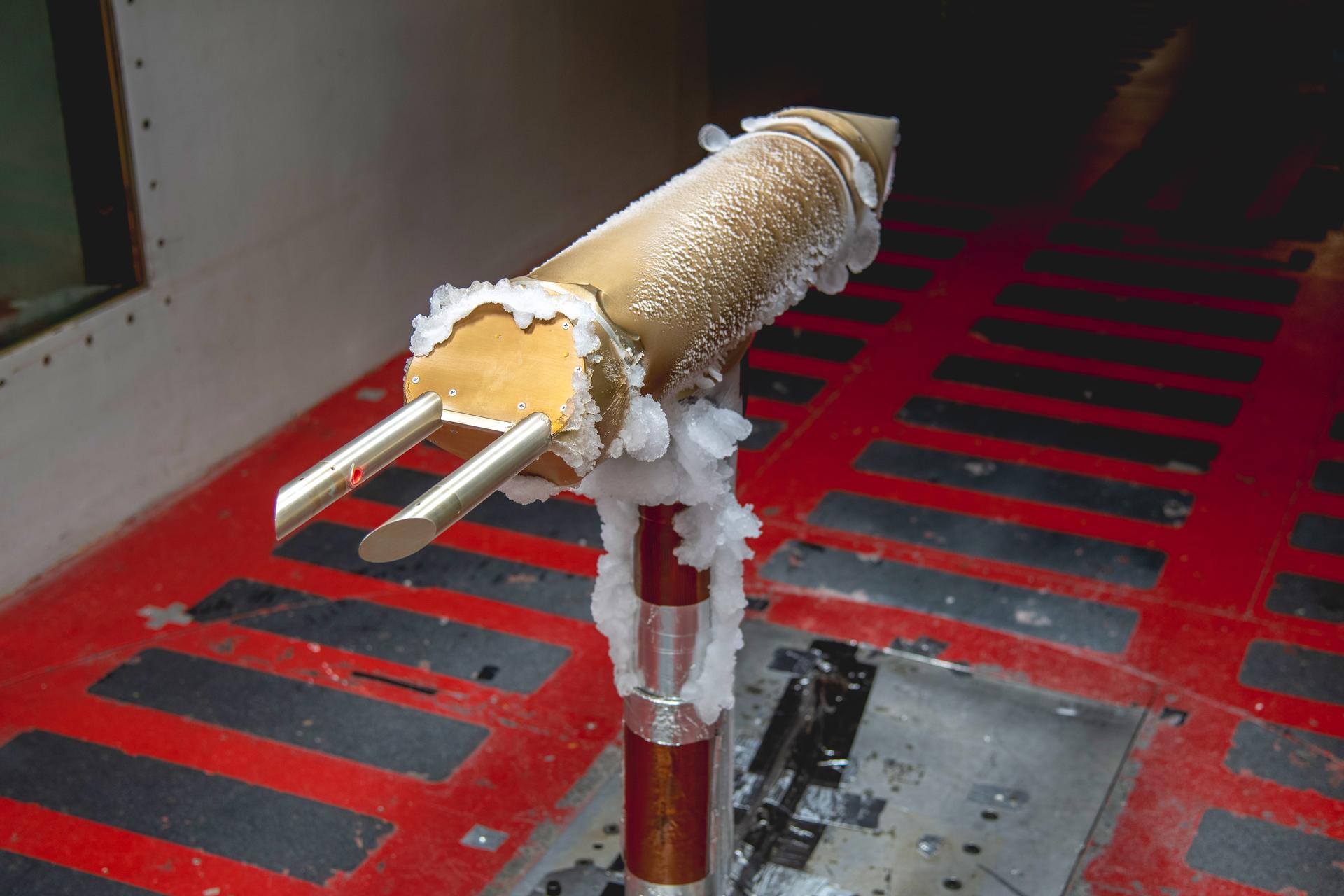
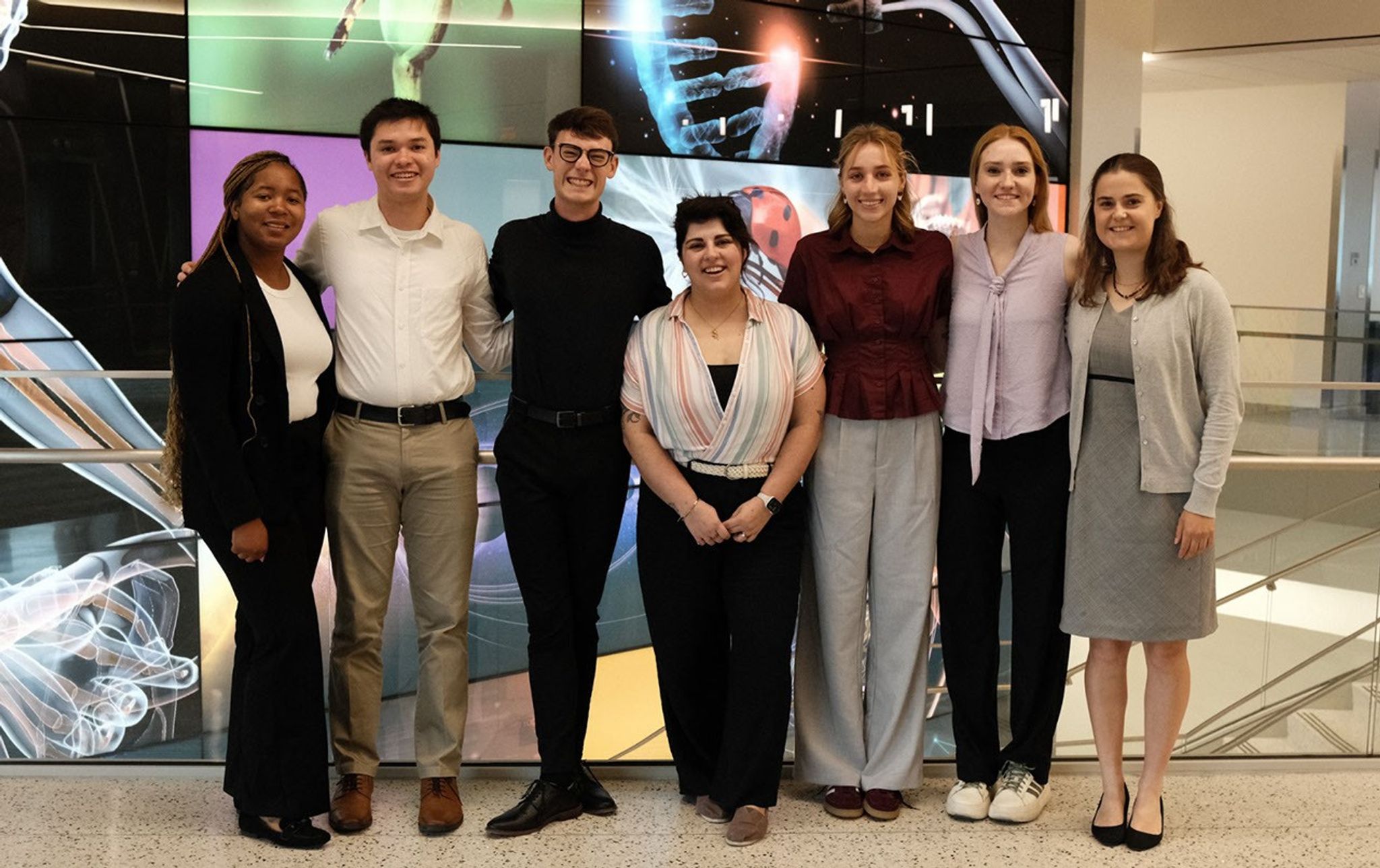
The NASA Airborne Science Program maintains a fleet of aircraft used for studying Earth system processes, calibration/validation of space-borne observations, and prototyping instruments for possible satellite missions. SARP participants assist in the operation of instruments onboard one of these aircraft to measure atmospheric gases and collect multispectral imagery of land and water surfaces. Through these activities, participants conduct remote sensing research spanning the atmosphere, biosphere, geosphere and hydrosphere. 2026 SARP cohort and fleet of aircraft pictured with Nicky Fox, Associate Administrator of NASA’s Earth Science Mission Directorate.
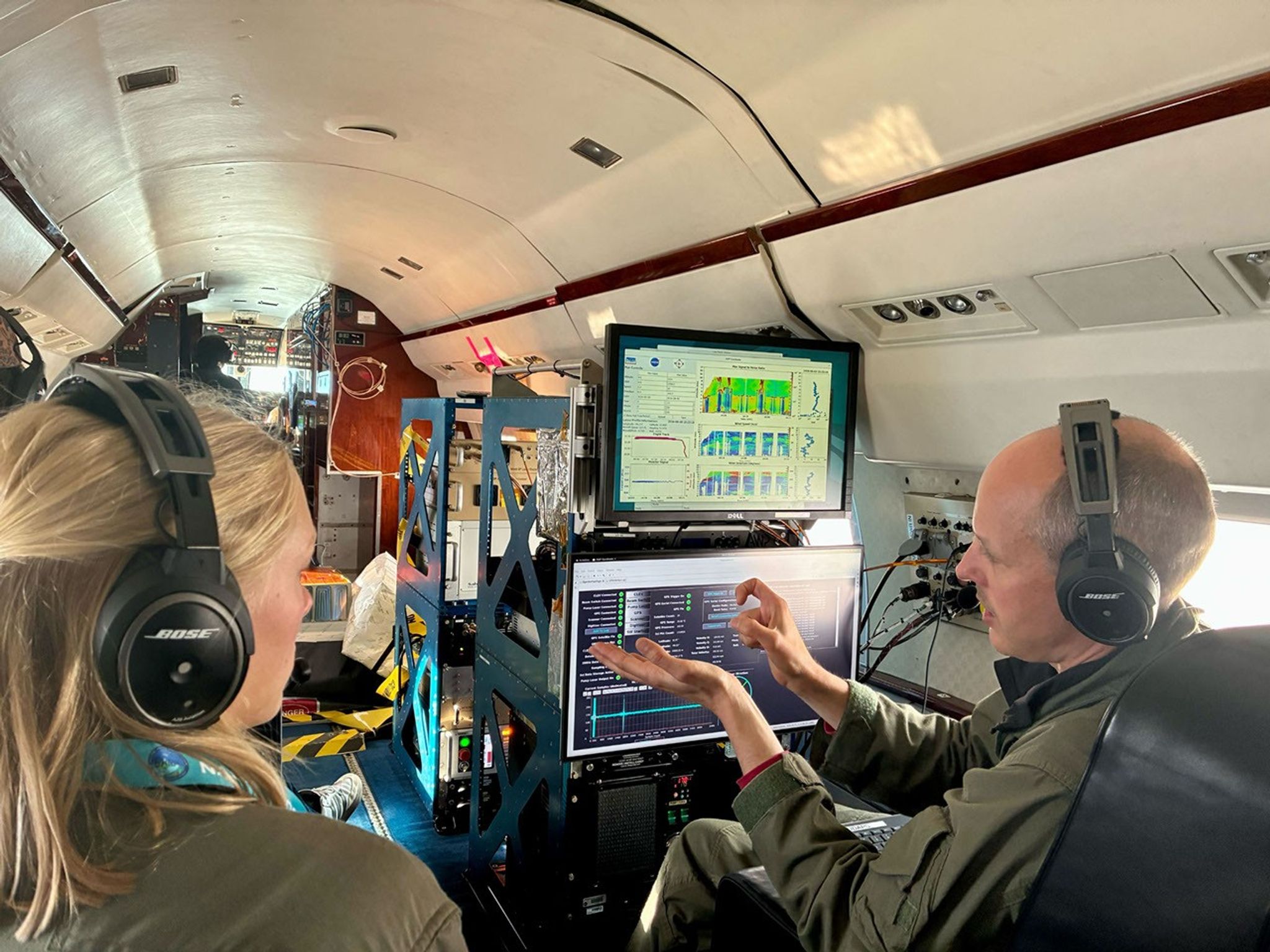
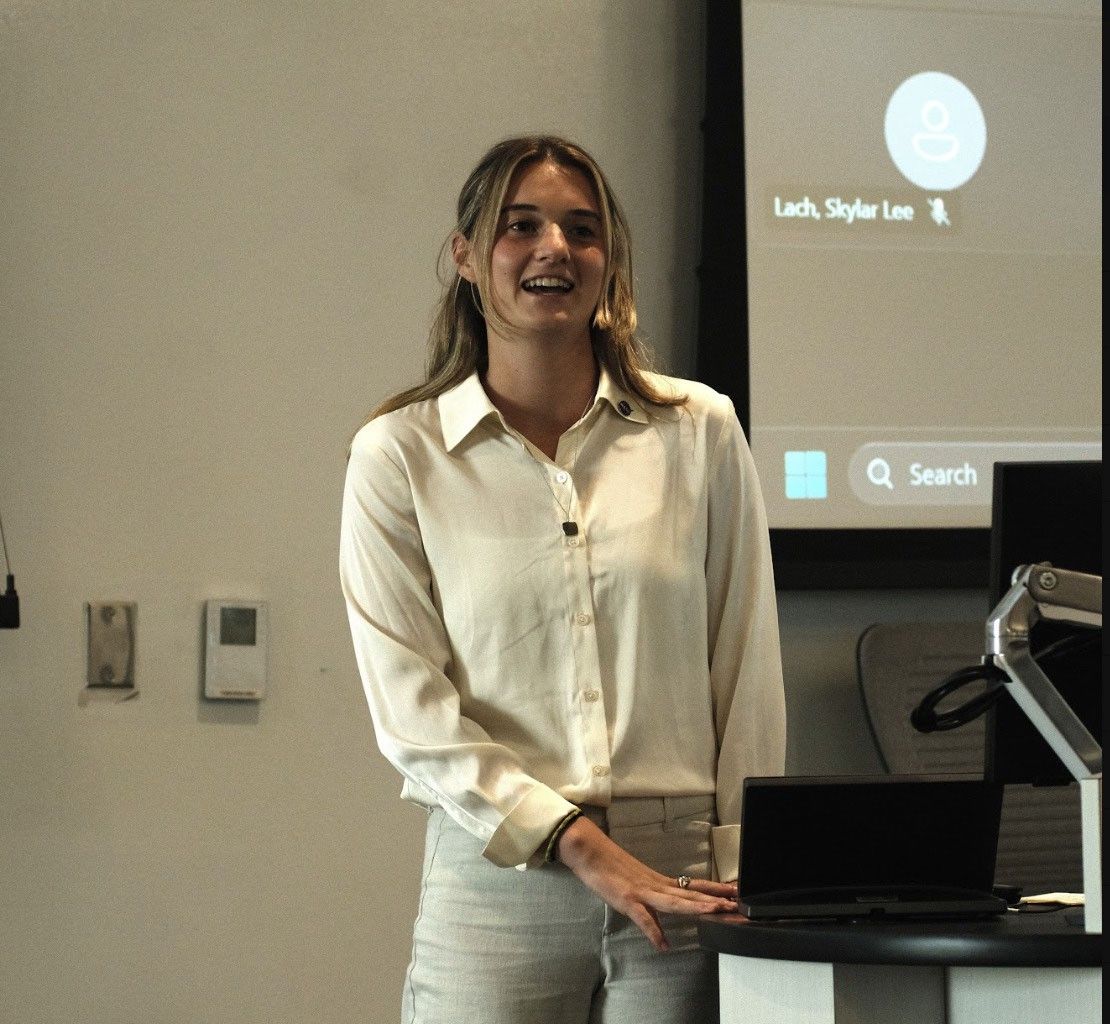
Participants will also have the opportunity to participate in ground data collection in their assigned research area. Using data from the campaign and/or NASA's extensive archive, they will design, implement, and present their own independent research projects. Each student is randomly assigned to a research group of six students that is led by an expert faculty mentor and a dedicated graduate mentor who guides them as they build their research skills. The program concludes with a 12-minute scientific presentation where participants share the results of their work.
Participants will receive a stipend as well as funding to cover their travel. Housing and transportation will also be provided during the eight-week program.
Explore SARP 2026 presentations at the NASA Science ECR Playlist on YouTube.
See SARP 2026 feature article here.
A unique challenge participants take on in SARP is being randomly placed into a research area for the program. This approach is intentional and offers several important benefits:
- Encourages students to step outside their comfort zone and engage with disciplines they may not have previously considered.
- Helps students develop adaptable research and problem‑solving skills that are valuable in any scientific career.
- Supports the understanding of Earth as an interconnected system by showing how diverse research areas link together to advance a shared scientific mission.
A unique challenge participants take on in SARP is being randomly placed into a research area for the program. This approach is intentional and offers several important benefits:Encourages students to step outside their comfort zone and engage with disciplines they may not have previously considered.Helps students develop adaptable research and problem‑solving skills that are valuable in any scientific career.Supports the understanding of Earth as an interconnected system by showing how diverse research areas link together to advance a shared scientific mission.“As a meteorology student my interests aligned more with the Aerosol and Whole Air Sampling groups, but I was randomly selected to be part of the Oceans group. This turned out to be the best thing that happened this summer. I met some amazing people and opened my eyes to the research possibilities for ocean-atmosphere interactions. As I venture forward, I am currently looking to continue my academic career, focusing on research relating to ocean-atmosphere interactions. If it wasn't for the Ocean's group and learning more about oceanography, I wouldn't have found my passion.”
Grace Woerner
SARP 2025 student
Applying to SARP
Who are our students?
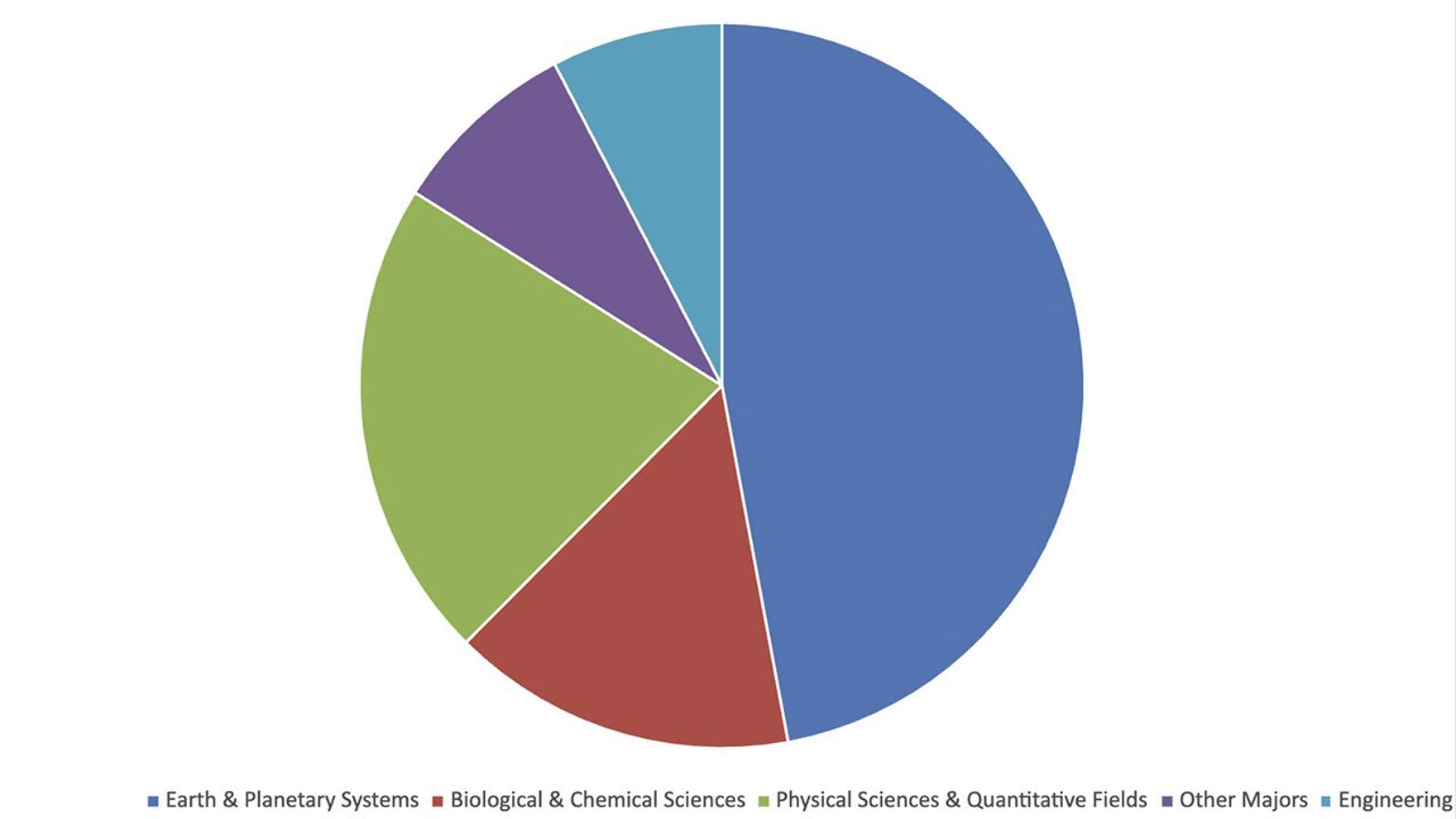
SARP students come from across the country and represent colleges and majors of all sizes.
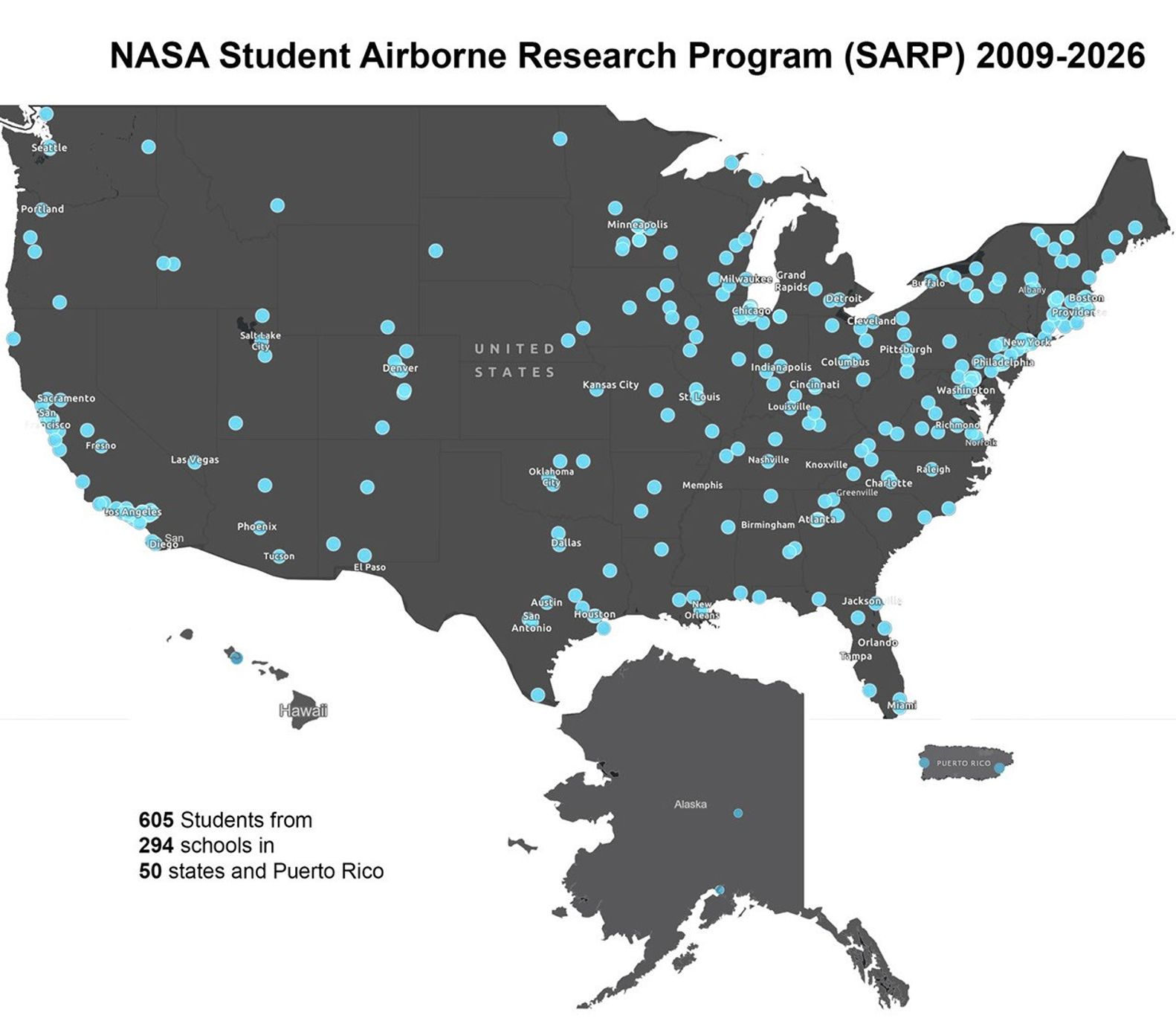
SARP Majors (2009-2025)
SARP students have a background in STEM coursework and a genuine interest in applying what they’ve learned to Earth science. They bring curiosity, an open mind, and a willingness to challenge themselves as they engage in independent research, often in fields that are new to them. Prior research experience is not required. Students who excel at SARP are those who are ready to learn, collaborate, and take initiative, all of which are essential in field research
Many SARP students go on to continue their careers in Earth science research, participate on airborne field campaigns, complete graduate degrees, and develop long careers within the Earth Sciences.
Preferred Applicant Qualifications
- Students from academic institutions that have limited research opportunities are strongly encouraged to apply.
- Prior research experience is not required.
- Applicants should have completed coursework in science, technology, engineering, or mathematics and demonstrate curiosity about Earth system science.
- Applicants must be motivated self-starters with proven leadership experience.
- Applicants must demonstrate integrity and positive team behavior.
- Applicants must be enrolled full-time at an accredited four-year US college or university.
- Students have either completed three years of college or are entering their final year of college
- Graduate students are not eligible for SARP.
- Applicants must be US citizens
How to Apply for SARP
The SARP 2026 cycle has closed. Please check back in December for SARP 2027 updates.
Being a SARP Mentor
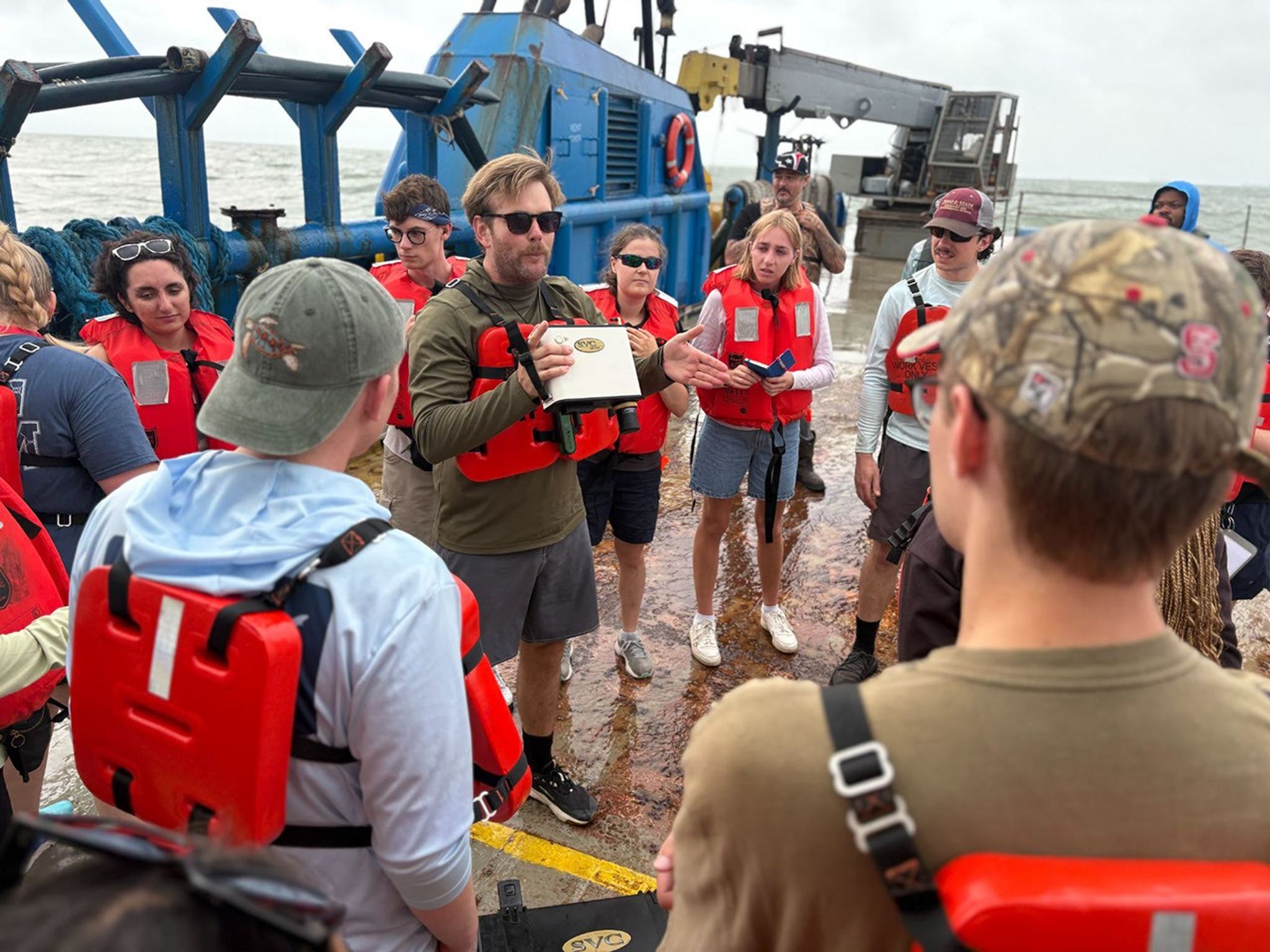
Each year SARP hires 10 graduate-level mentors to work closely with faculty in supporting undergraduates in their research. SARP hires mentors from the following disciplines:
- Atmospheric science
- Ocean remote sensing
- Terrestrial remote sensing
- Ecohydrology/hydrology
- Earth science programming
Selection Process
Mentor applications can be accessed by interested applicants and are reviewed on a rolling basis. Qualified candidates will be contacted for a virtual interview. Once all positions are filled, the application window will close. Mentor selection process is based on the following criteria:
- Must have completed or is currently completing a graduate degree in the respective fields highlighted in SARP.
- Not sure if your field is applicable? Please reach out!
- Demonstrate interest in working with students and guiding undergraduate scientists through a rigorous internship.
- Strong leadership qualities and the ability to effectively perform in group settings.
- Flexibility and adaptability in mentoring students with varying levels of experience and backgrounds.
- Ability to collaborate effectively in a team environment, working alongside other mentors, faculty, and students to achieve common goals and foster a cooperative atmosphere.
- Excellent communication skills
- Commitment to fostering a supportive environment, this includes participating in non-research aspects of the program, such as facilitating comradery within their research group and SARP cohort through group dinners and out of class activities.
- Ability to provide and receive constructive feedback
Our ideal mentors are excited about mentoring, cultivating community, and have foundational knowledge in their field. If you have any questions or are interested in applying, please reach out to Joelle Hopkins at joelle.n.hopkins@nasa.gov.
Life at SARP
Program Structure
SARP has two program cohorts: East Coast and West Coast. The specific cohort locations may vary each year, but both follow the same program structure. Cohort assignment is determined by the project manager. Students are notified of their cohort placement upon selection, and individual preferences are not considered.
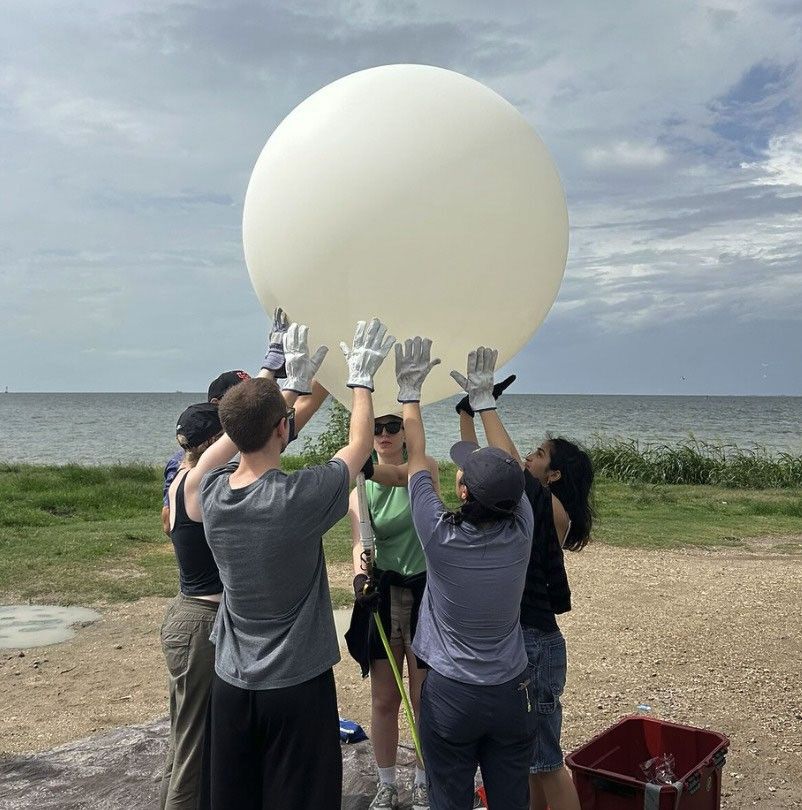
Weeks 1 and 2 the cohorts come together for a crash course on Earth science research at NASA, introductory sessions on the research areas and mission instrumentation. During this period students participate in a NASA field campaign, including both airborne and ground truthing components.
After weeks 1 and 2, students move to a university at their respective program coast where they work on their independent research projects for the remainder of the program. Daily tasks include meeting with their research groups, having individual meetings with faculty and graduate mentors, and attending guest science lectures, and optional coding lessons. SARP staff and graduate mentors are available to provide structure and guidance as students reflect on their research styles and develop a rhythm.
NOTE: this is a non-traditional internship, and participants should expect to be working on evenings, weekends, and holidays.
Living
During weeks 1 and 2, students typically share a hotel room with another participant, with two beds and basic amenities such as a fridge and microwave. Because of the demanding schedule, students should expect to pack lunches for most of the first two weeks. Once they arrive at their respective coasts, students transition to traditional dorm‑style housing on campus, where each student has an individual room and access to a shared kitchen. Graduate mentors also live in the dorms and serve as Resident Advisors. Housing sites on both coasts are within a 10–15 minute walk of grocery stores and restaurants.
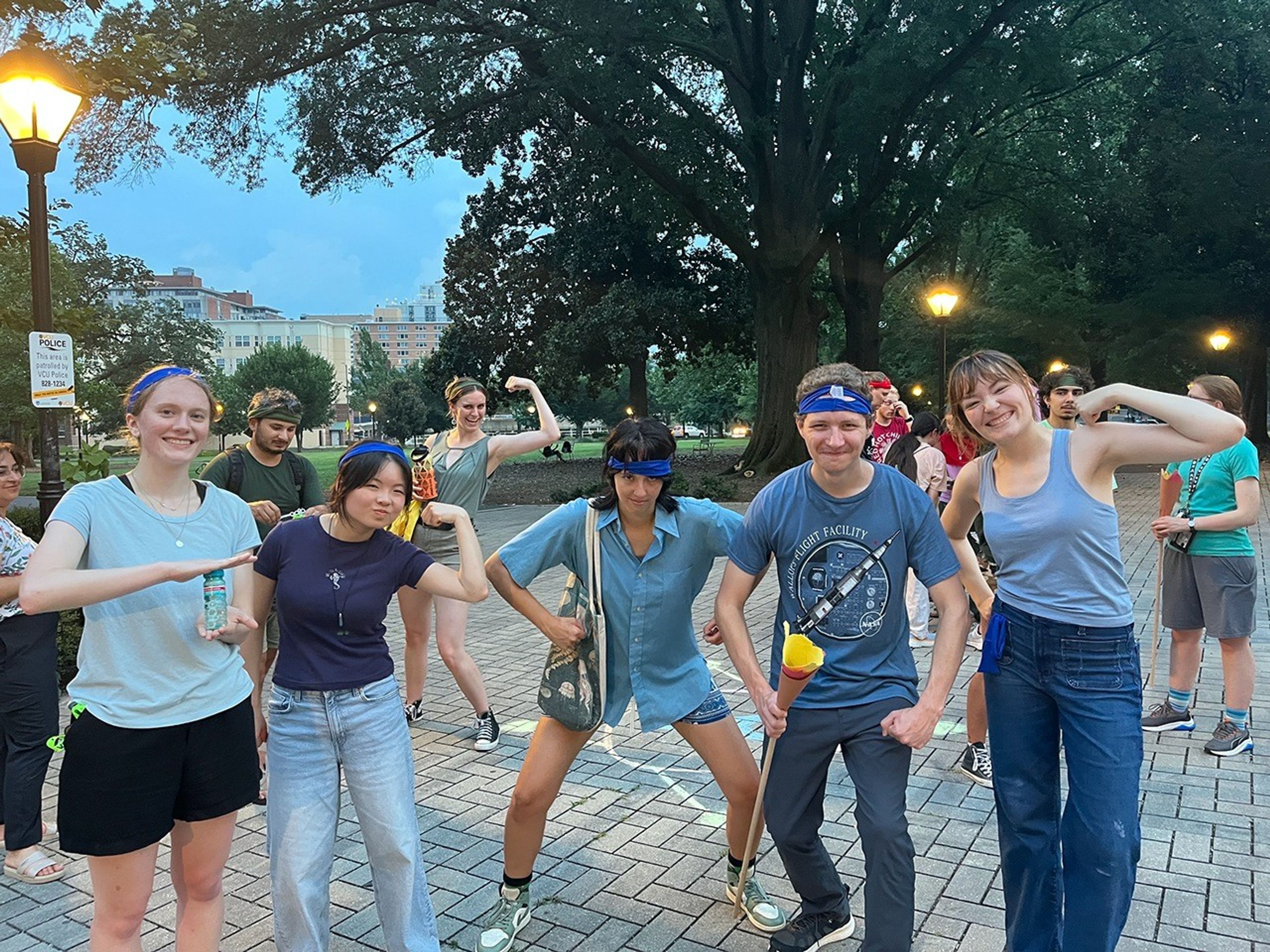
On the weekends students continue to work on their research projects, share meals, relax, and explore the surrounding area together.
Research Areas
Faculty and Research Groups
There are four research groups on each SARP coast, each led by a distinguished faculty advisor. Faculty and graduate mentors work together to help students learn about their topic area and guide them through the research process. Students are randomly assigned to research groups and should be willing to participate in any group.
2027 Research Groups
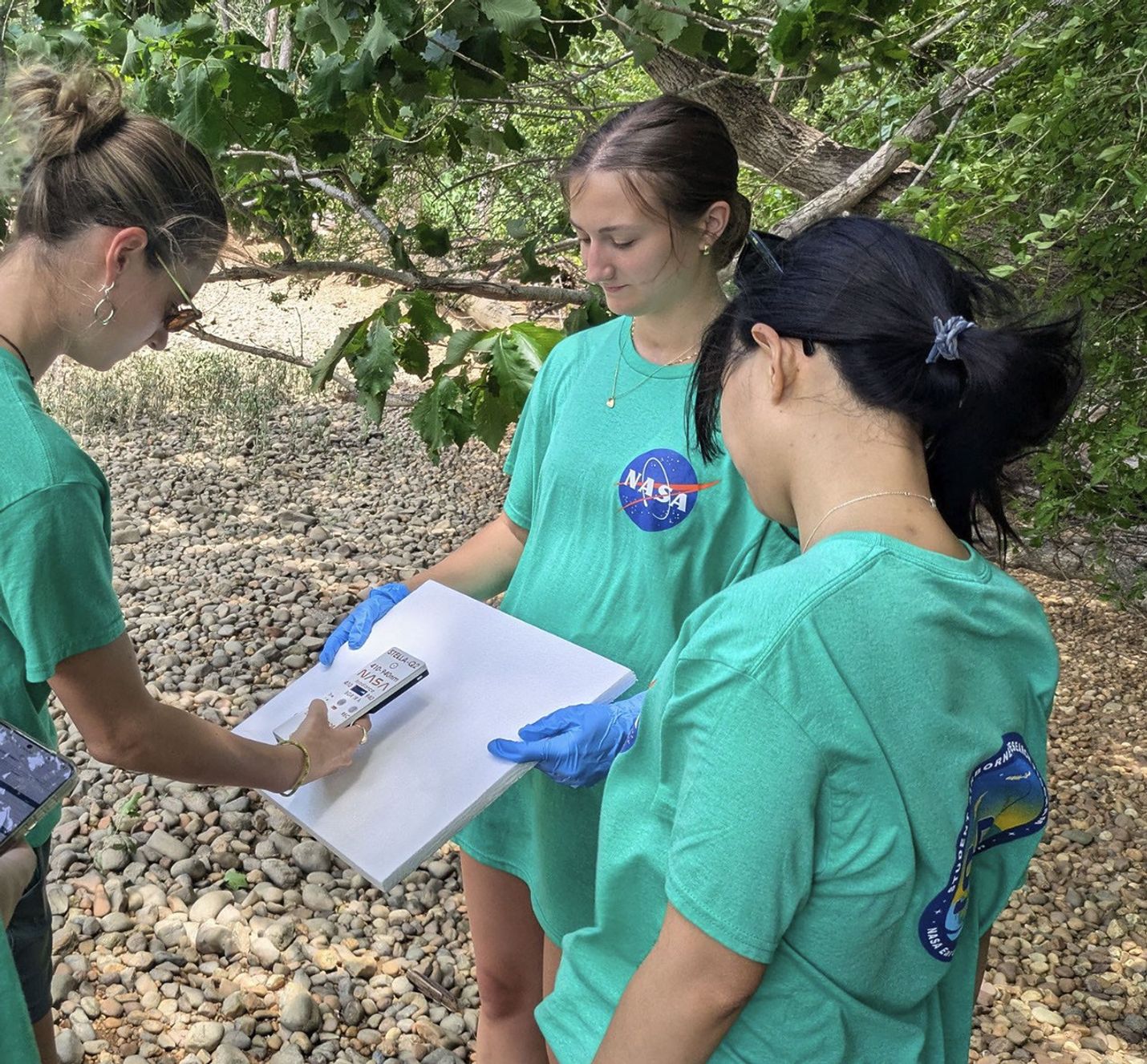
- Ocean Remote Sensing - Use satellites, buoys, and a myriad of measurement techniques to investigate biological activity in the ocean.
- Atmospheric Science - Collect airborne and ground based air quality data to explore the gases that make up the air we breathe.
- Ecohydrology - Explore the interplay between the ever-present water cycle and the intricacies of terrestrial ecology.
- Land Remote Sensing - View the Earth's surface from the sky using a variety of spectral analysis techniques. Investigate forest ecology, geology, land disturbances, and more.
Students do not need to have extensive experience in any of these research areas before coming to SARP. In fact, due to the random research group assignments, students are typically assigned a new area of focus and broaden their scientific understanding. Many interesting projects have been developed as a result of students applying their own unique backgrounds to relevant problems within the Earth system.
Independent Research
Throughout the summer, students design and implement an independent research project. Don’t worry if you don’t have prior experience—many SARP students are new to research. SARP faculty and graduate mentors are here to guide you every step of the way!
The culmination of the summer is a 12 minute research presentation. The program concludes with a final celebration to commemorate the many accomplishments of the summer.
Programming Support & Open Science
Programming is an important research skill, and SARP is dedicated to providing high-quality education in this area. Whether you are an experienced programmer or new to coding, SARP offers a supportive environment to develop your skills. Each SARP coast has a dedicated mentor—known as the coding mentor—who is available on-site to guide students. The coding mentor leads an introductory programming series during weeks 3 and 4 and is also available for office hours throughout the summer.
As the science community shifts to further acknowledge the importance of open science, SARP provides students with the opportunity to learn about how to communicate and share scientific findings. Open science lectures are one of several types of supplemental lectures given to students over the course of the 8-week program.