










Real World: From Idea to Physical Prototype
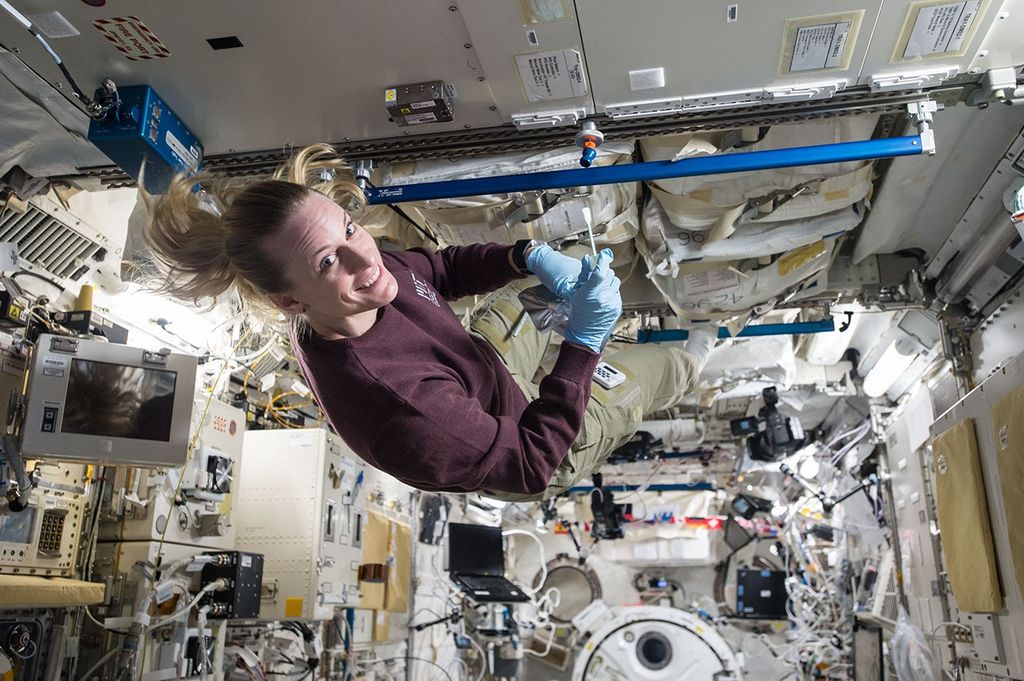
At NASA everything begins with an idea. Physical models help NASA engineers and technicians test those ideas before building full-scale versions. Learn more about the important role physical modeling, building prototypes and mathematics play in engineering solutions.
Discussion and writing prompts
1. Very few engineering designs work perfectly the first time they are built. Why is testing and redesigning an important part of the engineering design process? Describe a time when something you designed or built did not work as expected. What did you learn from the experience, and how did you improve your design?
2. Engineers must balance many constraints, including cost, materials, safety, size, and performance. How do these constraints influence the choices engineers make when building a prototype? Imagine you are designing a prototype for a NASA mission. Identify two design constraints and explain how they would affect your decisions throughout the engineering process.
3. A prototype is not built to be the perfect solution to a problem, but rather as a way to answer questions and reveal potential problems. Why is it important to test a prototype before creating the final product?
Background Information
Grades 6 through 12
- NASA eClips Real World: Computer Simulations – Turning Complex Ideas Into Solvable Equations (video)
- Science Learning Hub Scientific Modeling (webpage)
- NASA JPL Modeling and Simulation (website)
- NASA Virtual Youth Day: Virtual Tour of Model Shop (video)
- NASA’s Newest Wind Tunnel Builds on Legacy of Innovation (website)
Grades 9 through 12
- NASA Modeling Flight (e-pub)
- NASA Simulating and Modeling (website)
Activities
Grades K through 12
- NASA eClips Engineering Design Educator Implementation Packet (pdf)
Grades 3 through 5
- Teach Engineering Build an Approximate Scale Model of an Object(website)
Grades 4 through 12
- NASA eClips Guide Lites: Comparing Science and Engineering Practices Using Black Boxes (pdf)
- NASA JPL Experience Insight (Interactive)
Grades 6 through 12
- NASA eClips Secondary Engineering Design Packet (pdf)
- NASA 3D Resources (webpage)
- NASA Universe Spacecraft Paper Models (webpage)
- NASA Do It Yourself Spacecraft Models (webpage)