











NASA-DARES Task Force 2 Page 2
Aaron Regberg, Ph.D.
Aaron Regberg is a geomicrobiologist within the Astromaterials Research and Exploration Science (ARES) Division at the Johnson Space Center (JSC). He is currently working with the Artemis Internal Science Team to help the agency conduct scientific research on the upcoming Artemis missions to the Moon. Dr. Regberg is also the Planetary Protection Officer for the Johnson Space Center. Dr. Regberg established the microbial monitoring program in Astromaterials Curation facilities at JSC. He is interested in microbe mineral interactions that may affect astromaterials as well as the potential for forward contamination from crewed exploration missions. Aaron is particularly interested in fungal ecology in the built environment.
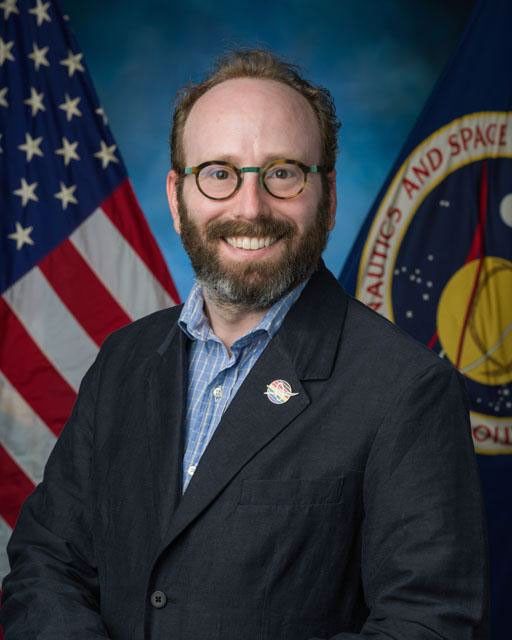
Aaron Regberg, Ph.D.
NASA Johnson Space Center
Mary Beth Wilhelm, Ph.D.
Dr. Wilhelm is an astrobiologist and planetary scientist at NASA Ames Research Center conducting research on biomarker preservation on Mars, where she has now worked for over 19 years. On Earth, she’s conducted over a decade of research in Mars analog environments in the Atacama Desert, Chile, Iceland, and Antarctica to name a few. She is leading the development of new technology and missions to search for life on Mars, specifically targeting molecular fossils left behind from the most habitable early time period on the red planet.
She grew up outside in Chicago, IL until her family moved to Fremont, CA in Silicon Valley during the dot-com boom and has been interested in planetary science since she was six years old. She graduated from Saint Francis High School in Mountain View, CA in 2008, and started working at NASA Ames Research Center as a high school intern in 2006. In 2009, she became the youngest Civil Servant hired into the Planetary Systems Branch. Dr. Wilhelm received her Bachelor’s from Cornell University and Ph.D. from Georgia Tech in 2017 in Earth and Planetary Sciences. She is an Associate Editor of the journal Astrobiology, and a recipient of a 2025 Presidential Early Career Award for Scientists and Engineers (PECASE).

Mary Beth Wilhelm, Ph.D.
NASA Ames Research Center
Carlos Eytan Gary-Bicas, Ph.D.
Dr. Carlos Eytan Gary-Bicas is the GANGOTRI Mars Mission Postdoctoral Researcher at Louisiana State University, holding a Ph.D. in Geosciences from Stony Brook University and a B.A. in Astronomy from the University of Colorado at Boulder. He investigates the Martian "depth of biogenicity" by utilizing geothermal and radioactivity models to constrain subsurface thermal environments and identify habitable depth zones. Complementing this habitability research, he employs multivariate analysis on Gamma Ray Spectrometer data to delineate regional geochemical provinces and characterize primary crustal evolution. His work further explores the critical zone of crust-atmosphere exchange, quantifying radiative fluxes to determine their impact on the thermodynamic stability of potential habitats. This research directly supports the Decadal Strategy by establishing the environmental baselines and site selection criteria necessary for future Mars Life Explorer missions.
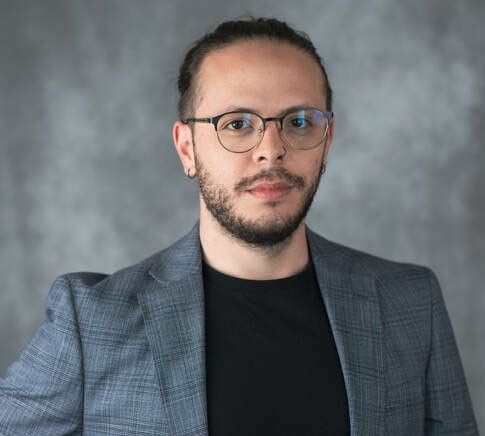
Carlos Eytan Gary-Bicas, Ph.D.
Louisiana State University
Sofia Sheikh, Ph.D.
Dr. Sofia Sheikh is a Technosignature Research Scientist at the SETI Institute. She works on radio technosignatures searches with the Allen Telescope Array (ATA) and other ground-based radio facilities. In addition, she performs research in radio transients (pulsars and fast radio bursts) and assists with research operations at the ATA. She is particularly interested in promoting the integration of technosignatures with the broader astrobiology and biosignature communities.

Sofia Sheikh, Ph.D.
SETI Institute
Tiffany Kataria, Ph.D.
Tiffany Kataria is a Research Scientist at NASA’s Jet Propulsion Laboratory, California Institute of Technology in the Astrophysics Section. Dr. Kataria utilizes a hierarchy of one-, two- and three-dimensional models of exoplanet atmospheres to understand their dynamics, chemistry and thermal properties, especially through their comparisons with phase-resolved observations of their atmospheres with HST, JWST and future telescopes. She received her Ph.D. in Planetary Sciences from the University of Arizona. She previously served as Science Technology Definition Team Member of the Origins Space Telescope large mission concept study, and was a Panelist on the Science Panel for Exoplanets, Astrobiology and the Solar System in the Astro2020 Decadal. Currently, she is part of the Habitable Worlds Observatory (HWO) Pre-Formulation Project Office, and serves as Deputy Science Lead for the PRobe far-Infrared Mission for Astrophysics (PRIMA) Phase-A concept. She enjoys reading, singing, and visiting new restaurants in LA.
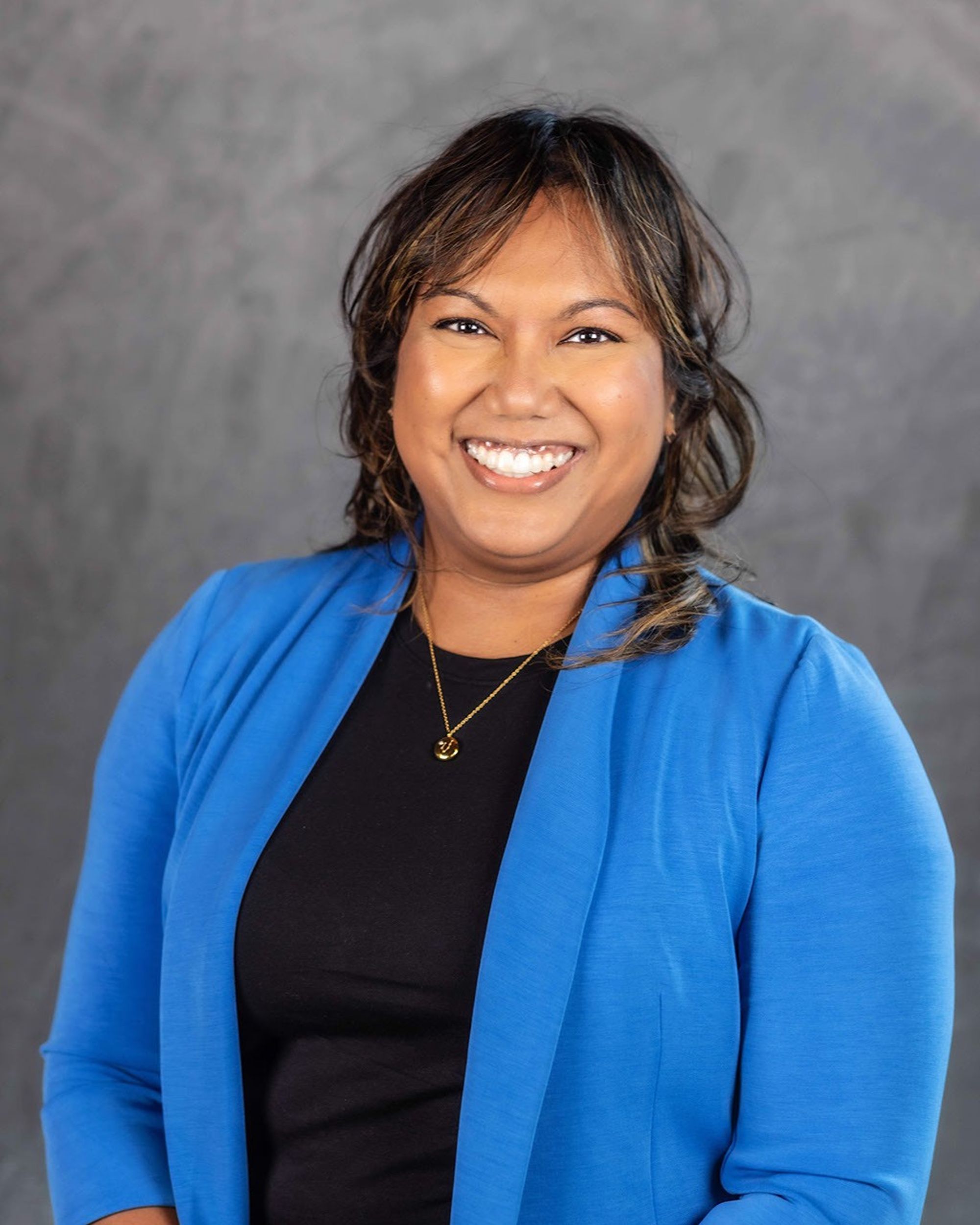
Focus Area 7 Secondary Member
Tiffany Kataria, Ph.D.
NASA Jet Propulsion Laboratory/Caltech
Noam Izenberg, Ph.D.
Noam R. Izenberg is a planetary scientist and Principal Staff at Johns Hopkins Applied Physics Laboratory. He is a Teaching and Research Fellow at Johns Hopkins University and emeritus Chair of the Venus Exploration Analysis Group (VEXAG). Dr. Izenberg’s interests and research focus on observation, characterization, and analog experimentation of the surfaces of solid bodies in our solar system and beyond to the exoplanets, from composition, to morphology, to the interactions of surfaces with atmospheric or space environments, and the processes of change over time. His interests in Venus history and evolution have broadened into questions about the evolution of habitability on Earth and Venus like worlds, their surfaces, and their atmospheres.

Noam Izenberg, Ph.D.
Johns Hopkins University Applied Physics Laboratory
Focus Area 6: Astrobiology-Focused Mission Approaches and Technology Development
Morgan Cable, Ph.D.
Dr. Cable is a Senior Lecturer at Victoria University in Wellington, New Zealand, and Senior Scientist at the Planetary Science Institute (PSI). She previously served as a Research Scientist at the Jet Propulsion Laboratory, California Institute of Technology for over a decade. She is currently a Co-Investigator on the Dragonfly mission to Titan, a Collaborator on the Planetary Instrument for X-ray Lithochemistry (PIXL) Instrument aboard the Mars 2020 (Perseverance) rover, and is performing multiple roles on Europa Clipper. She is also on the science leadership team for the Nautilus mission concept to search for evidence of life at Enceladus for the New Frontiers 5 Program. She previously served as a Project Science Systems Engineer on the Cassini Mission, the Science Lead for the Exobiology Extant Life Surveyor (EELS) concept, the Ocean Worlds Program Area Scientist for the Planetary Mission Formulation Office, and as supervisor of the Astrobiology and Ocean Worlds Group. Morgan’s research focuses on organic and biomarker detection, through both in situ and remote sensing techniques. She has designed receptor sites for the detection of bacterial spores, the toughest form of life, and developed novel protocols to analyze organic molecules using small, portable microfluidic sensors. Currently Dr. Cable performs laboratory experiments to study the unique organic chemistry of Titan. She and colleagues were the first to discover minerals made exclusively of organics that may exist on Titan’s surface. Morgan also conducts fieldwork in extreme environments on Earth, searching for life in places such as the Atacama Desert, ice fields at the summit of Mt. Kilimanjaro, nutrient-limited lakes at the base of Wind Cave (the densest cave system in the world) in South Dakota, fumarole-generated ice caves of the Mount Meager Volcano in Canada, cold water CO2-driven geysers in Green River, Utah, and lava fields of Iceland.
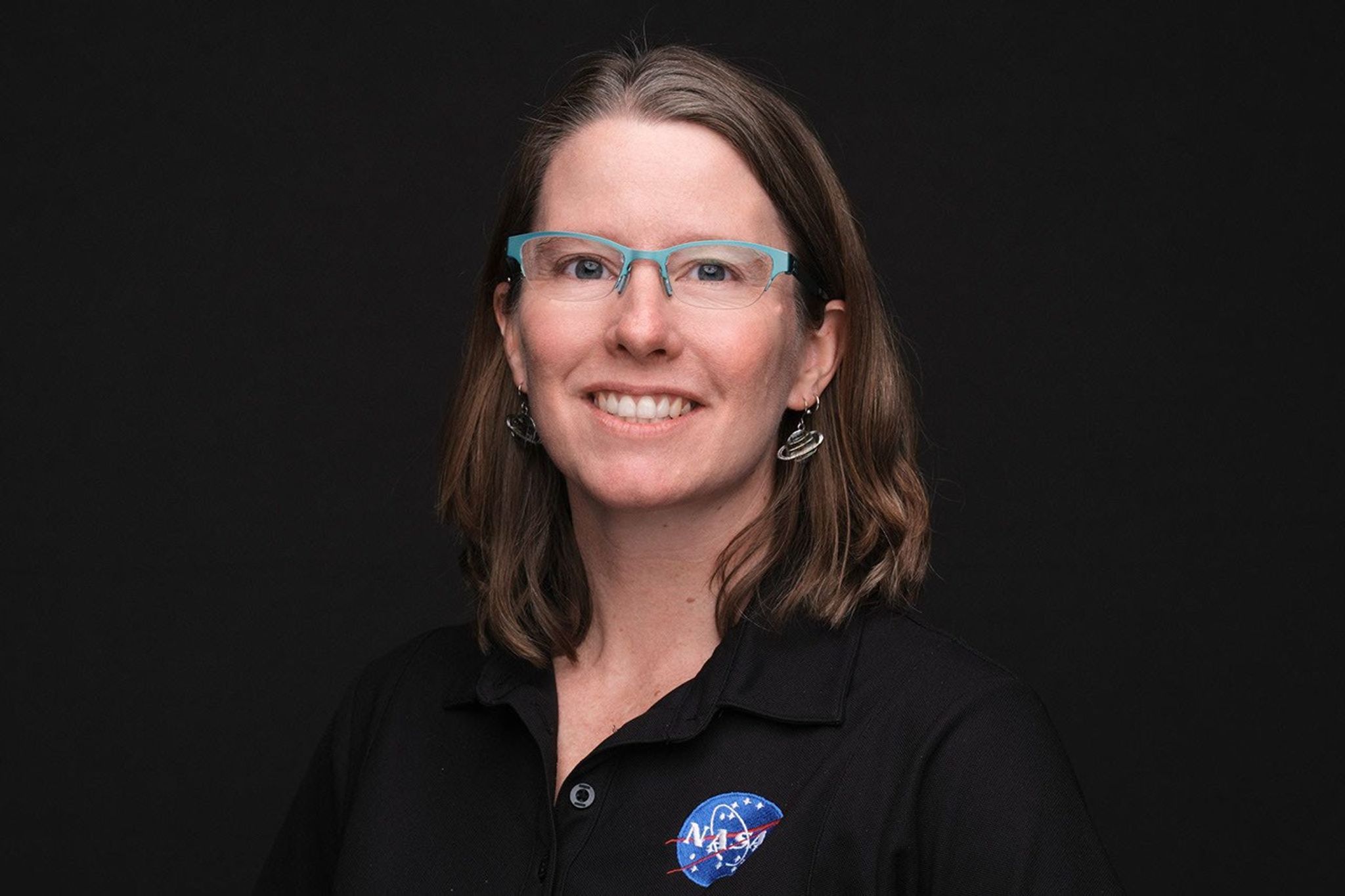
Morgan Cable, Ph.D.
Victoria University | Planetary Science Institute
Mary “Niki” Parenteau, Ph.D.
Dr. Niki Parenteau is a microbiologist and geologist at NASA Ames Research Center who characterizes the production and preservation of microbial biosignatures in modern analog environments. Her research focuses on "linking the microscope to the telescope" by studying volatile biogenic compounds and surface signatures associated with photosynthetic metabolisms. By partnering with astronomers to assess the detectability of these signals, she helps establish the scientific framework for searching for life on solar system planetary bodies and exoplanets.
Dr. Parenteau currently serves on the leadership team for the Habitable Worlds Observatory (HWO) project office, where she coordinates community efforts to define mission life-detection goals. She is also a member of the leadership team for the Astrobiology Habitable Environments Database (AHED), a centralized repository for standardizing and sharing habitability data. Her experience includes over 25 years of field research and contributions to instrument development for life-detection missions on ocean worlds.

Mary “Niki” Parenteau, Ph.D.
NASA Ames Research Center
Paula do Vale Perira, Ph.D.
Dr. Paula do Vale Pereira is an Assistant Professor of Aerospace Engineering at the University of Central Florida, where she directs the Astrodynamics and Space Technology Research & Analysis (ASTRA) Lab. She graduated with a Ph.D. in Space Systems from MIT in 2022, where she worked on three small satellites, being part of preliminary and and critical design reviews, assembly and testing in cleanrooms, thermal vacuum and vibration testing, integration with the satellite deployer, and has commanded over 400 spacecraft passes on the MIT ground station. She was a visiting research student at the Jet Propulsion Laboratory (JPL) in 2021, where, together with Stone Aerospace, she developed, assembled, and tested the first melt probe to achieve subsurface descent in cryogenic vacuum ice, which is an environment we expect to find in Ocean Worlds in the outer solar system. In 2020, she was part of JPL’s Planetary Science Summer School (PSSS), where she worked with the other members of the team and the Team X mentors to develop a mission concept for a New Frontiers Enceladus habitability mission. She is currently a technology co-lead of the Ocean Worlds Working Group, working with the community to develop a science-informed technology roadmap that will set future Ocean Worlds missions for success. Together with her graduate students, Dr. do Vale Pereira research is currently focused on technology development for the exploration of deep space, being intentionally in the intersection between space systems, aerospace engineering, and space sciences.

Paula do Vale Perira, Ph.D.
University of Central Florida
Bronwyn “Bonnie” Teece, Ph.D.
Dr. Teece is currently transitioning to an Assistant Professor role in the Department of Astronomy at Cornell University. Her lab group will research organic biosignature detection and alteration, organo-mineral associations, preparation for sample return missions, and distinguishing biotic from abiotic signals in challenging samples. She is a mission formulator and was one of the primary science architects of Mars Sample Return (MSR), as well as in the leadership for Search for Life Science Analysis Group (SFL-SAG) which examined how to detect modern life in the icy mid-latitudes of Mars. On MSR, she co-led the development of a sample safety assessment protocol (SSAP) to return samples from Mars and was part of the Mars Campaign Science Group (MCSG) and the Mars Definition Team (MDT-1). She earned her PhD at the Australian Centre for Astrobiology at UNSW, Sydney, and conducted her Postdoctoral Fellowship at NASA's Jet Propulsion Laboratory. Her research examines how signs of life are preserved and detected in extremely altered environments on Earth and other planetary bodies. She works on hydrothermal systems, early Earth rocks, and Ocean World and Mars-analogue sites in the Pacific Ocean, New Zealand, Chile, Yellowstone National Park (USA), and across Australia.
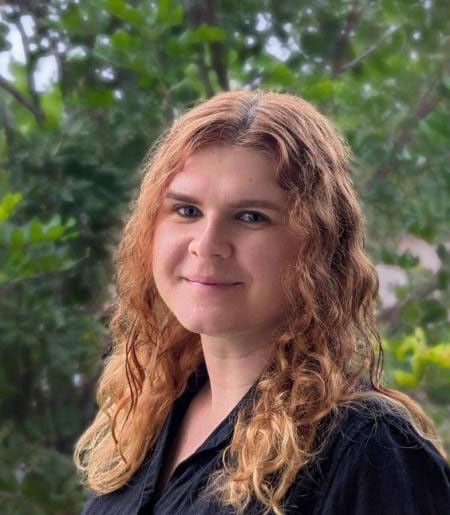
Focus Area 5 Secondary Member
Bronwyn “Bonnie” Teece, Ph.D.
Cornell University
Christopher E. Carr, Ph.D.
Christopher E. Carr is an Assistant Professor at Georgia Tech in the Daniel Guggenheim School of Aerospace Engineering with a secondary appointment in the School of Earth and Atmospheric Sciences. His research focuses on developing space instrumentation for life detection, particularly using single molecule technologies, and applying this to understanding the origin and limits of life and supporting a sustainable human future on and off Earth. Carr holds degrees in aeronautics/astronautics (SB 1999, SM 2001, MIT), electrical engineering (SB 1999, MIT), and medical physics (ScD 2005, MIT/Harvard), with postdoctoral training in planetary science and molecular biology. He leads the Planetary eXploration Lab (PXL) and co-directs Georgia Tech’s Center for Astrobiology. Dr. Carr also serves as a Scott M. Johnson Fellow in the U.S. Japan Leadership Program; his prior work includes significant contributions in metabolism, aging, and bioastronautics. Recent service work includes advising NASA on space biology and astrobiology, and the National Academies on human Mars exploration.
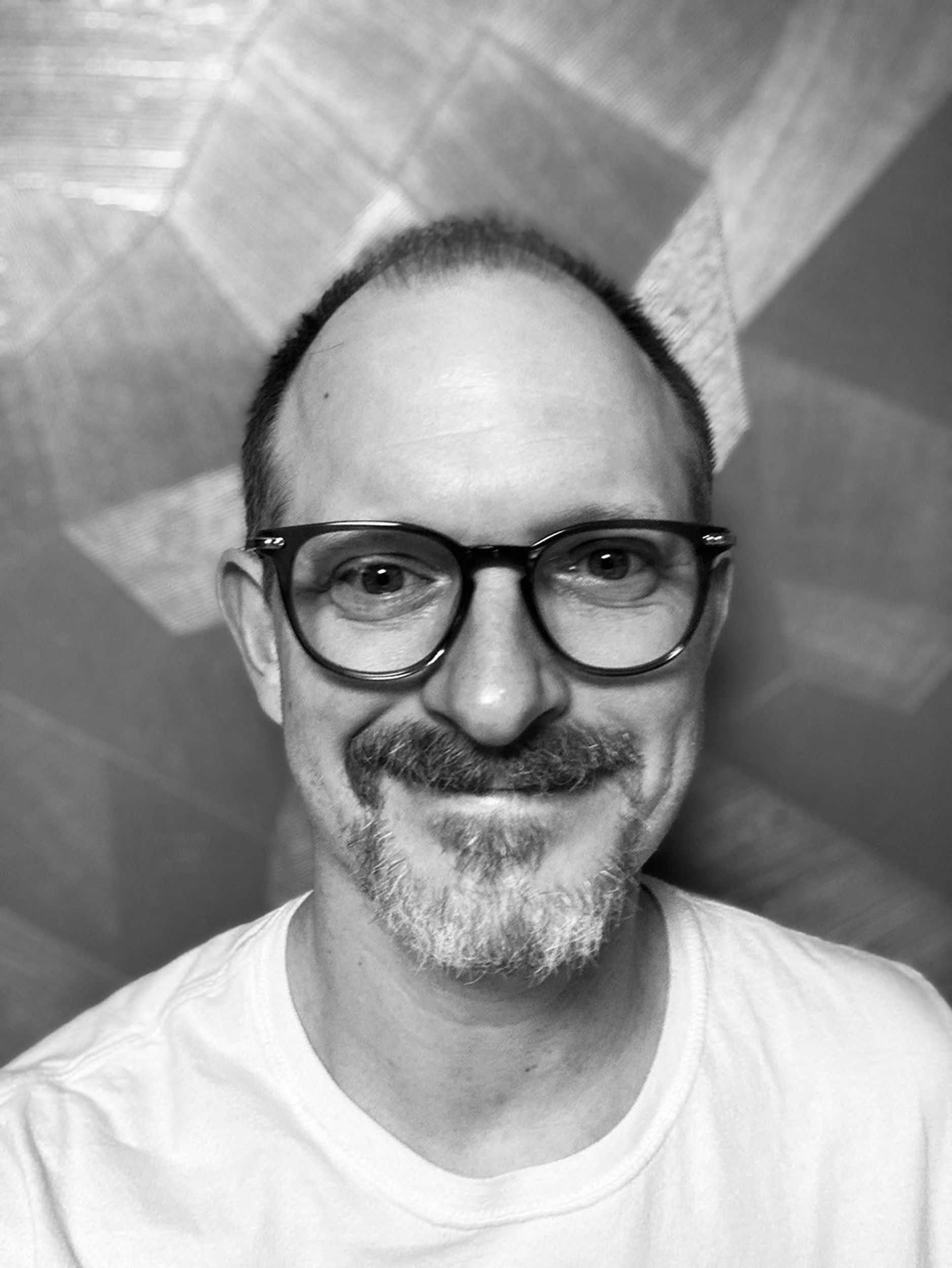
Christopher E. Carr, Ph.D.
Georgia Tech
Brian J. Glass, Ph.D.
Brian Glass is a Research Group Lead at NASA Ames Research Center, where he has worked on deployable automation technologies since 2006. His research focuses on automation and robotics for sampling in astrobiology missions and in-situ resource utilization (ISRU), as well as planetary protection considerations. He has served as Principal Investigator for multiple NASA projects involving robotic drilling and subsurface sampling, including the Arctic Mars Analog Svalbard Expedition (ARPAD), the Lunar Mars Analog Project (LMAP), the Atacama Rover Astrobiology Drilling Studies (ARADS), and Mars Exploration through Analog-site Drilling (MEAD).
His experience also includes leadership roles on the Icebreaker Discovery teams and participation in the Mars Analog Rio Tinto Experiment (MARTE). He previously managed the Intelligent Systems Program, a cross-cutting artificial intelligence and robotics technology effort, and contributed to the Space Station Freedom program office. His work has been recognized with the NASA Exceptional Technology Achievement Medal and multiple NASA Group Achievement Awards.

Brian J. Glass, Ph.D.
NASA Ames Research Center
Kathleen “Kate” Craft, Ph.D.
Dr. Kate Craft is a planetary scientist with a depth of experience performing instrument & mission developments for ocean worlds and ice-rich regions of rocky bodies, characterizing habitable environments, and detecting biosignatures. For over 10 years, she has led biosignature sample preparation and characterization instrument developments, mentored early career staff and students, performed biologic lab and field studies, and worked as a project staff scientist and deputy science systems engineer on the Europa Clipper mission, and scientist on the Europa Lander study and Enceladus Orbilander decadal study teams. Kate’s strengths lie at the intersection of engineering and science and she has great passion for fostering cross disciplinary research and increasing the variety of personal backgrounds contributing to planetary science. Outside of work, Kate enjoys soccer, running, and exploring new places with her 3 kids and husband.
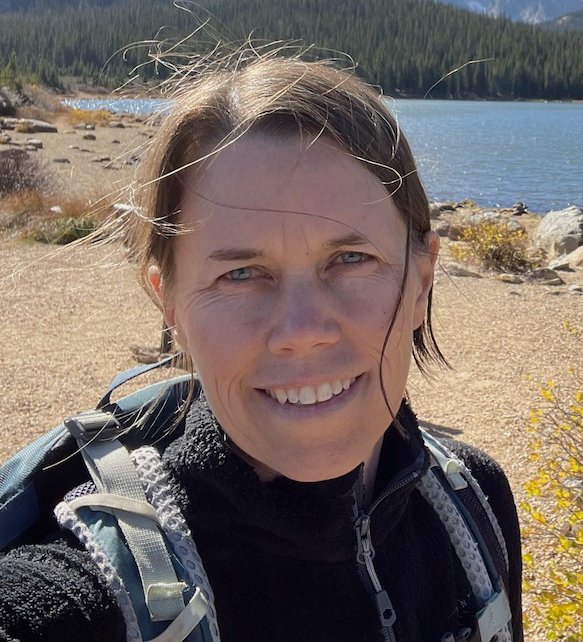
Kathleen “Kate” Craft, Ph.D.
Johns Hopkins University Applied Physics Laboratory
Focus Area 7: Investment in Astrobiology Physical and Digital Infrastructure
Diana Gentry, Ph.D.
Dr. Diana Gentry is a research scientist and bioengineer in the Biospheric Science branch at NASA Ames Research Center. She is the head of NASA Ames's Aerobiology Laboratory and a co-director of the Bioengineering & Instrumentation Group Lab, both part of Ames's recently established Biosciences Collaborative Laboratory. Her work focuses on combining instrumentation, modeling, and field data to understand microbial behaviors and biosignatures. Recent projects include modeling the distribution and variation of Mars analogue biosignatures in Iceland (FELDSPAR); developing an optical/biofluidics system to detect small changes in microbial cultures (BioSentinel and LEIA, both flight missions); machine-learning-directed experimental evolution of microbial cultures (AADEC/MVISE); integrating biosignature data from multiple methods across historical and current databases to enable machine learning classification (SCOBI); designing ground-based testbeds for studying microbial leakage and dispersal from potential Mars crewed activities (MIASMMA); and developing laboratory analogs and sampling technology for life in planetary atmospheres (AERACEPT). Dr. Gentry received her Ph.D. from Stanford University for demonstrating a manufacturing method for structural biomaterials using 3D-printed arrays of genetically engineered cells. In what little free time that leaves, she is a co-founder of three Bay Area communities, enjoys good vegetarian cooking, and plays tabletop and video games.
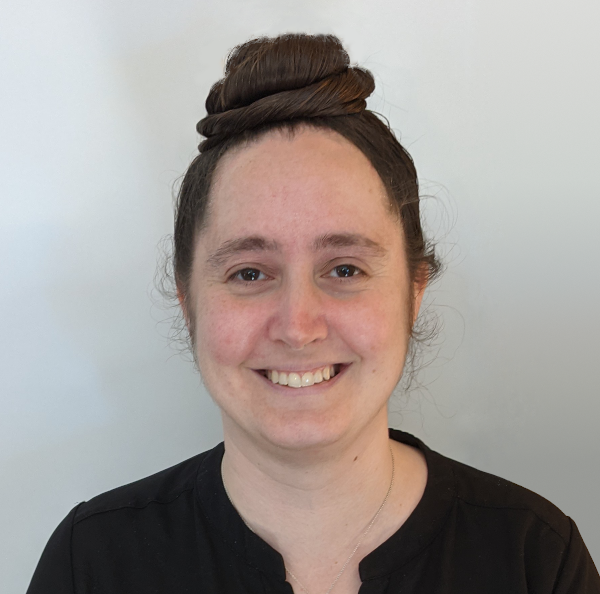
Diana Gentry, Ph.D.
NASA Ames Research Center
Robin Fergason, Ph.D.
Robin Fergason, Ph.D is the Planetary Data Officer for NASA’s Planetary Science Division (PSD) within the Science Mission Directorate. Throughout her career, she has sought out opportunities that are at the intersection of scientific research, mission operations and engineering, and software and product development. She earned her Ph.D. in Geology at Arizona State University, where she used thermophysical modeling techniques to better understand the physical nature of the Martian surface and interpret current and recent geologic processes impacting Mars. Through this work, she participated in the testing, calibration, and operations of four instruments operating on Mars and also has helped to analyze, select, and certify six landing sites on Mars, including Phoenix, Mars Exploration Rover Gusev and Meridiani sites, Mars Science Laboratory, InSight, and Mars 2020. Before coming to NASA, Dr. Fergason worked at the U.S. Geological Survey Astrogeology Science Center (USGS-ASC) including serving as a Deputy-Director of the USGS-ASC and the technical operations lead. In this role, she oversaw and collaboratively developed the strategic direction and implementation for software development, photogrammetric product generation, data and software development and public release, cartographic standards development, and IT services. In her current NASA role as the Planetary Data Officer, she is the Program Manager for the PSD Data Service Programs and leads a team that aims to accelerate scientific discovery and innovation. This program provides the planetary data, software, tools, and computing infrastructure to enable the planetary science and exploration community to meet NASA’s goal of understanding the solar system's history, the distribution of life within it, and to enable future human exploration.
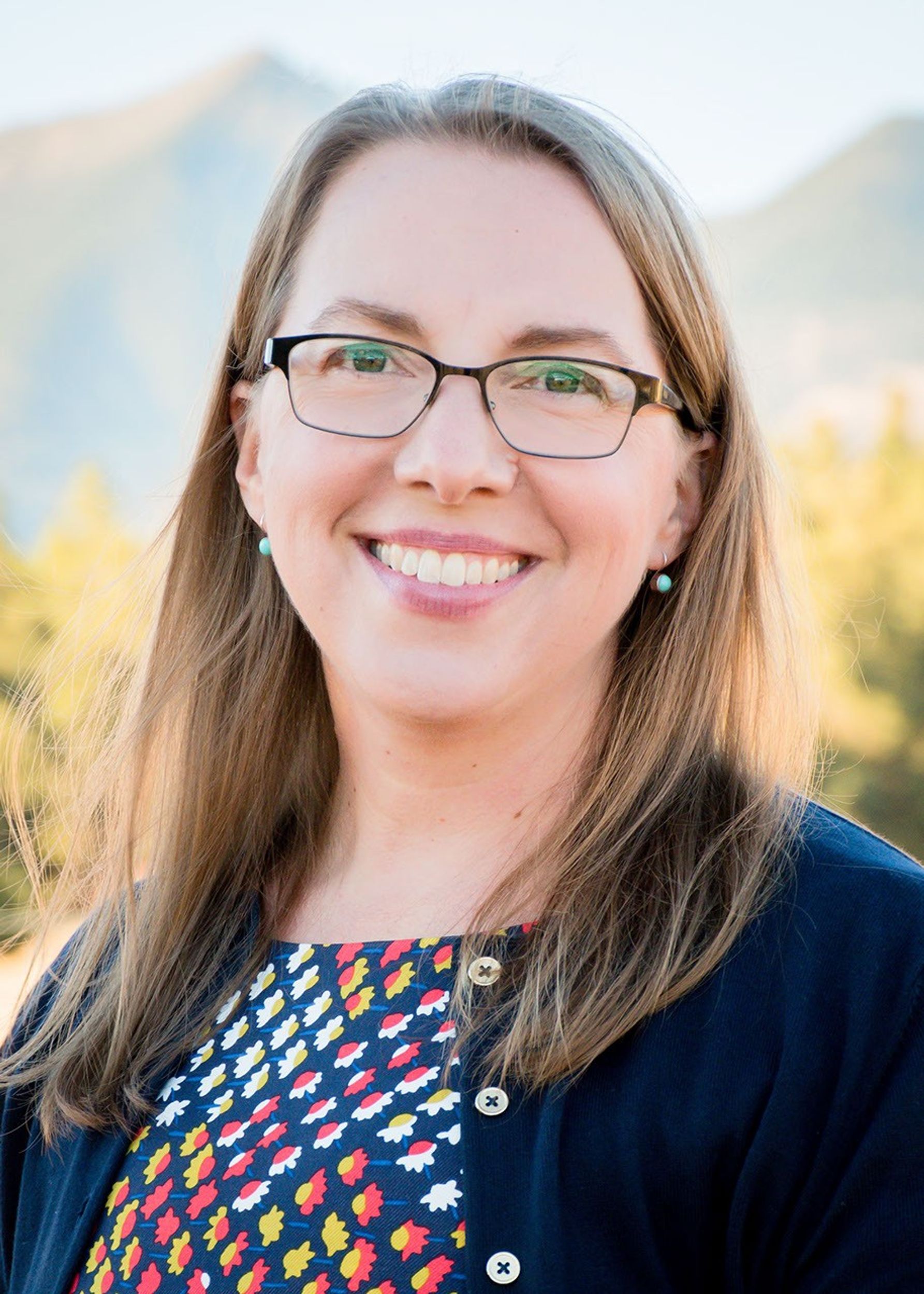
Robin Fergason, Ph.D.
NASA Ames Research Center | NASA Headquarters
Kun Ma, Ph.D.
Dr. Kun Ma is a Patrick and Susan Hatcher Postdoctoral Fellow at Old Dominion University with a Ph.D. in Marine Sciences (Chemical Oceanography) from the University of Georgia (2022). Specializing in organic geochemistry and carbon cycling, her work integrates laboratory experiments, field expeditions, and a broad suite of analytical and isotopic techniques to investigate carbon transformation processes across diverse ocean environments, including deep-sea methane seeps and photochemically impacted coastal and open oceans. She brings expertise in applying chromatographic, mass spectrometric, and isotopic approaches to characterize complex organic matter, constrain carbon sources and fluxes, and evaluate molecular stability under radiation exposure. Through her work, she aims to support the efforts in detecting biological building blocks of life, understanding the chemical evolution of organic molecules, and developing planetary analog samples, technologies and research capabilities that inform Ocean Worlds exploration strategies.
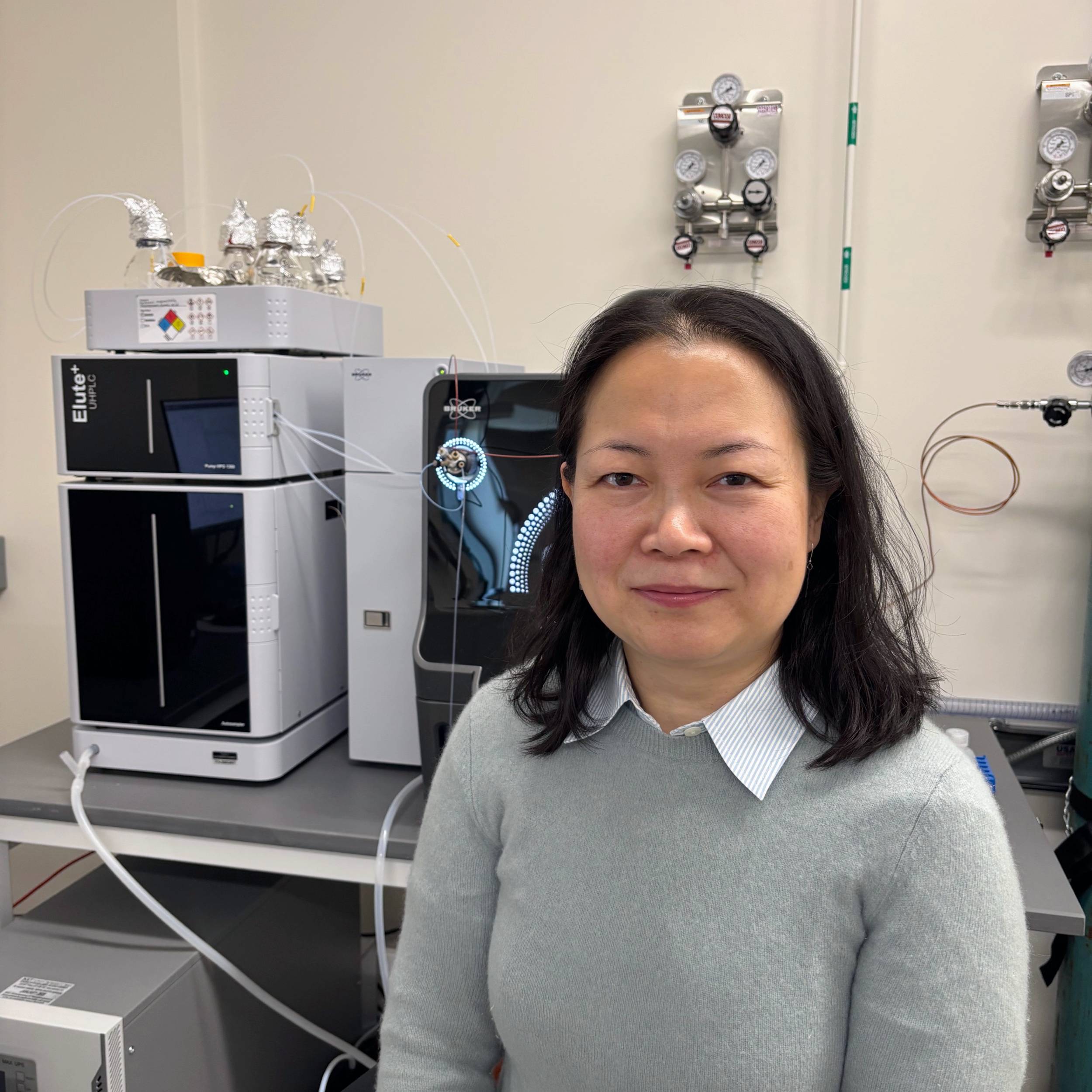
Kun Ma, Ph.D.
Old Dominion University
Bruce Wilson, Ph.D.
Dr. Bruce E. Wilson has over four decades of experience designing and managing research cyberinfrastructure to support scientific discovery. He served for 11 years as the Manager of the NASA-funded Oak Ridge National Laboratory Distributed Active Archive Center (ORNL DAAC), overseeing data systems and services for Earth science research. At ORNL, he also served as lead Enterprise Architect and as the Group Leader responsible for authentication, device management, and research systems administration. His industry experience includes being the technical lead for information systems supporting high-throughput research at the Dow Chemical Company and technical lead for information systems supporting a novel pilot plant at the Dow Corning Corporation. He also had multiple research scientist roles at Eastman Chemical Company, including leading the chemical informatics and computational chemistry teams. Bruce retired from full-time work in September 2025 and currently holds Adjunct Faculty appointments in the University of Tennessee's Bredesen Center Data Science program and the School of Information Sciences. He has had leadership roles for cyberinfrastructure review and strategy panels for NASA, the National Science Foundation (NSF), the Department of Energy, and the National Oceanic and Atmospheric Administration (NOAA). He contributed to the founding of the USA National Phenology Network (USA-NPN) and wrote the first generation of USA-NPN’s cyberinfrastructure. He earned his Ph.D. in Analytical Chemistry from the University of Washington and B.S. in Chemistry and Mathematics from Michigan State University. Bruce enjoys singing in vocal ensembles, gardening, woodworking, and hiking.

Bruce Wilson, Ph.D.
Retired (formerly Oak Ridge National Laboratory)
Alexandra Pontefract, Ph.D.
Dr. Alexandra Pontefract is an astrobiologist interested in understanding the phase space of habitability and the limits of life. Her research focuses on microbial communities in hypersaline planetary analog environments, exploring how ionic strength and water activity influence the habitability of the system, as well as the stability of biosignatures on Mars and ocean world relevant brines. She is also interested in habitat generation through impact bombardment, understanding the positive effects of impact cratering, as well as understanding the role these events may have played with regard to prebiotic chemistry and the origins of life in our solar system, specifically on the early Earth, Mars, and Titan. Dr. Pontefract is currently working on developing and testing instrumentation for in situ life detection and also serves as assistant project scientist for Dragonfly.
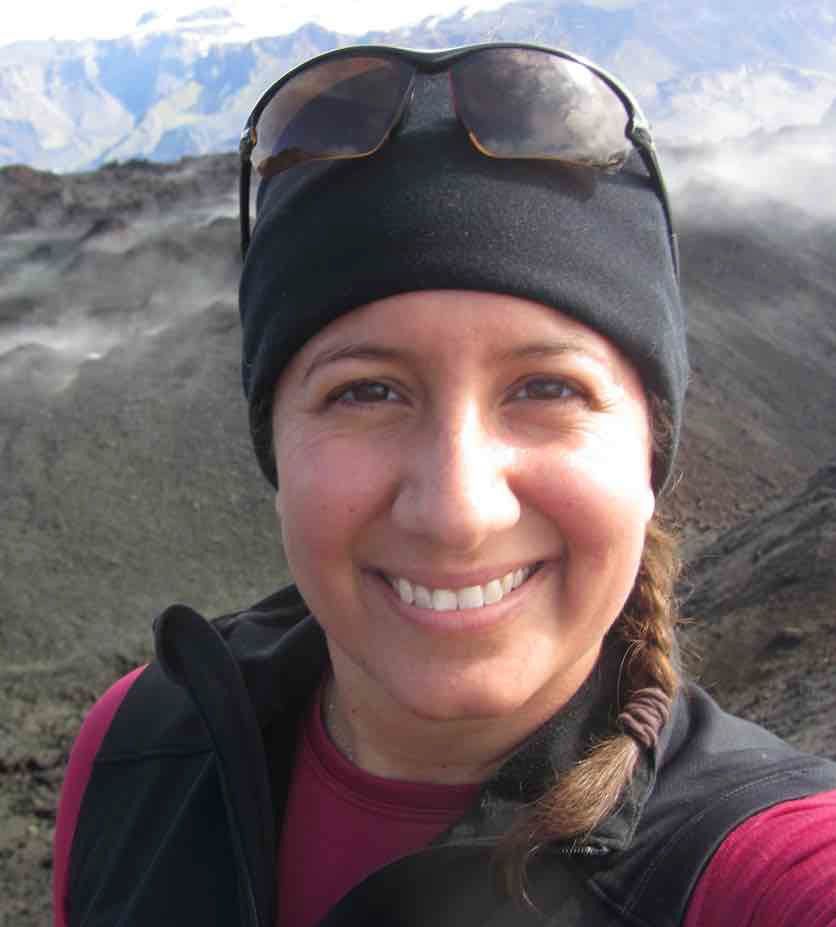
Alexandra Pontefract, Ph.D.
Johns Hopkins University Applied Physics Laboratory
Michael Tuite, Ph.D.
Michael Tuite is an astrobiologist with Blue Marble Space Institute of Science. He is currently the PI of a ROSES Exobiology award investigating the preservation of biosignatures in sulfates. Until last year, he directed a laboratory at JPL focused on Mars Sample Return and was active in Perseverance rover operations and data management. At BMSIS, he leads the Open Science Action Group, which focuses on the application of Open Science and data management practices specifically in astrobiology. As Research Manager of the Astrobiogeochemistry Laboratory at JPL, he oversaw a diverse biosignatures laboratory facility that included sample preparation for stable isotope and organic geochemical analyses, mass spectrometry, elemental analysis, gas chromatography, light microscopy, scanning electron microscopy, and EDS. Research there focused on developing methods for returned sample analysis, biogeochemistry of ancient and modern Mars-analog environments, and Earth/life system history. Beyond the laboratory, he is familiar with in situ astrobiology instrument development. He participated in the planning and assembly phases of the SHERLOC Raman and fluorescence instrument that is deployed on the Perseverance rover.
In 1996, he founded the Digital Media Lab at the University of Virginia Library. For a decade, he worked with faculty and students across a wide array of disciplines to develop digital resources for research and teaching. He served on multiple committees organized by the Digital Library Federation to develop metadata standards for various media types. Having completed his PhD in Environmental Sciences in 2012, he brought his extensive background in matters digital to his new career in astrobiology when he arrived at JPL in 2013. In 2018, he was appointed to the post of Science Information Manager for the Mars 2020 Perseverance Rover mission. In this position, he was responsible for managing sampling-related data generated by the Perseverance rover as it collected rock and regolith samples for eventual return to Earth. In this capacity, he worked with engineers, programers, archivists, and other scientists to ensure that there was a comprehensive record for each sample and that all data met Planetary Data System requirements. At JPL, he created and managed the nascent MARSnet program, which sought to prepare the analytical community for Mars sample return through the collection of high-fidelity Mars analogues and distributed analysis in leading laboratories around the world. He also created and maintained the Mars Analogue Digital Library, a standards-based, web accessible catalog of all abcLab samples and related data. He created and supported the development of a web-based data collection of analog sample spectra produced by SHERLOC team members as a resource for interpreting data from Mars.
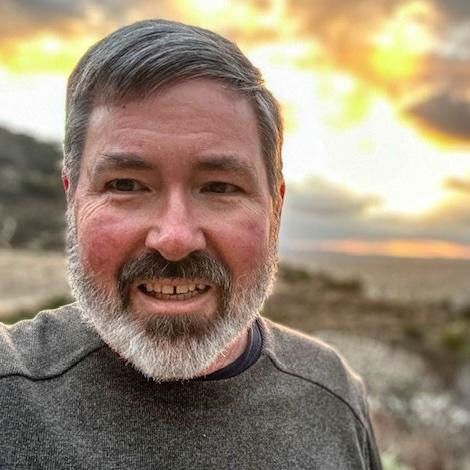
Michael Tuite, Ph.D.
Blue Marble Space Institute of Science
Focus Area 8: Workforce and Early Career Support
Christina “Chrissy” Richey, Ph.D.
Dr. Christina Richey is the Director for Partnerships and Business Development at The SETI Institute in Mt. View, CA. Chrissy focuses on partnerships and large-scale funding initiatives by cultivating relationships with government agencies, private industry, and private foundations to diversify and grow institutional revenue streams. In addition to partnership development, Chrissy serves as the strategic lead for SSAIL, helping expand the program’s reach, visibility, and long-term sustainability. As PI of a NASA SMD award, Dr. Richey also provides guidance on the proposal process, and trains researchers within the community on best practices for proposal submission and review. In addition to their scientific management activities, Dr. Richey is an award-winning advocate for inclusivity in the workplace.

Christina “Chrissy” Richey, Ph.D.
SETI Institute
Melissa Kirven-Brooks, Ph.D.
Dr. Melissa Kirven-Brooks is a senior leader and scientist at NASA Ames Research Center, where she serves as the Deputy Branch Chief of the Exobiology Branch. She earned her Sc.B. from Brown University and her Ph.D. from the Massachusetts Institute of Technology (MIT), where she established her research background in cell biology and gravitational space biology, focusing on understanding biological adaptation to space environments.
As the Future Workforce Lead for the NASA Astrobiology Program, her portfolio includes strategic oversight of critical talent pipelines and institutional engagement tools, such as the NASA Postdoctoral Program (NPP), FINESST fellowships, the Lewis and Clark Fund, and the MSI Exchange, as well as travel grant support for AbGradCon and AbSciCon. Her leadership ensures the long-term growth of the field by providing researchers with the technical training, field opportunities, and professional networking necessary to excel in astrobiology.
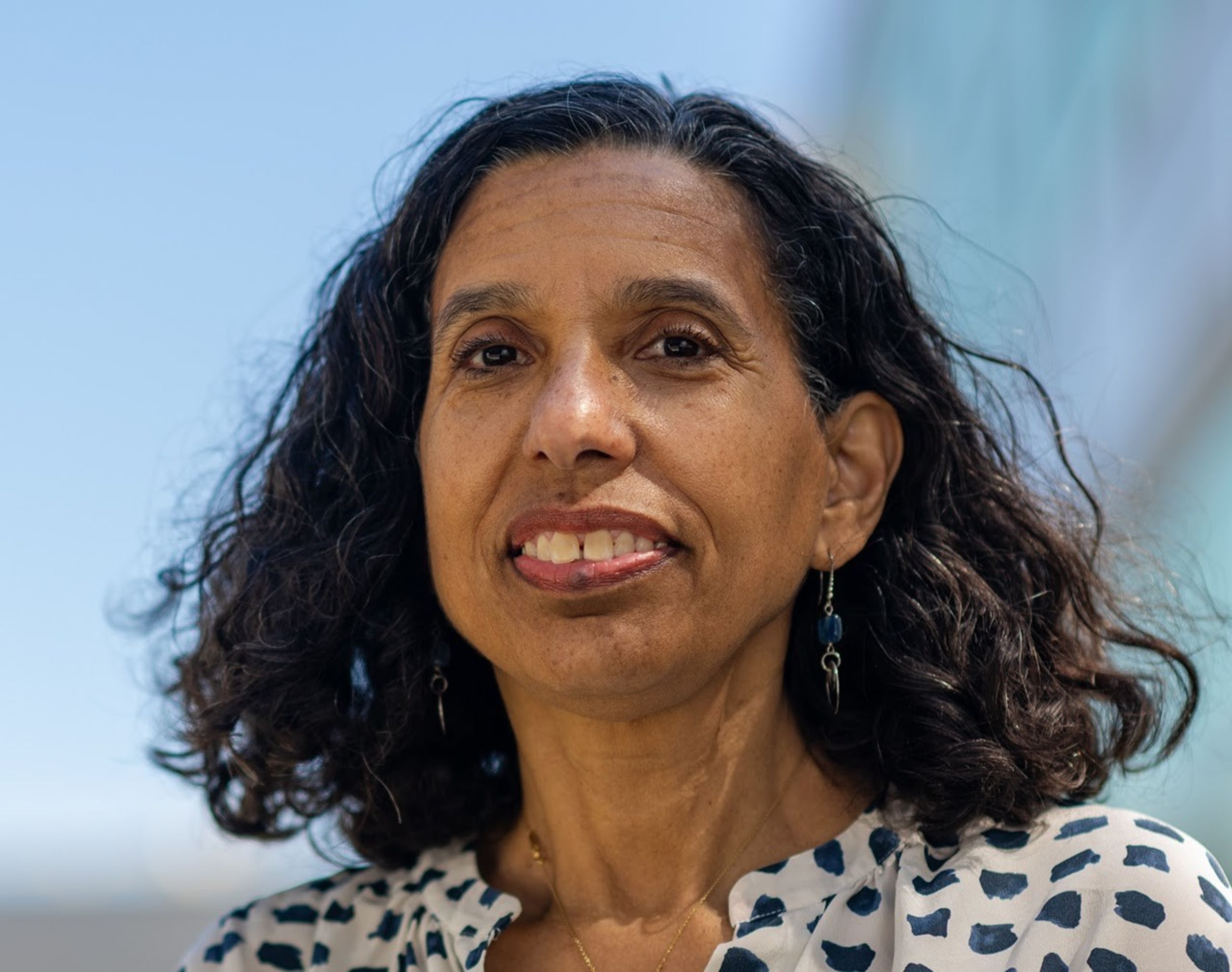
Melissa Kirven-Brooks, Ph.D.
NASA Ames Research Center
Catherine Fontana
Catherine Fontana is a geobiology PhD candidate at University of Colorado-Boulder in the Department of Geological Sciences. Her research on cyanobacterial biofilms aims to enhance our understanding of the links between microbial physiology, mineral precipitation, and stromatolite formation using stable isotope geochemistry and experimental evolution. Prior to her PhD training at CU-Boulder, Catherine was a research scientist in the Department of Environmental Science at the University of Arizona and a science communicator at BioScience Communications and NYU Langone Health in New York City. Catherine holds a M.Sc. in Environmental Science from Trinity College Dublin (Ireland) and a B.A. in Biology and English from Albion College (Michigan).

Catherine Fontana
University of Colorado Boulder
James Roberts, Ph.D.
James has a Ph.D. in Astrophysical, Planetary, and Atmospheric Sciences from the University of Colorado at Boulder. He followed that up with a postdoc at UC Santa Cruz, and is now a staff scientist at the Johns Hopkins Applied Physics Laboratory. James’s scientific work has focused on computational geodynamics and terrain modeling of rocky planets, icy moons, and asteroids in order to understand the thermal evolution of those worlds. He has been fortunate to be involved in multiple uncrewed missions of planetary exploration, including New Horizons, OSIRIS-REx / APEX, Europa Clipper, and Dragonfly. James is strongly interested in creating a culture of belonging in planetary science and serves as chair of the Professional Culture and Climate Subcommittee of the AAS Division for Planetary Sciences.

James Roberts, Ph.D.
Johns Hopkins University Applied Physics Laboratory
Julie C. Castillo-Rogez, Ph.D.
Julie Castillo-Rogez is a senior research scientist at the Jet Propulsion Laboratory. She specializes in modeling the feedbacks between geochemistry and geophysics during the evolution of past and present ocean worlds like Ceres and icy moons (Europa, Enceladus, Triton, Uranian moons). This research brings geophysical context to habitability studies and allows quantifying habitability through time. Castillo-Rogez has extensive experience in the formulation of scientific investigations and science traceability for instrument and planetary mission proposals applied to bodies across the solar system. This experience is anchored in diverse mission experience, including in leadership roles (Dawn project scientist). She has also been involved in the development of new technologies intended to enable smallsat missions for decadal and exploration science. Castillo-Rogez has been an advocate for increasing research and analysis funding, improving the life of scientists, and promoting early career scientist involvement in flight projects. Her favorite hobby is to walk her tiny pups with her husband.

Julie C. Castillo-Rogez, Ph.D.
NASA Jet Propulsion Laboratory/Caltech
Nicolle Zellner, Ph.D.
Dr. Nicolle Zellner is a professor of physics and the Dow Endowed Chair in the Sciences at Albion College, a liberal arts college in Michigan. She teaches introductory and advanced astronomy and physics courses and has mentored dozens of student research partners. She has also served as a NASA Program Scientist in the Planetary Science Division at NASA Headquarters and chair of numerous community committees and program reviews. Supported by the NSF and NASA, Dr. Zellner’s research interests focus on understanding the impact history of the Earth-Moon system and how those impacts affected the conditions for life on Earth. She studies lunar impact glasses to interpret the bombardment history of the Moon (and Earth), and a second project focuses on understanding how the chemistry of simple molecules is affected by impacts. To support her research and classroom activities, she has participated in expeditions to Antarctica and Chile. In 2021, Dr. Zellner received the Carl Sagan Medal for Public Communication and she is a Fellow of the American Association for the Advancement of Science, one of the highest honors in science. She has been Teacher of the Year and Scholar of the Year at Albion College. As a woman in science, she advocates for those approaches and practices that support workforce development in the science, technology, engineering, and mathematics (STEM) fields.

Nicolle Zellner, Ph.D.
Albion College
William “Billy” Brazelton, Ph.D.
William (Billy) Brazelton is a Research Associate Professor at the University of Utah and a Research Investigator with the Blue Marble Space Institute of Science. He is a microbiologist, oceanographer, and astrobiologist who explores microbial life in subsurface habitats with an interdisciplinary approach that includes field expeditions, metagenomic analyses, physiological experiments, and collaborations with a broad range of scientists and engineers. He has participated in multiple deep-sea expeditions to the Atlantis Massif and the Lost City hydrothermal field with remote-operated vehicles (ROVs) as well as seafloor drilling platforms. He has a long history with the astrobiology community as a graduate of the University of Washington Astrobiology Program, a NASA Astrobiology Postdoctoral Fellow, a participant in many AbSciCons and AbGradCons, and a mentor to graduate students who hosted AbGradCon 2019. He values interdisciplinary collaboration and the development of new generations of astrobiologists.
Focus Area 4 Secondary Member
William “Billy” Brazelton, Ph.D.
University of Utah | Blue Marble Space Institute of Science
Focus Area 9: Astrobiology in Society
Sara Yeo, Ph.D.
Sara K. Yeo (Ph.D., University of Wisconsin-Madison) is a Professor and Associate Chair in the Department of Communication, Director of the STEM Ambassador Program (STEMAP) at the University of Utah. Her recent research interests include tactics for strategic communication in the context of science (e.g., humor, curiosity), expanding audiences for science, and open science in communication. Her work has been published in journals such as the Proceedings of the National Academy of Sciences, Public Understanding of Science, Risk Analysis, Energy Policy, Journalism and Mass Communication Quarterly, and Materials Today. Originally from Malaysia, Dr. Yeo is trained as a bench and field scientist and holds a M.S. in Oceanography from the University of Hawai'i at Manoa. Her training in ecology and the life sciences has informed her research program at the intersection of science, media, and politics.

Sara Yeo, Ph.D.
University of Utah
Becky McCauley Rench, Ph.D.
Rebecca (Becky) McCauley Rench is the Lead Scientist for Astrobiology at NASA Headquarters and Program Scientist for the Interdisciplinary Consortia for Astrobiology Research (ICAR) and the New Horizons mission. She has previously managed programs such as Habitable Worlds, PSTAR, and Mars Science Laboratory (Curiosity), and contributed to initiatives like the Planetary Data System and the 2024 Mars Future Plan. Becky also served as a Policy Analyst on NASA’s Science Mission Directorate Policy Team, supporting strategic planning, Congressional reporting, and partnership development during an Intergovernmental Personnel Act assignment from the Potomac Institute for Policy Studies.
Becky earned dual bachelor’s degrees in biology and chemistry from West Virginia University and a doctorate from Pennsylvania State University, focusing on microbial communities in low-energy cave environments. A Truman Scholar and former AmeriCorps member, she has built a career at the intersection of science and public service. Outside of work, Becky enjoys board games, puzzles, and hosting social gatherings. As a first-generation college graduate from Appalachia, she advocates for breaking down barriers to education and opportunity while balancing her roles as a partner and parent to three children.

Becky McCauley Rench, Ph.D.
NASA Headquarters
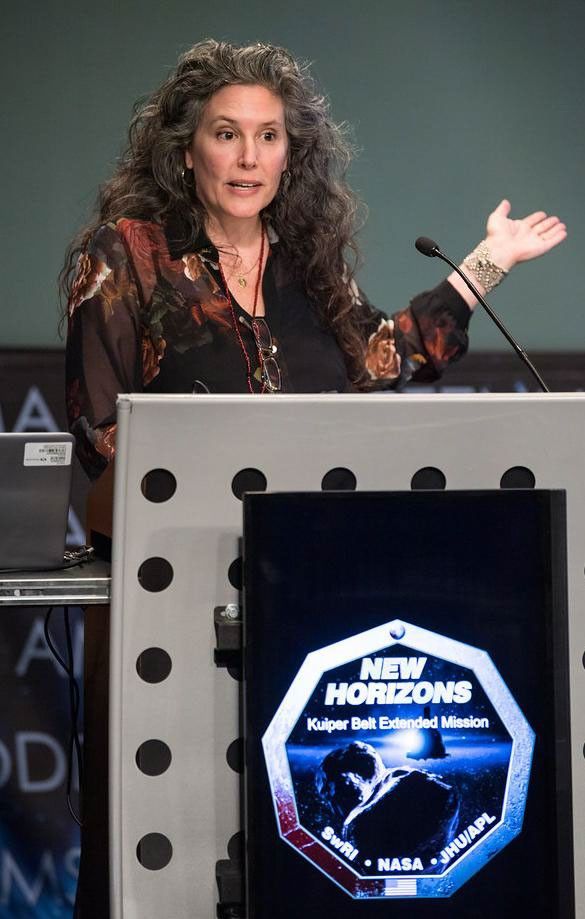
Daniella Scalice
Daniella Scalice is the Education and Communications Lead for the NASA Astrobiology Program. Ms. Scalice holds a Bachelor of Science in Molecular, Cell, and Developmental Biology from UC Santa Cruz and worked in the Department of Cell Biology at Harvard Medical School researching nervous system development. After pursuing an MFA in film production at Humboldt State University, in 2001 she joined the team at the NASA Astrobiology Program.
In 2005, she and her Diné colleagues co-founded the NASA and the Navajo Nation Partnership, an ongoing collaboration that has produced classroom materials, teacher trainings, and student summer camps which weave together Western and Navajo scientific knowledge. Daniella also currently leads the Astrobiology for the Incarcerated program and an international Working Group of Native and non-Native scientists and educators across NASA and beyond who work in Native communities. She has led a science communication training program for early career scientists called FameLab, and co-developed an Impact Assessment Method that facilitates the assessment of participant impact of educational programs. In 2025, Daniella was honored by the American Geophysical Union with the Excellence in Earth and Space Science Award.
Daniella Scalice
NASA Ames Research Center
Dani Buchheister
Dani Buchheister is a Ph.D. Candidate in Geosciences and Astrobiology at Pennsylvania State University. Her research focuses on the geomicrobiology of pyrite formation and microbial persistence in sulfidic cave lakes in central Italy. Holding a B.S.B.A in Management, a B.S. in Psychology, and a B.S. in Ecology & Evolutionary Biology, Dani’s path to astrobiology has been nontraditional. This is reflected in her special interest in the intersection of science and humanities and has manifested in her work with Science Policy Society at Penn State and Penn State’s Astrobiology Hour. In her free time, Dani enjoys reading science fiction, knitting, roller skating, lindy hopping, and singing karaoke.

Dani Buchheister
Penn State University
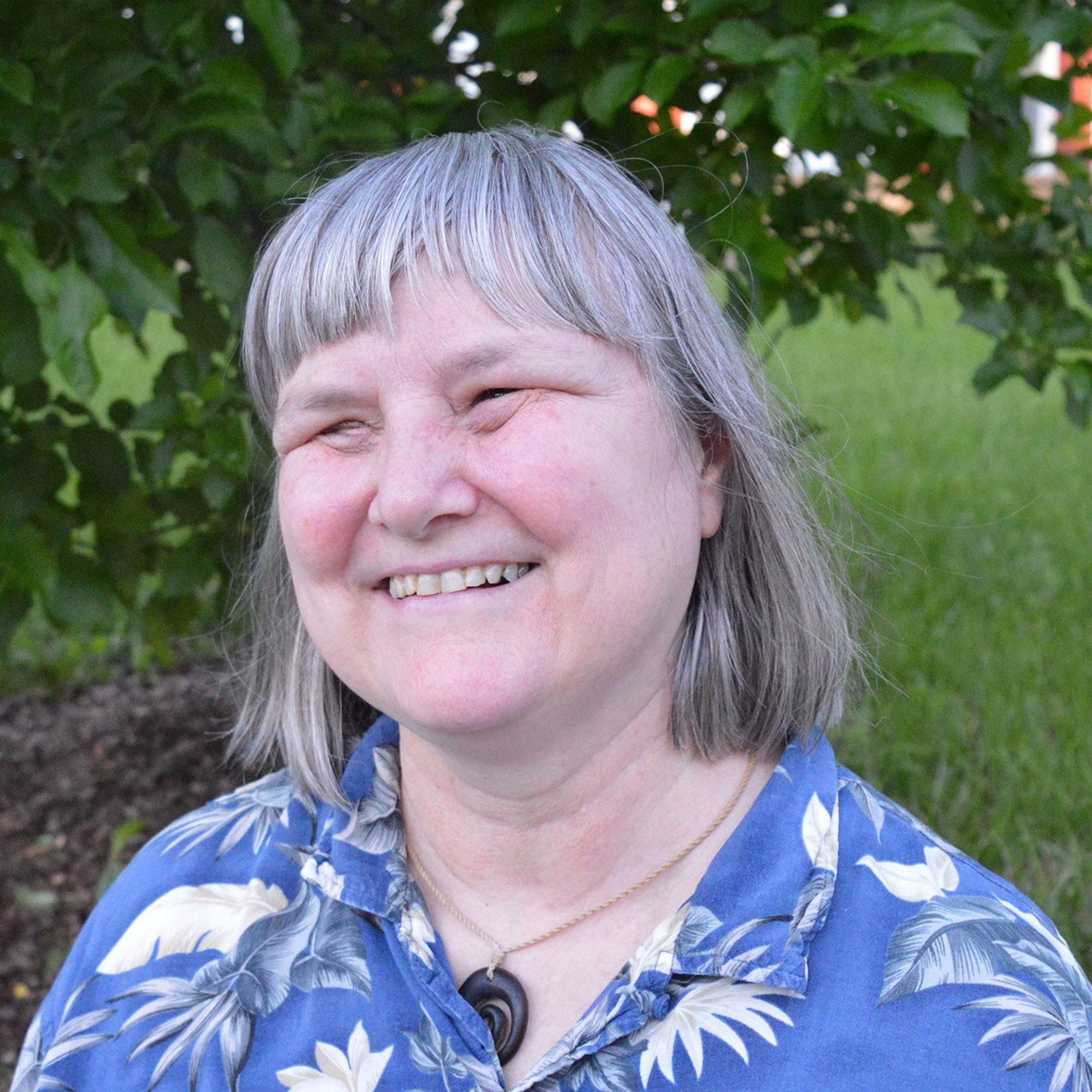
Sheri Wells-Jensen, Ph.D.
Dr. Sheri Wells-Jensen is a professor of linguistics at Bowling Green State University in Bowling Green, Ohio. Her research interests are in disability and space flight, access to STEM fields for disabled students, first contact, and xenolinguistics. She was an analog astronaut and has conducted research aboard two zero G parabolic flights. In 2023, she served as the NASA/Library of Congress Blumberg chair in Astrobiology.
Sheri Wells-Jensen, Ph.D.
Bowling Green State University
Andrea Schwarz, Ph.D.
Andreas Schwarz (Ph.D., Ilmenau University of Technology) is a senior researcher in risk and crisis communication at Ilmenau University of Technology in Germany. He is head of the International Risk, Crisis, and Science Communication Research Group (iRisCS-Com) and was founding chair of the Crisis Communication Section of the European Communication Research and Education Association (ECREA), 2011–2018. Schwarz is co-editor of the Handbook of International Crisis and Risk Communication Research (2016/2025). His research was published, for example, in Risk Analysis, Science Communication, the Journal of Risk Research, the International Journal of Disaster Risk Reduction, the Proceedings of the International Astronomical Union, and the Journal of Contingencies and Crisis Management. He conducts trainings and consults on risk and crisis communication for practitioners in government agencies, nonprofit organizations, and companies.

Andrea Schwarz, Ph.D.
Ilmenau University of Technology
Danilo Albergaria, Ph.D.
Danilo Albergaria (Ph.D., State University of Campinas, Brazil) is a project scientist in the Department of Science Communication and Society at Leiden University (the Netherlands), a science journalist and postdoctoral researcher at the Laboratory of Astrobiology (AstroLab) of the University of São Paulo (Brazil). As a researcher in Leiden, he leaned on the communication of astrobiology and published a study on speculations and promises about the search for life elsewhere circulating in the public sphere. With a background in history, his interests include the history of astrobiology and representations of extraterrestrial life. His PhD thesis in the philosophy of science was published in 2023 as a book (in Portuguese) titled So Many Suns, So Many Worlds, So Many Hypotheses. This work focuses on the history of planetary formation concepts in the last two centuries, a theme of unique repercussions for speculative reasoning related to life beyond Earth.

Danilo Albergaria, Ph.D.
Leiden University | University of São Paulo
Ad Hoc Members
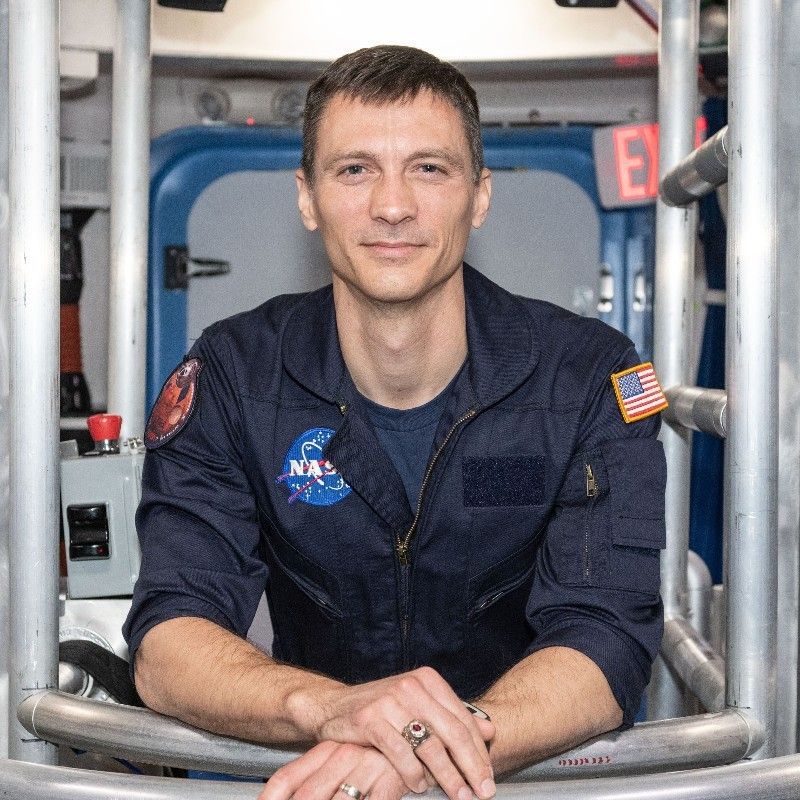
Jared Broddrick, Ph.D.
Dr. Broddrick is a systems biologist in the Space Biosciences Research Branch at NASA Ames Research Center. His research efforts combine omics datasets and mathematical models to derive a mechanistic understanding of microbial physiology in the space environment. Understanding how the spaceflight environment constrains microbial networks is relevant to outstanding questions in the areas of human health in the exploration of space (e.g. microbiome, bacterial pathogenicity, etc.), bioengineering solutions to long-duration spaceflight, and the adaptation of microbial organisms to spacecraft environments.
Dr. Broddrick is currently supporting several research investigations in the fields of space biology, astrobiology and planetary protection. He also serves as the Microbiology Discipline Scientist for the Space Biology Program.
Jared Broddrick, Ph.D.
NASA Ames Research Center
Thank You
The NASA Astrobiology Program thanks all who applied to serve on Task Force 2 and the members who have committed their time to serve. The strong response to the call reflects a vibrant and engaged astrobiology community, whose continued participation will be essential as the NASA-DARES process moves forward.
| Becky McCauley Rench, Ph.D. Lead Scientist for Astrobiology Astrobiology Program, Planetary Sciences Division Mary W. Jackson NASA Headquarters | Hannah Jang-Condell, Ph.D. Associate Lead for Astrobiology, JWST Program Scientist Astrobiology Program, Astrophysics Division Mary W. Jackson NASA Headquarters | Rachel L. Harris, Ph.D. NASA Postdoctoral Program Fellow Astrobiology Program, Planetary Sciences Division Mary W. Jackson NASA Headquarters |
Please email questions concerning NASA-DARES to hq-rfiastrobio@mail.nasa.gov to reach thePOCs.