













Suggested Searches

This content has been archived.

CYGNSS (Cyclone Global Navigation Satellite System)

Viewing Posts from December 2016

View All Posts

    Flight Termination System on Internal Power
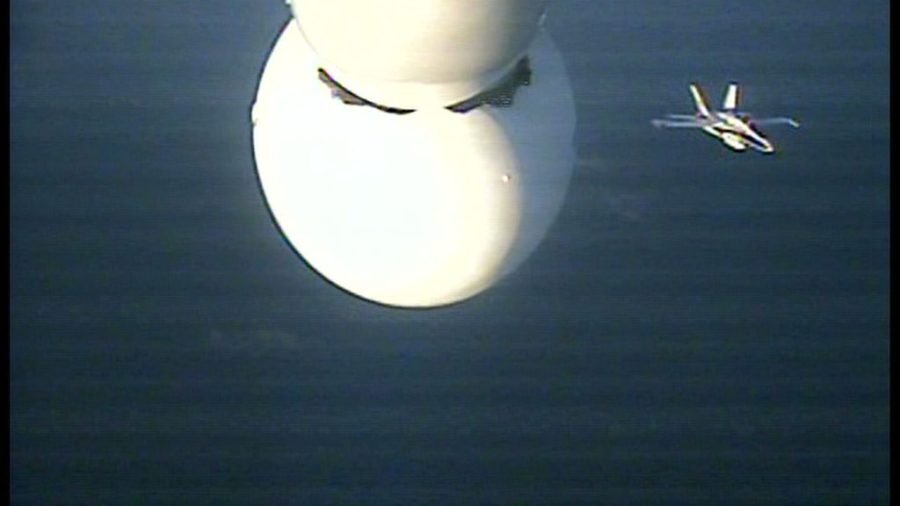
    The chase plane is visible below the Pegasus XL rocket in this image from a camera mounted to the underside of the L-1011.

    The rocket's flight termination system has been transferred to internal power and verified to be working properly. This system would be used by the Eastern Range to end the flight if the rocket were to go off course.

    Read Full Post

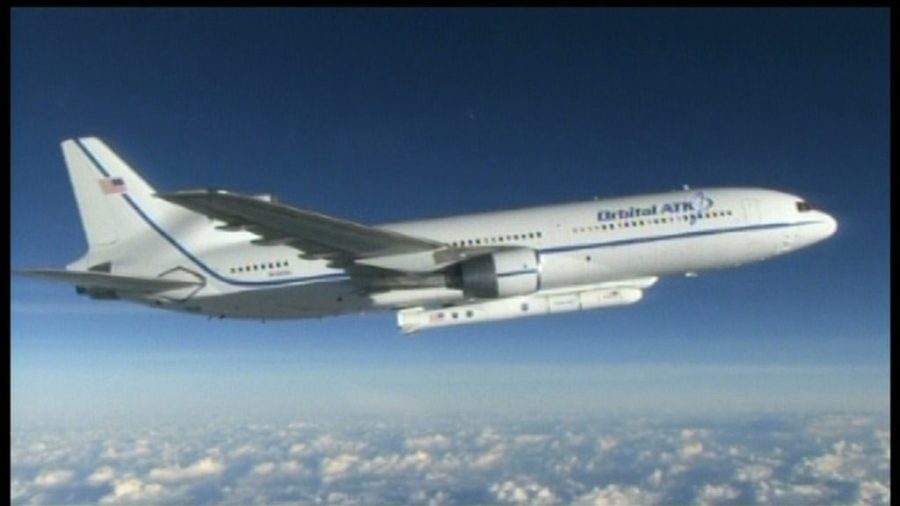
    L-1011 Reaches Deployment Altitude

    The Stargazer L-1011 aircraft, with the Pegasus XL rocket clearly visible on its underside, cruises above the clouds.

    The L-1011 pilot has confirmed the aircraft has reached the deployment altitude of 39,000 feet. A recent survey of the Pegasus XL rocket on the belly of the plane, conducted from video filmed from the chase plane, revealed the vehicle to be in good shape.

    Read Full Post

    After the CYGNSS Microsatellites Reach Orbit

    Once CYGNSS reaches space today, the mission won't begin right away. The microsatellites' arrival in orbit kicks off a commissioning phase that could take up to two months. That time will be spent checking out each microsatellite's subsystems, maneuvering them into their proper positions within the CYGNSS constellation, and ensuring that ground elements and the spacecraft themselves …

    Read Full Post

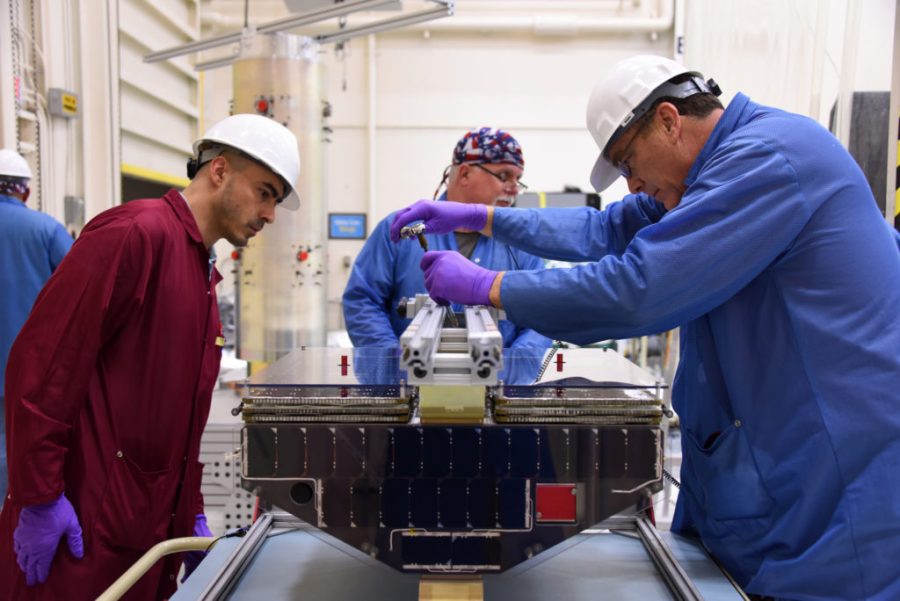
    CYGNSS a Team Effort

    Technicians with Orbital ATK prepare one of the CYGNSS microsatellites for installation on the deployment module at Vandenberg Air Force Base in California in October 2016.

    Teams from a variety of organizations within NASA, academia and industry are responsible for bringing the Cyclone Global Navigation Satellite System mission to fruition. The Space Physics Research Laboratory at the University of Michigan College of Engineering in Ann Arbor leads overall mission execution in partnership with the Southwest Research Institute in San Antonio, Texas. …

    Read Full Post

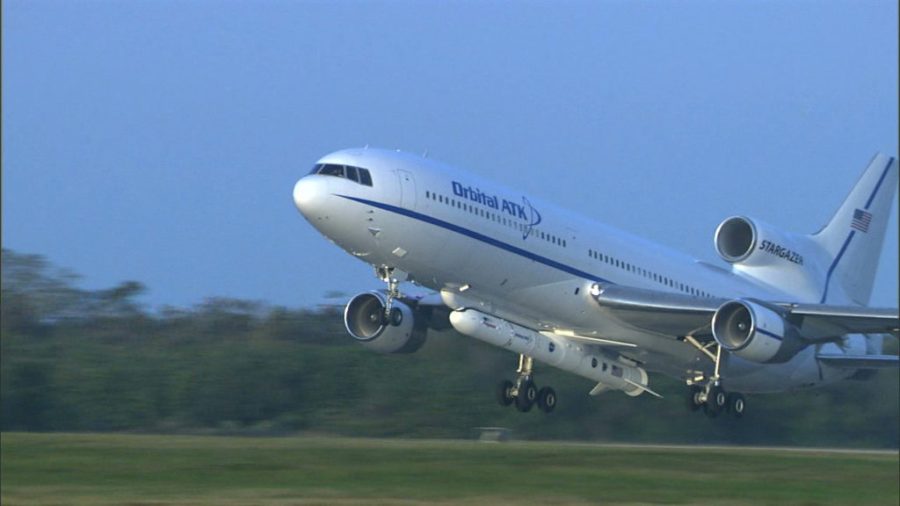
    Climb/Cruise Checklist

    The flight crew aboard the Stargazer is working through its climb/cruise checklist as it sets off toward the proper location and altitude to deploy the Pegasus XL rocket for launch at 8:35 a.m.

    Read Full Post

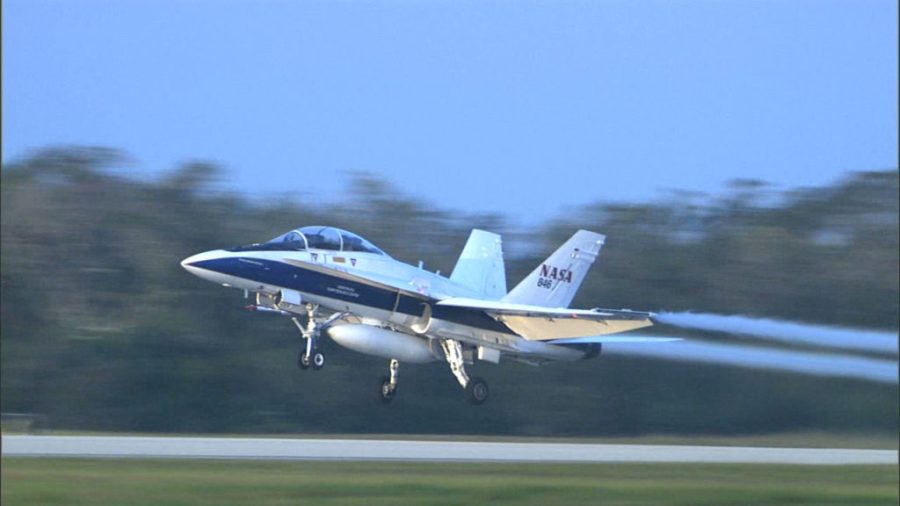
    F-18 Chase Plane Takes Off

    Chase Plane 2

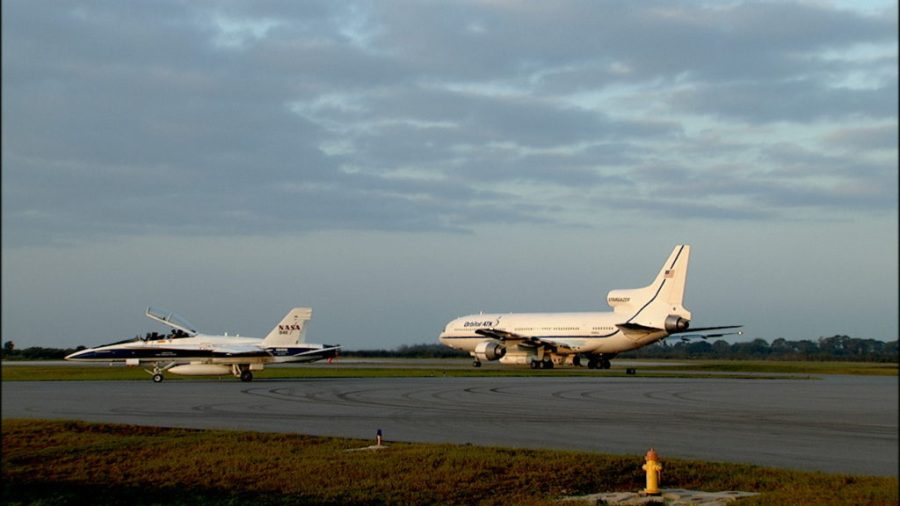
    The NASA F-18 chase plane has taken off from the Skid Strip at Cape Canaveral Air Force Station in Florida. It will be followed a few minutes from now by the Stargazer aircraft carrying the Pegasus XL rocket and, sealed inside the rocket's payload fairing, the CYGNSS payload.

    Read Full Post

    Chase Plane Moving to Runway

    The NASA F-18 clase plane that will provide visual contact and video of the L-1011 and Pegasus XL rocket once they're airborne is taxiing into position for takeoff from the Skid Strip runway at Cape Canaveral Air Force Station in Florida.

    Read Full Post