










Suggested Searches

Europa Clipper

    NASA’s Europa Clipper Observes Comet 3I/ATLAS
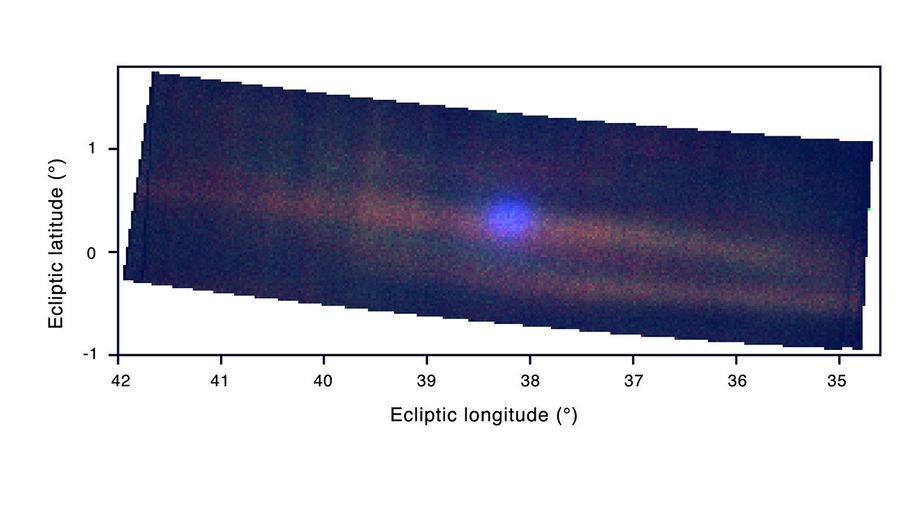
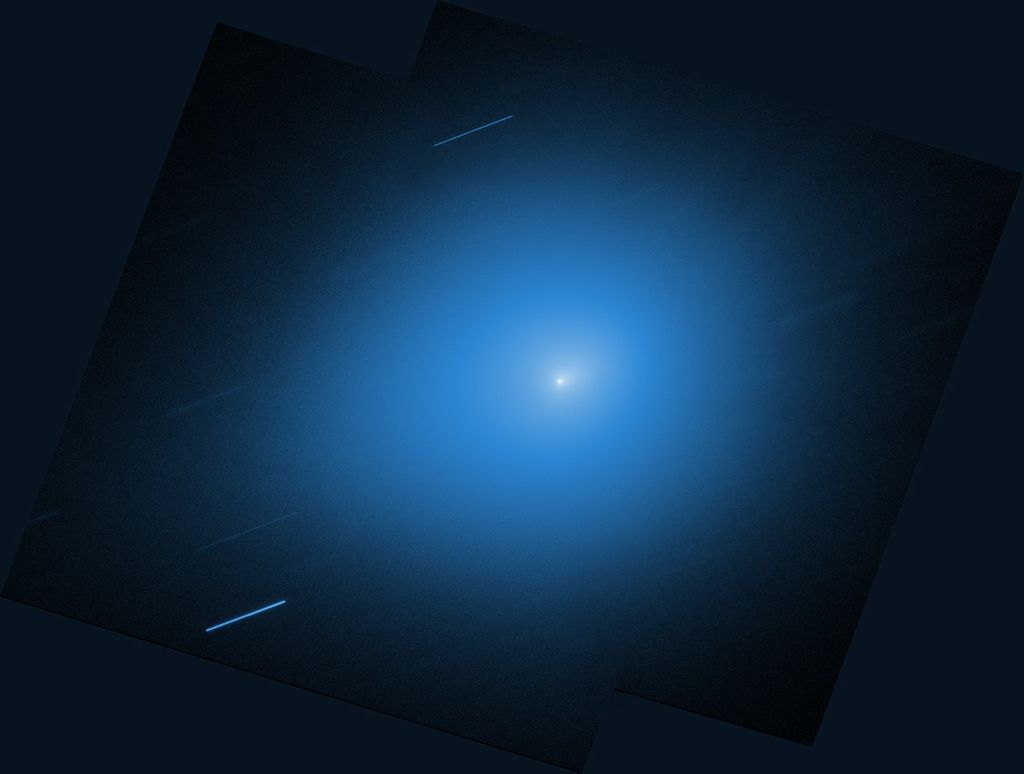
    Interstellar comet 3I/ATLAS is seen in this composite image captured on Nov. 6 by the Europa Ultraviolet Spectrograph instrument on NASA’s Europa Clipper spacecraft, from a distance of around 102 million miles (164 million kilometers).

    NASA’s Europa Clipper mission observed the interstellar comet 3I/ATLAS on Nov. 6 from a distance of about 102 million miles (164 million kilometers). Captured over a period of seven hours, the data gathered by the spacecraft’s Europa Ultraviolet Spectrograph (Europa-UVS) instrument will help scientists determine the composition and distribution of elements in the comet’s coma […]

    Read Full Post

    Solar Arrays on NASA’s Europa Clipper Fully Deployed in Space

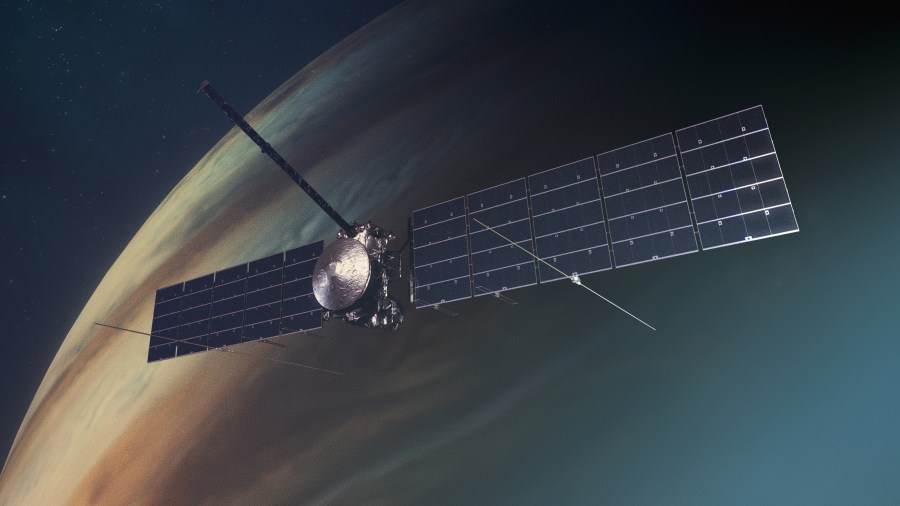
    This artist’s concept depicts NASA’s Europa Clipper spacecraft in orbit around Jupiter.

    Mission controllers at NASA’s Jet Propulsion Laboratory in Southern California have confirmed that the two solar arrays flanking the main body of the Europa Clipper spacecraft have fully unfolded. This means that the spacecraft now has a reliable source of power for the rest of its journey to Jupiter and tour of the Jovian system. …

    Read Full Post

    Signal Acquired – NASA’s Europa Clipper Begins Journey to Jovian System

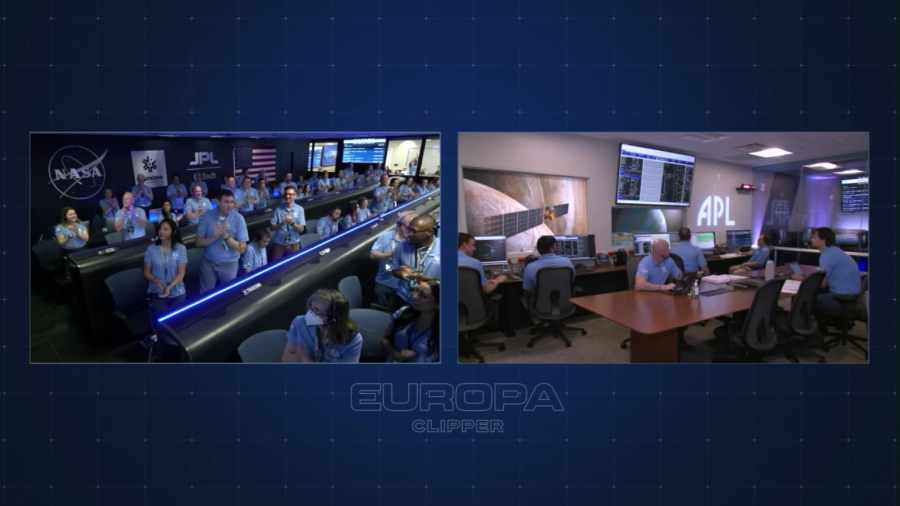
    Mission controllers for NASA’s Europa Clipper have received full acquisition of signal from the spacecraft. NASA’s Europa Clipper will be the first mission to conduct a detailed science investigation of Jupiter’s moon Europa. Scientists believe Europa has a salty ocean beneath its icy crust that potentially could hold the ingredients necessary to sustain life. The …

    Read Full Post

    NASA’s Europa Clipper Spacecraft Separates From Falcon Heavy Second Stage

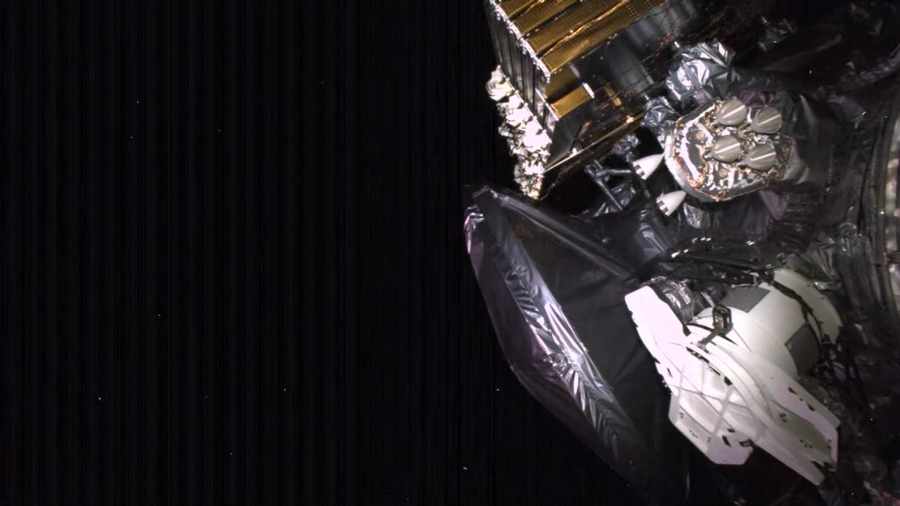
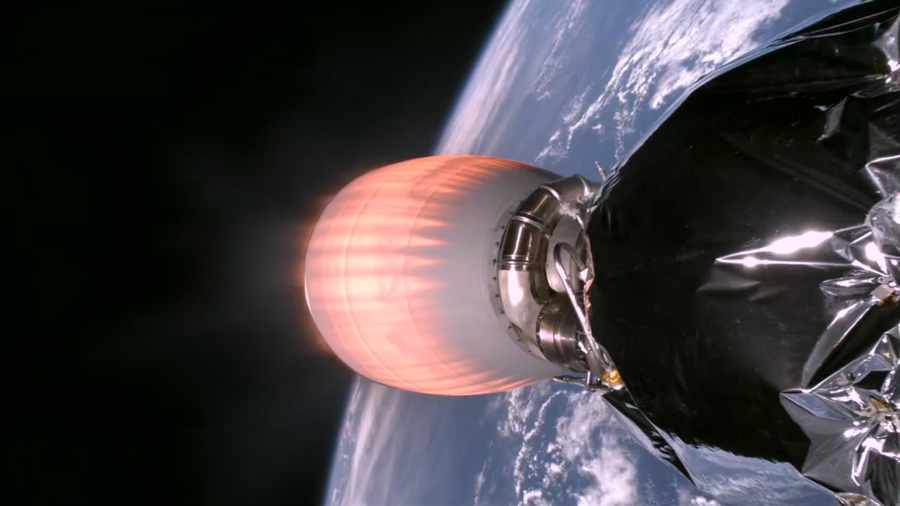
    The second stage of the SpaceX Falcon Heavy completed its Earth departure burn, and NASA’s Europa Clipper spacecraft separated from the second stage. Technicians will now work to acquire signal from the spacecraft to verify its health and the spacecraft will spread its massive solar arrays to power itself as it continues on its mission …

    Read Full Post

    Orbit Departure Burn Coming Up

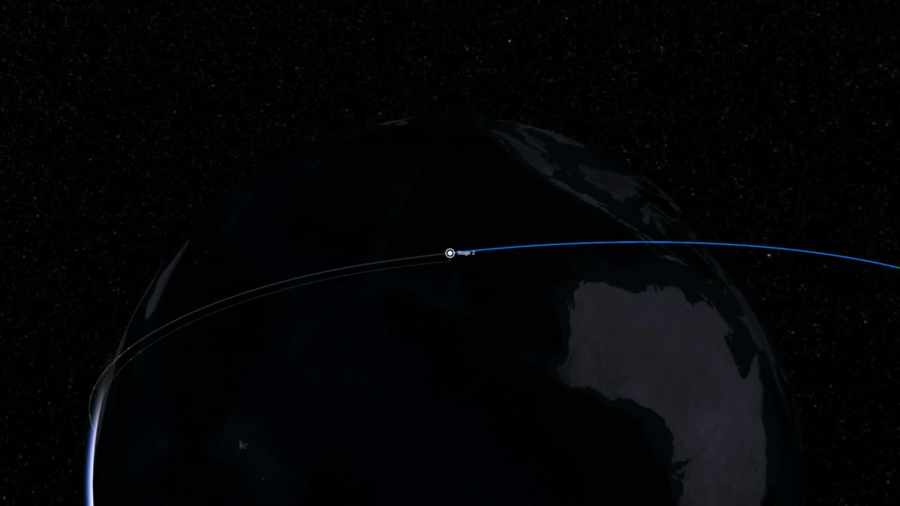
    The orbital departure burn is planned to happen in just about 5 minutes. The second stage engine will restart for its second burn (SES-2) and will continue to burn for approximately 3 minutes. This second burn will give the Europa Clipper spacecraft the thrust it needs escape Earth’s gravity. When the burn is complete, the …

    Read Full Post

    Second Stage Engine Cutoff Reached

    SpaceX's Falcon Heavy second stage engine completes its burn after launch NASA's Europa Clipper spacecraft on Monday, Oct. 14, 2024.

    The initial second stage engine cutoff (SECO-1) is complete. The second stage engine will restart for its second burn (SES-2) in just about 40 minutes. This second burn (SECO-2) will give the Europa Clipper spacecraft the additional thrust needed to escape Earth’s gravity, after which the spacecraft will separate from the second stage. You can …

    Read Full Post

    Rocket Reaches Max Q, Booster Engines Cutoff, First Stage Separation

    A SpaceX Falcon Heavy rocket carrying NASA’s Europa Clipper spacecraft lifts off from Launch Complex 39A at NASA’s Kennedy Space Center in Florida at 12:06 p.m. EDT on Monday, Oct. 14, 2024.

    The Falcon Heavy passed Max Q, or the moment of peak mechanical stress on the rocket, and reached booster engine cutoff (BECO), where both boosters cease firing and separated from the center core. The center booster also completed its burn and separated from the second stage that carries the Europa Clipper spacecraft. After that the …

    Read Full Post

    Liftoff of NASA’s Europa Clipper!

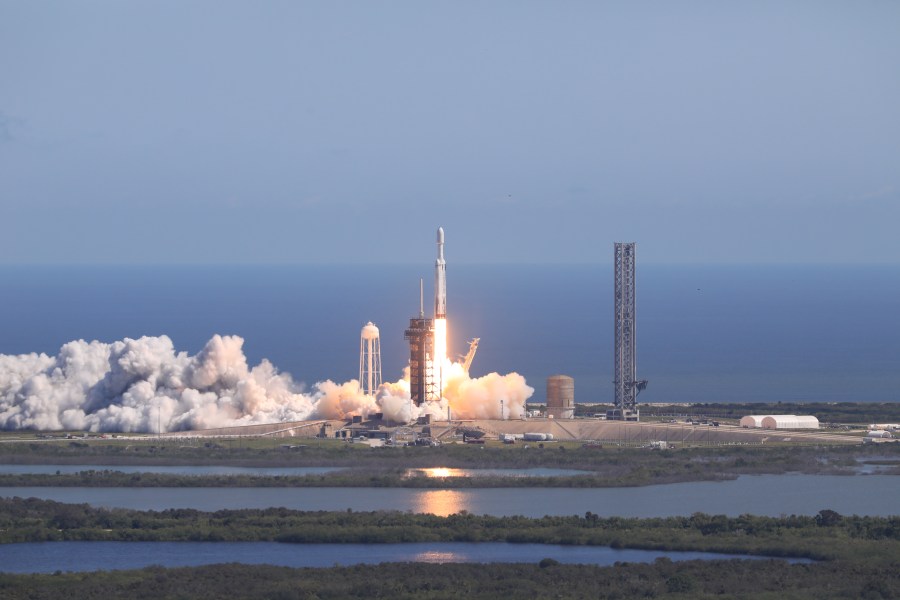
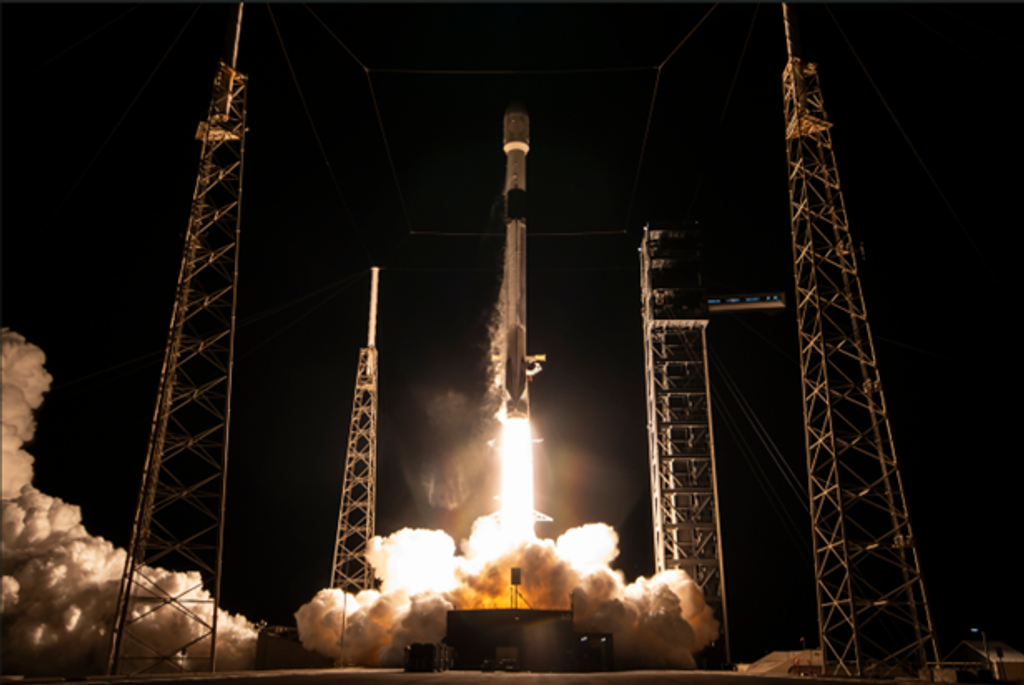
    A SpaceX Falcon Heavy rocket carrying NASA’s Europa Clipper spacecraft lifts off from Launch Complex 39A at NASA’s Kennedy Space Center in Florida at 12:06 p.m. EDT on Monday, Oct. 14, 2024. After launch, the spacecraft plans to fly by Mars in February 2025, then back by Earth in December 2026, using the gravity of each planet to increase its momentum. With help of these “gravity assists,” Europa Clipper will achieve the velocity needed to reach Jupiter in April 2030

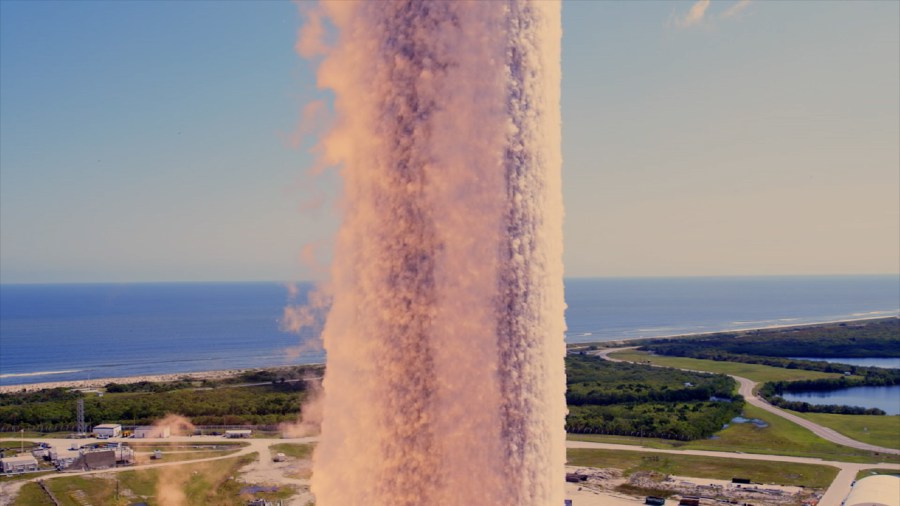
    We have liftoff! NASA’s Europa Clipper spacecraft, launched from Launch Complex 39A at Kennedy Space Center in Florida at 12:06 p.m. EDT. The Falcon Heavy’s 27 Merlin engines are generating more than 5 million pounds of thrust, quickly pushing the vehicle through the atmosphere and away from the Florida spaceport. The Falcon Heavy first stage …

    Read Full Post

    NASA Launch Manager Gives ‘Go’ for Launch

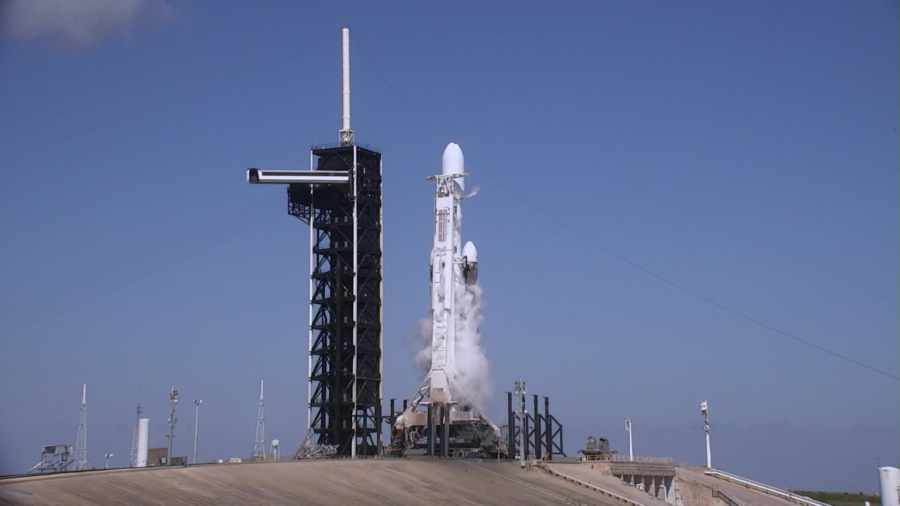
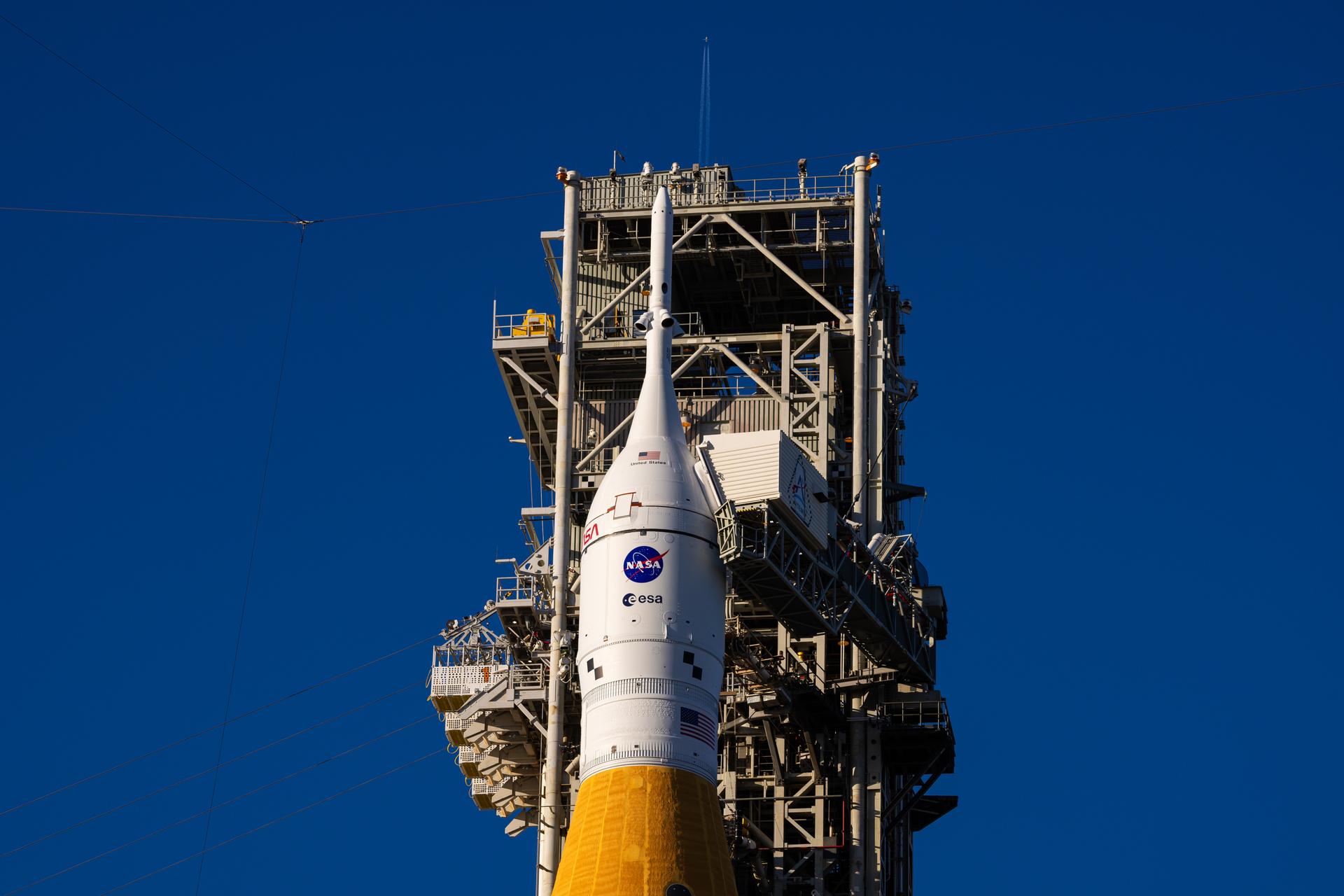
    NASA’s Europa Clipper spacecraft and SpaceX’s Falcon Heavy rocket prepares for launch at Launch Pad 39A on Monday, Oct. 14, 2024, at the agency’s Kennedy Space Center in Florida ahead of launch to Jupiter’s icy moon, Europa.

    NASA Launch Manager Tim Dunn has just given NASA’s Europa Clipper mission a “go” for launch! Mission and launch managers are counting down to the launch of the SpaceX Falcon Heavy rocket from Launch Complex 39A at NASA’s Kennedy Space Center in Florida. This will be NASA’s second interplanetary mission for SpaceX’s Falcon Heavy, following …

    Read Full Post

    Weather Remains Favorable

    NASA’s Europa Clipper spacecraft and SpaceX’s Falcon Heavy rocket stands at Launch Pad 39A on Sunday, Oct. 13, 2024, at the agency’s Kennedy Space Center in Florida ahead of launch to Jupiter’s icy moon, Europa.

    We are about 10 minutes from launch and the weather outlook for NASA’s Europa Clipper launch from Kennedy Space Center in Florida remains outstanding. Weather officials the U.S. Space Force’s 45th Weather Squadron at Cape Canaveral Space Force Station predict a 95% chance of favorable conditions for liftoff of NASA’s Europa Clipper mission.

    Read Full Post