
























NAAMES-II Expedition: May 23, 2016
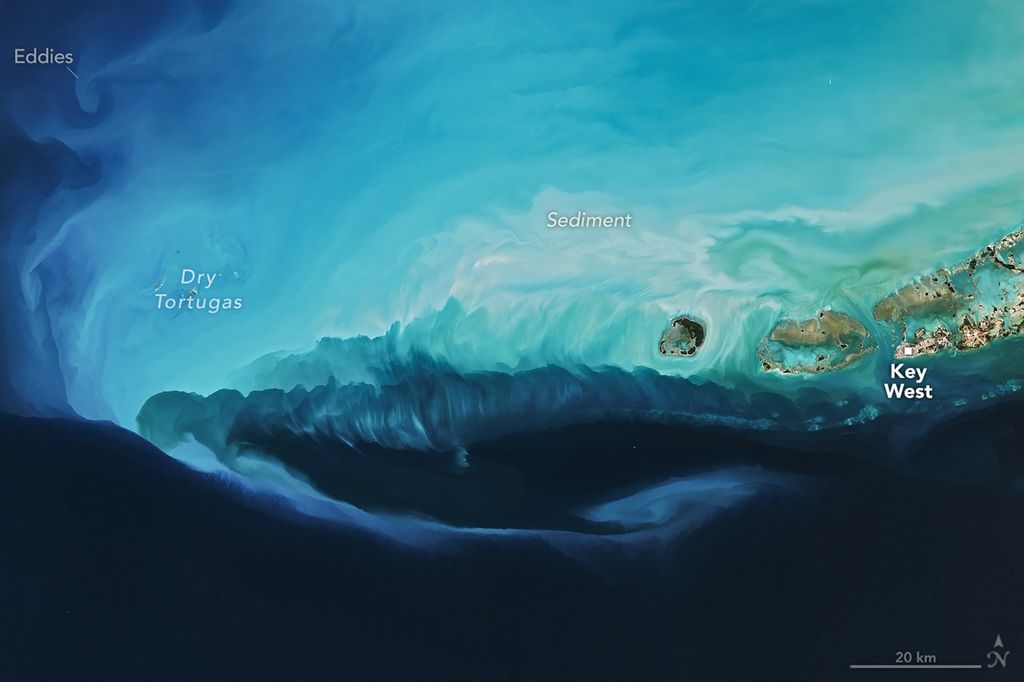
The Ocean. A chemical soup that covers 70% of the Earth’s surface with a total volume that provides approximately 300 times more space for life than that combined by freshwater and land. Tiny microbes…phytoplankton, zooplankton, bacteria, viruses, but also fish and marine mammals live in that mighty ocean, which is tightly coupled to the atmosphere, the land, the seafloor and every single one of us.
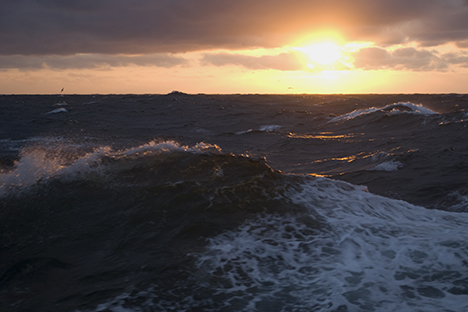
No matter where you come from, the ocean has an influence on you. It is not surprising that in all countries directly connected to the ocean or not, people are interested in understanding this dynamic fluid. And here we are on the 12th day of our cruise, a bunch of international scientists from different countries with the same mission: to understand key processes controlling oceanic system function.
Impressed by the diversity of scientists blended together from different countries, today’s ‘experiment’ was to find out how many languages are spoken on board, including the crew which works hard to assure the success of our sampling objectives. I walked around the R/V Atlantis with a single question in mind: in which language can you say the word ‘ocean’? I found out that there are at least 12 languages spoken on the ship: (in alphabetical order) English, Farsi, French, German, Greek, Hebrew, Hindi, Mandarin, Polish, Portuguese, Spanish, and Telugu. However, we share a common passion for understanding the ocean and science is our common language.
Written by Andreas Oikonomou
