

















Off Uruguay, PACE Partners Connect Data from Satellite and Sea
By Jason Graff, Ph.D., Oregon State University
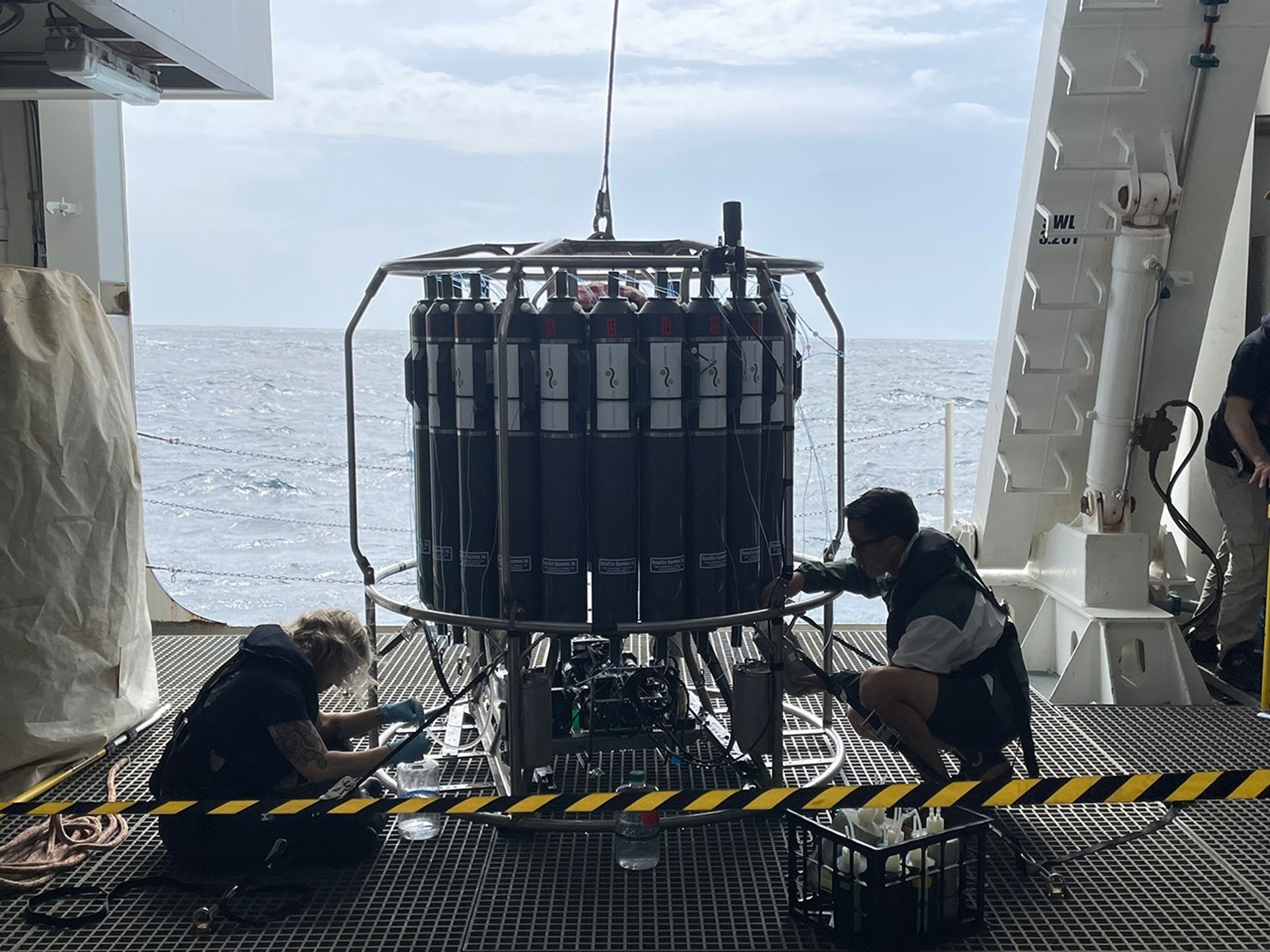
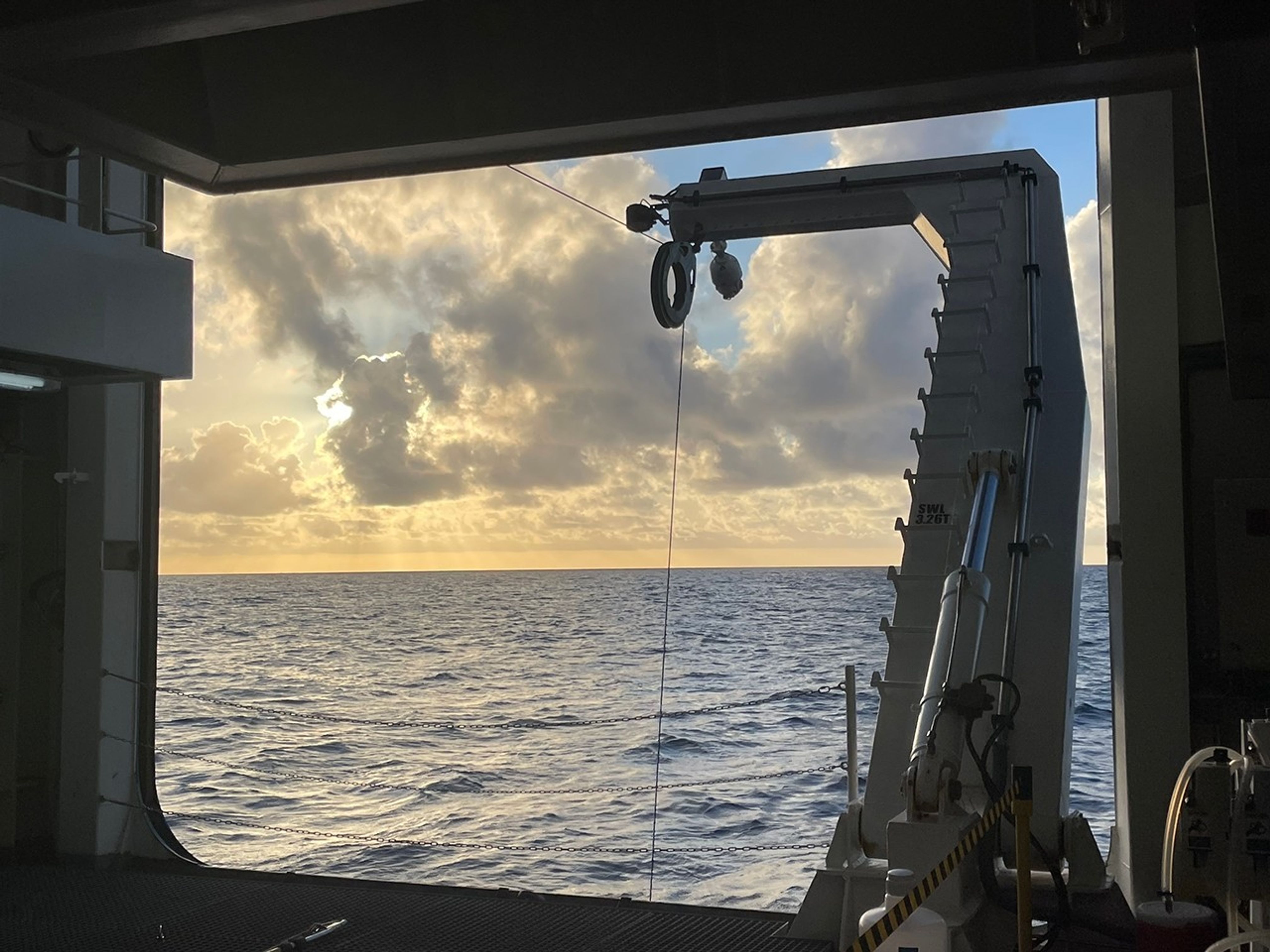
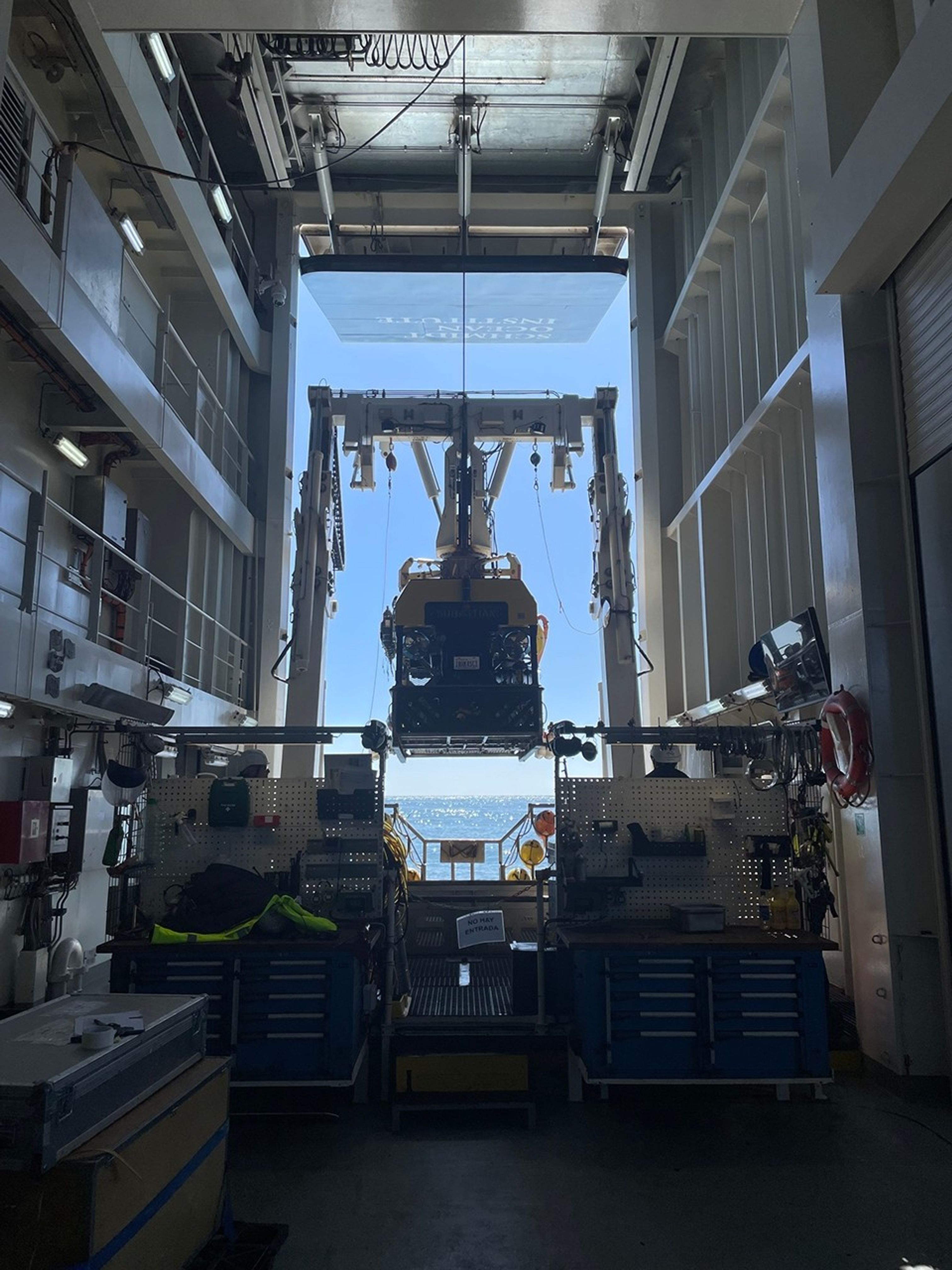
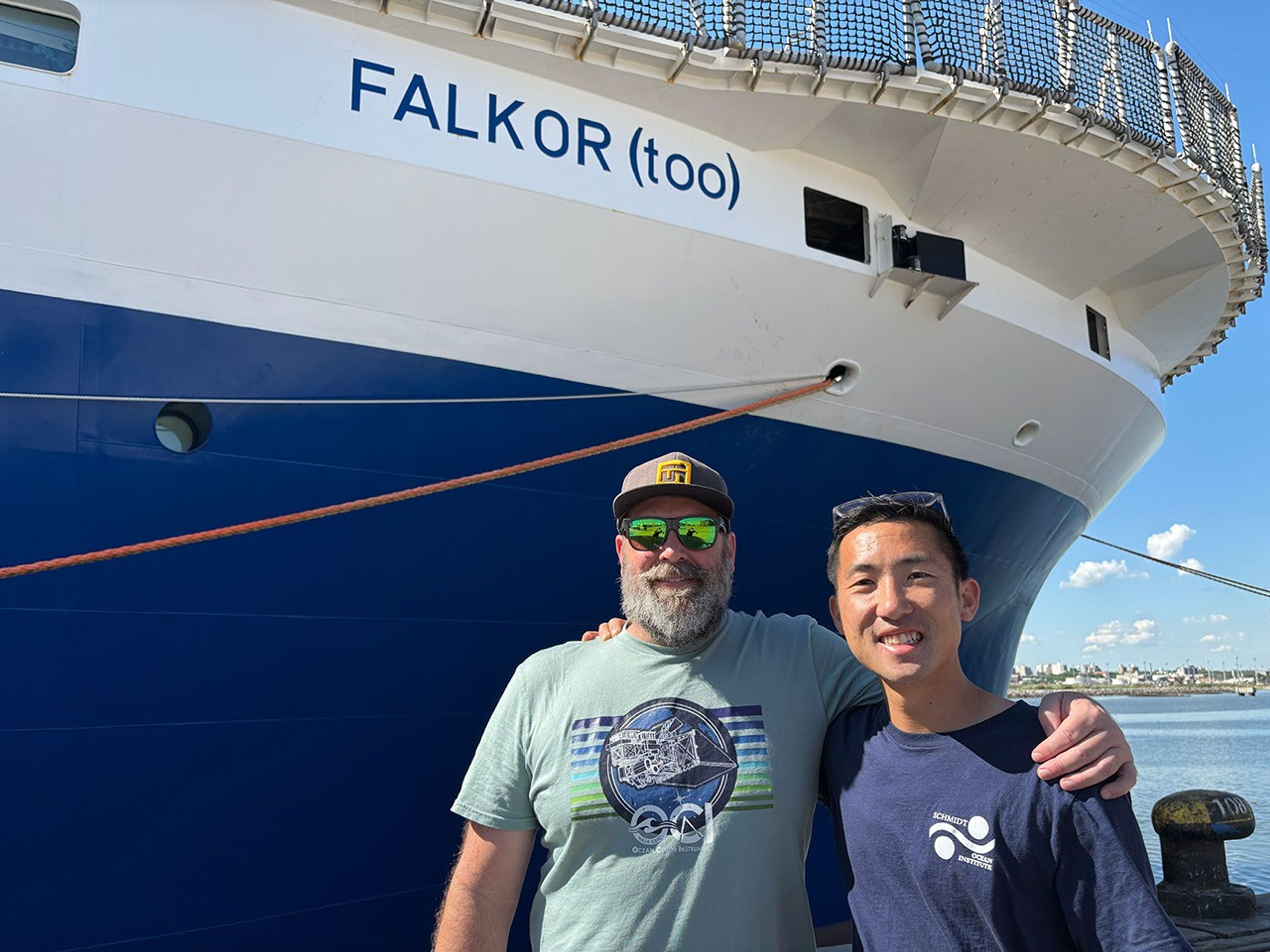
NASA’s Plankton, Aerosol, Cloud, and ocean Ecosystem (PACE) Validation Science Teams (PVST) rely on partnering with existing research expeditions to gather measurements while adding value to these critical partner programs. From mid-November to early December of 2025, we did fieldwork off the coast of Uruguay, aboard the Schmidt Ocean Institute’s ship R/V Falkor (too).
Our PVST team is based at Oregon State University (OSU) as part of the Phytoplankton Ecophysiology Col(lab)oration. Our research focus is particles and biological rates (PVST-PBR). For this expedition, we partnered with the Symbiotic Partners and Asgard Research Cruise (SPARC), a research team studying small microbes, called archaea, which are thought to be the most recent ancestors of eukaryotes, which include all animals, plants, fungi, seaweed, and many one-celled organisms.
The waters and ocean sediments offshore of Uruguay are highly understudied, making it a unique location for a PACE PVST field campaign and an exciting opportunity to work alongside SPARC scientists. My research associate at OSU, Dr. Nicholas (Nick) Baetge, now of the Bermuda Institute of Ocean Sciences, and I, Jason Graff (PVST-PBR principal investigator), were both aboard Falkor (too) to collect PVST measurements and collaborate with SPARC on this exciting expedition.
This parcel of the ocean was chosen due to the operating plans of the Falkor (too) in this region and the known existence of Asgard archaea (the microbes that likely gave rise to human eukaryotic origins). While the SPARC scientists were largely focused on sediment sampling, our team was focused on surface ocean measurements for validating the PACE Ocean Color Instrument’s parameters as it observes and models the ocean from space. For our PVST-PBR team, this meant measuring particulate organic carbon (POC), phytoplankton pigments, and surface ocean optical properties. These measurements of POC and phytoplankton community metrics, while critical for PACE validation efforts, will also serve the SPARC team’s needs to quantify and describe the environment above their study sites.
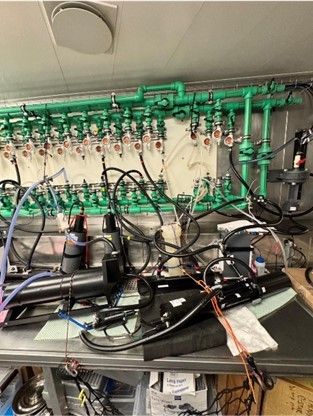
The Falkor (too) has a science laboratory dedicated to using continuous flow-through seawater to collect optical measurements and discrete samples. Measurements of incoming solar irradiance (sunlight going into the ocean) and radiance (light coming out of the ocean) were also collected during the PACE satellite overpasses of this region. Nick spearheaded many of these tasks.
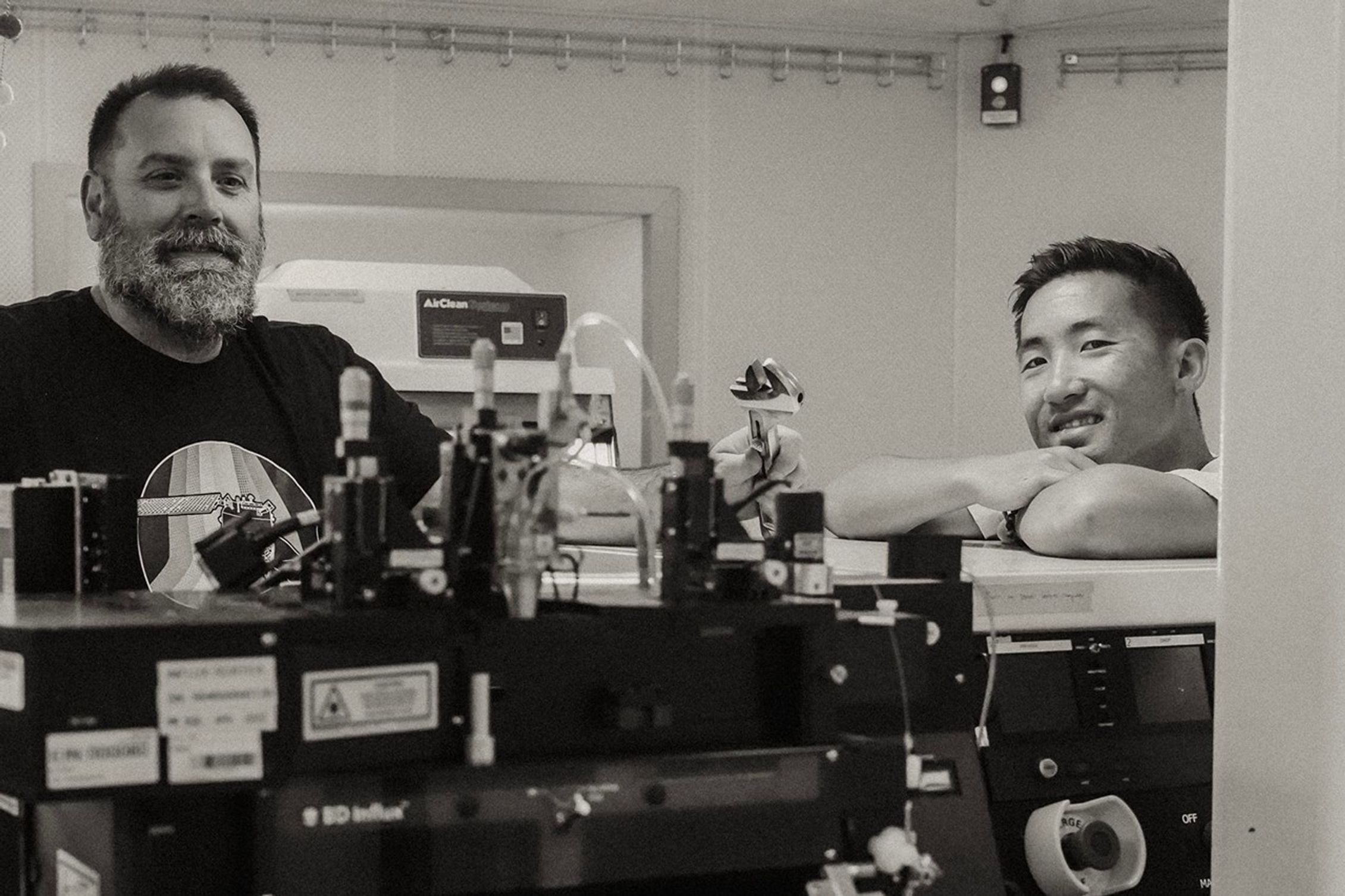
In addition to working with Nick on the PVST efforts, I collaborated with SPARC colleagues to collect archaea from water and sediment samples, using a sorting flow cytometer, an instrument that can help identify and isolate individual cells or populations of cells from other non-target particles.
The expedition was highly successful, with PACE validation measurements being collected at satellite overpass times and SPARC-related sampling and cell isolations taking place daily. The PVST-PBR team has provided these datasets to the NASA data repository for use in validation efforts and discussions. Data exchanges with the SPARC team continue as these samples are processed and explored for our eukaryotic origins.