












Suggested Searches

OSIRIS-REX (Origins, Spectral Interpretation, Resource Identification, and Security - Regolith Explorer)

    Guest Blog: Preparing for Any Sample Return Scenario

    A smiling woman, with long blond hair, sun-kissed skin, and a black top is shown from the shoulders up.

    By Sandra Freund, OSIRIS-REx Program Manager, Lockheed Martin On Sept. 24, samples of asteroid Bennu will arrive on Earth, thanks to NASA's OSIRIS-REx spacecraft and its mission to obtain fragments of this rocky body. The flight portion of the mission, many years in the making, will end when its sample return capsule lands in the …

    Read Full Post

    NASA’s OSIRIS-REx Spacecraft Adjusts Course to Get Closer to Earth

    On July 26, NASA's OSIRIS-REx spacecraft fired its engines for about 63 seconds to slightly thrust itself onto a course closer to Earth. Preliminary tracking data indicates OSIRIS-REx changed its velocity, which includes speed and direction, by 1.3 miles, or 2 kilometers, per hour. It's a tiny but critical shift; without course adjustments like this …

    Read Full Post

    Here’s What Asteroid Sample Recovery Will Look Like

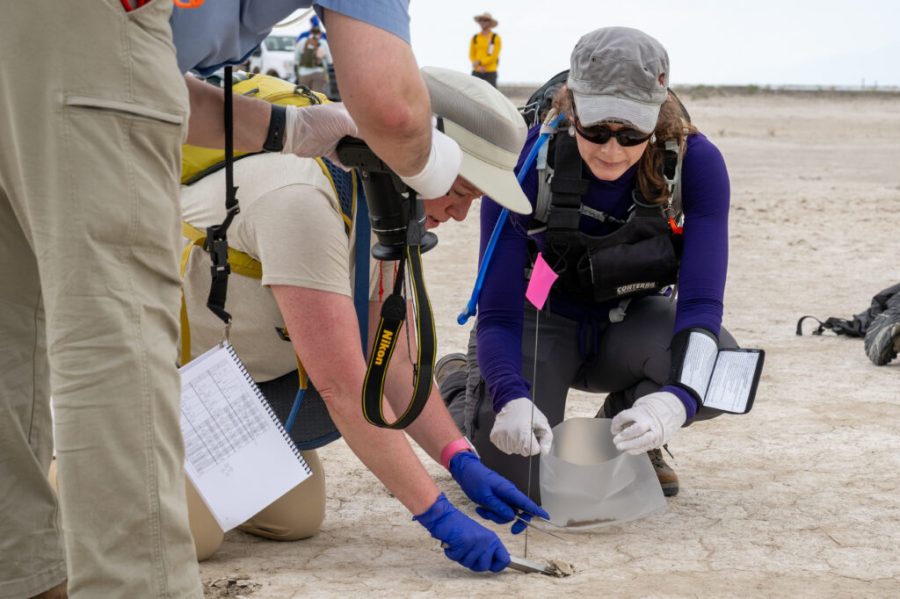
    Two people, wearing caps, sunglasses, and latex gloves, are bent on their knees over a sandy surface. One is holding a small, plastic baggie, while the other is scooping some sand. Another person, with only an elbow and part of the right leg visible, hovers over them in the left-hand side of the image, taking a photo.

    On July 18-20, the team behind NASA's OSIRIS-REx mission rehearsed recovering a mock sample return capsule from the location where the real one, with fragments of asteroid Bennu, will land on Sept. 24: the Utah desert. Though the team has rehearsed portions of the recovery operation many times this year, this was the most realistic …

    Read Full Post

    Practicing the Game-Winning Asteroid Sample Catch

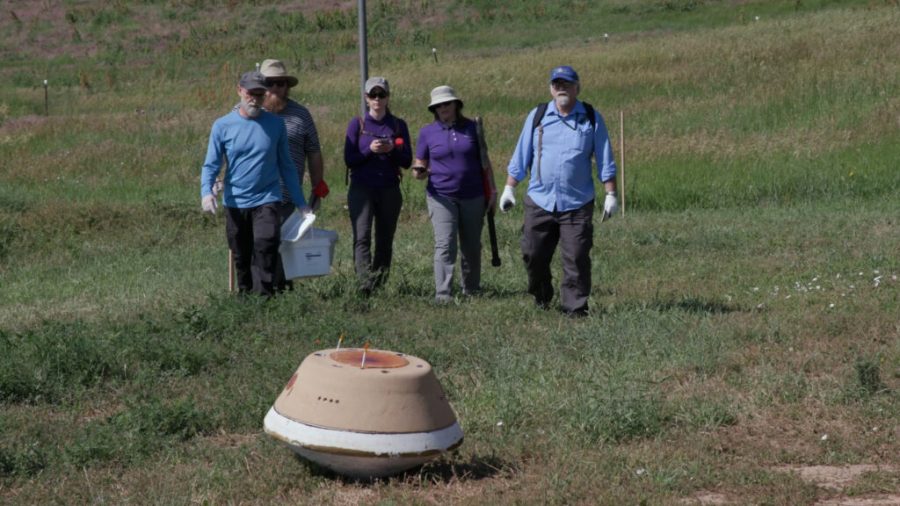
    Five people approach a brown and white capsule sitting on a grassy field.

    The capsule looked like something from a 1960s sci-fi flick. Resting on the ground, slightly tilted, its white heat shield flaked off in places, it looked how one would expect after speeding in from outer space and streaking across the sky like a shooting star. Despite its appearance, the mini-fridge-sized object had, in fact, never …

    Read Full Post

    Long History and Bright Future of Space Sample Deliveries

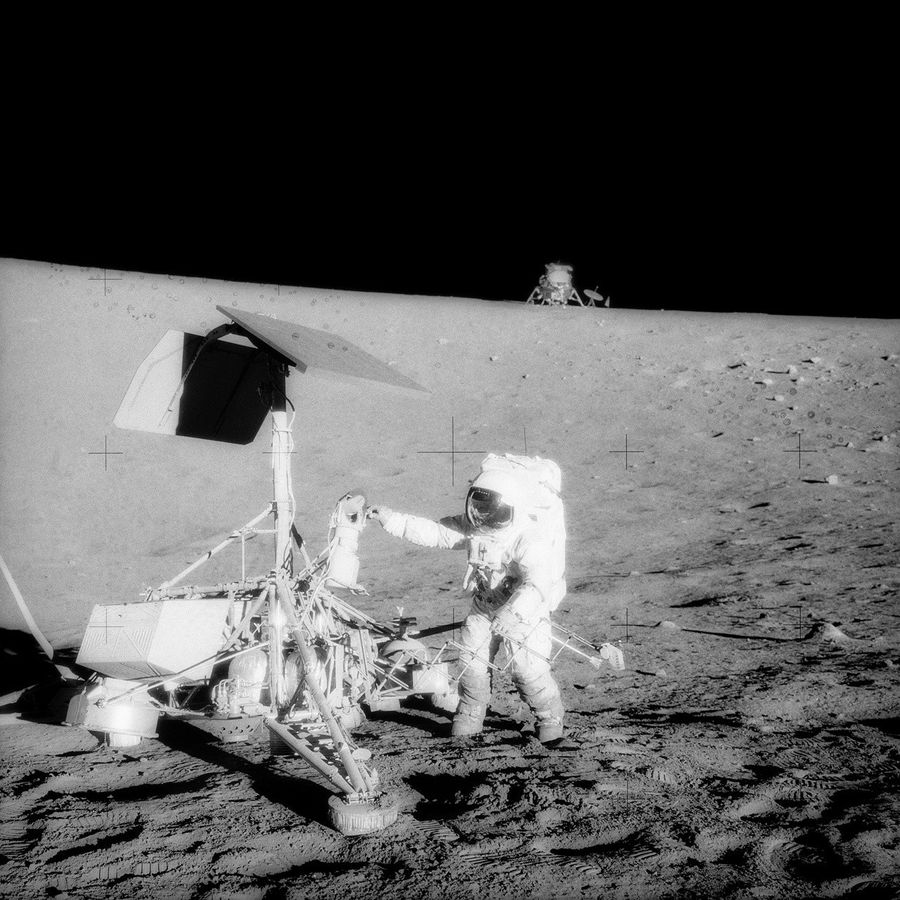
    Astronaut in a white spacesuit standing on the surface of the Moon next to a robotic spacecraft with his human crew vehicle on the horizon.

    When NASA's OSIRIS-REx spacecraft releases a capsule with material from asteroid Bennu onto the Utah desert on Sept. 24, it will become the latest in a line of missions to gather samples from space and deliver them to Earth. Collecting material from space is a challenging feat that requires teams of dedicated scientists and engineers, …

    Read Full Post

    Guest Blog: OSIRIS-REx Recovery Team Motto: ‘Practice, Practice, Practice’

    A landscape view of nothing but daytime sky, brownish desert, and mountains in the distance. Fluffy clouds hang at the top of the image, just above the mountains, casting a dark shadow over the otherwise sun-lit surface. A dusting of snow covers the desert floor at the foreground of the image. A bush with dry yellow buds stands in foreground, capped by handfuls of snow left over from a melt.

    By Richard Witherspoon, OSIRIS-REx Ground Recovery Lead, Lockheed Martin In anticipation of NASA's OSIRIS-REx asteroid sample delivery this fall, the team held our first round of rehearsals April 17 to April 27. Our goal was to practice retrieving the spacecraft's sample capsule from a simulated landing site at Lockheed Martin's campus near Denver. I am …

    Read Full Post

    2020 – 2023: Touchdown! And Goodbye

    This week, we have been recapping noteworthy OSIRIS-REx mission events each day so you can catch up on anything you may have missed so far on NASA's first mission to collect a sample from an asteroid. (Post #4 in a series of four) At 1:50 p.m. EDT on Oct. 20, 2020, NASA's OSIRIS-REx spacecraft …

    Read Full Post