













Suggested Searches

Blogs

    ISS Daily Summary Report – 2/08/2024

    Payloads: Astrobee: The crew set up cameras to capture the Astrobee crew-minimal science operations. Astrobee is made up of free-flying, cube-shaped robots. These robots are designed to help scientists and engineers develop and test technologies for use in microgravity to assist astronauts with routine chores and to give ground controllers additional eyes and ears on …

    Read Full Post

    Signal Acquired: NASA’s PACE Spacecraft Begins Its Science Mission

    NASA's PACE (Plankton, Aerosol, Cloud, ocean Ecosystem) spacecraft has successfully made contact with ground stations back on Earth providing teams with early readings of its overall status, health, operation, and capabilities postlaunch. A full postlaunch assessment review to determine PACE's readiness to move into the operational phase of its mission will be conducted in the …

    Read Full Post

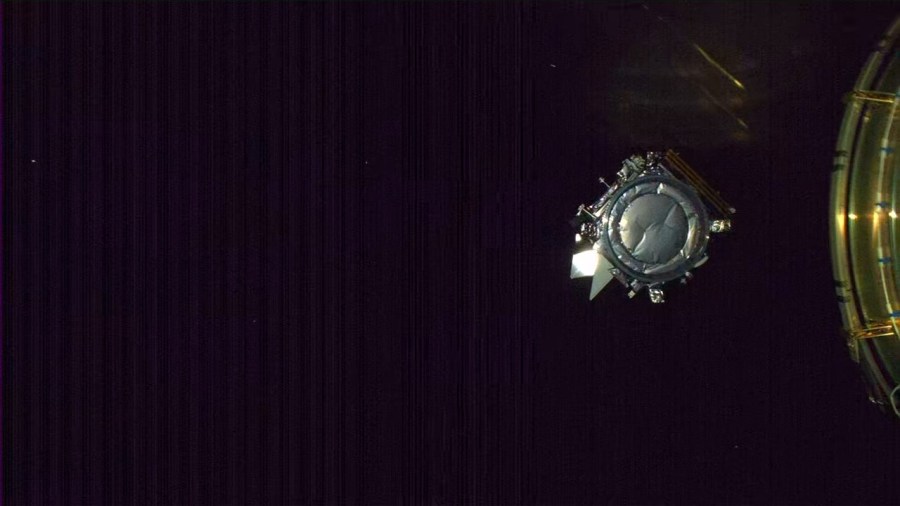
    NASA’s PACE Spacecraft Separation

    NASA's PACE (Plankton, Aerosol, Cloud, ocean Ecosystem) spacecraft has separated from the Falcon 9 rocket's second stage, beginning its science mission from sun-synchronous orbit about 420 miles above the Earth's surface.

    Read Full Post

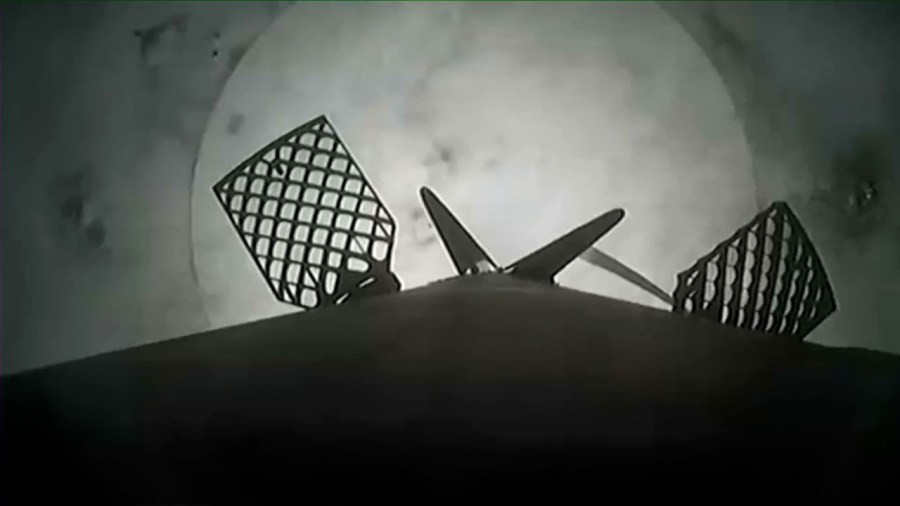
    The Falcon 9 Sticks Its Landing

    The SpaceX Falcon 9 rocket's first stage has successfully landed at Landing Zone 1 at Cape Canaveral Space Force Station in Florida. Tonight's mission marks the fourth completed flight for this Falcon 9.

    Read Full Post

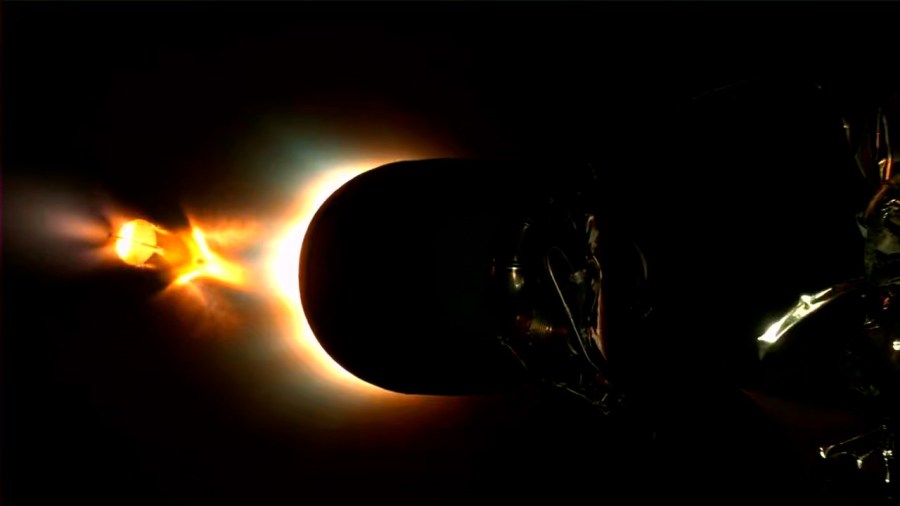
    Coming Up: Falcon 9 Max Q, Main Engine Cutoff, and Stage Separation

    A series of rapid events occurs after launch. After Max Q – the moment of peak mechanical stress on the rocket – the nine Merlin engines of the Falcon 9's first stage will finish their burn and cut off during a phase called MECO or Main Engine Cutoff. Quickly after MECO, the stage separation sequence …

    Read Full Post

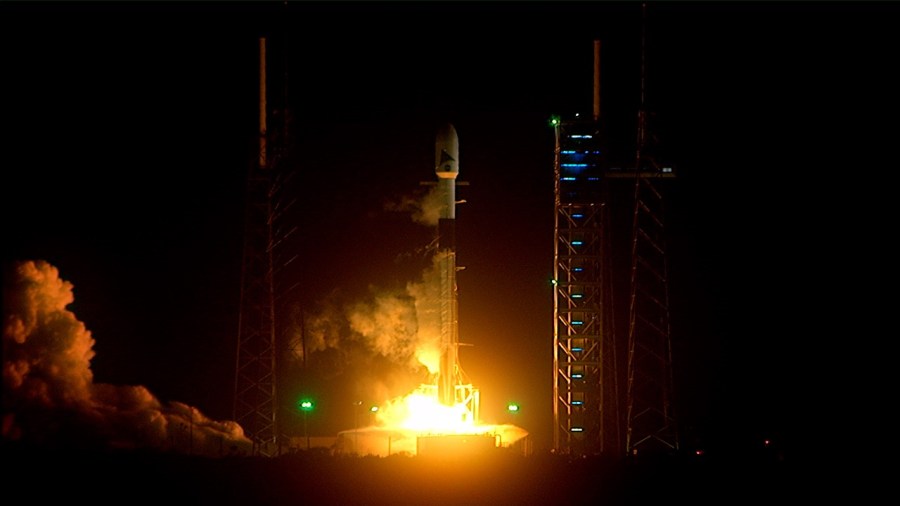
    Liftoff! NASA’s Earth Science Mission Launches Into Space Coast Sky

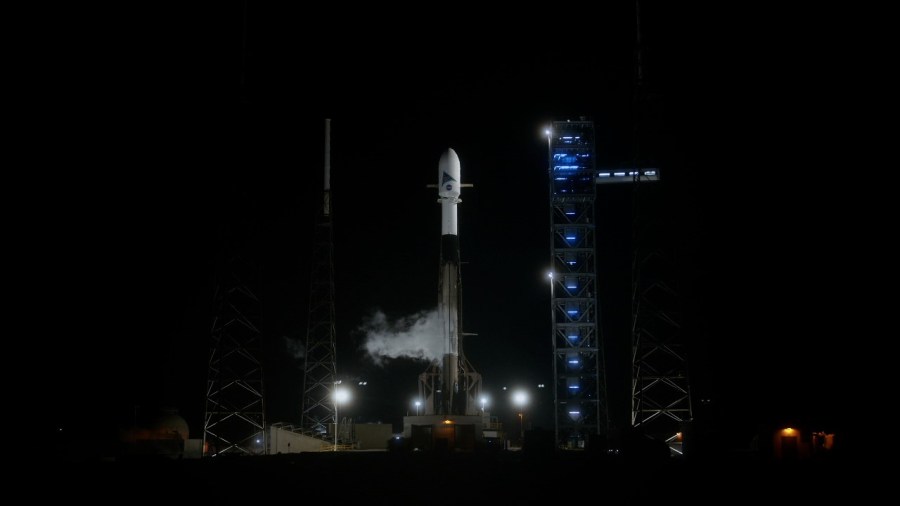
    3, 2, 1 … LIFTOFF! A SpaceX Falcon 9 rocket carrying NASA's PACE (Plankton, Aerosol, Cloud, ocean Ecosystem) spacecraft launched on a SpaceX Falcon 9 rocket from Cape Canaveral Space Force Station's Space Launch Complex 40 at 1:33 a.m. EST Thursday, Feb. 8. The next milestone is Max Q or maximum dynamic pressure – the …

    Read Full Post

    PACE is ‘Go’ for Launch From Florida

    NASA's senior launch manager, Tim Dunn, has just given NASA's PACE (Plankton, Aerosol, Cloud, ocean Ecosystem) mission the "go" for launch! In the next few moments, the SpaceX Falcon 9 rocket's nine Merlin engines will roar to life at Cape Canaveral Space Force Station's Space Launch Complex 40, sending the PACE spacecraft on the start …

    Read Full Post

    PACE Launch to Light Up South Florida Sky

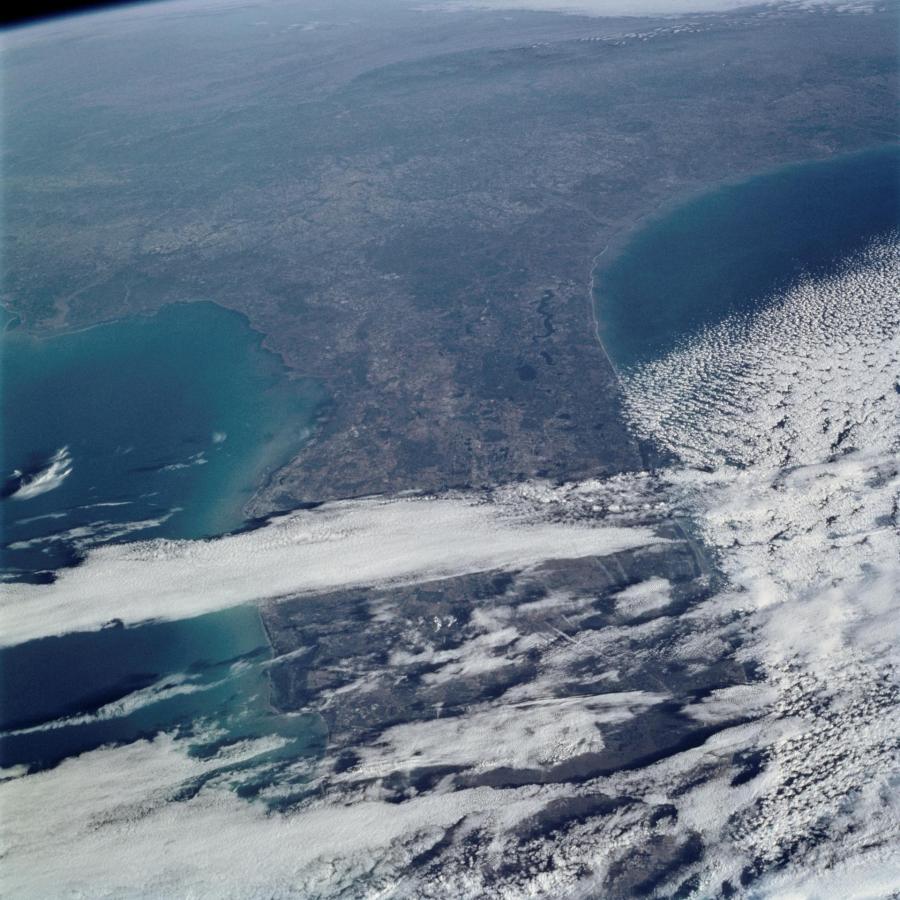
    The astronauts on board the Space Shuttle Columbia took this 70mm picture featuring part of the eastern sea board. The oblique view looks northward from South Florida to the southern Appalachians. Most of the southeastern United States appears in crisp, clear air in the wake of a cold front that has pushed well off the mainland. Only a few jet stream and low-level clouds remain over South Florida and Gulf Stream. Photo credit: NASA

    When NASA's PACE (Plankton, Aerosol, Cloud, ocean Ecosystem) mission launches at 1:33 a.m. EST from Space Launch Complex 40 at Cape Canaveral Space Force Station, the SpaceX Falcon 9 rocket will follow a little used flight path, or trajectory. After liftoff, the rocket will head south along the Florida coastline during its powered flight to …

    Read Full Post

    Meet NASA’s PACE Spacecraft, Science Instruments

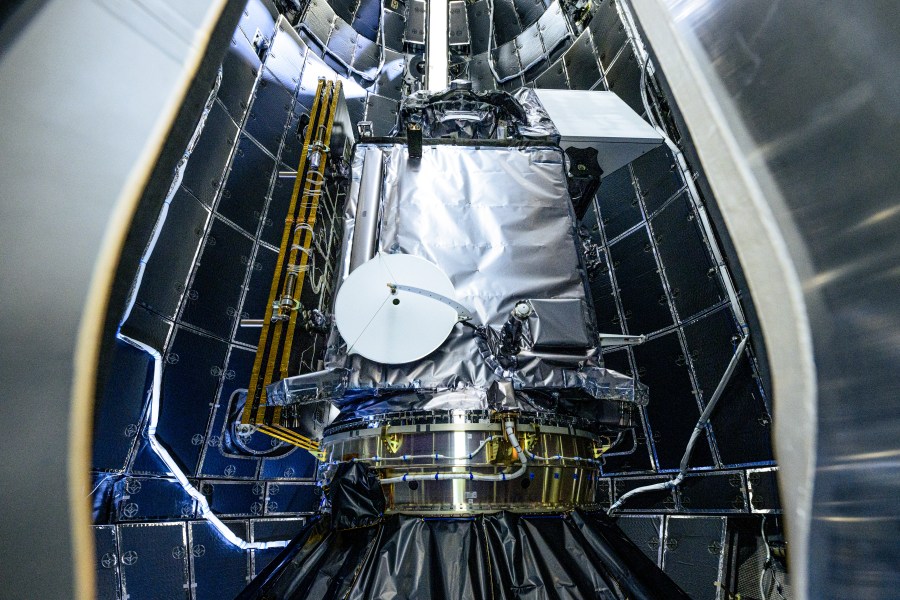
    Photo of PACE encapsulation inside (Plankton, Aerosol, Cloud, ocean Ecosystem) spacecraft in SpaceX's Falcon 9 payload fairings.

    As NASA and SpaceX teams continue to work toward liftoff of the agency's PACE (Plankton, Aerosol, Cloud, ocean Ecosystem) mission aboard a Falcon 9 rocket scheduled for 1:33 a.m. EST, here's a look at some facts about the spacecraft and the science instruments on board: The PACE spacecraft stands about 10 feet tall and when …

    Read Full Post