













Suggested Searches

Blogs

  • T-4 Minutes and Counting

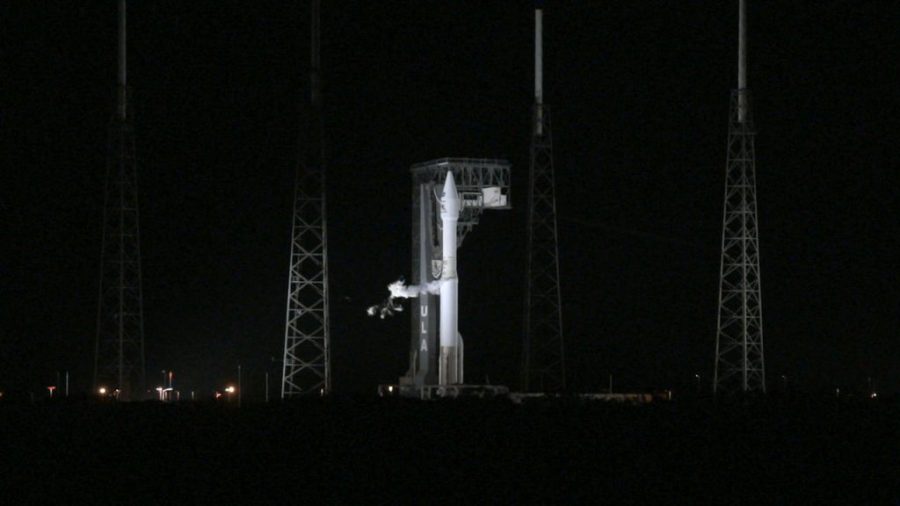
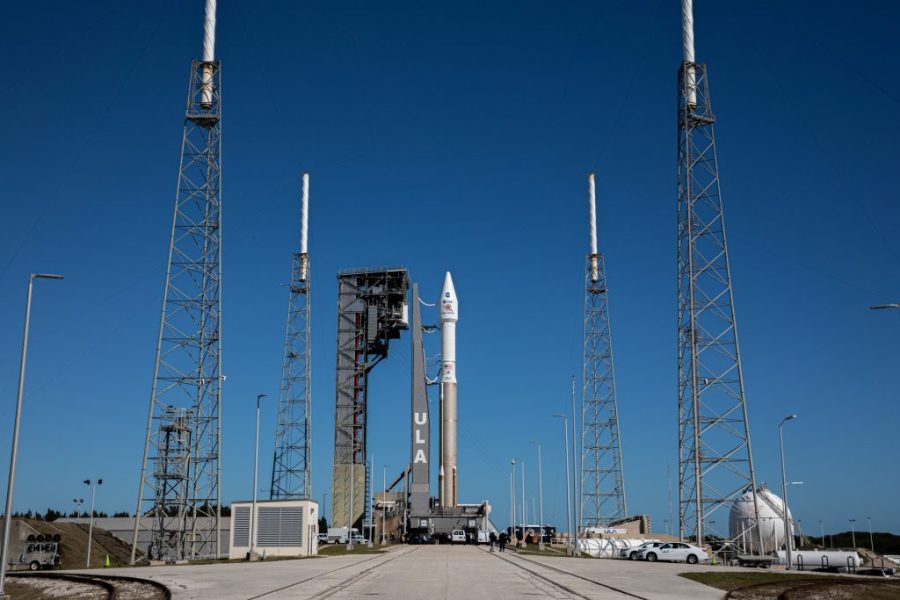
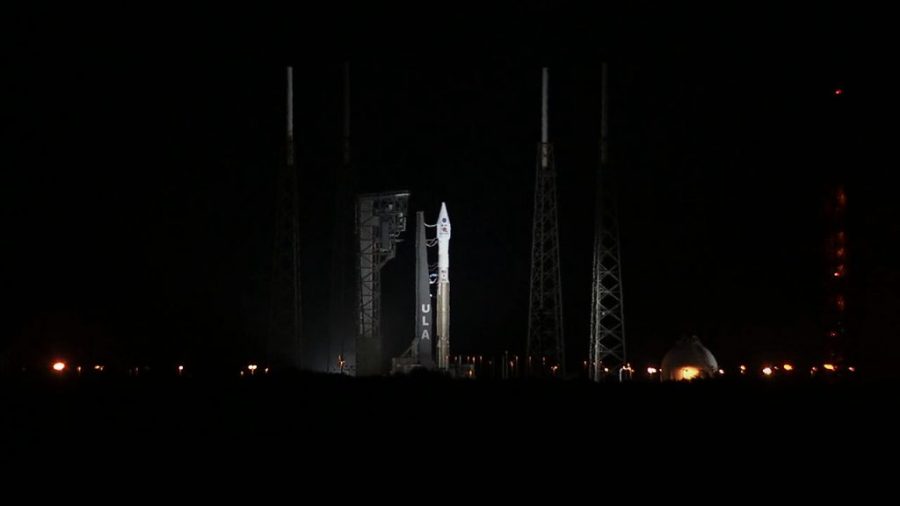
    The United Launch Alliance Atlas V rocket, with the Solar Orbiter spacecraft sealed in the payload fairing, awaits liftoff on Sunday, Feb. 9, at Space Launch Complex 41 at Florida's Cape Canaveral Air Force Station.

    The countdown has resumed at T-4 minutes and counting. United Launch Alliance and NASA have polled their teams and they're "go" for launch of the Atlas V rocket and Solar Orbiter spacecraft at 11:03 p.m. EST. The spacecraft is on internal power.

  • 10 Minutes Until Launch

    Solar Orbiter orbiting the Sun. With field lines.

    Liftoff of the United Launch Alliance Atlas V rocket with the Solar Orbiter spacecraft is on track for 11:03 p.m. EST. Countdown clocks remain in a planned, built-in hold at the T-4 minute mark. The hold will release at 10:59 p.m. — four minutes prior to launch.

  • T-4 Minutes and Holding

    Illustration of Solar Orbiter

    Countdown clocks have temporarily paused at the T-4 minute mark. This is a planned, 15-minute hold expected to release at 10:59 p.m. EST. Liftoff of the Solar Orbiter spacecraft aboard a United Launch Alliance Atlas V rocket remains on schedule for 11:03 p.m.

  • Solar Orbiter Launch: Countdown Updates Start Now

    The United Launch Alliance Atlas V rocket, with the Solar Orbiter spacecraft sealed in the payload fairing, awaits liftoff on Sunday, Feb. 9, at Space Launch Complex 41 at Florida's Cape Canaveral Air Force Station.

    Good evening from NASA's Kennedy Space Center in Florida. Just a few miles east, a United Launch Alliance Atlas V 411 rocket stands on Space Launch Complex 41 at Cape Canaveral Air Force Station, where it's undergoing final preparations to launch the Solar Orbiter mission at 11:03 p.m. EST. There is a two-hour launch window.

  • Solar Orbiter Prepares to Face the Sun

    Illustration of Solar Orbiter, which will face the Sun from within the orbit of Mercury at its closest approach.

    Solar Orbiter builds on the successes of previous missions to study the Sun and its effects on Earth. The mission was developed to study the environment directly surrounding the spacecraft while also observing the Sun, giving scientists a better understanding of how our star can affect the space environment throughout the solar system. The spacecraft also will be the first to provide images of the Sun's poles. The Solar Orbiter mission is planned to last seven years.

  • Solar Orbiter Awaiting Liftoff on Atlas V Rocket

    The United Launch Alliance Atlas V rocket, with the Solar Orbiter spacecraft sealed in the payload fairing, awaits liftoff on Sunday, Feb. 9, at Space Launch Complex 41 at Florida's Cape Canaveral Air Force Station.

    A United Launch Alliance Atlas V rocket is poised for liftoff tonight from Space Launch Complex 41 at Florida's Cape Canaveral Air Force Station. On board is the Solar Orbiter spacecraft, an international collaborative mission between the European Space Agency (ESA) and NASA. Countdown clocks across the spaceport are ticking down toward scheduled liftoff at 11:03 p.m. EST. There's a two-hour launch window.

  • U.S. Cygnus Cargo Craft Launch Scrubbed

    Northrop Grumman scrubbed tonight’s Antares launch after off-nominal readings from a ground support sensor. Northrop Grumman and NASA have set the next launch attempt to no earlier than Feb. 13 at 4:05 p.m. ET, due to an unfavorable weather forecast over the next two days, and time required to address the ground support issue. NASA …

  • NASA TV Broadcasts Launch of U.S. Cygnus Cargo Craft

    The latest weather forecast is 100% favorable for the launch of Northrop Grumman’s Antares rocket from Virginia Space’s Mid-Atlantic Regional Spaceport at NASA’s Wallops Flight Facility in Virginia. Northrop Grumman’s 13th contracted cargo resupply mission with NASA to the International Space Station will deliver more than 7,500 pounds of science and research, crew supplies and vehicle hardware …