















Suggested Searches

Blogs

  • NOAA’s GOES-S Ready to Launch Aboard an Atlas V Rocket

    A United Launch Alliance Atlas V rocket stands ready for liftoff at Space Launch Complex 41 at Cape Canaveral Air Force Station in Florida.

    Good afternoon from Kennedy Space Center in Florida. A United Launch Alliance Atlas V rocket stands ready for liftoff at Space Launch Complex 41 at Cape Canaveral Air Force Station. The Atlas V will carry NOAA's Geostationary Operational Environmental Satellite-S (GOES-S). Launch is targeted for 5:02 p.m. EST, at the beginning of a two-hour launch …

  • The GOES-S Mission

    The GOES-S mission logo.

    NOAA's Geostationary Operational Environmental Satellite-S (GOES-S) is the second in the GOES-R Series of weather satellites that includes GOES-R (now named GOES-16), -S, -T and -U. The GOES-S satellite will be renamed GOES-17 when it reaches geostationary orbit. Once the satellite is declared operational, late this year, it will occupy NOAA's GOES-West position and provide …

  • Workhorse Rocket to Carry GOES-S to Orbit

    The United Launch Alliance Atlas V rocket carrying NOAA's GOES-S satellite waits for liftoff from Space Launch Complex 41 at Cape Canaveral Air Force Station.

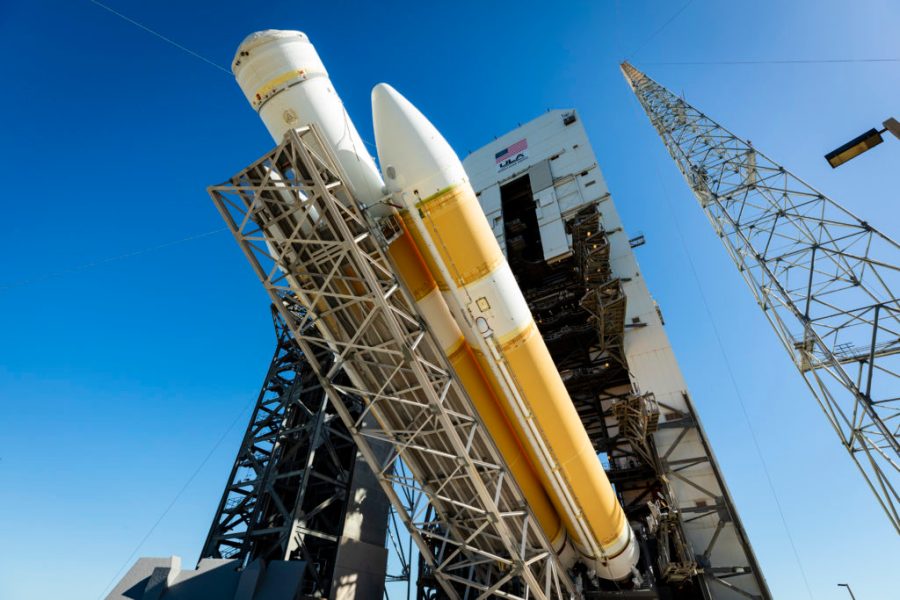
    The rocket standing on the pad at Space Launch Complex 41 is an Atlas V 541 configuration, one of the most powerful rockets in the Atlas V fleet. The 541 designation means this rocket has a payload fairing, or nose cone, that is approximately five meters wide, four solid-rocket boosters fastened alongside the central common …

  • ISS Daily Summary Report – 3/01/2018

    Plant Gravity Perception (PGP): Today the crew removed the Plant Gravity Perception seed cassettes from Experiment Containers (ECs) on the two European Modular Cultivation System (EMCS) rotors and stowed them in a Minus Eighty Degree Celsius Laboratory Freezer for ISS (MELFI). They also replaced the ECs on the rotors with ECs for the next Plant …

  • Three Up, Three Down, Another Three Prepare for Launch

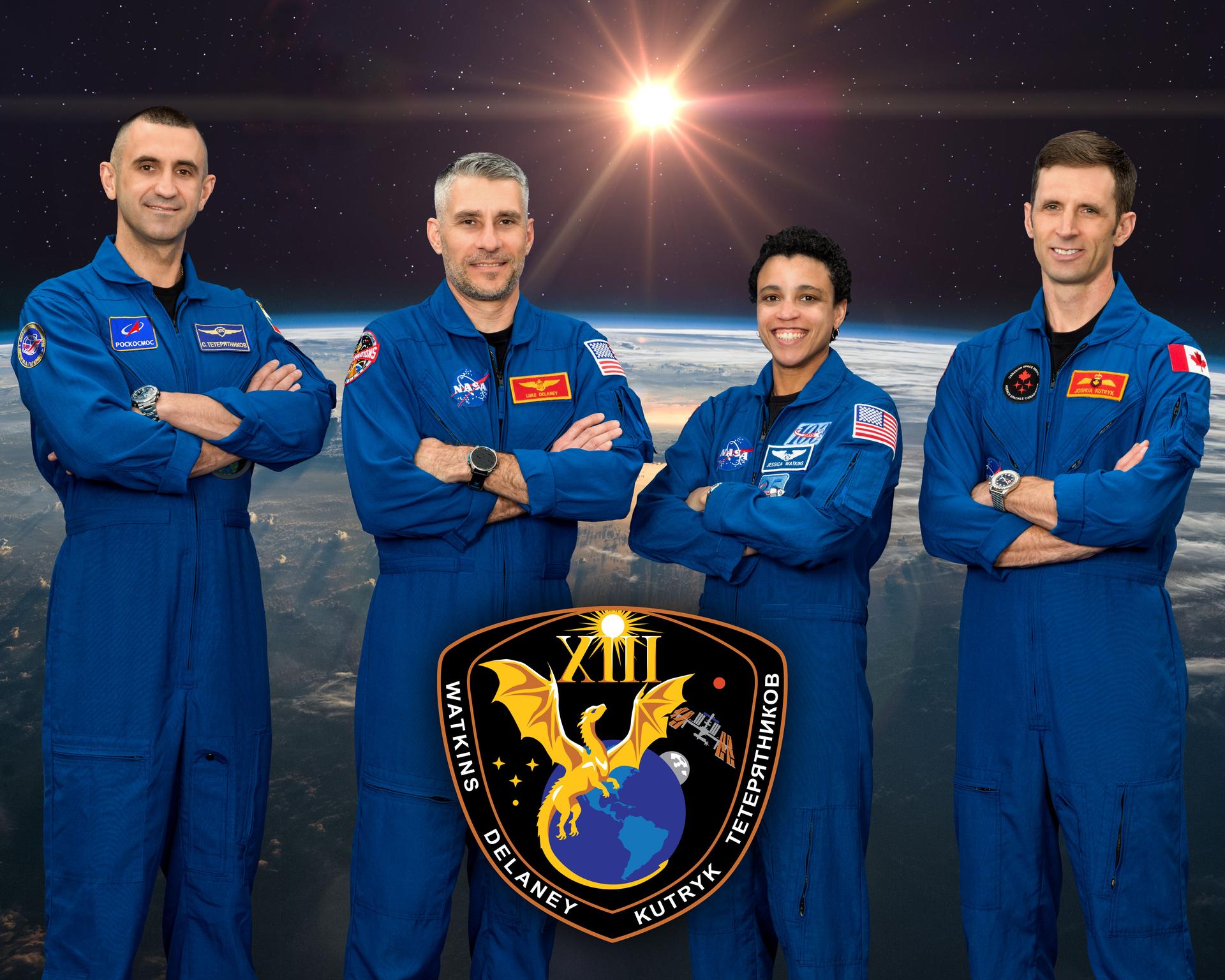
    Three Expedition 55 crew members are back to work today on the International Space Station, having taken a day off Wednesday following the landing of the three Expedition 54 crew members on Tuesday. The departing space residents are back on Earth, having returned to their homes less than a day after landing. Now on board …

  • NOAA’s GOES-S Satellite Ready for Launch atop Atlas V Rocket

    The United Launch Alliance Atlas V rocket carrying NOAA's GOES-S satellite waits for liftoff from Space Launch Complex 41 at Cape Canaveral Air Force Station.

    Today is launch day for NOAA's newest weather satellite, the Geostationary Operational Environmental Satellite-S (GOES-S). A two-hour launch window will open at 5:02 p.m. EST today. GOES-S will launch on a United Launch Alliance Atlas V rocket from Space Launch Complex 41 at Cape Canaveral Air Force Station in Florida. Stay tuned — launch coverage …

  • Atlas V Rolled to Pad 41 with NOAA’s GOES-S

    The Atlas V rocket rolls to Pad 41 with NOAA's GOES-S. Launch is slated for March 1 at 5:02 p.m. EST.

    The United Launch Alliance Atlas V rocket is rolled from the Vertical Integration Facility to the pad at Space Launch Complex 41 at Cape Canaveral Air Force Station in Florida. The launch vehicle will send NOAA's Geostationary Operational Environmental Satellite (GOES-S) into orbit. The GOES series is designed to significantly improve the detection and observation …

  • The PI’s Perspective: Why Didn’t Voyager Explore the Kuiper Belt?

    Voyager 1 and 2 spacecraft

    New Horizons is in good health and cruising closer each day to our next encounter, an end-of-the-year flyby of the Kuiper Belt object (KBO) 2014 MU69 (or "MU69" for short). Currently, the spacecraft is hibernating while the mission team plans the MU69 flyby. During hibernation, three of the instruments on New Horizons—SWAP, PEPSSI and SDC—collect …