


















Suggested Searches

Stratospheric Aerosol and Gas Experiment (SAGE)

The Stratospheric Aerosol and Gas Experiment, SAGE, is a series of instruments designed by NASA to observe stratospheric ozone, aerosols, and water vapor from space. In the mid-1980s, scientists realized there was a problem with Earth’s protective coat of ozone...it was thinning. The SAGE family of instruments was pivotal in making accurate measurements of the amount of ozone loss in Earth’s atmosphere and helped leaders around the world institute an international treaty banning products containing harmful chemicals that destroy stratospheric ozone. SAGE is a key part of NASA’s mission to provide crucial, long-term measurements that will help humans better understand and care for Earth’s atmosphere.

SAGE III/ISS Passes Critical Reviews

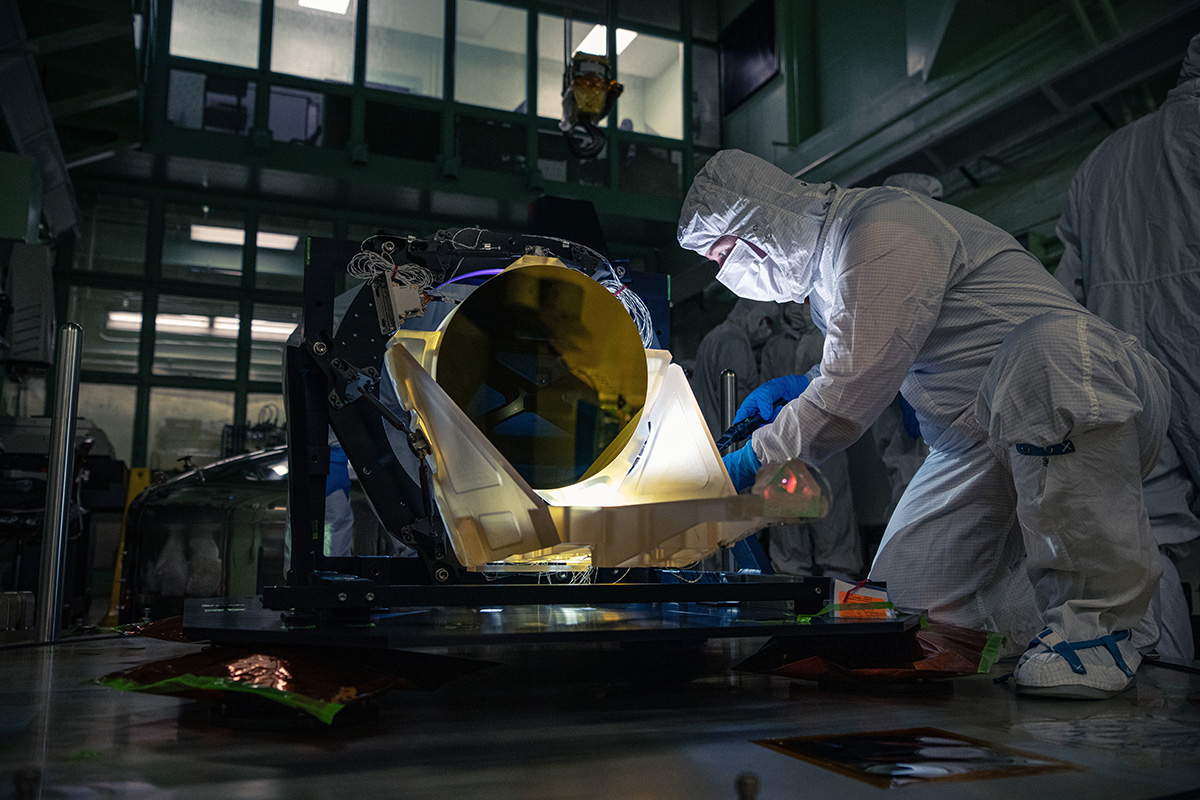
SAGE III/ISS held a successful System Integration Review (SIR) on Thursday, May 7, 2015. The review was well-received by the Standing Review Board. The SRB Chair congratulated the team on working hard to meet the Project’s schedule and being well-prepared for the review. That review paved the way for the Pre-Environmental Review (PER), which was successfully completed on Wednesday, May 13. Environmental tests confirmed that SAGE III/ISS could hold up against vibration, thermal vacuum and electromagnetic interference.