















Suggested Searches

Stratospheric Aerosol and Gas Experiment (SAGE)

The Stratospheric Aerosol and Gas Experiment, SAGE, is a series of instruments designed by NASA to observe stratospheric ozone, aerosols, and water vapor from space. In the mid-1980s, scientists realized there was a problem with Earth’s protective coat of ozone...it was thinning. The SAGE family of instruments was pivotal in making accurate measurements of the amount of ozone loss in Earth’s atmosphere and helped leaders around the world institute an international treaty banning products containing harmful chemicals that destroy stratospheric ozone. SAGE is a key part of NASA’s mission to provide crucial, long-term measurements that will help humans better understand and care for Earth’s atmosphere.

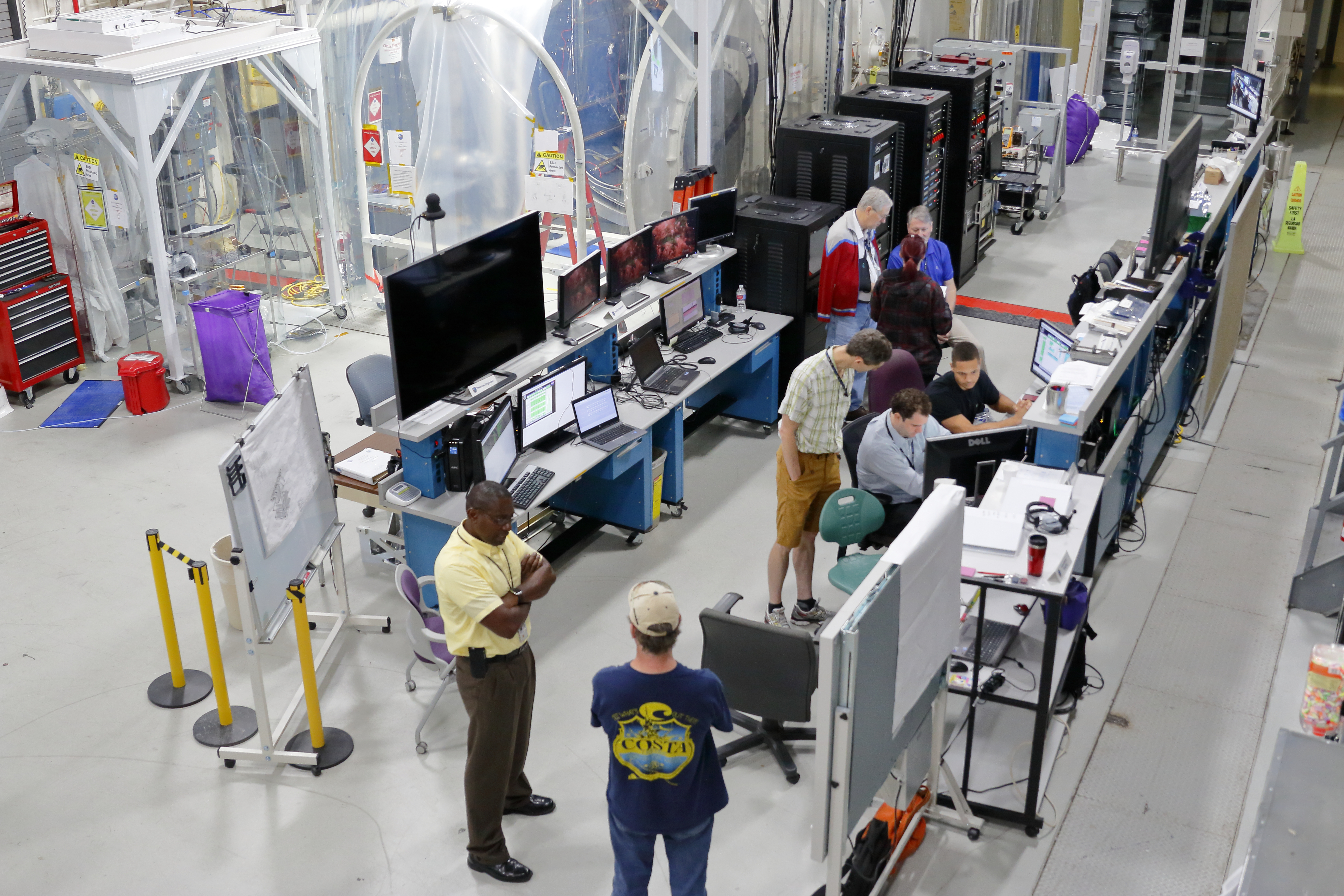
SAGE III is in TVAC, Last Environmental Test!
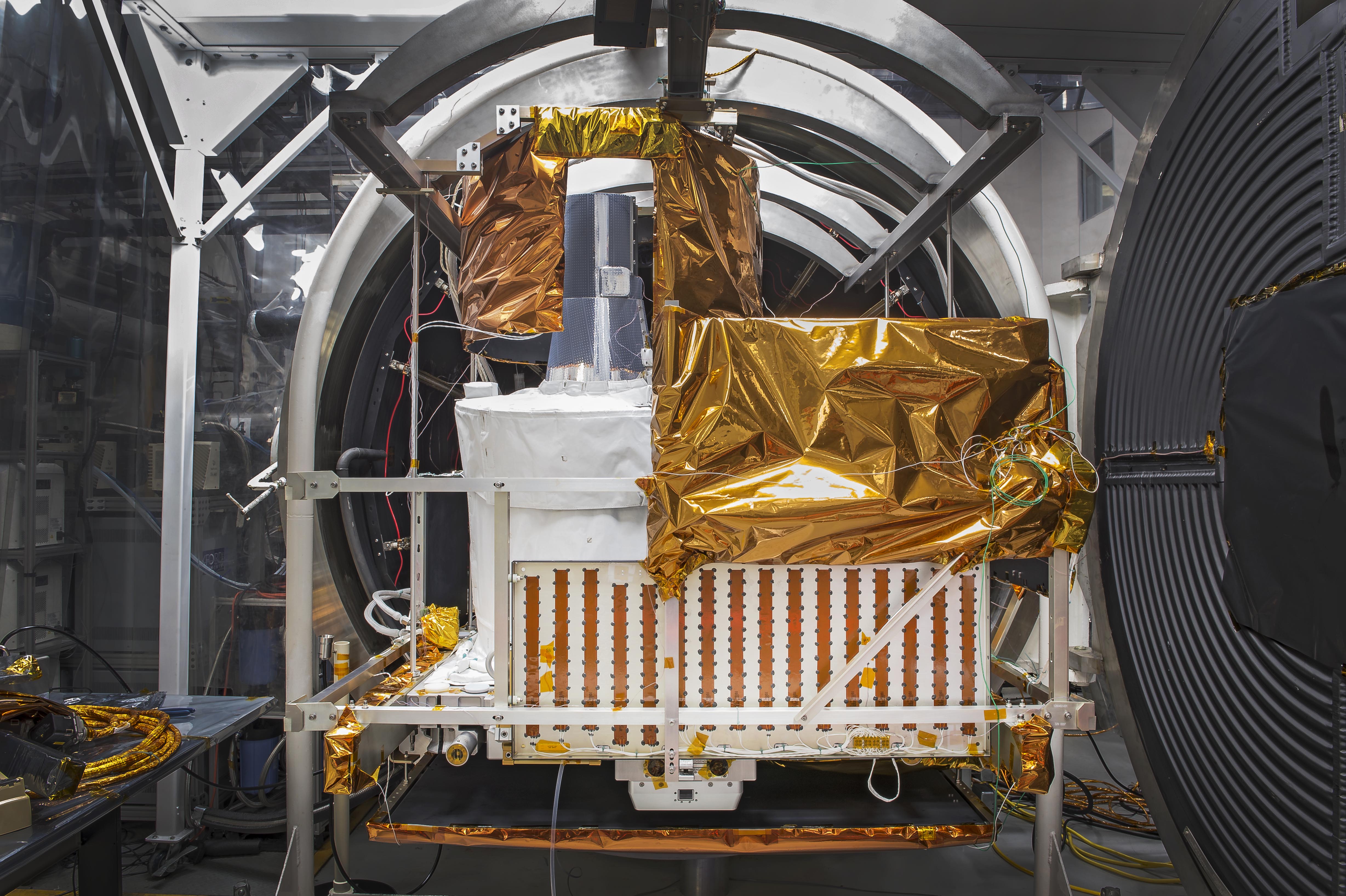
DSC_3222 copy _MG_5203

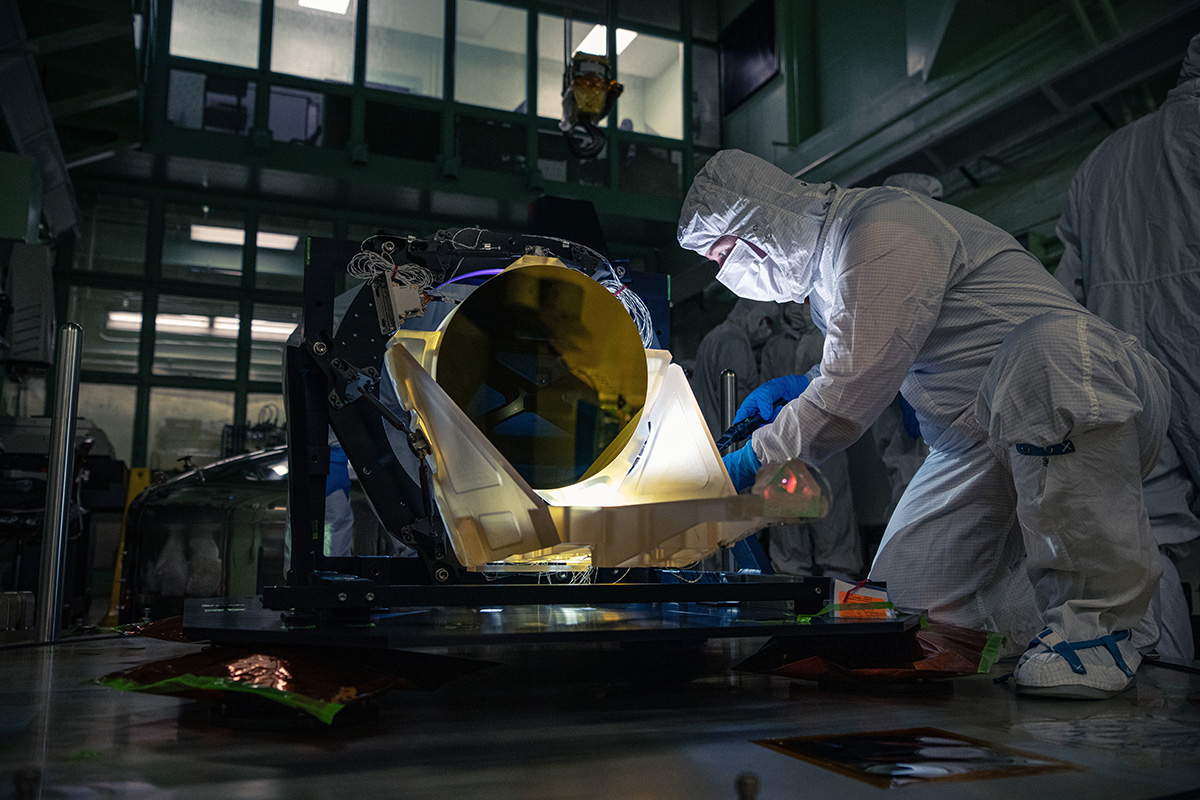
The Integration and Test team conducted a successful Test Readiness Review Thursday, August 13. Following the review the chamber door was closed and pump-down was started. Thermal Vacuum Testing started Friday, August 14. The team has successfully completed the initial ambient functional test, Hot Survival (test point 3), and Hot Operational 1/Hot Start 1 (test point 4). The Operational Heaters for CMP 1, CMP2 and the ICE have been successfully tested as well. During the temperature ramp through the Hexapod Contingency zone, the Hexapod Electronics Unit did not reboot at elevated temperature.