






















Suggested Searches

Stratospheric Aerosol and Gas Experiment (SAGE)

The Stratospheric Aerosol and Gas Experiment, SAGE, is a series of instruments designed by NASA to observe stratospheric ozone, aerosols, and water vapor from space. In the mid-1980s, scientists realized there was a problem with Earth’s protective coat of ozone...it was thinning. The SAGE family of instruments was pivotal in making accurate measurements of the amount of ozone loss in Earth’s atmosphere and helped leaders around the world institute an international treaty banning products containing harmful chemicals that destroy stratospheric ozone. SAGE is a key part of NASA’s mission to provide crucial, long-term measurements that will help humans better understand and care for Earth’s atmosphere.

Mission Operations Team Stays Prepped and Ready

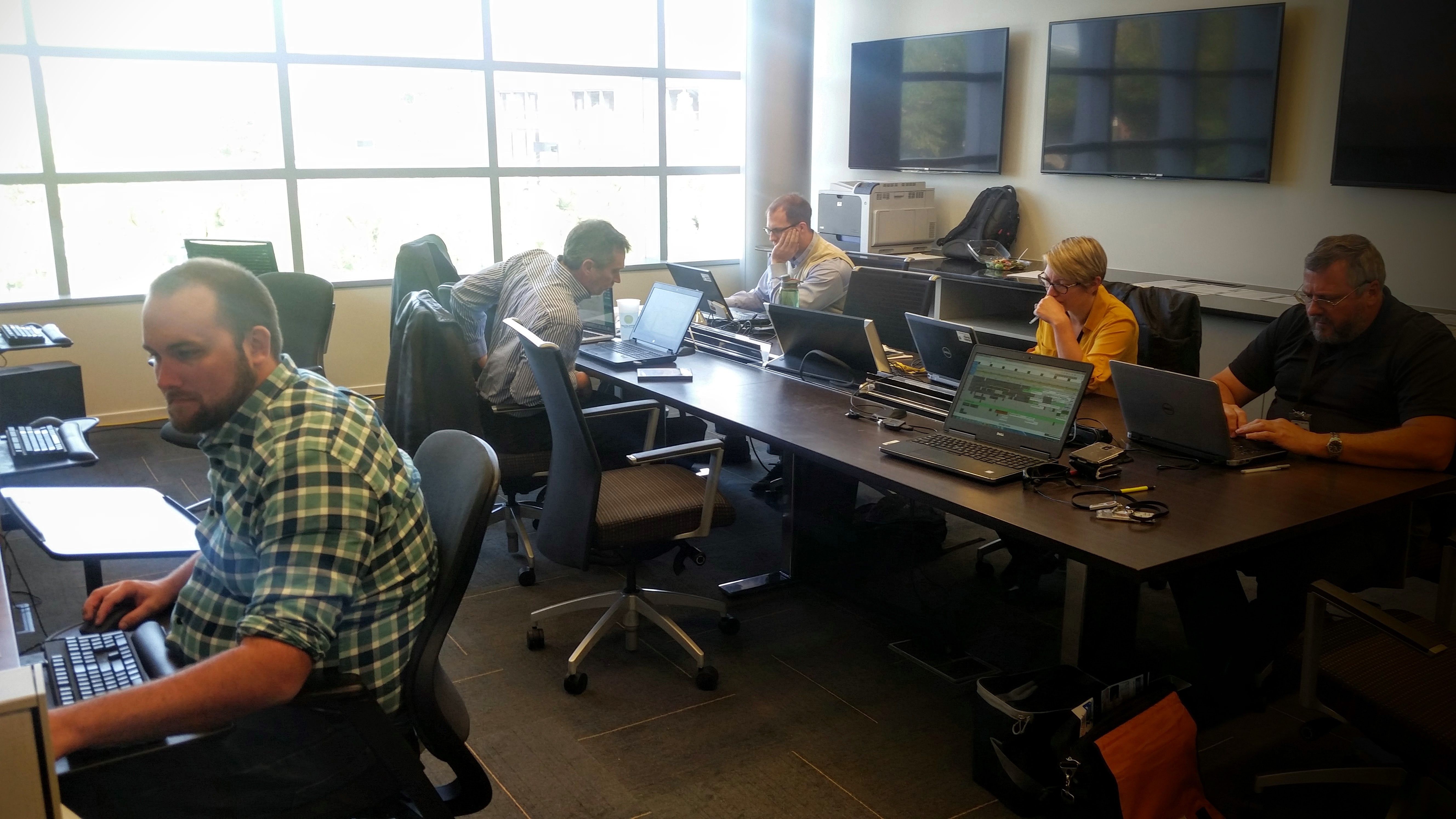
The Mission Operations team, Science team and Science Computing Facility team participated in a week-in-the-life simulation from October 21-28, 2016. The simulation included mission planning, twice daily payload checks, weekly science team and planning meetings, and data processing and transfers. The simulation also involved handling ISS activities, including operations for a Soyuz docking and a Cygnus unberthing.
20161027_111141