
















Commissioning continues successfully, new upcoming science event map available!
The Mission Operations team is continuing commissioning of the SAGE III/ISS Instrument Payload (IP) from the Flight Mission Support Center at NASA Langley Research Center. The team is receiving and processing preliminary data. Commissioning is progressing as planned and all systems are functioning well.
The team was able to successfully acquire the first lunar events Tuesday, April 4, allowing measurements of key nighttime atmospheric constituents such as nitrogen trioxide and chlorine dioxide.
Boresight calibration was completed April 7, 2017, and ISS began a yaw maneuver to calibrate the DMP on April 10, 2017.
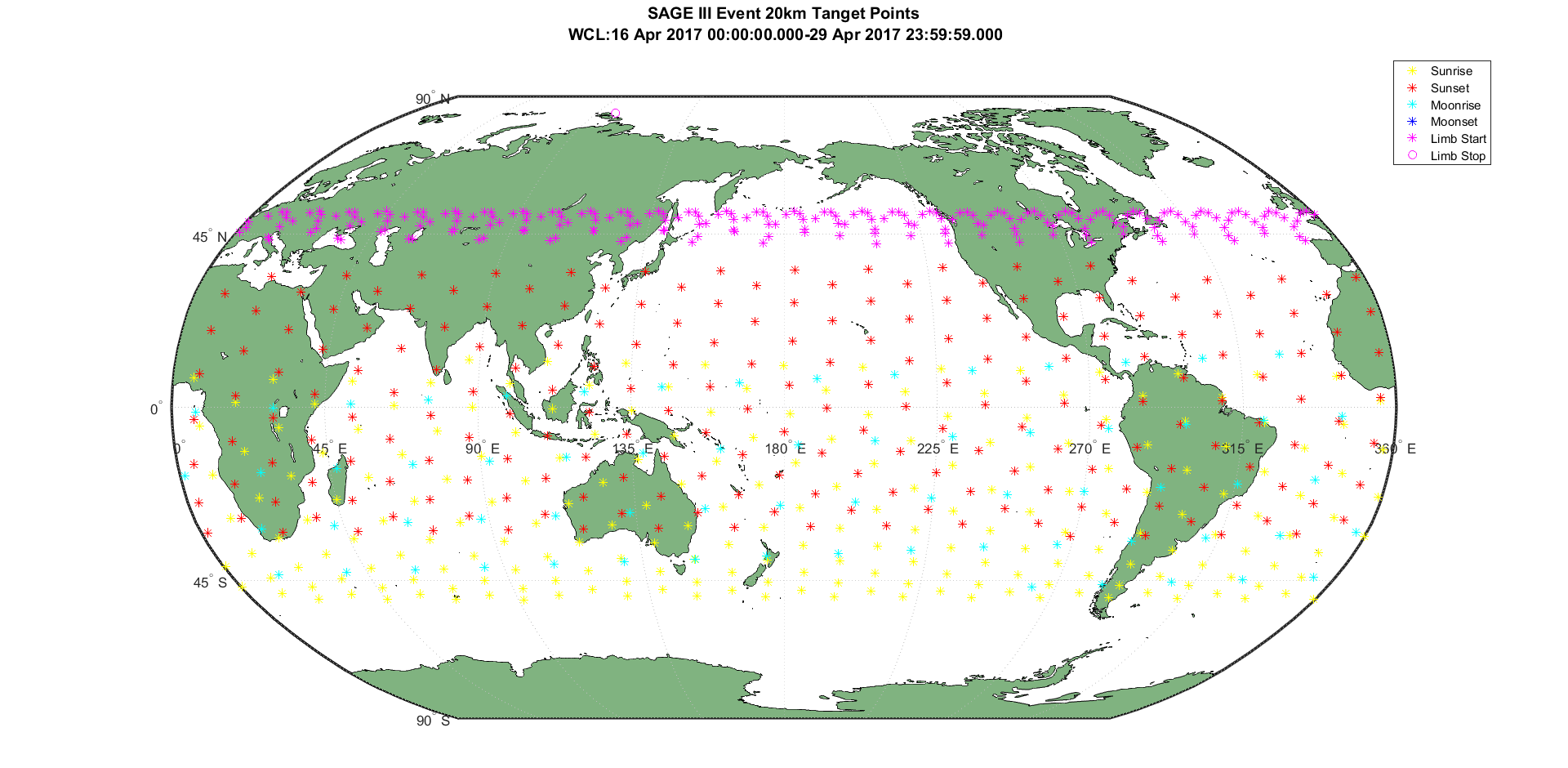
Now that data is flowing, predictions of measurement events are available on the validation site. The map below shows the locations and types of measurements SAGE III will make between April 16 and April 29. A new map will be available weekly.