












Suggested Searches

The Latest in NASA Science News

The latest news briefs from NASA science.

Viewing Posts from December 2025

View All Posts

    NASA Instrument Reveals New Ability to Gather Nighttime Light Data
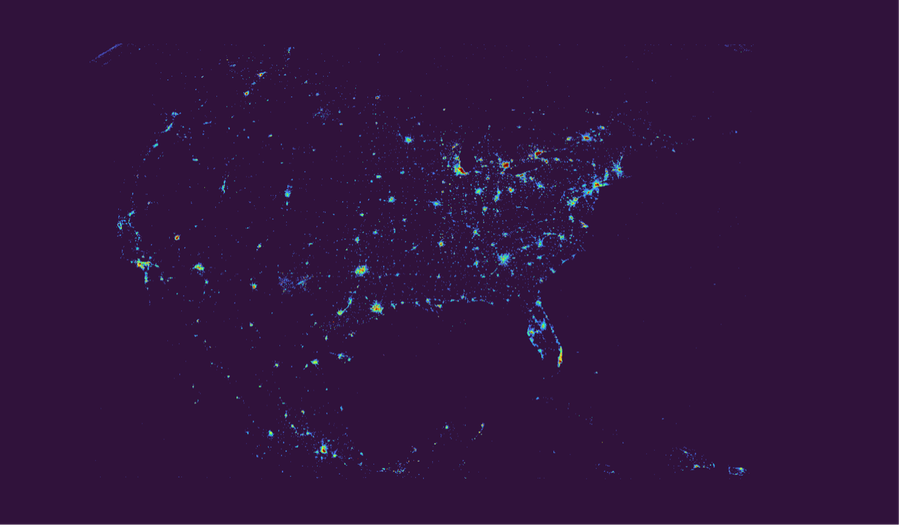
    A darkened image of the continental US with spots of light ranging in intensity and color.

    NASA’s Tropospheric Emissions: Monitoring of Pollution instrument, or TEMPO, is known for measuring trace gases like nitrogen dioxide, ozone, and formaldehyde in the air we breathe. Now TEMPO has a new trick. It can see in the dark. Since launching in 2023, TEMPO data has set a record at the Atmospheric Science Data Center (ASDC) […]

    Read Full Post

    NASA and Partners Expand Crucial Water Tracking Program

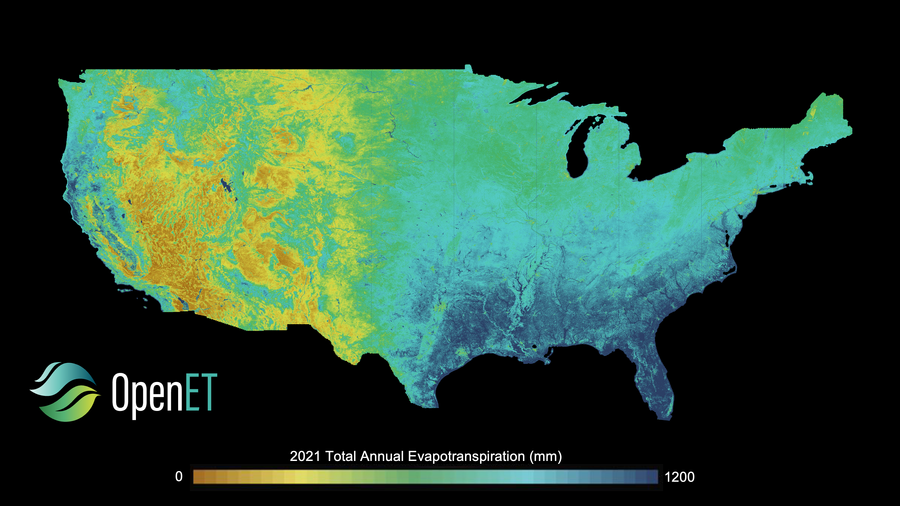
    The 48 contiguous United States with color coding to reveal water evapotranspiration.

    All 48 contiguous United States will now benefit from timely, high-resolution water data. The OpenET program, a public-private collaboration led by consortium partners NASA, the U.S. Geological Survey, California State University Monterey Bay, Environmental Defense Fund, Desert Research Institute, Google Earth Engine, and HabitatSeven, provides information on evapotranspiration. Evapotranspiration is the movement of water from […]

    Read Full Post

    NASA Satellite Data Could Soon Lead to Safer Bridges Worldwide

    Researchers are turning to satellite data to monitor the world’s longest bridges. Due to high costs and logistical challenges, fewer than 1 in 5 bridges extending 492 feet (150 meters) or more have systems installed to track structural changes that might be harbingers of damage or danger. Satellites could more than triple the portion of […]

    Read Full Post

    NASA’s Parker Solar Probe Helps Map Sun’s Outer Boundary

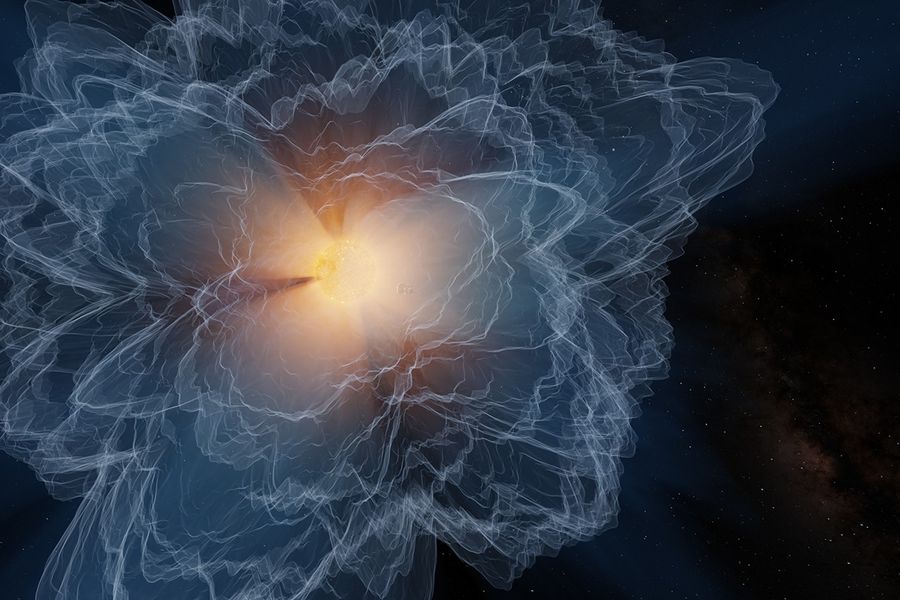
    The Sun appears as a glowing yellow ball at the center. Surrounding it are petal-like features in blue with squiggly white outlines. Near the center to the right of the Sun appears the Parker Solar Probe spacecraft.

    With the help of NASA’s Parker Solar Probe, astronomers have made the first continuous, two-dimensional maps of the outer edge of the Sun’s atmosphere. At this boundary, which scientists call the Alfvén surface, solar material escapes from the Sun to become the solar wind, a million-mile-per-hour stream of particles that flows outward in all directions across the solar system, striking planets, […]

    Read Full Post