





















NASA’s Parker Solar Probe Helps Map Sun’s Outer Boundary
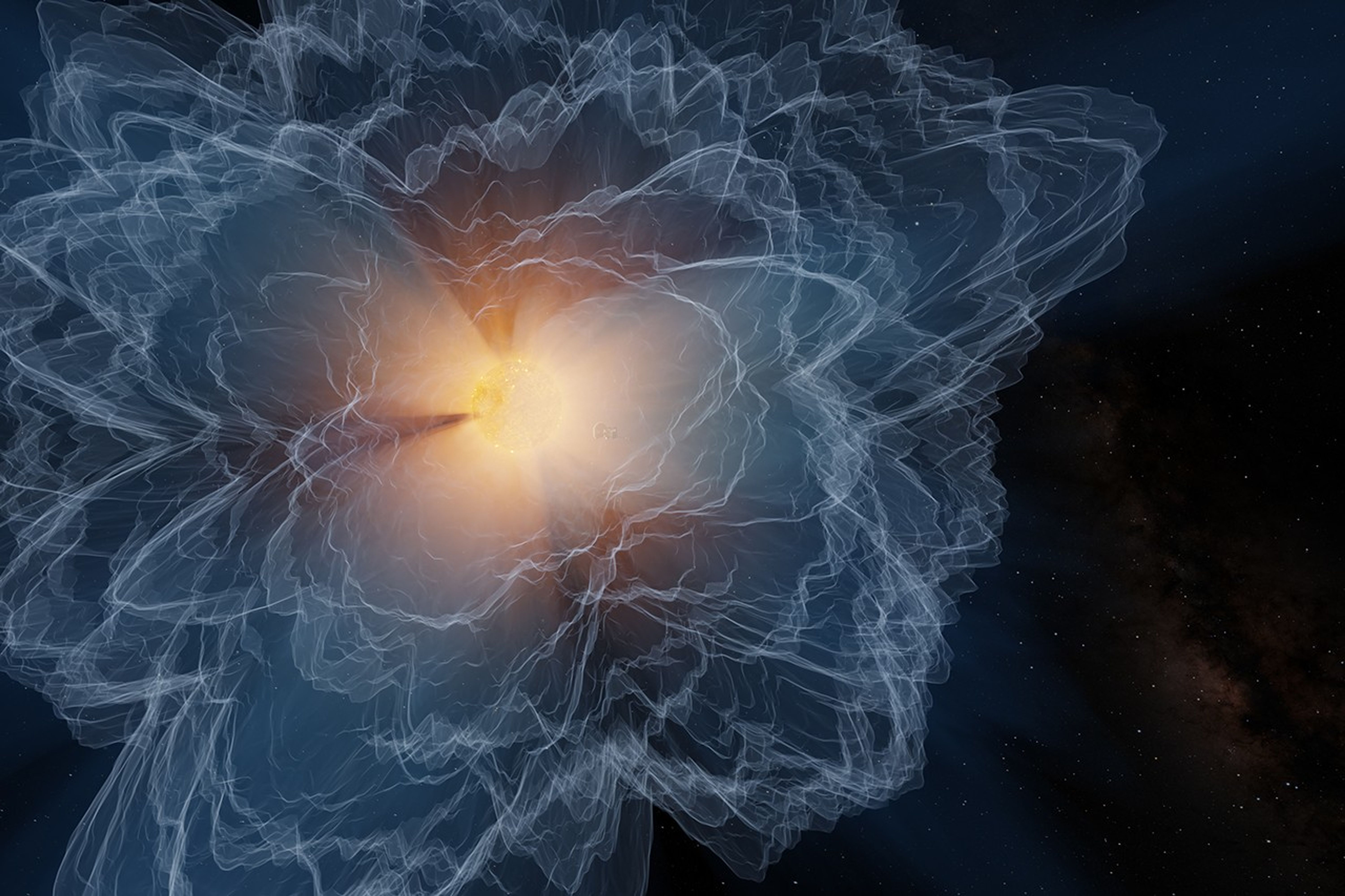
With the help of NASA’s Parker Solar Probe, astronomers have made the first continuous, two-dimensional maps of the outer edge of the Sun’s atmosphere.
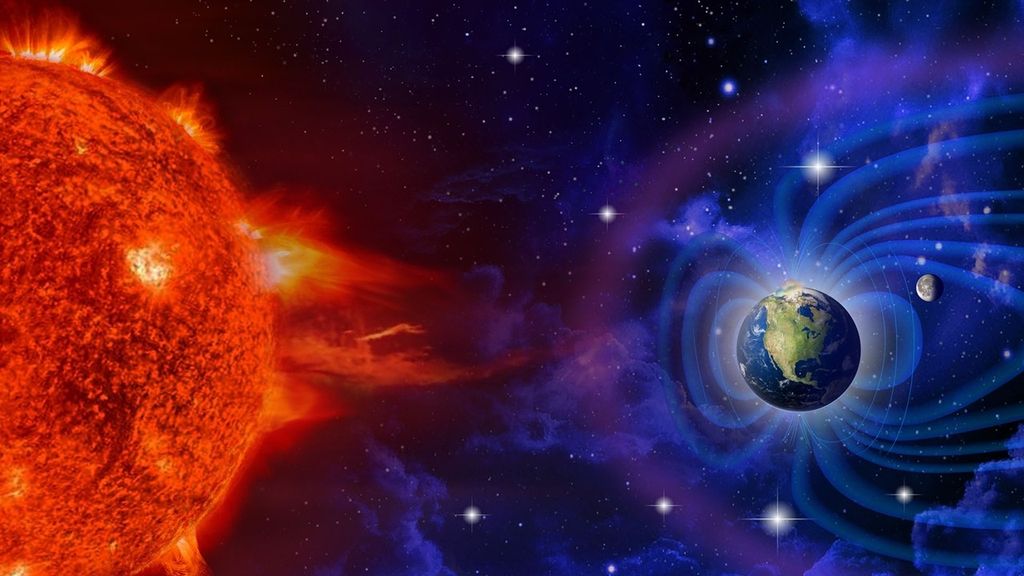
At this boundary, which scientists call the Alfvén surface, solar material escapes from the Sun to become the solar wind, a million-mile-per-hour stream of particles that flows outward in all directions across the solar system, striking planets, spacecraft, and anything else in its way.
Published Thursday in the Astrophysical Journal Letters, results using Parker Solar Probe’s Solar Wind Electrons Alphas and Protons (SWEAP) instrument show that this boundary grows larger, rougher, and spikier as the Sun becomes more active during its 11-year solar cycle.
Scientists have been using other solar observatories, such as the NASA/ESA (European Space Agency) Solar Orbiter and NASA’s Wind, to begin mapping the boundary between the Sun’s atmosphere and the solar wind. However, Parker Solar Probe gets closer to the Sun than any other spacecraft in history — so close that it repeatedly flies through this boundary, providing direct validation of the maps and showing how the boundary changes as the Sun’s activity varies.
Knowing exactly where this critical boundary is could help scientists answer big questions about the Sun’s outer atmosphere, known as the corona, and help us understand how solar activity impacts the rest of the solar system, including life on Earth and our technology.
– Vanessa Thomas and Amy Oliver
