














NASA-Supported Study Finds Irrigation Gaps in Air Quality Forecasts
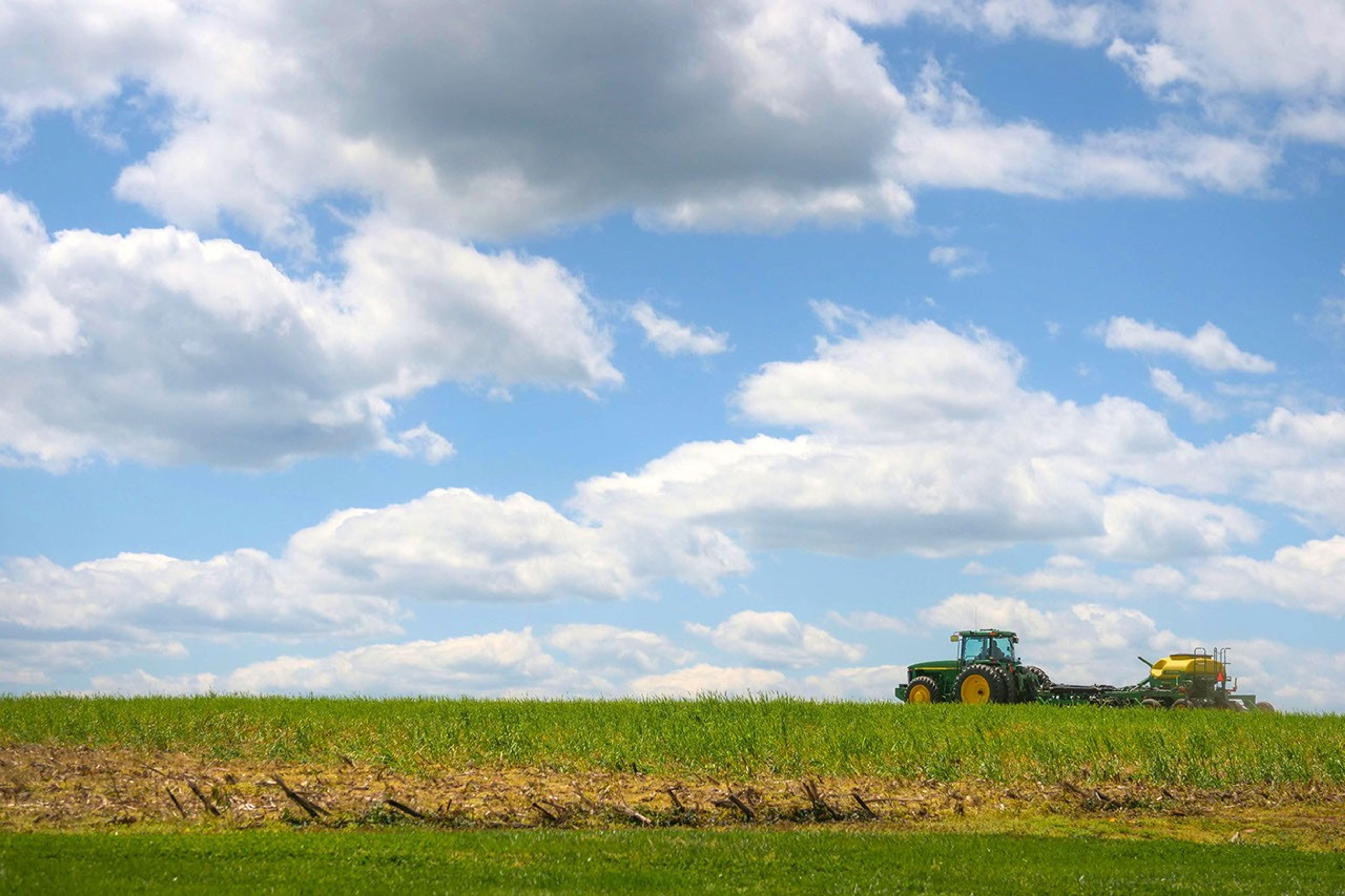
Computer models used to forecast air quality may have gaps when it comes to farmland, according to a newly published NASA-supported study that compared simulations to real-world data collected on both coasts. Irrigation, in particular, may play a greater role than previously thought when it comes to how heat, moisture, and pollutants churn between Earth’s surface and atmosphere.
The study was led by researchers at Penn State University who wanted to understand if the Weather Research and Forecasting model widely used by regulators was properly accounting for water added to the landscape via irrigation. To do so, they compared model performance with heat and moisture data collected at field sites scattered across California’s San Joaquin Valley and the Mid-Atlantic region.
The team found that the model performed better in the Mid-Atlantic region than in the San Joaquin Valley. Because the model doesn’t simulate irrigation, watered fields appeared hotter and drier than they really were. It didn’t account for how irrigation cooled and moistened the landscape through evaporation, especially during daylight hours in spring and summer.
Conditions on the ground influence how fine particles, ozone, and other pollutants form and travel through the air we breathe, the authors noted. The team concluded that, especially in agricultural regions, integrating space-based observations of vegetation and soil moisture could help close gaps in existing models and, ultimately, improve air quality forecasts.
This project was supported by NASA’s Health and Air Quality Applications Program, a part of NASA Earth Action. The team included researchers from the California Resources Board, the U.S. Department of Agriculture, and the Pennsylvania Department of Environmental Protection.
~Sally Younger, Earth Science News Team
