



















NASA’s SunRISE Mission Changes Launch Vehicle to SpaceX Falcon Heavy
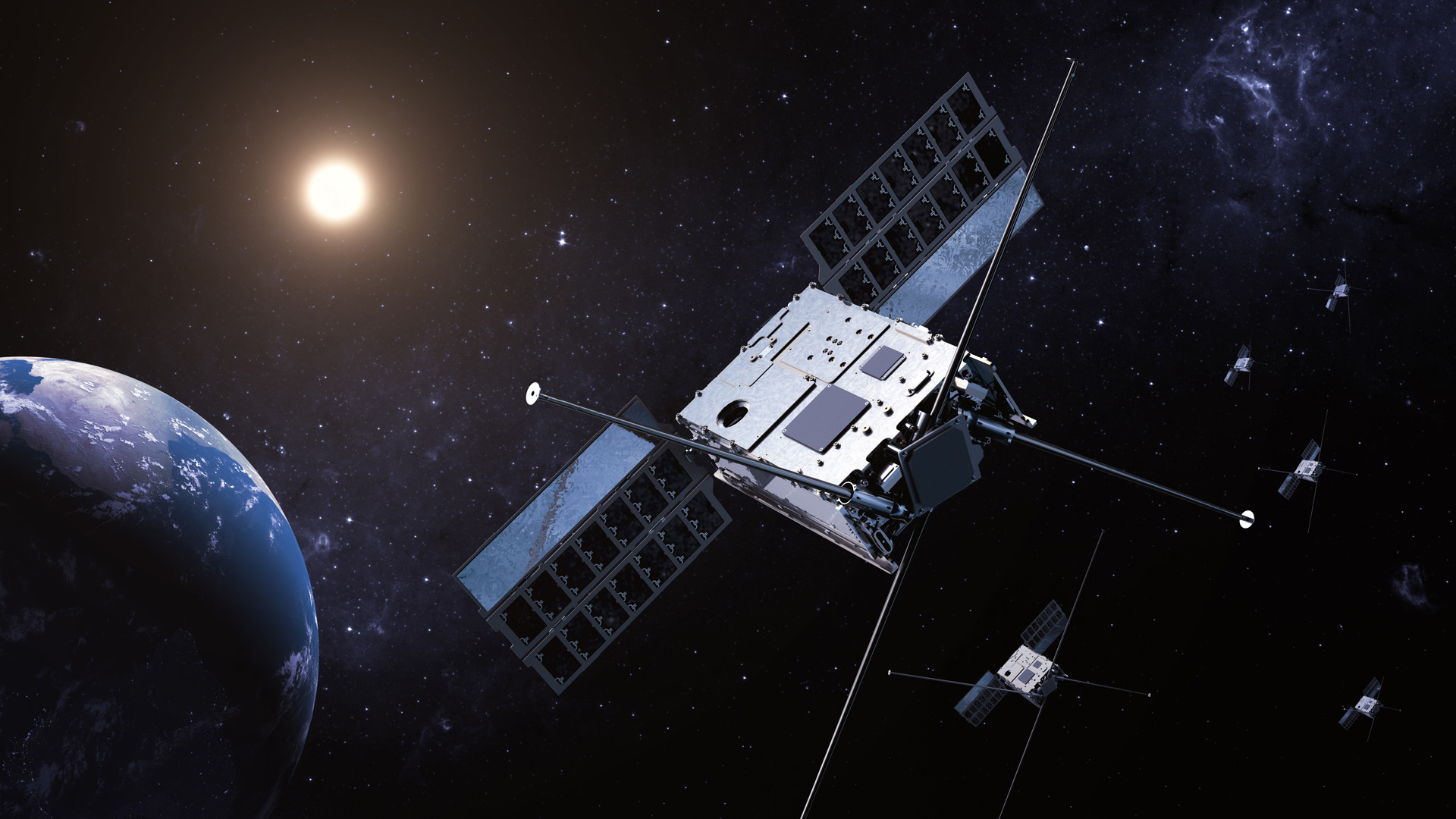
NASA’s SunRISE (Sun Radio Interferometer Space Experiment) mission will launch on a SpaceX Falcon Heavy rocket from the agency’s Kennedy Space Center in Florida, shifting from its original ride into space aboard a United Launch Alliance Vulcan Centaur vehicle. NASA will share updated launch timing in the near future. The heliophysics mission will fly as a rideshare sponsored by the United States Space Force’s Space Systems Command.
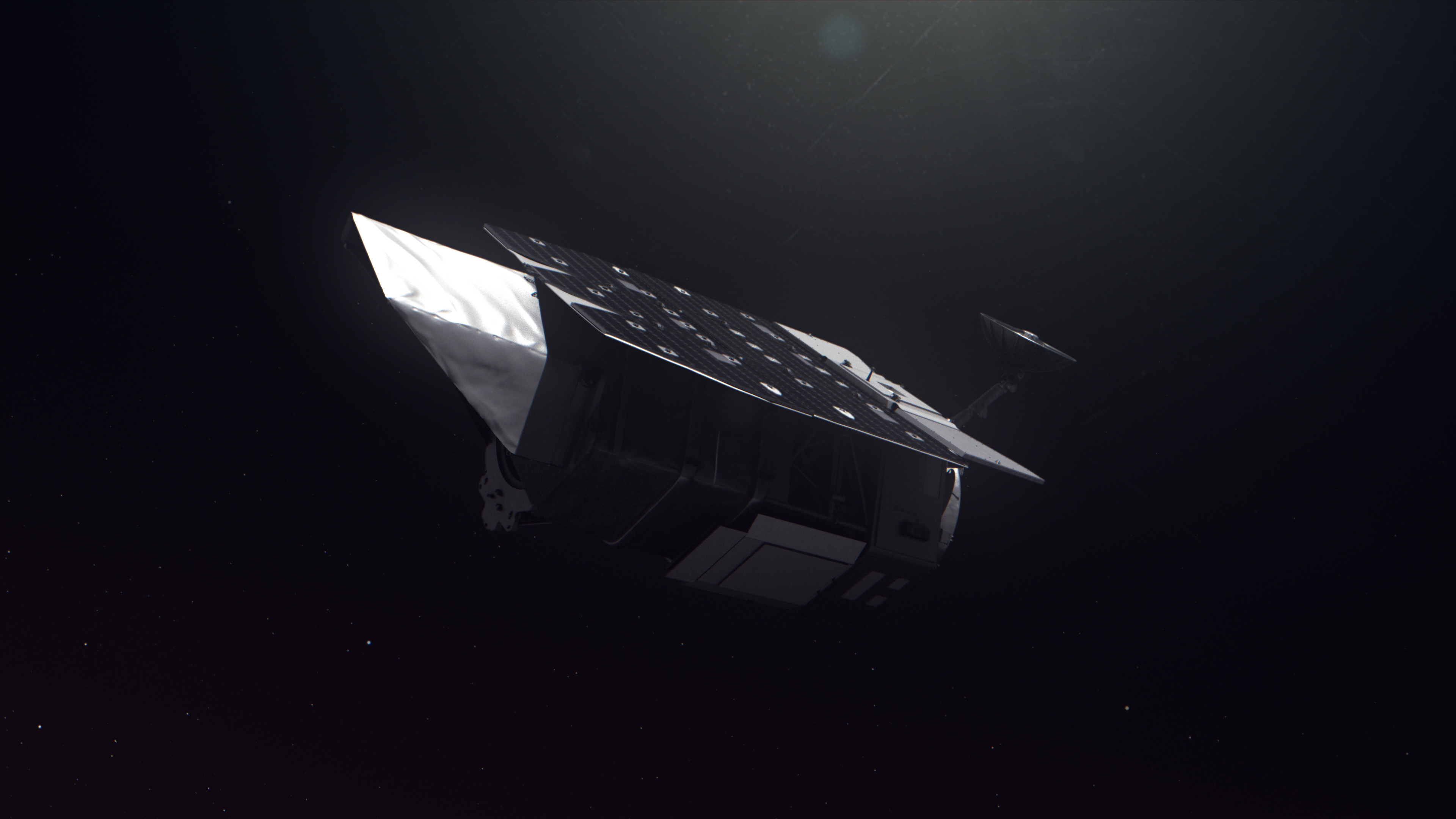
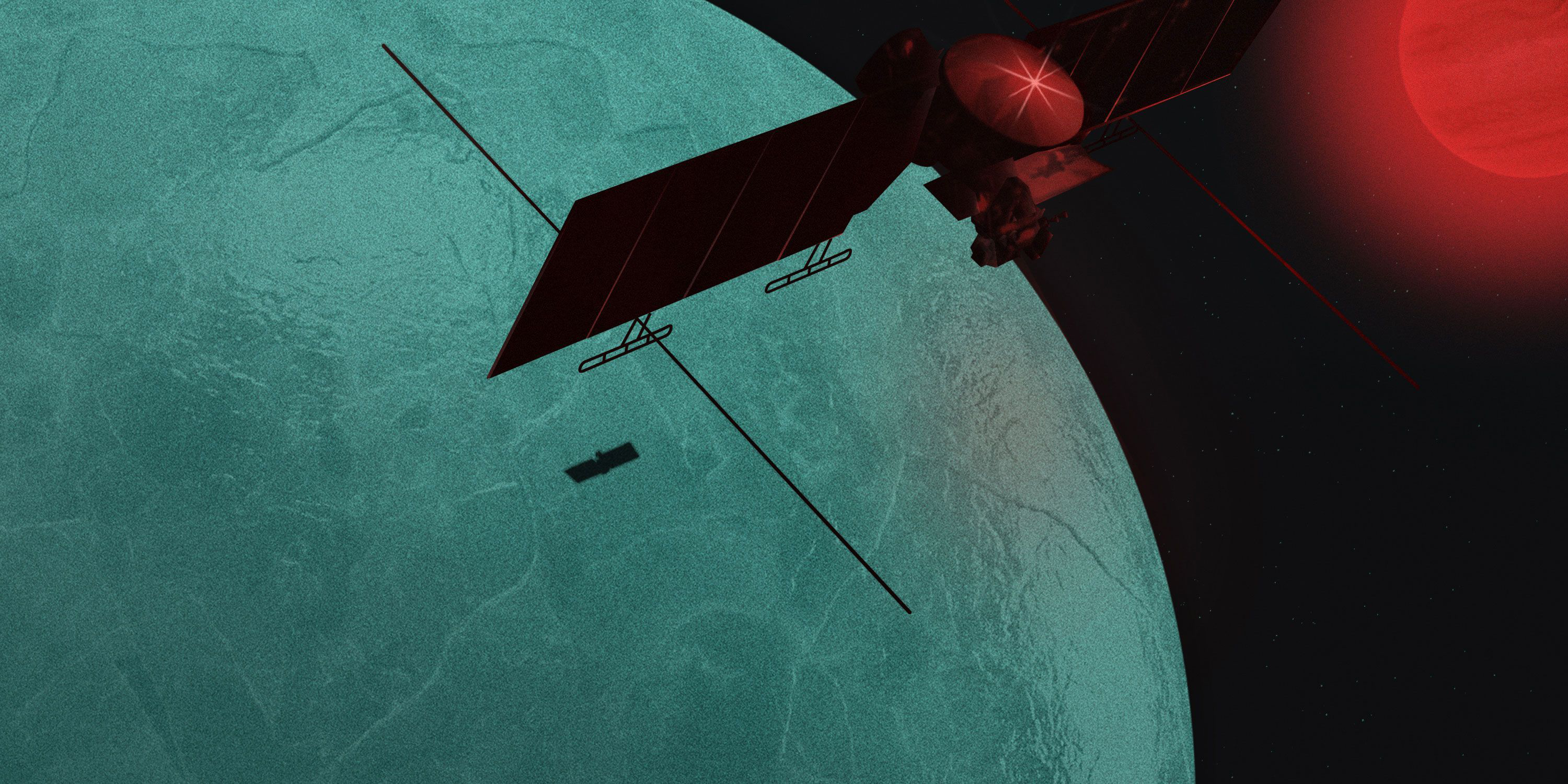
The mission’s six toaster-oven-size small satellites, or SmallSats, will operate as one giant radio dish slightly above geosynchronous orbit (about 22,000 miles, or 35,000 kilometers, in altitude) to track the rumbles of radio bursts coming from within the Sun’s atmosphere, or corona. Those bursts are generated by accelerated particles leaving the Sun. The solar radio waves arrive at Earth before the solar energetic particles. In extreme cases, solar particle events can damage satellites and affect astronauts. Using SunRISE to track the radio waves they generate could improve prediction and mitigation efforts.
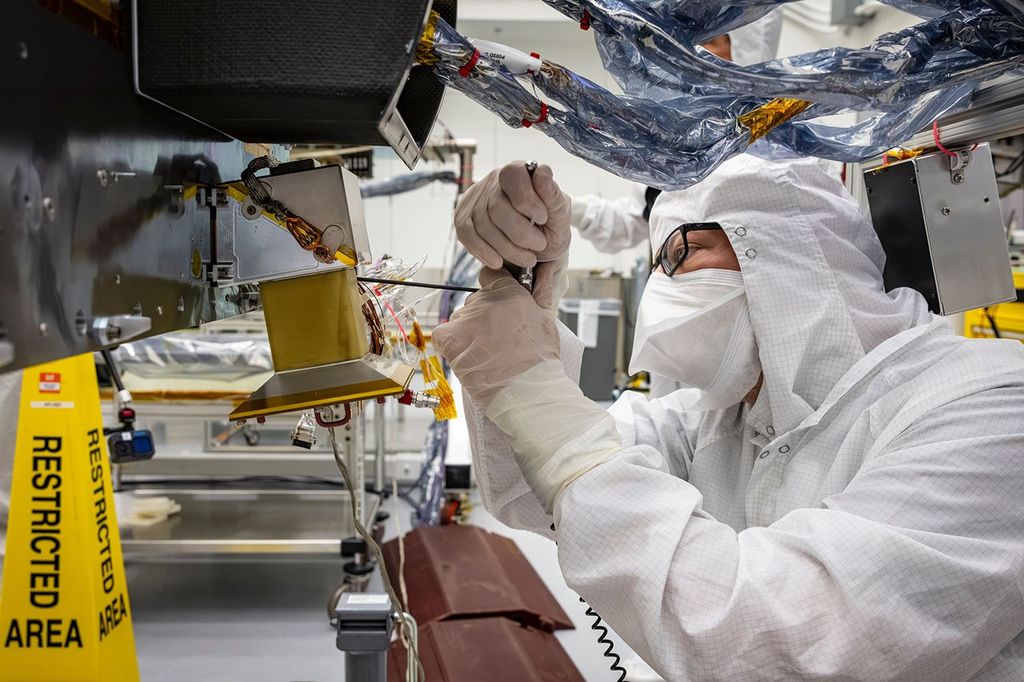
The SmallSats have completed assembly and testing at Utah State University’s Space Dynamics Laboratory in Logan, where they will be stored until the launch period is confirmed.
NASA’s SunRISE is a Mission of Opportunity under the Heliophysics Division of the agency’s Science Mission Directorate at NASA Headquarters in Washington. These missions are part of the Explorers Program, managed by NASA’s Goddard Space Flight Center in Greenbelt, Maryland. The mission’s science investigation is led by the University of Michigan in Ann Arbor, which also provides the science operations center, and the project is managed by JPL, a division of Caltech in Pasadena, California, which also provides the mission operations center.