













Suggested Searches

Tidal Tales

Gravity tends to sculpt galaxies into symmetrical shapes. But interactions with other galaxies can distort these shapes. As galaxies approach each other, their gravity pulls on each other’s stars, planets, gases, and dark matter in much the same way that our Moon’s gravity pulls on Earth’s oceans to create tides. The story told by the distorted shapes of galaxies gives astronomers clues to their history, including whether they have encountered or merged with one another. 
Galaxy Zoo: Tidal Tales invites you to help read the story of galactic encounters in galaxy shapes. You will study beautiful images from the European Space Agency’s Euclid spacecraft, which is on a cosmological quest to explore the dark universe. Anyone with a cellphone or laptop can do this project.

Go to Project Website about Tidal Tales

project task

Examine images

division

Astrophysics/ Universe

where

Online

launched

2026

Against the backdrop of space and a smattering of small points of light, four pairs of galaxies are caught mid-merger. At least two distinct, bright nuclei are visible inside each pairing. The swirls of stars, planets, gasses surround each pair has taken on a wildly different appearance from one to another. The upper right pair resembles a single swish. The upper left shows two tear drops merging, their tails extending almost opposite each other. In the lower left, a heavy-lashed human eye-shaped blob has connected with a tadpole. In the lower right, just two tails spin off the two nuclei almost like two arms spinning off a single galaxy.
Three images of galaxy mergers like the ones you’ll classify as a Galaxy Zoo: Tidal Tales participant. 
Euclid mission

What you'll do:

  • View images of galaxies taken by the Euclid Mission.
  • Learn how to identify the telltale evidence of galactic mergers in images of galaxies taken by the Euclid Mission
  • Answer a short series questions about each image to help scientists and enthusiasts worldwide build a clearer picture of how galaxies assemble and evolve over cosmic time.

Requirements

  • Time: Ten minutes to complete the tutorial
  • Equipment: internet connected computer, tablet, or smartphone
  • Knowledge: None. The website offers a tutorial and a Field Guide with a gallery of examples. 

Get started! 

  1. Visit the project website.  
  2. Complete the in-project tutorial.
  3. Start identifying the evidence of galactic interactions.

Learn more: 

Visit Tidal Tales’ Education page for links to image galleries and websites to learn more about everything from galaxy basics to mergers, and the European Space Agency’s Euclid mission, which is the source of images used in this project. 

Interested in more citizen science projects about galaxies? Try Galaxy Zoo or Redshift Wrangler.

Tidal Tales logo. A cartoon depicts two galaxies with opposite rotations merging together against a backdrop of black space. Each galaxy has a "tidal tail" or extended arm of material sweeping away from its nucleus. These two tails are crossing below the nuclei of the galaxies such that the whole configuration resembles a Valentine heart.
Against the backdrop of space and a smattering of small points of light, four pairs of galaxies are caught mid-merger. At least two distinct, bright nuclei are visible inside each pairing. The swirls of stars, planets, gasses surround each pair has taken on a wildly different appearance from one to another. The upper right pair resembles a single swish. The upper left shows two tear drops merging, their tails extending almost opposite each other. In the lower left, a heavy-lashed human eye-shaped blob has connected with a tadpole. In the lower right, just two tails spin off the two nuclei almost like two arms spinning off a single galaxy.
Four examples of galaxy mergers imaged by the Euclid mission spacecraft. The brightest spots are galaxy centers. The clouds of fuzzy light extending away from the centers are the stars, planets and gasses whose positions have been influenced by the gravitational impact of the galactic merger underway.
Euclid mission

Get to know the people of Tidal Tales!

Haley Roberts

Project Lead, Astrophysicist, University of Minnesota

Tidal Tales logo. A cartoon depicts two galaxies with opposite rotations merging together against a backdrop of black space. Each galaxy has a "tidal tail" or extended arm of material sweeping away from its nucleus. These two tails are crossing below the nuclei of the galaxies such that the whole configuration resembles a Valentine heart.

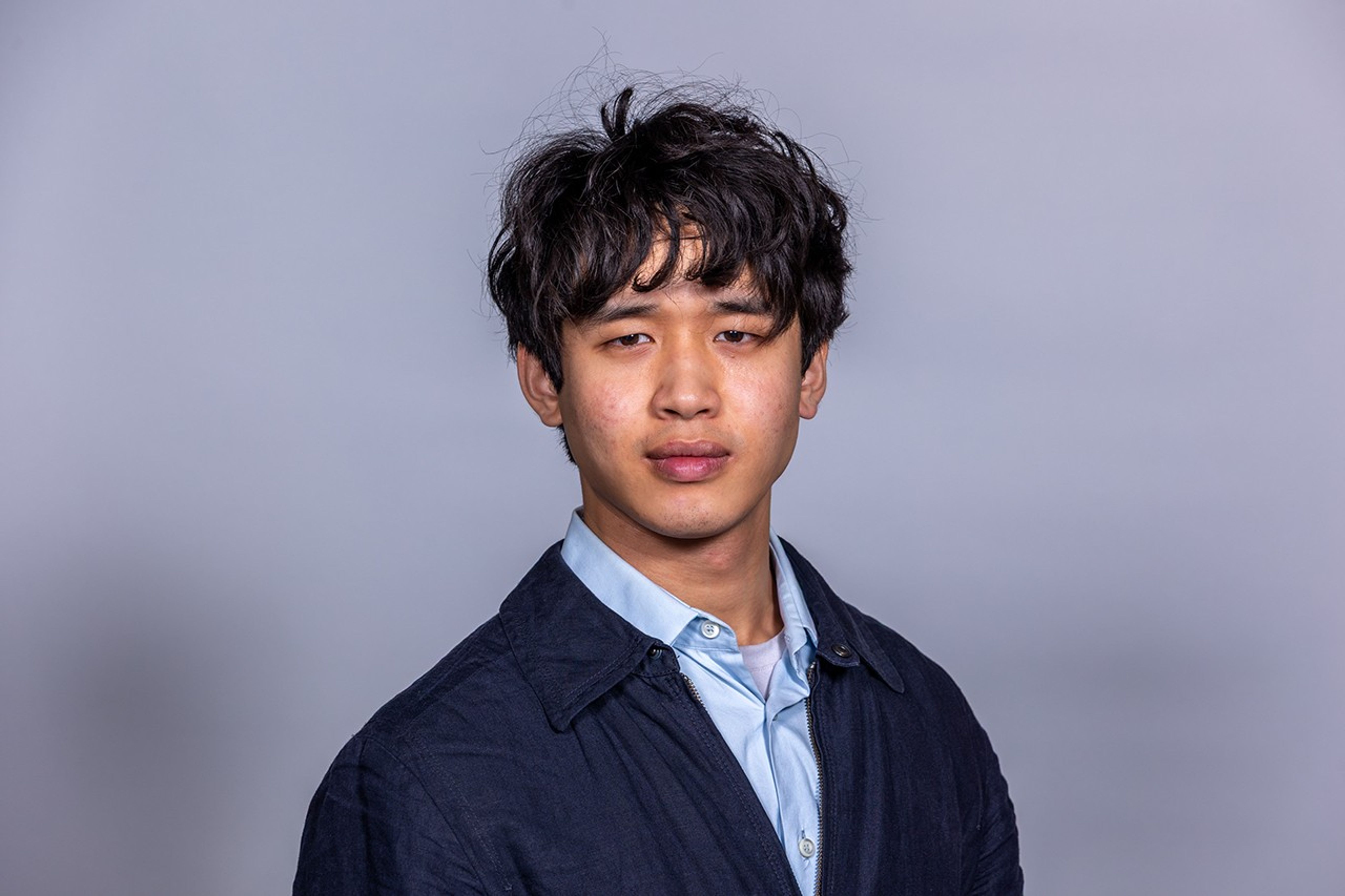
Patrick Wang

Undergraduate researcher, Haverford College

Vivasvaan Aditya Raj

Astrophysicist, University of Minnesota

Portrait photo of a smiling woman

Lucy Fortson

Astrophysicist, University of Minnesota

Tobias Geron

Astronomer, University of Toronto

Kameswara Bharadwaj Mantha 

Astrophysicist, University of Minnesota

Portrait photo of a smiling woman wearing glasses

Karen Masters

Galaxy Zoo Principal Investigator, Astronomer, Haverford College

Photo of a smiling man wearing glasses

David O’Ryan

Astrophysicist, European Space Agency

Portrait photo of a smiling woman

Brooke Simmons

Deputy PI, Astronomer, Lancaster University

Headshot photo of a young man with a mustache

Mike Walmsley

Technical Lead, Astronomer, University of Toronto