


























Meeting Summaries


Introduction The Clouds and the Earth’s Radiant Energy System (CERES) was initially designed in the late-1980s and early-1990s as a facility instrument for NASA’s Earth Observing System (EOS). Since its inception, NASA’s Langley Research Center (LaRC) has led this effort.…
Introduction Launched in Feb. 2024, NASA’s Plankton, Aerosol, Cloud, ocean Ecosystem (PACE) mission is a cornerstone of Earth system science designed to deepen our understanding of how these environmental and biological components come together to influence our climate, carbon cycle,…
Introduction The NASA Arctic–Boreal Vulnerability Experiment (ABoVE) is a large-scale ecological study in the northern regions of North America (Alaska and western Canada) that was developed to understand environmental changes in the region and the implications of those changes for…
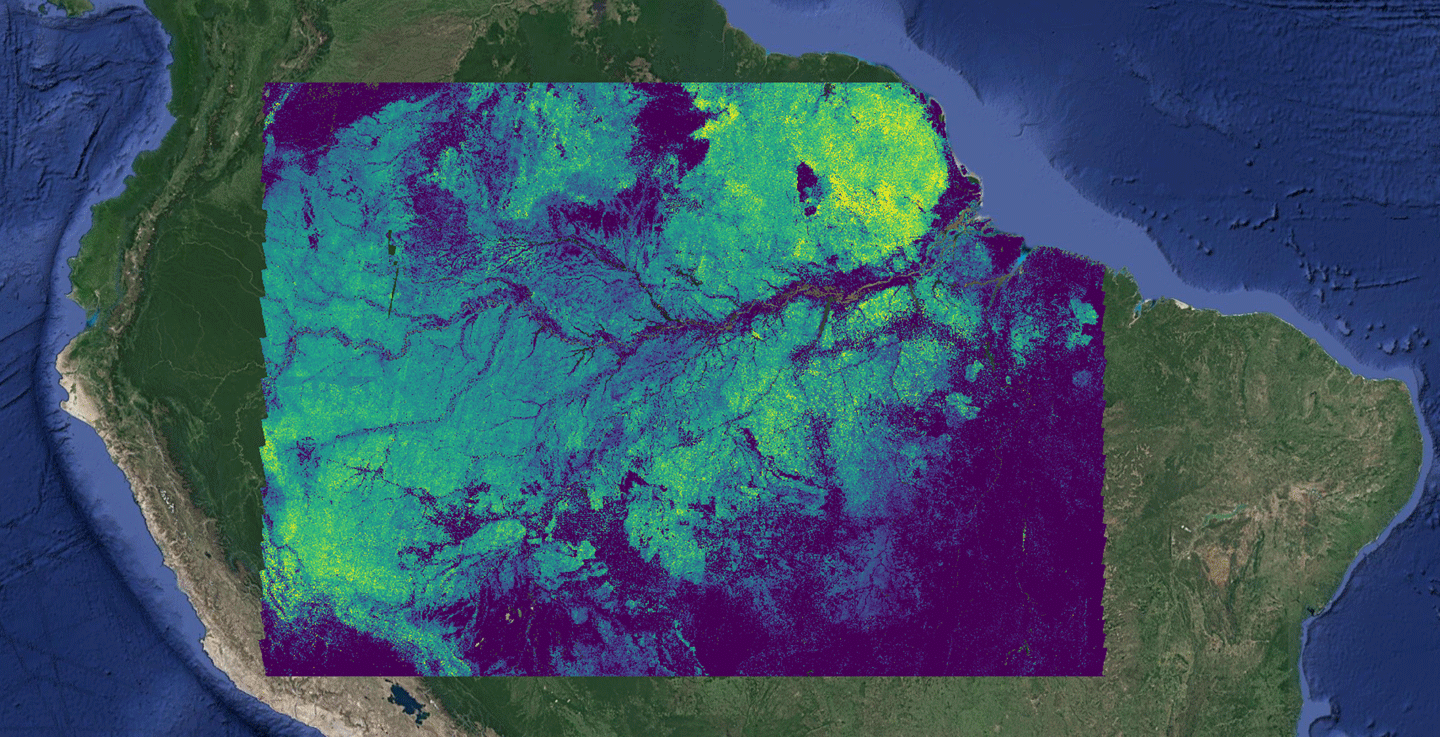
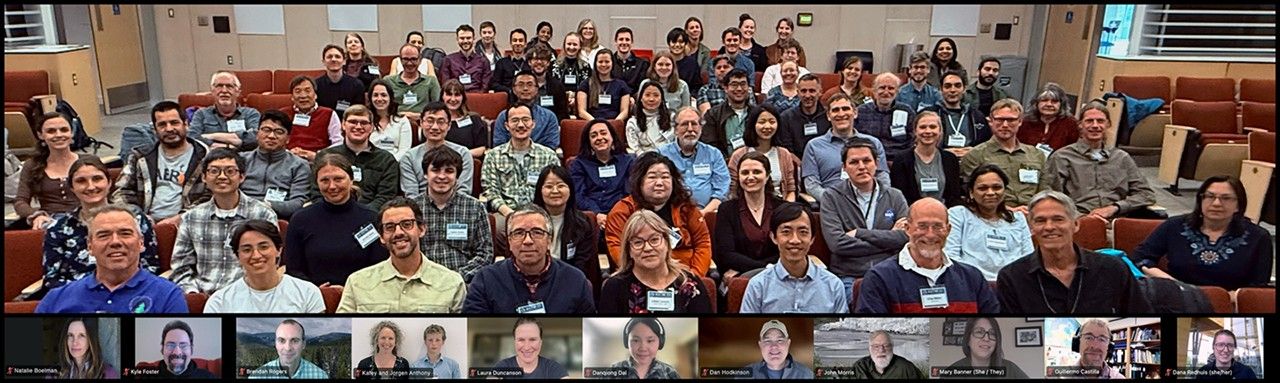
Introduction The 2025 Global Ecosystem Dynamics Investigation (GEDI) Science Team Meeting (STM) took place April 1–3, 2025 at the University of Maryland, College Park (UMD). Upwards of 60 participants attended in-person, while several others joined virtually by Zoom. The GEDI…
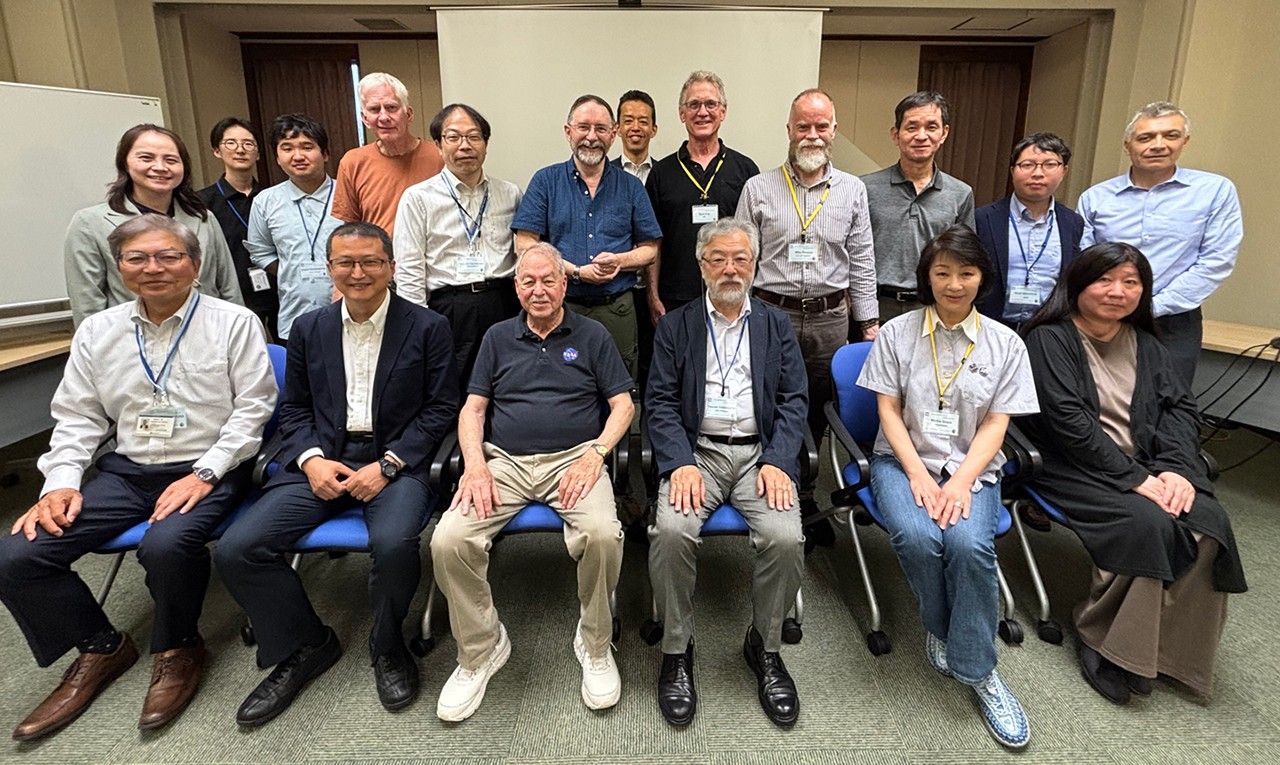
Introduction The Advanced Spaceborne Thermal Emission and Reflection Radiometer (ASTER) Science Team (ST) organized a three-day workshop that took place June 9–11, 2025, at the Japan Space System’s (JSS) offices in Tokyo, Japan. About 25 people from Japan and the…
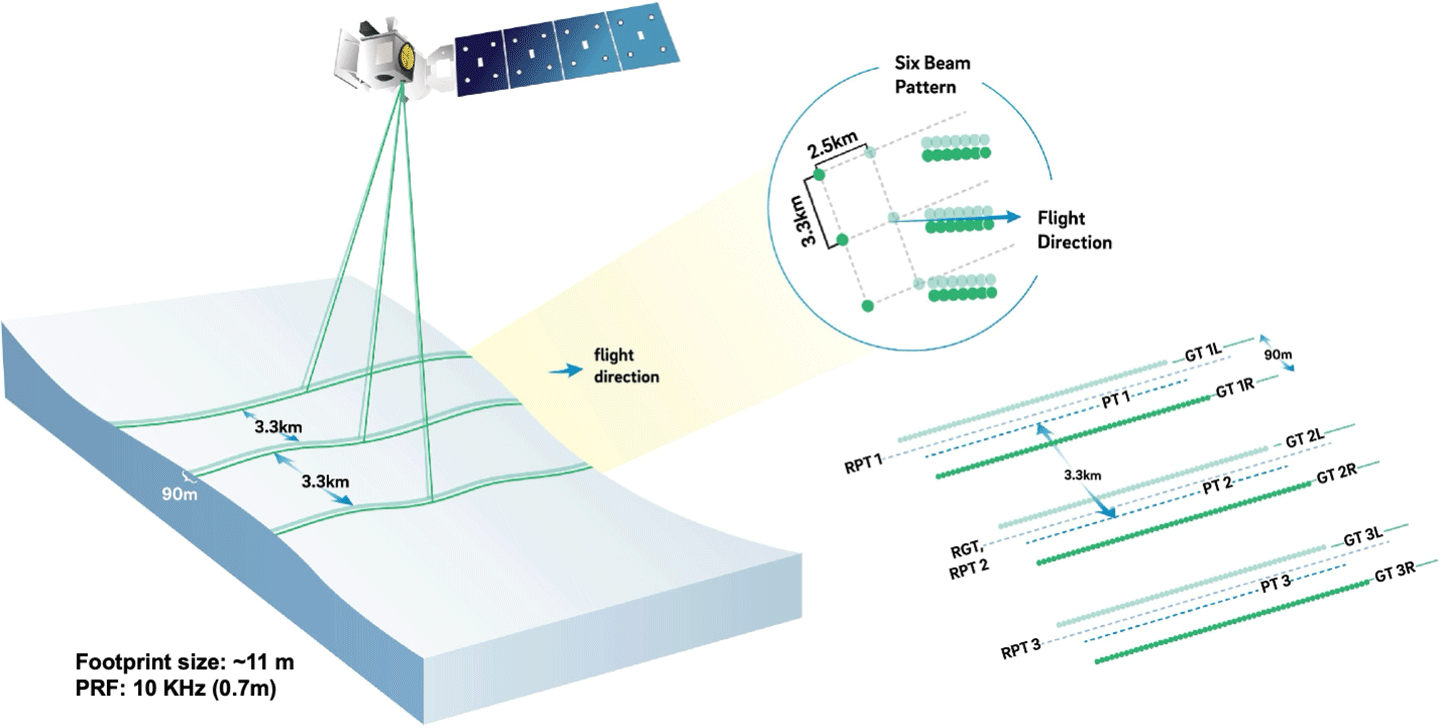
Introduction On September 15, 2018, the NASA Ice, Cloud, and land Elevation Satellite-2 (ICESat-2) mission launched from Vandenberg Air Force Base and began its journey to provide spatially dense and fine-precision global measurements of Earth’s surface elevation. Now in Phase…
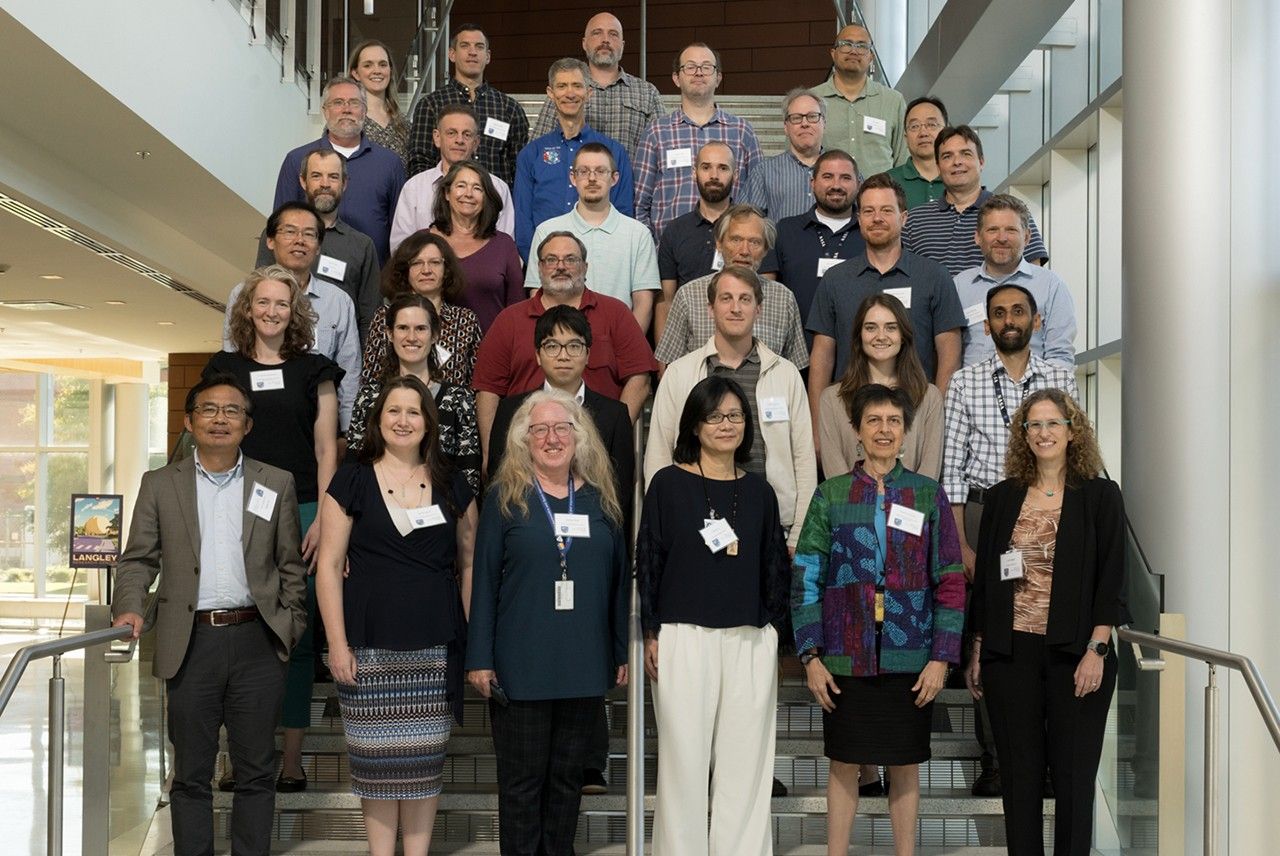
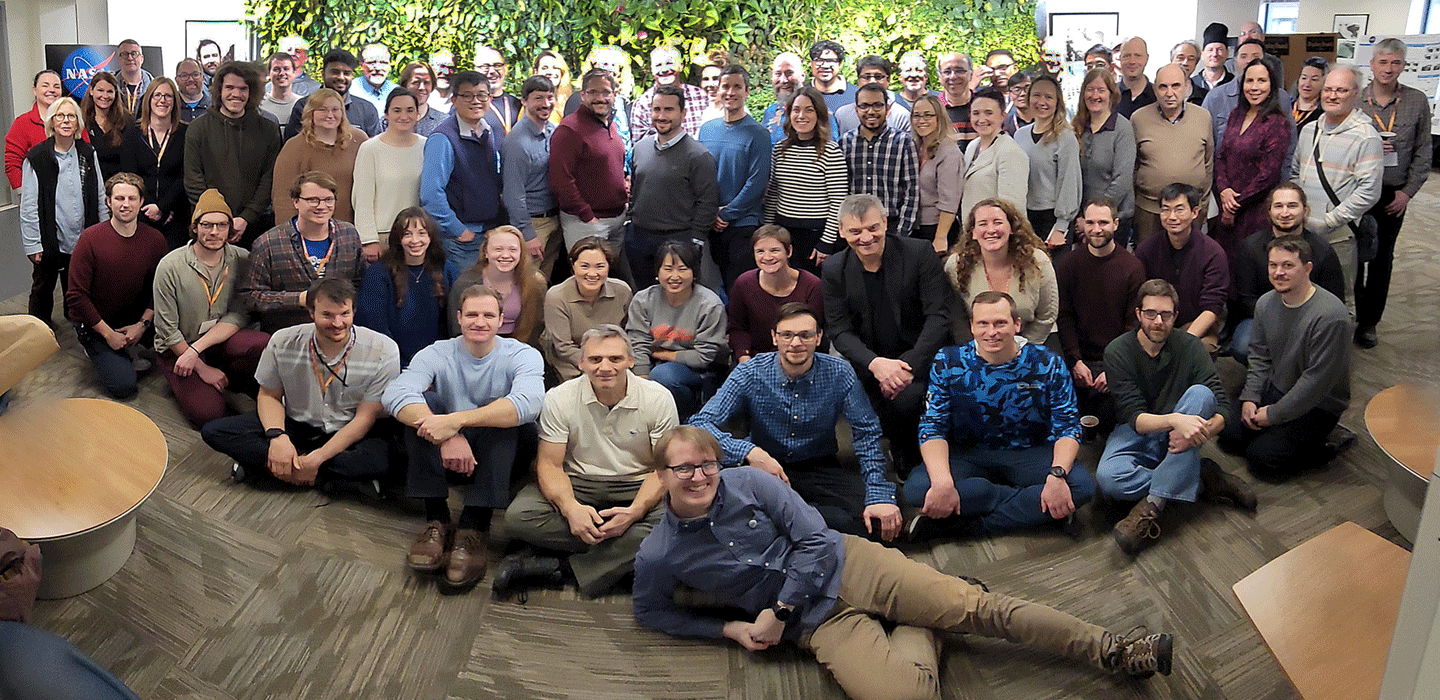
Introduction The Stratospheric Aerosol and Gas Experiment (SAGE) III/International Space Station [SAGEIII/ISS] Science Team Meeting (STM) took place on October 22–23, 2024, in a hybrid format. Approximately 50 scientists attended in person at NASA’s Langley Research Center (LaRC) – see…
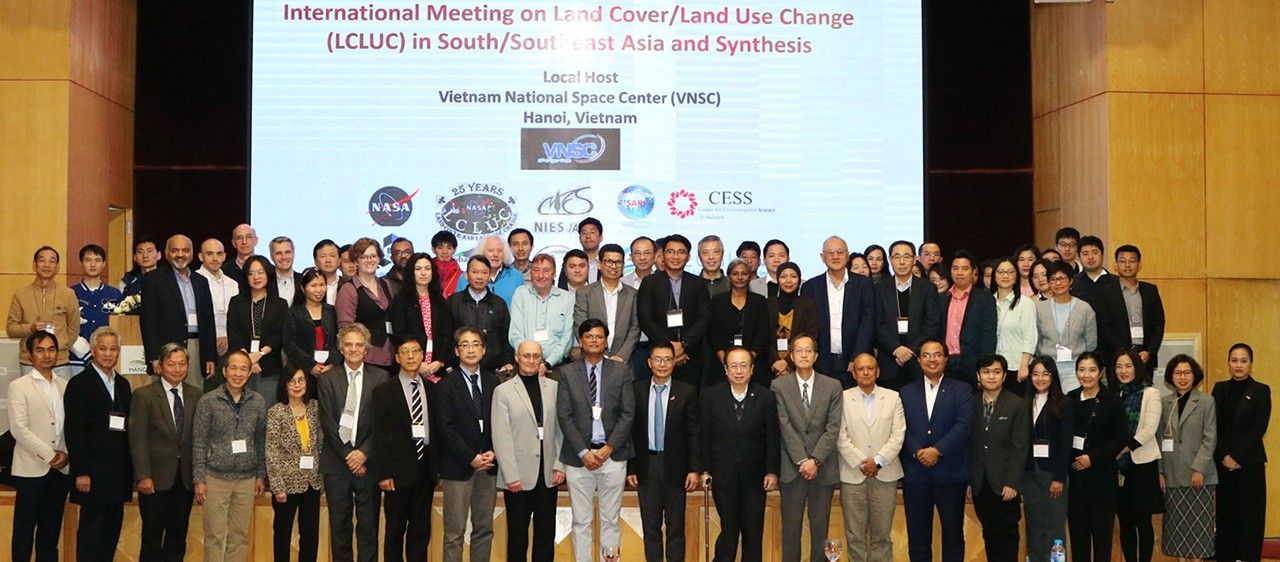
Introduction The NASA Land-Cover and Land-Use Change (LCLUC) is an interdisciplinary scientific program within NASA’s Earth Science program that aims to develop the capability for periodic global inventories of land use and land cover from space. The program’s goal is to…
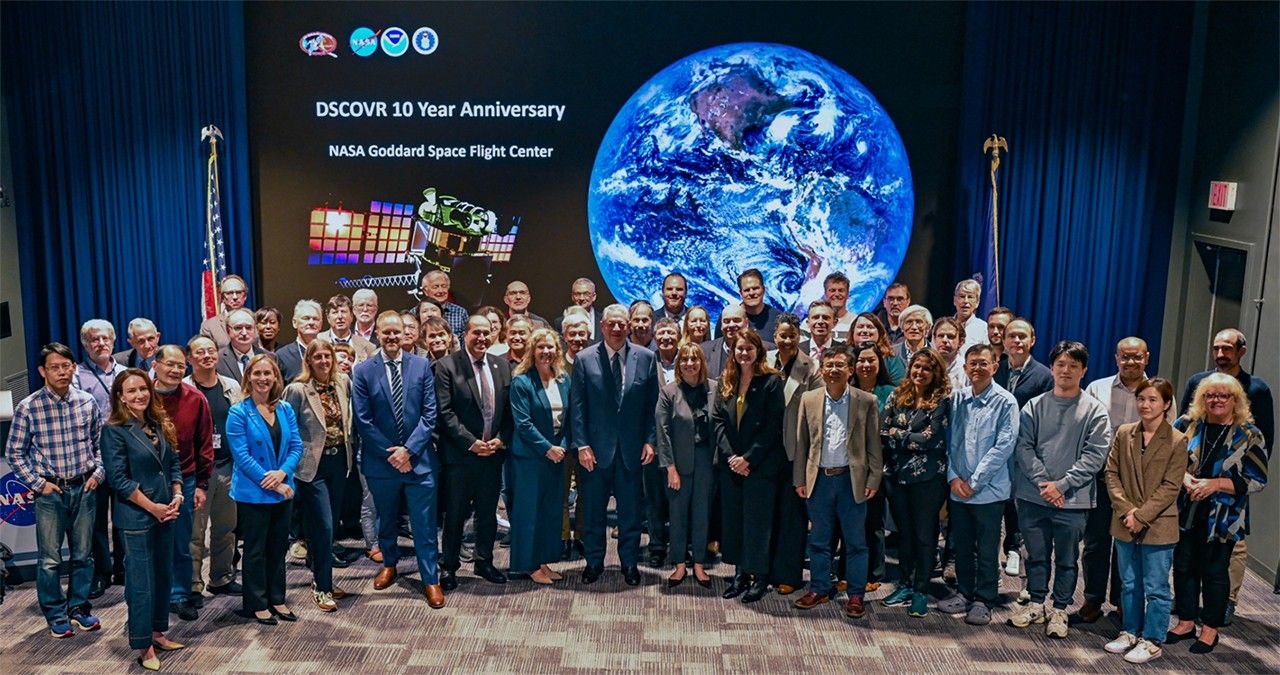
Introduction The 10th Deep Space Climate Observatory (DSCOVR) Earth Polychromatic Camera (EPIC) and National Institute of Standards and Technology (NIST) Advanced Radiometer [NISTAR] Science Team Meeting (STM) was held October 16–18, 2024. Over 50 scientists attended, most of whom were from NASA’s Goddard Space Flight…
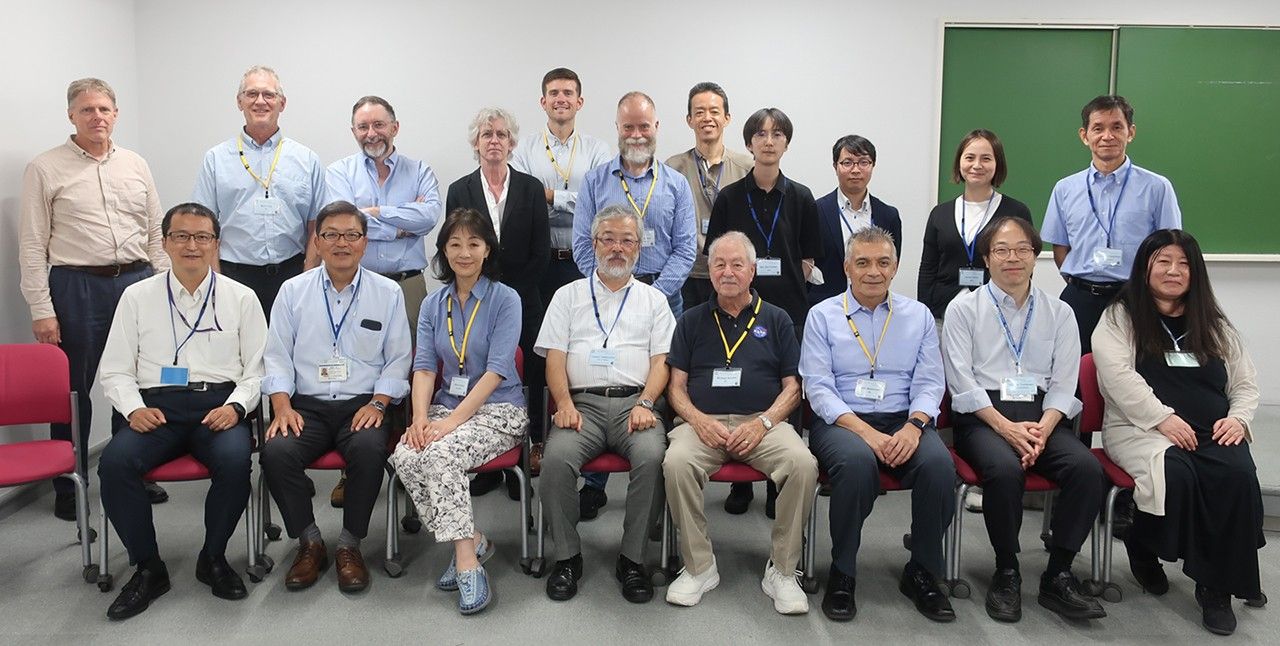
Introduction The Advanced Spaceborne Thermal Emission and Reflection Radiometer (ASTER) Science Team (ST) organized a three-day workshop that took place September 9–11, 2024, at the Japan Space System’s (JSS) offices in Tokyo, Japan. About 30 people from Japan and the…