























Recent Earth Science News and Articles
Stay up-to-date with the latest news and articles from NASA Earth as we discover more about our home planet.
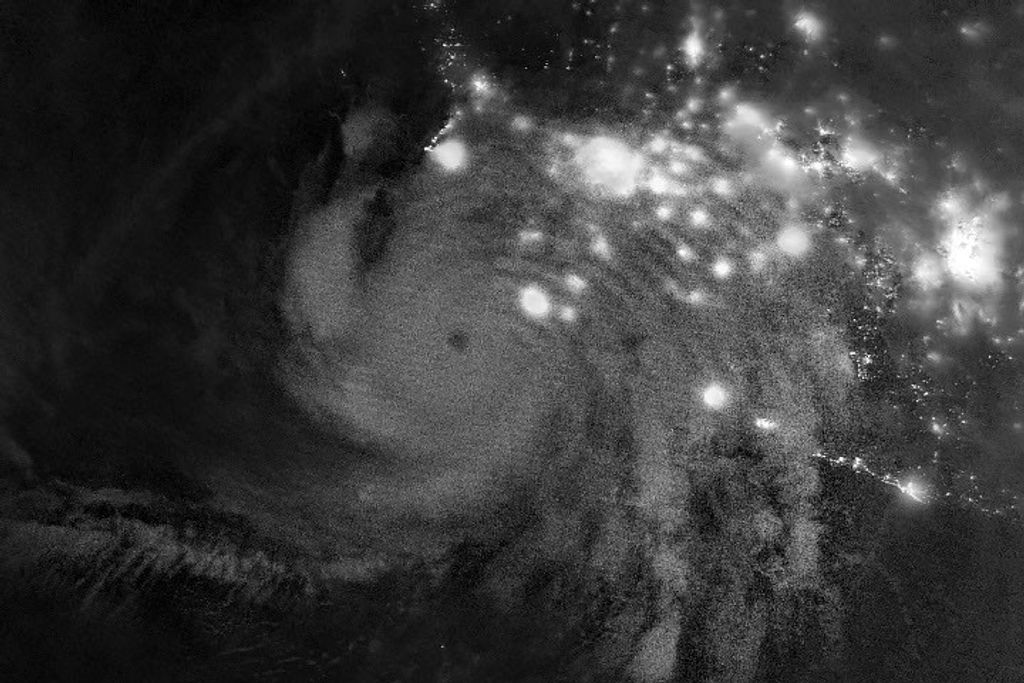
Though it remained offshore, the storm lashed coastal areas with high winds and flooding—and produced remarkable rippling patterns in the upper atmosphere.
In July 2025, NASA’s Earth Venture Suborbital Mission FORTE went into action on the North Slope of Alaska.
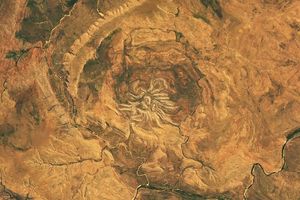
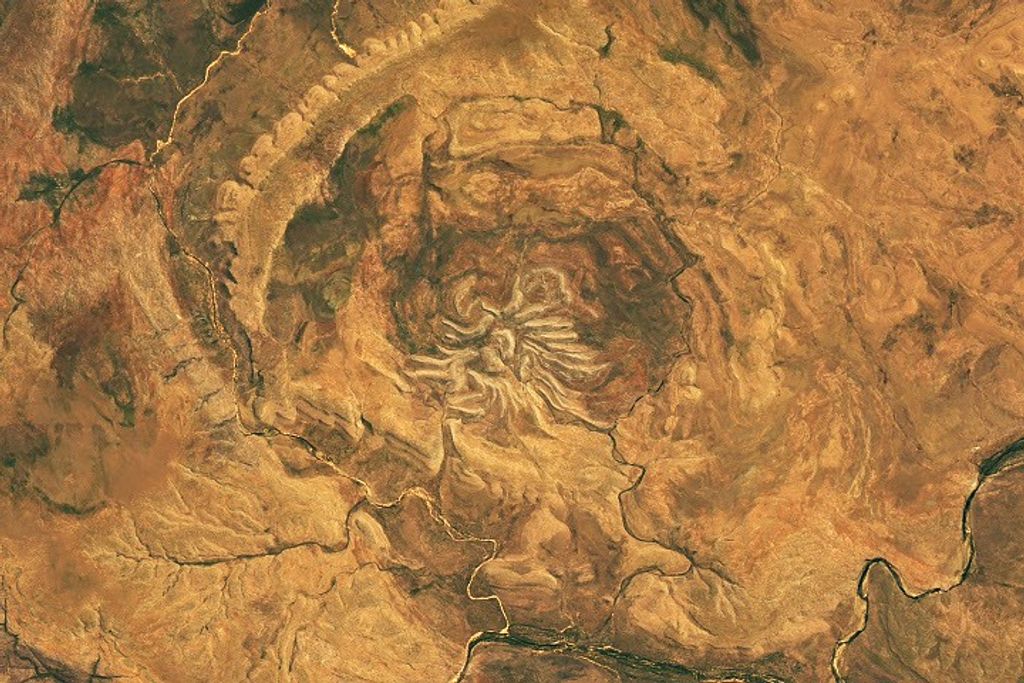
If the thought of extraterrestrial objects crashing into Earth weren’t creepy enough, behold Australia’s Spider Crater.
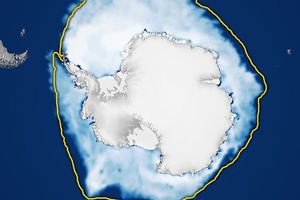
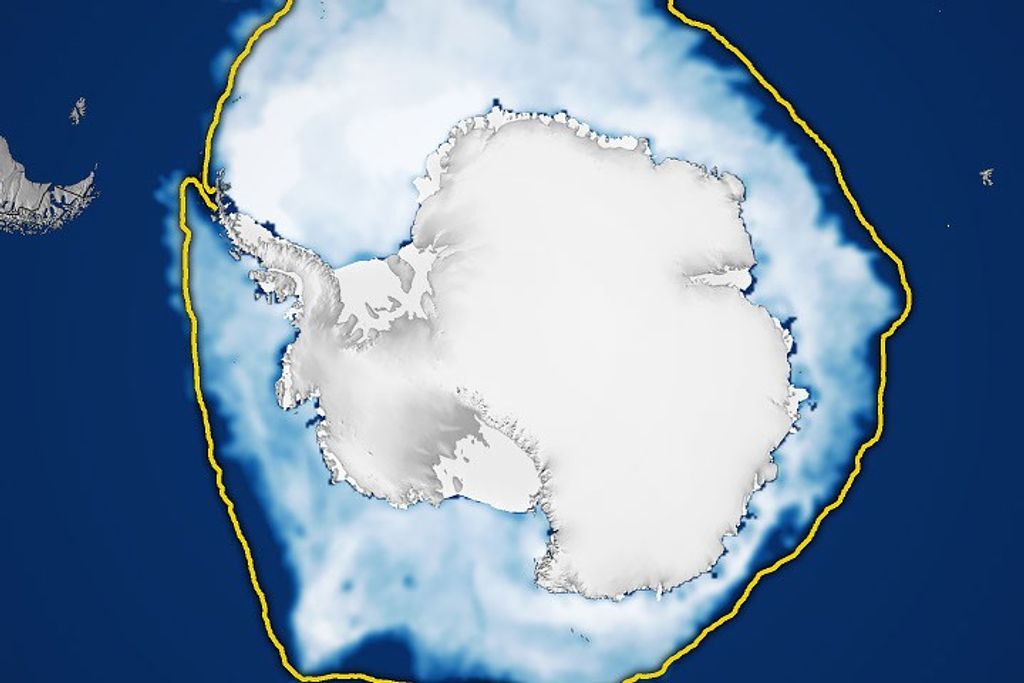
The ice reached its third-lowest maximum extent since satellite observations began.
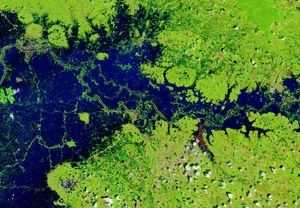
Heavy rains since mid-September have caused widespread flooding that has affected millions of people across the country.
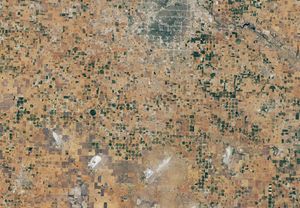
Drought and an ailing aquifer were major topics of conversation when NASA scientists visited with farmers in the Texas High Plains.
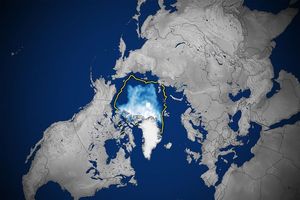
Satellite records show Arctic sea ice covering less of the ocean in both winter and summer.
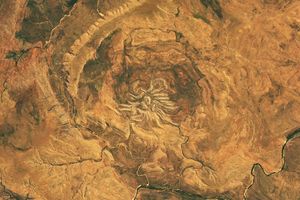
Your challenge is to tell us the location of the satellite image and why it is interesting.
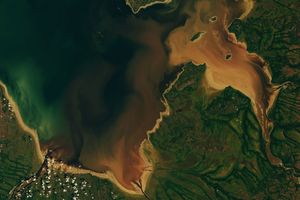
Dissolved organic matter and suspended sediment mingle in the southernmost extent of James Bay.
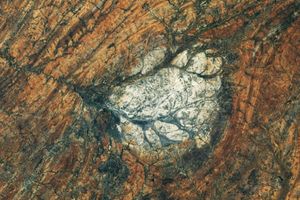
A bright lens of anorthosite, a rock type prevalent on the lunar surface, is cradled within sheared rocks in the country’s south.
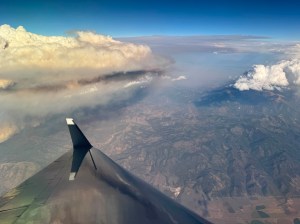
The Wildhorse grass fire in eastern Idaho erupted with a massive pulse of smoke. No one had expected it, but the wildfire had launched what’s known as a pyrocumulonimbus cloud, or pyroCb. It was an elusive weather phenomenon that scientists…
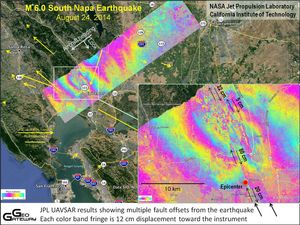
New Program Element A.18 Geosphere solicits proposals addressing one or more of the following sub-elements: On or about October 2, 2026, ROSES-2025 Amendment 77 releases A.18 Geosphere as a new opportunity in ROSES-25. Mandatory Notices of Intent (NOIs) are due…
Connect with us on your favorite social media channel