




















- Natural Color (5.55 Mb)
- Chlorophyll Concentrations (6.34 Mb)
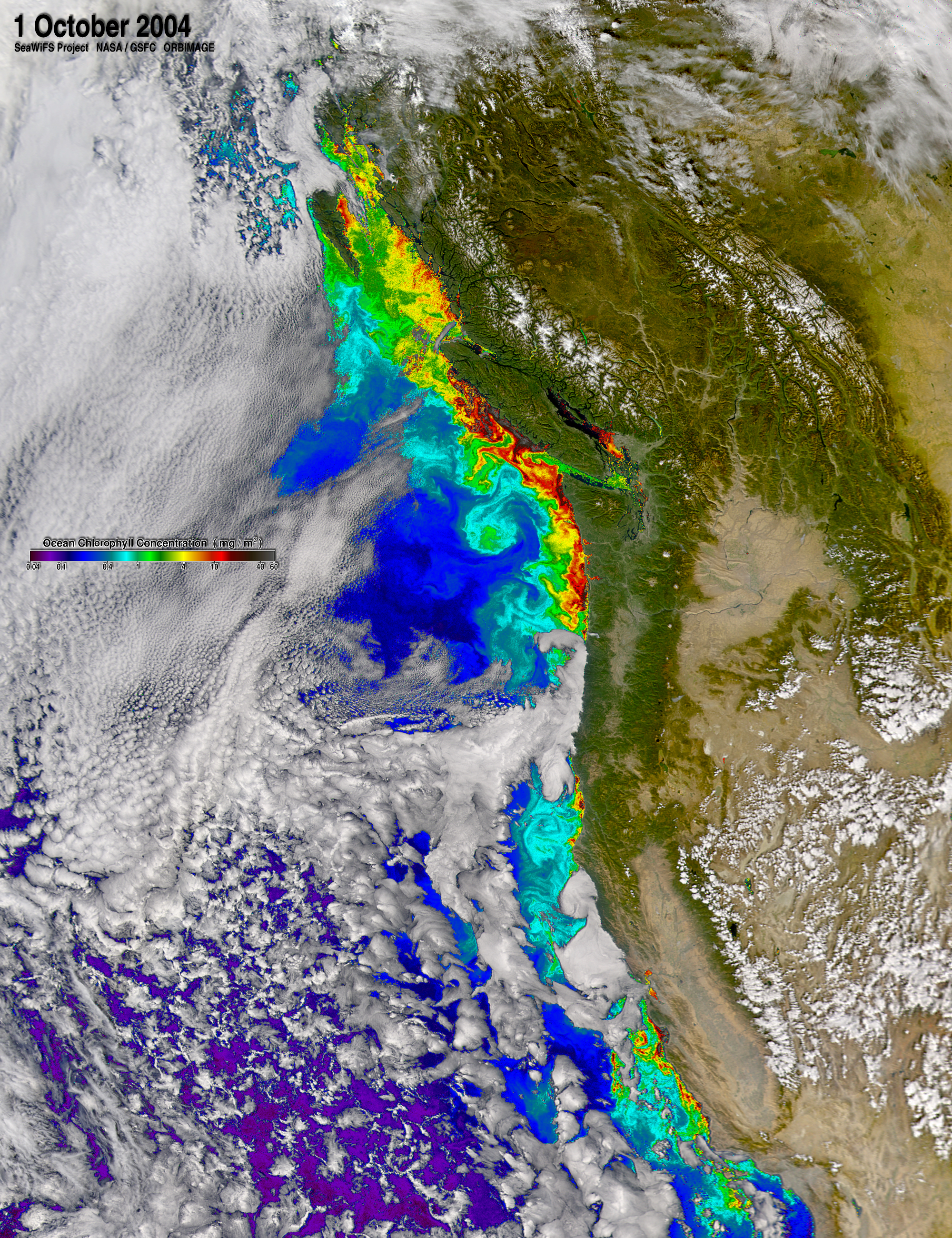
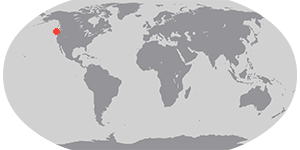
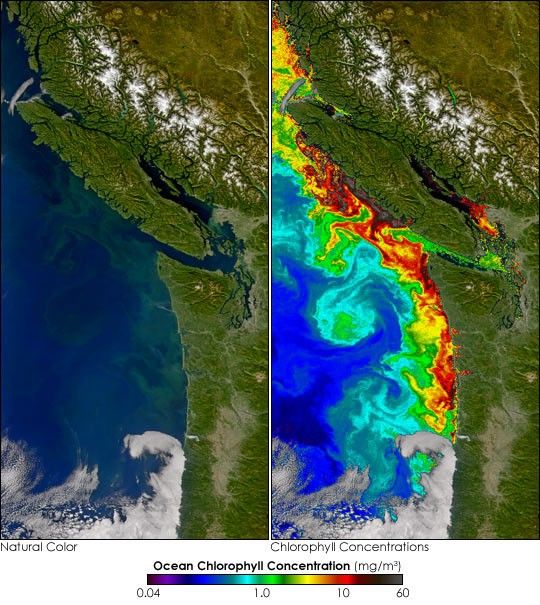
Thriving ocean plants form clouds of green in the waters of the Pacific along the coast of Washington and Vancouver Island. On September 29, 2004, researchers from the University of Washington and NOAA reported finding a large bloom of Pseudo-nitzschia, a toxic algae, off the Strait of Juan de Fuca, the channel of water that separates Vancouver Island in the north from Washington State in the south. Fed by cold ocean waters that rise from the ocean floor near the coast, phytoplankton blooms are frequent in this region, and some are toxic. At about 48 kilometers (30 miles) across, this bloom is the largest toxic algae bloom ever observed near the Juan de Fuca Strait.
On October 1, 2004, the Sea-viewing Wide Field-of-view Sensor aboard the OrbView-2 satellite detected high concentrations of chlorophyll in the Pacific Ocean. Not all of the chlorophyll seen in the right image is from the toxic bloom. It is likely that other forms of phytoplankton also color the water, and from this image alone, it is impossible to tell which are toxic algae and which are other plants. On September 29, the toxic bloom was reported to be about 24 kilometers (15 miles) off the northwest coast of Washington.
References & Resources
NASA images courtesy the SeaWiFS Project, NASA/Goddard Space Flight Center, and ORBIMAGE.