


























Biome: Coniferous Forest
Temperature
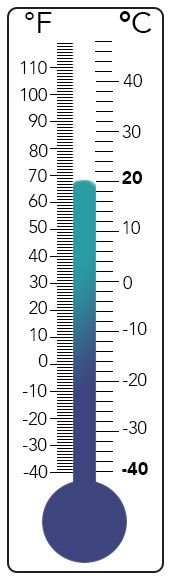
The average temperature in winter ranges from -40°C (-40°F) to 20°C (68°F). The average summer temperatures are usually around 10°C (50°F).
Precipitation
300 to 900 millimeters (12 to 35 inches) of rain per year can be expected in this biome.
Vegetation
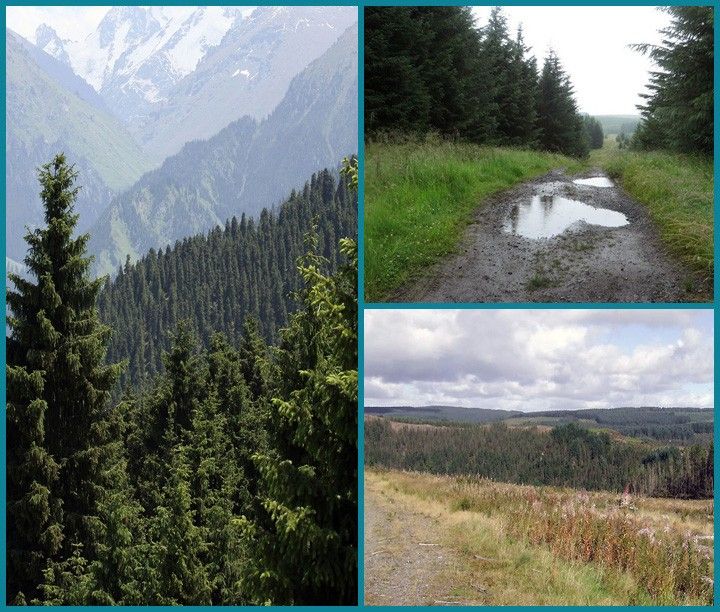
Trees that produce cones and needles called, Coniferous-evergreen trees. Some needles remain on the trees all year long.
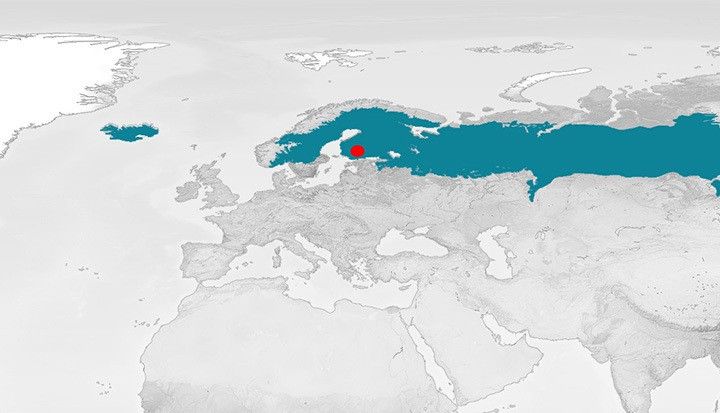
Location
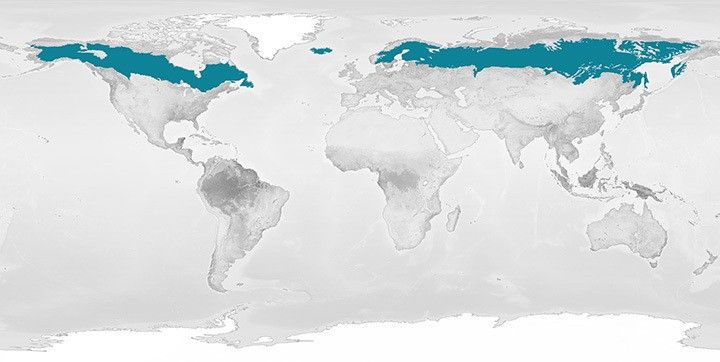
Canada, Europe, Asia, and the United States
Other
Coniferous forest regions have cold, long, snowy winters, and warm, humid summers; well-defined seasons, at least four to six frost-free months
Example: Lahti, Finland
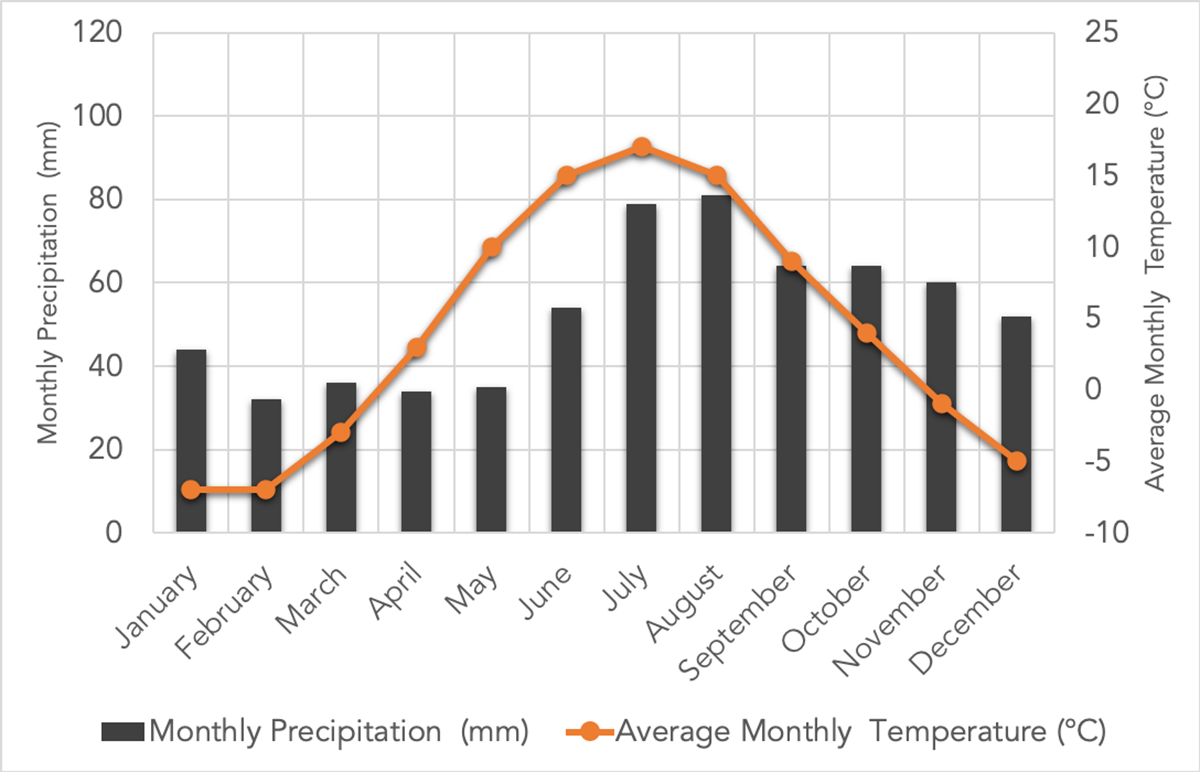
Monthly Temperature and Precipitation from 1970 - 2000
| Month | Average Monthly Precipitation (mm) | Average Monthly Temperature (°C) |
|---|---|---|
| January | 44 | -7 |
| February | 32 | -7 |
| March | 36 | -3 |
| April | 34 | 3 |
| May | 35 | 10 |
| June | 54 | 15 |
| July | 79 | 17 |
| August | 81 | 15 |
| September | 64 | 9 |
| October | 64 | 4 |
| November | 60 | -1 |
| December | 52 | -5 |
| Sum Annual Precip. | 635 |
Climograph
Location Map
Description
The coniferous forest is sandwiched in between the tundra to the north and the deciduous forest to the south. One type of coniferous forest, the northern boreal forest, is found in 50° to 60°N latitudes. Another type, temperate coniferous forests, grows in lower latitudes of North America, Europe, and Asia, in the high elevations of mountains.
Coniferous forests consist mostly of conifers, which are trees that grow needles instead of leaves and cones instead of flowers. Conifers tend to be evergreen—they bear needles all year long. These adaptations help conifers survive in areas that are very cold or dry. Some of the more common conifers are spruces, pines, and firs.
Precipitation in coniferous forests varies from 300 to 900 mm annually, with some temperate coniferous forests receiving up to 2,000 mm/ year (79 in/year). The amount of precipitation depends on the forest location. In the northern boreal forests, the winters are long, cold and dry, while the short summers are moderately warm and moist. In the lower latitudes, precipitation is more evenly distributed throughout the year.