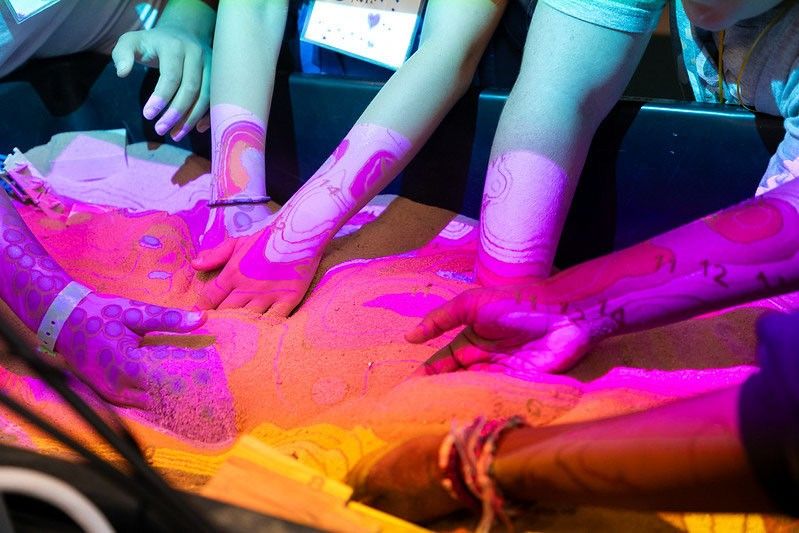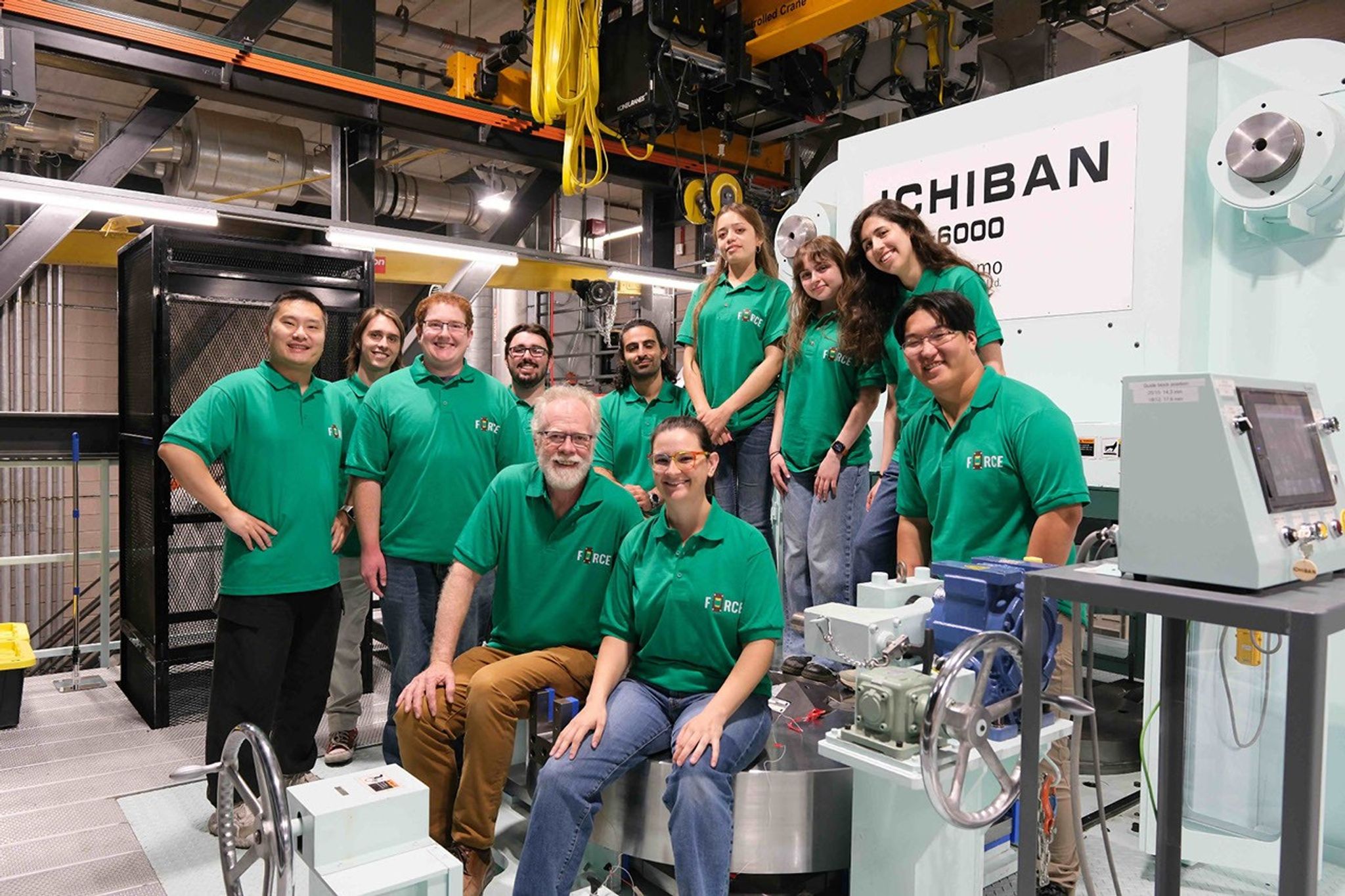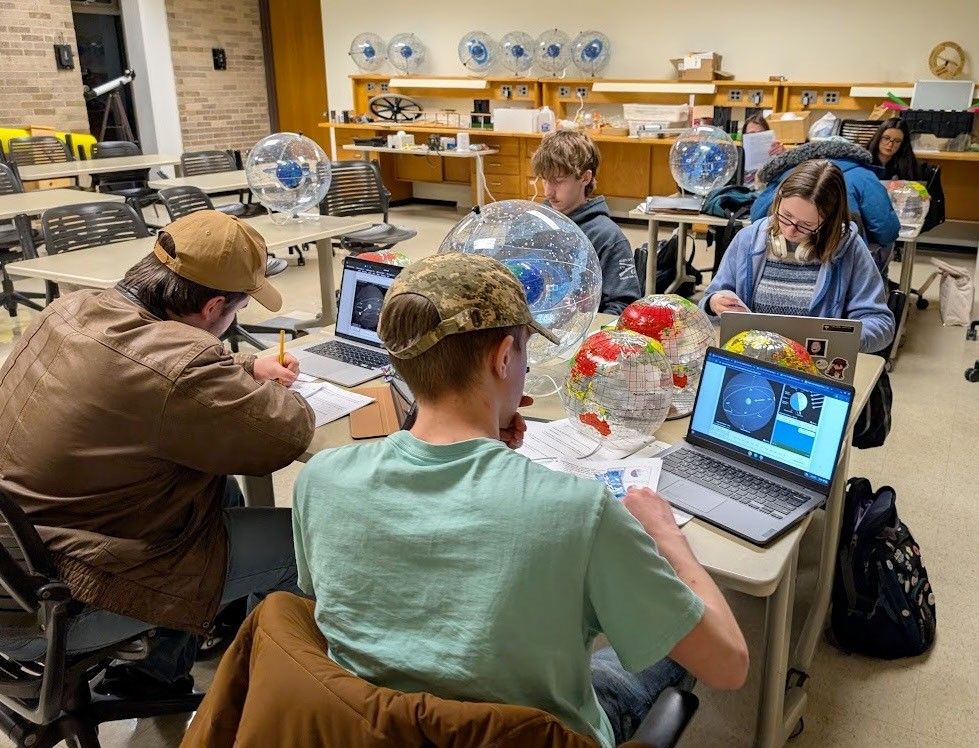





















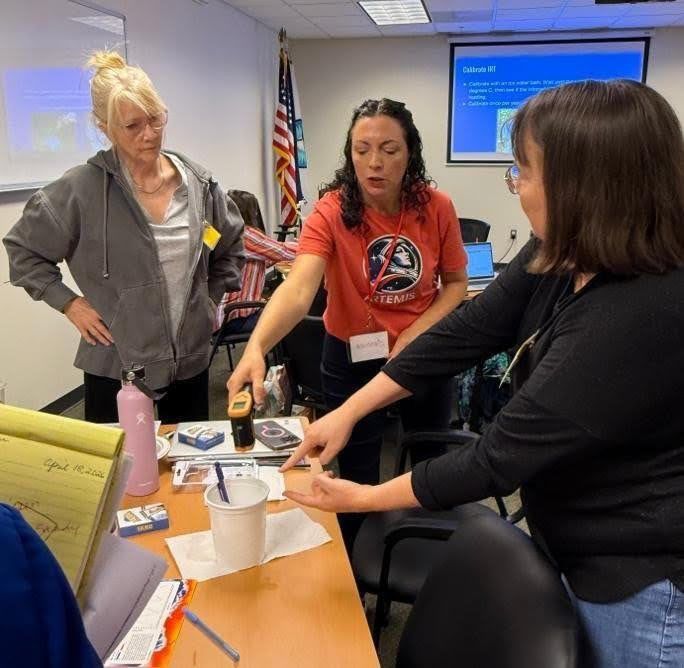
Thirty-eight science educators representing seven school districts across Virginia’s Tidewater region joined forces with community organizations, such as the Elizabeth River Project, to deepen their instructional practice through a dynamic collaboration between NASA eClips and the GLOBE (Global Learning and Observation to Benefit the Environment) Program. Together, these groups are cultivating a regional STEM ecosystem that connects classrooms, community science, and NASA resources in meaningful and lasting ways.
As part of NASA’s Science Activation Program, NASA eClips engages educators and learners with standards-aligned resources grounded in authentic NASA science. Complementing this work, the GLOBE Program empowers participants to contribute to citizen science through environmental data collection and analysis. The partnership between these two programs creates a powerful bridge between content knowledge and real-world application – bringing Earth Systems science to life for both educators and learners.
Educators gathered for a three-hour professional learning experience on March 7 or April 18, 2026 at the National Institute of Aerospace in Hampton, Virginia. Through hands-on investigations, participants explored how land cover influences surface temperature, how clouds impact atmospheric conditions, and how soil plays a critical role in environmental systems. These experiences were anchored in NASA eClips resources and GLOBE protocols, offering practical strategies for teaching key Virginia Science Standards of Learning related to weather, climate, land covering, and Earth’s energy budget.
Participants calibrated and used scientific instruments such as infrared thermometers and multi-day minimum/maximum thermometers, gaining confidence in collecting accurate environmental data. They examined the urban heat island effect, engaged in interactive activities including an energetic cloud dance and a cloud opacity demonstration, and learned how to contribute observations through practice of using the GLOBE Observer app. These immersive experiences not only strengthened content knowledge but also modeled how authentic science practices can be integrated into classroom instruction.
This initiative builds on two years of intentional collaboration among the NASA eClips Educators from the National Institute of Aerospace’s Center for Integrative STEM Education (NIA-CISE); GLOBE scientists from NASA Langley Research Center; and regional school divisions and community organizations that laid the foundation for a sustainable regional STEM ecosystem. Support from the Coastal Virginia STEM Hub, funded through the Virginia General Assembly, has been instrumental in expanding access to these opportunities. Grant funding provided educator stipends and enabled the purchase of essential equipment, including weather instrument shelters and soil kits. In a powerful example of cross-sector collaboration, the instrument shelters were constructed by Career and Technical Education (CTE) students in Hampton City Schools and Norfolk Public Schools using GLOBE specifications, further connecting students to the scientific process while supporting their peers’ learning.
As participating school divisions and community organizations integrate NASA eClips and GLOBE resources into their curricula and outreach efforts, they are ensuring that all learners have access to authentic, data-driven science experiences. Together, this network of educators, students, and partners is not only enhancing science education, but also building a connected, collaborative STEM ecosystem where learning extends beyond the classroom and into the community.
NASA eClips, led by NIA-CISE, is supported by NASA under cooperative agreement award number NNX16AB91A and is part of NASA’s Science Activation Portfolio. Learn more about how Science Activation connects NASA science experts, real content, and experiences with community leaders to do science in ways that activate minds and promote deeper understanding of our world and beyond: https://science.nasa.gov/learn/about-science-activation/