










XMM-Newton
X-ray Multi-Mirror Mission Newton
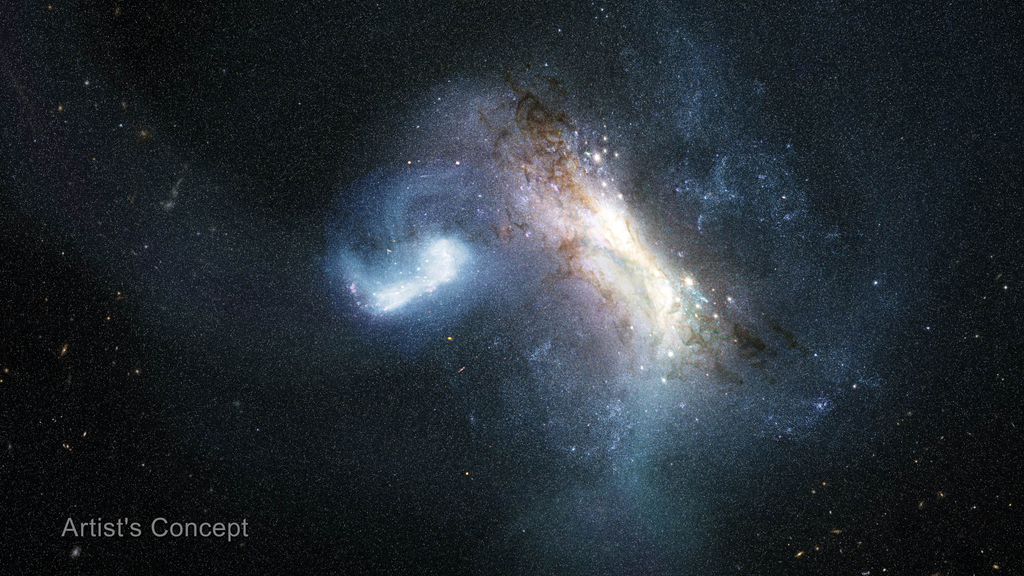
X-ray Satellite XMM-Newton Sees ‘Space Clover’ in a New Light
Astronomers have discovered enormous circular radio features of unknown origin around some galaxies. Now, new observations of one dubbed the…
Read the Story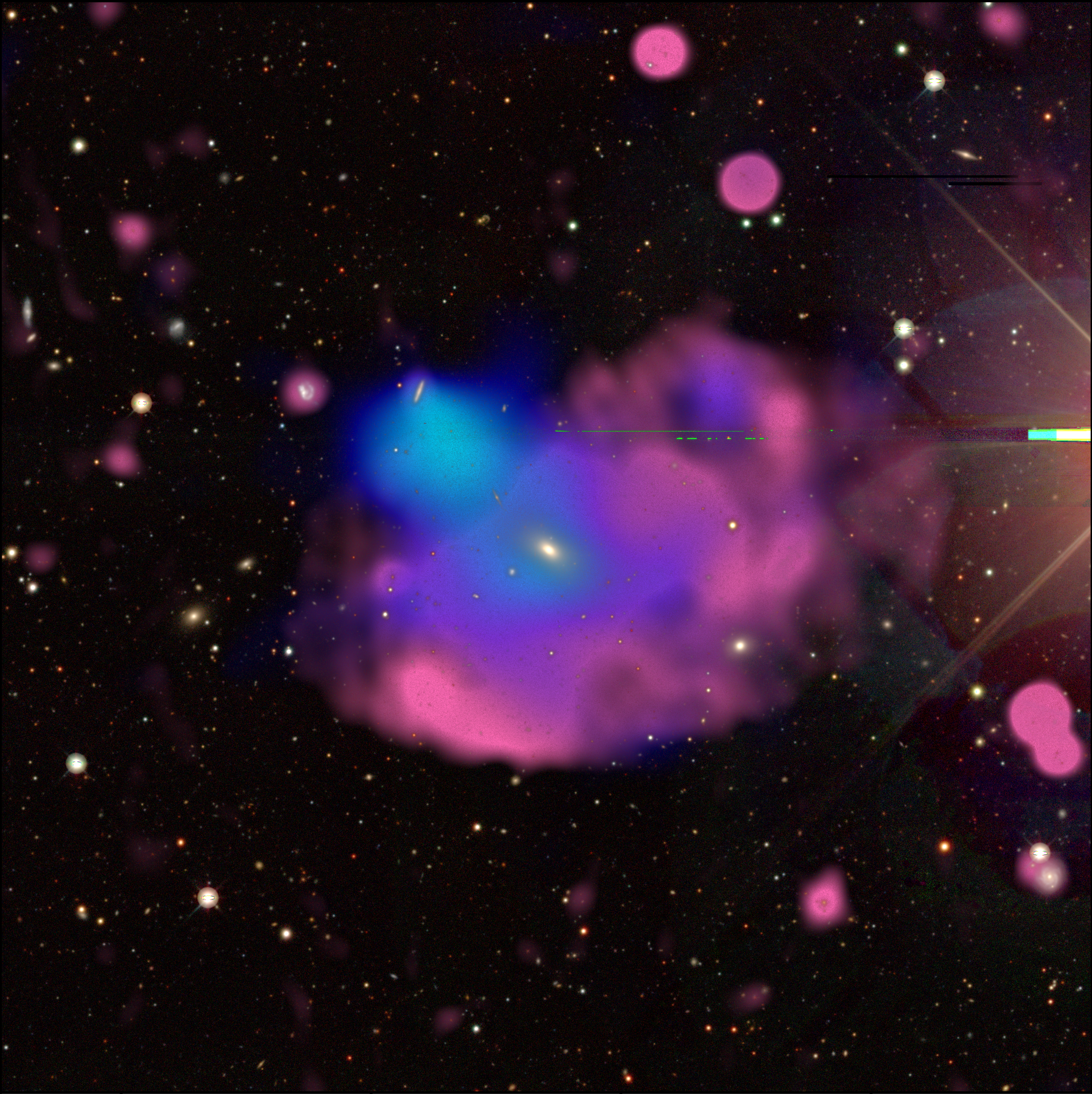
Meet XMM-Newton
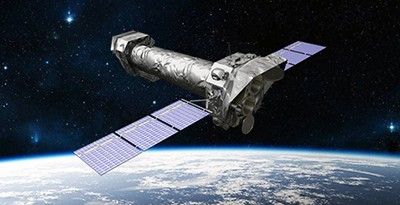
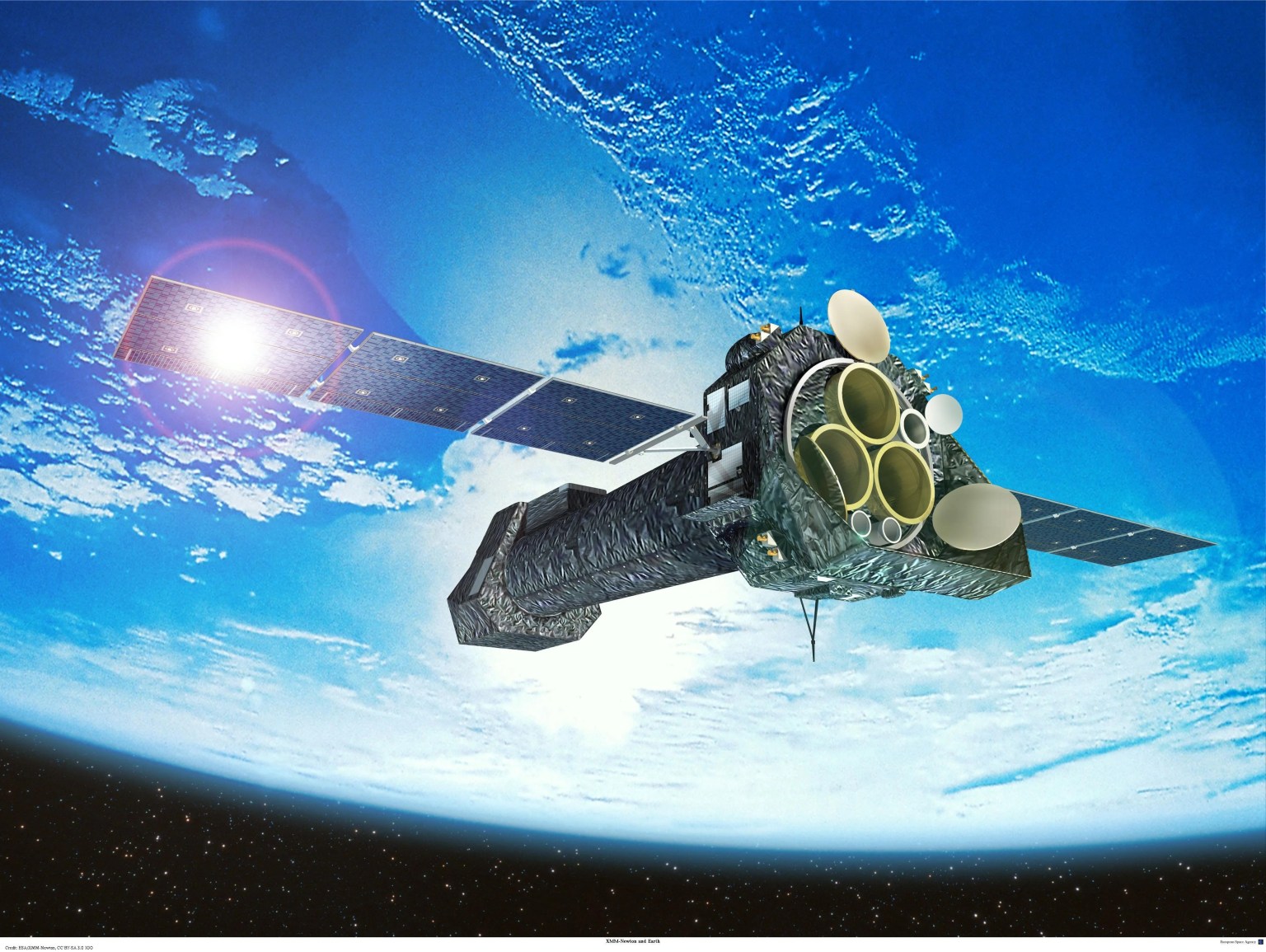
Launched by ESA in 1999, XMM-Newton is one of the first multiwavelength observatories in space. Thanks to XMM-Newton's highly eccentric orbit, its X-ray and optical/ultraviolet telescopes have the ability to make long, uninterrupted exposures. With these capabilities, XMM-Newton has provided highly sensitive observations of many types of sources, including active galaxies powered by supermassive black holes, star formation in galaxies, and X-ray flares from stars in our own Milky Way galaxy.
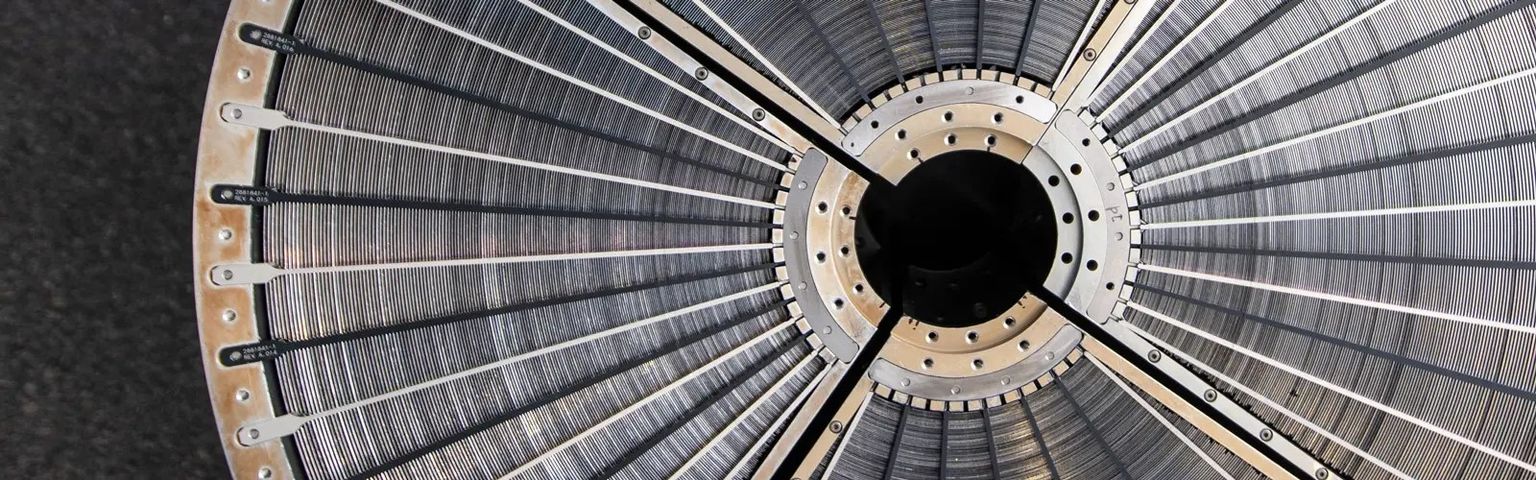
XMM-Newton carries three co-aligned X-ray telescopes to capture as many X-rays as possible over a wide field of view — equivalent to the apparent size of the Moon as seen from Earth. The X-rays are focused onto the European Photon Imaging Camera, which is a set of three imaging charge-coupled device cameras. These images allow scientists to chart how the brightness of sources changes over time, providing information about the targets’ temperatures and surroundings.
Two of the X-ray telescopes are also each equipped with a Reflection Grating Spectrometer, which can pick out signals from specific elements — like oxygen, nitrogen, or iron — in extreme environments around black holes or stellar debris.
XMM-Newton also carries the Optical/UV Monitor Telescope that is aligned with the X-ray mirror modules. This telescope observes the central region of the X-ray field of view, allowing astronomers to monitor cosmic objects simultaneously in multiple wavelengths.
In addition to contributing resources for elements of XMM-Newton’s instrument packages, NASA also funds the General Observer Facility at NASA’s Goddard Space Flight Center in Greenbelt, Maryland, which supports the use of XMM-Newton by the American scientific community through several initiatives. More than a third of the satellite’s observing time is awarded to U.S.-based astrophysicists.
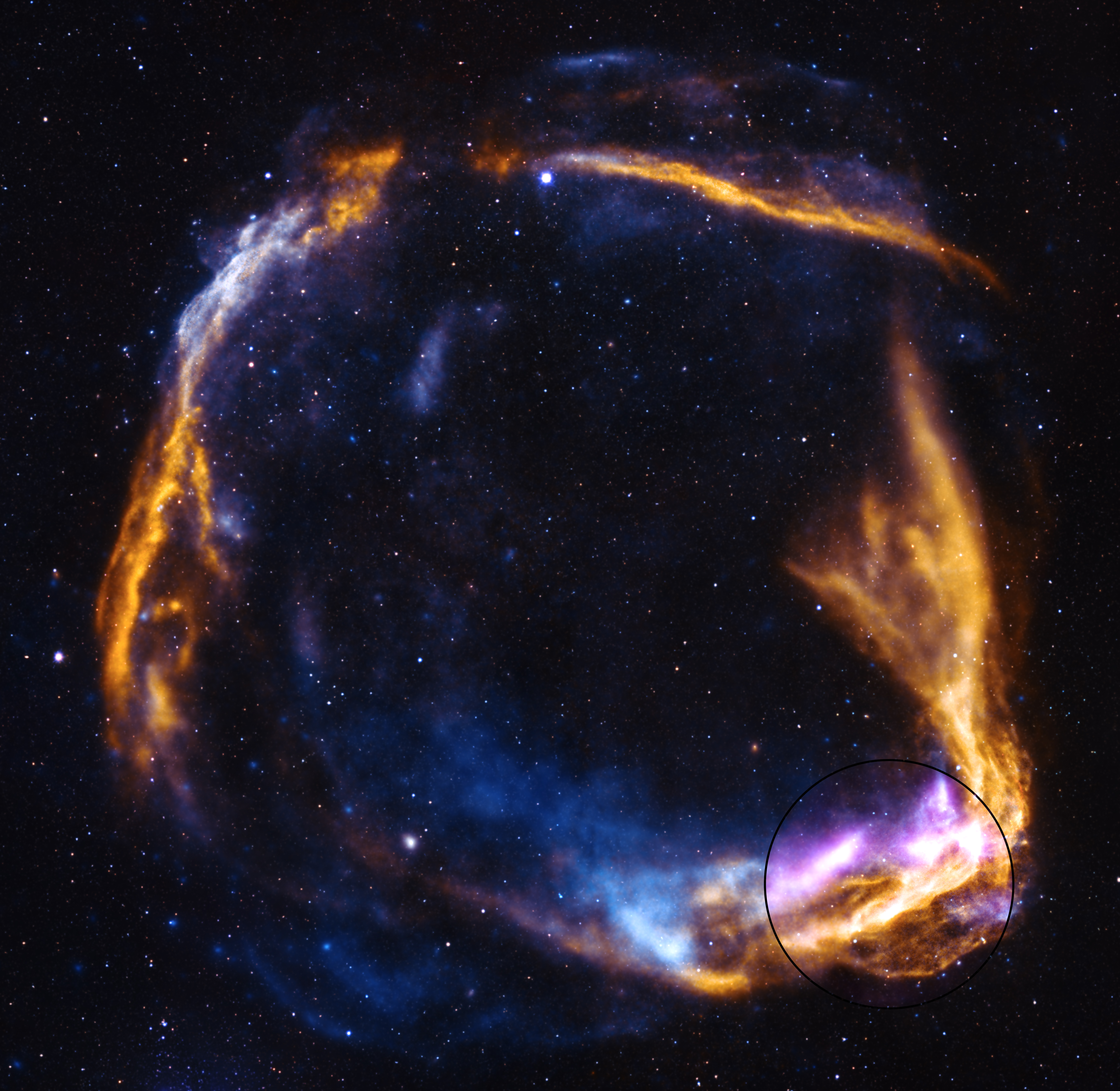
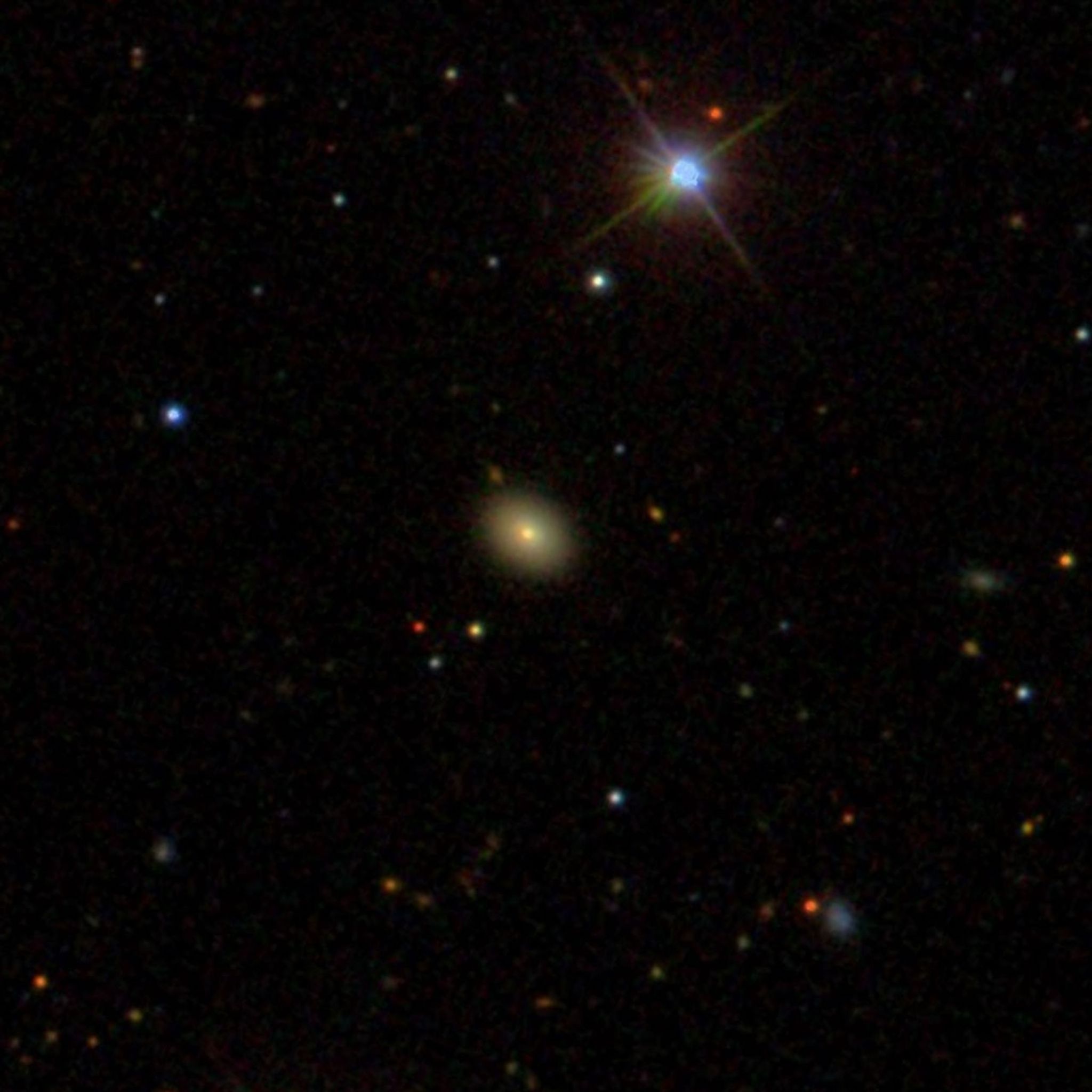
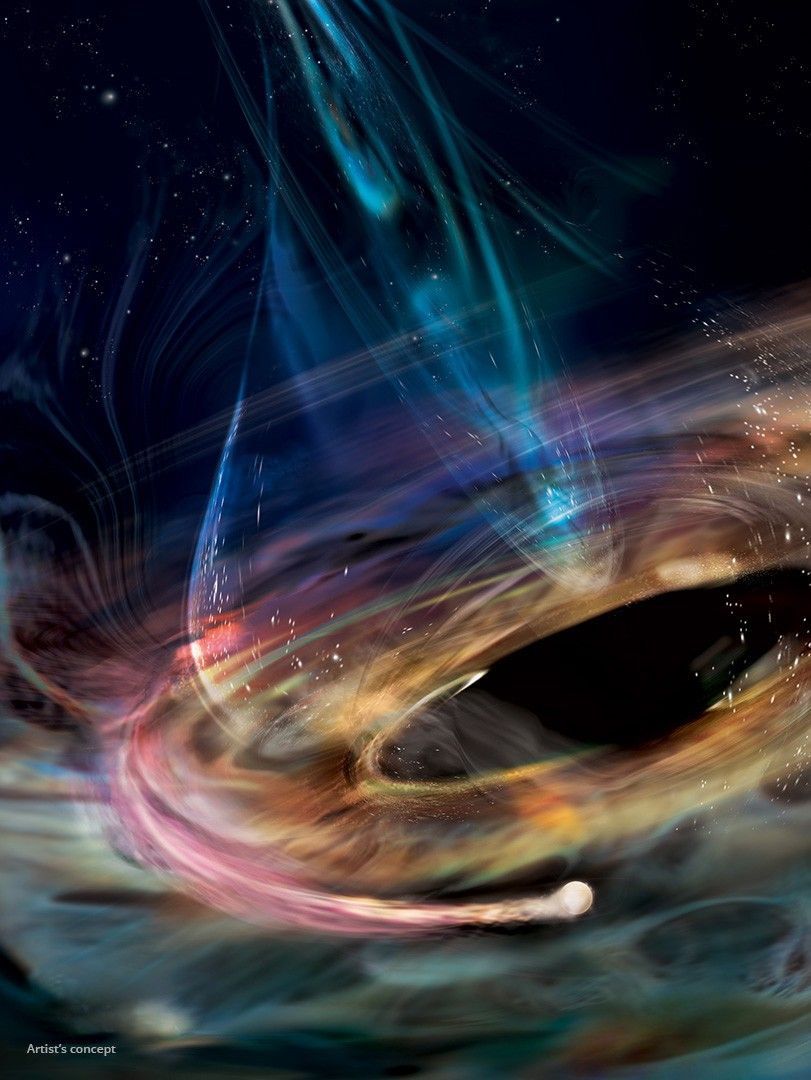
Finding a New Galactic "Fossil"
Some 5 million years ago, a black hole eruption in the galaxy NGC 4945 set off a star-formation frenzy and shot a vast cloud of gas into intergalactic space. Watch and learn how two X-ray telescopes revealed the story.
Credit: NASA’s Goddard Space Flight Center
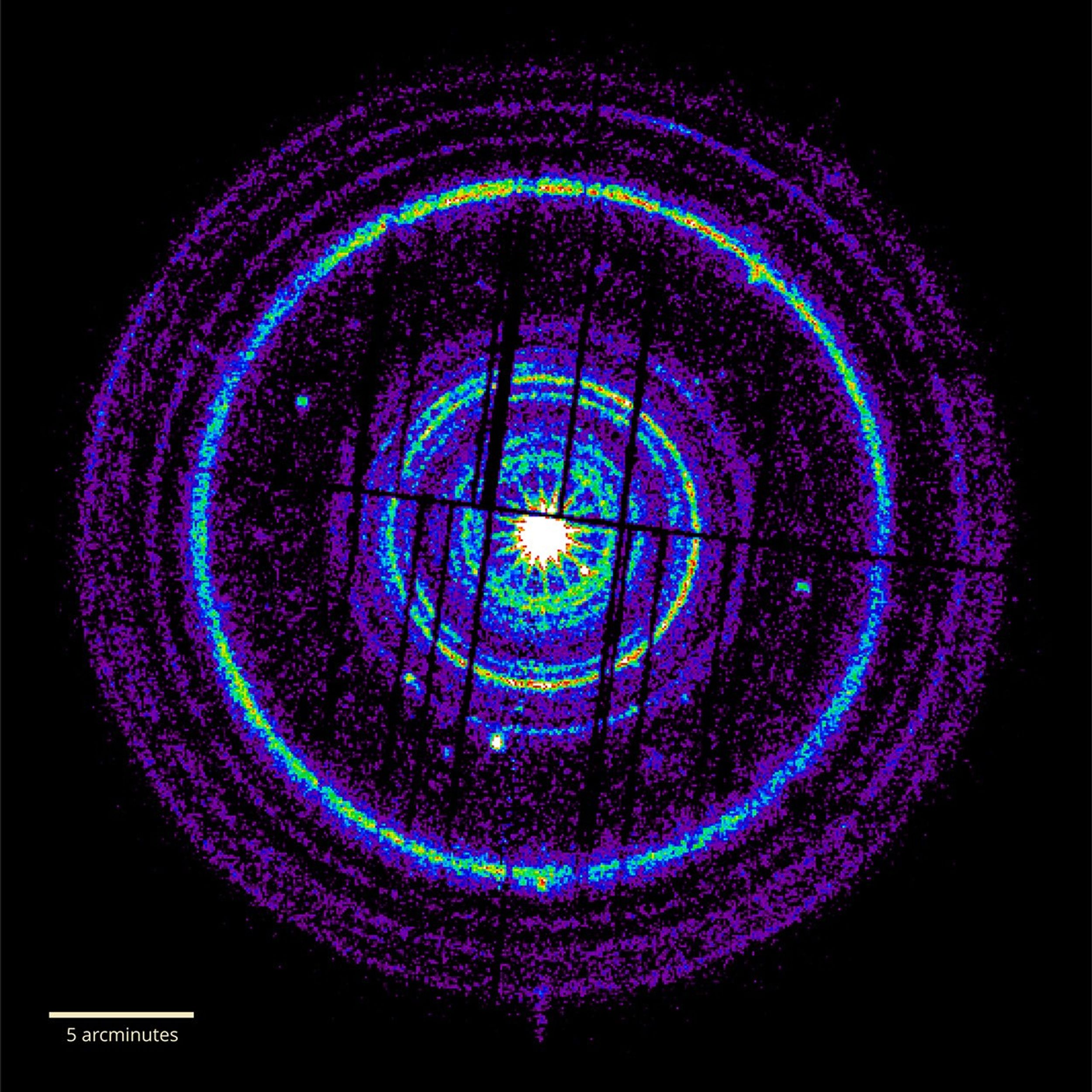
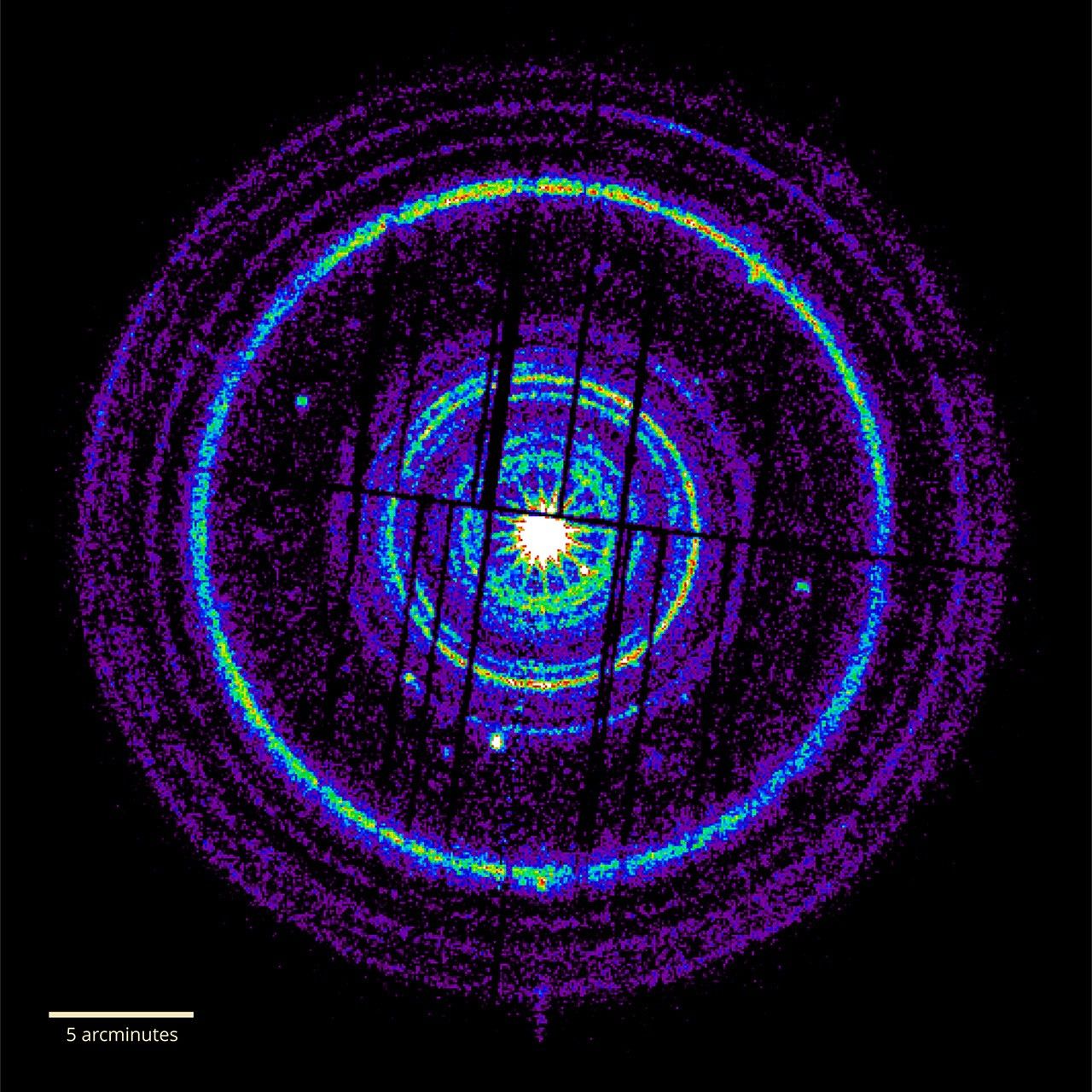
Dust rings from our galaxy
X-rays from a gamma-ray burst, the most powerful class of explosions in the universe, scattered off of dust in our Milky Way galaxy, creating these rings. The X-ray light traveled about 1.9 billion years before reaching Earth on Oct. 9, 2022. XMM-Newton recorded 20 dust rings, 19 of which are shown here in arbitrary colors. This composite merges observations made two and five days after the gamma-ray burst was initially spotted. Thin, dark stripes criss-cross the image where gaps in the X-ray detectors are present.
Credits: ESA/XMM-Newton/M. Rigoselli (INAF)