
















Activities
Interdisciplinary ideas for International Observe the Moon Night. These activities are suitable for a variety of age groups and adaptable for use with whatever materials you have available. Feel free to adjust them to better meet the needs of your participants or audience!
-
Sketch the Moon Together!
Spend the next month getting to know the Moon. Set aside some time each day to look at the Moon, and record your observations in the log provided here.
Time: One month
Recommended age: All ages
Group size: Any
Suggested materials: Printed or digital copy of Moon Observation Journal, writing utensil or editing app
Related resources: NASA's Daily Moon Guide, Moon in Motion: Phases, Moon Phase and Libration, STEMonstrations: Moon Phases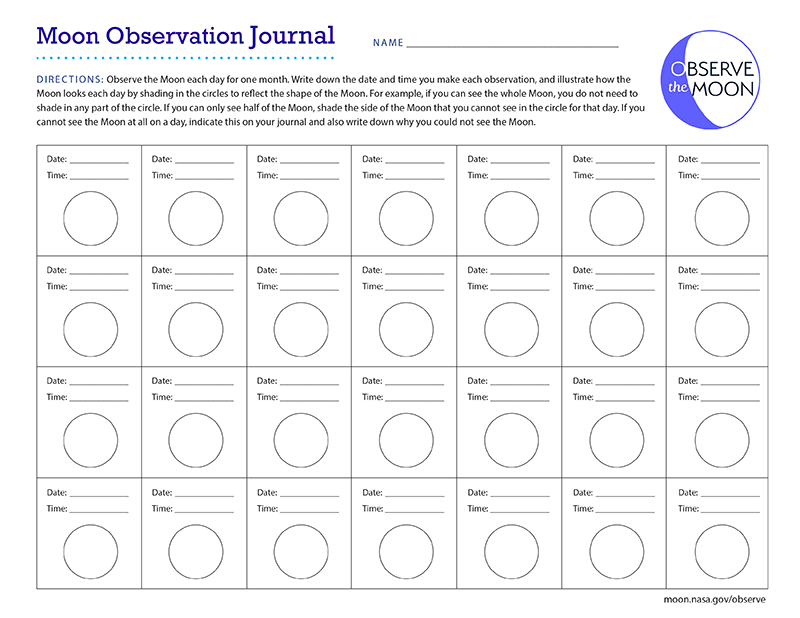
-
Artemis II: Observe the Moon Like an Astronaut
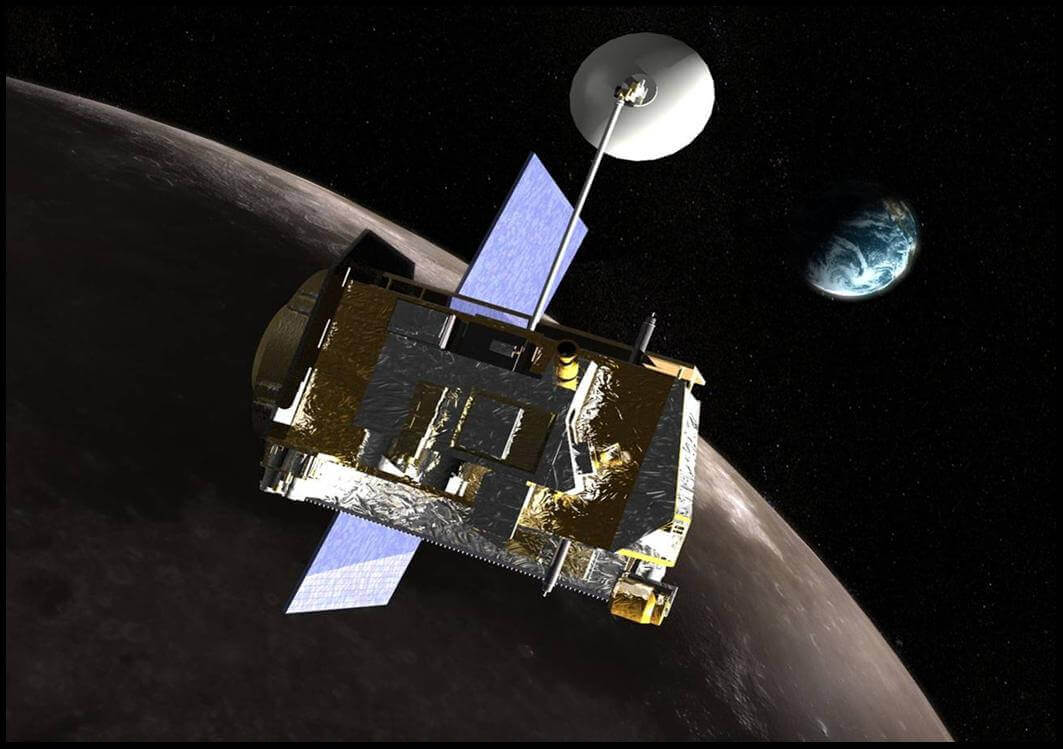
Get ready to explore the Moon like an Artemis II astronaut! In this activity, you’ll use real images from NASA’s Lunar Reconnaissance Orbiter to spot craters, mountains, and other features on the lunar surface. Imagine you are part of the Artemis II mission and practice making your own astronaut observations from lunar orbit. Along the way, you’ll discover how NASA is getting ready to send people to the Moon—and eventually all the way to Mars!
Time: 2-5 minutes (per participant)
Recommended age: All ages
Group size: Individual
Suggested materials: Moon Image Cards, Lunar Feature ID Guide, Lunar Log Cards, Labeled Moon Map, Activity Table Sign, Pencils, Certified Artemis II Moon Observer Badges (optional), spyglass/pirate telescope (optional), Orion cardboard/paper window cutout (optional)
Related resources: Join the Artemis Mission to the Moon, Moonbound: For All Humanity, Artemis II Science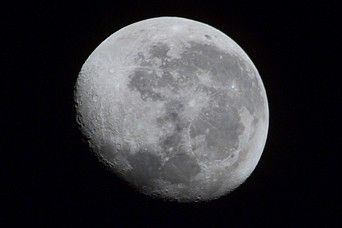
-
Moon-Inspired Artwork
Make Moon-related art (in any medium). Share your lunar artwork in the International Observe the Moon Night Flickr group and on social media using #ObserveTheMoon.
Time: Varies
Recommended age: All ages
Group size: Any
Suggested materials: Any
Related resources: “Moon As Art” Collection, Get Inspired with Moon-Themed Interactives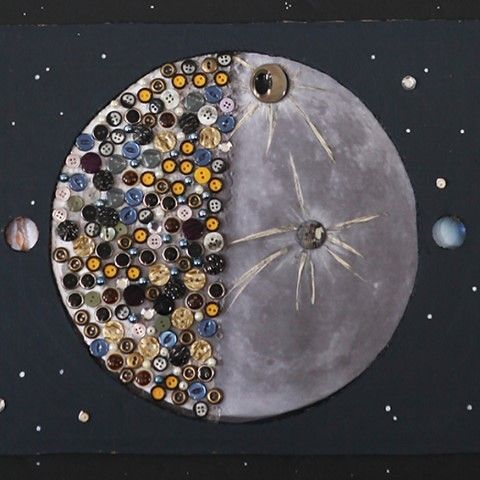
-
NASA’s Our Friend Orion Children’s Book
“Our Friend Orion” is the second in a series of children’s books that introduces space enthusiasts ages 3 to 8 to the unique elements needed for the Artemis missions to get to space, the Moon, and beyond.
Time: 5–10 minutes
Recommended age: 3–8 years old
Group size: Any
Suggested materials: Printout or digital copy of “Our Friend Orion” book
Related resources: Read Aloud of NASA’s Our Friend Orion, Hooray for SLS! Activities, Learn How to Draw Artemis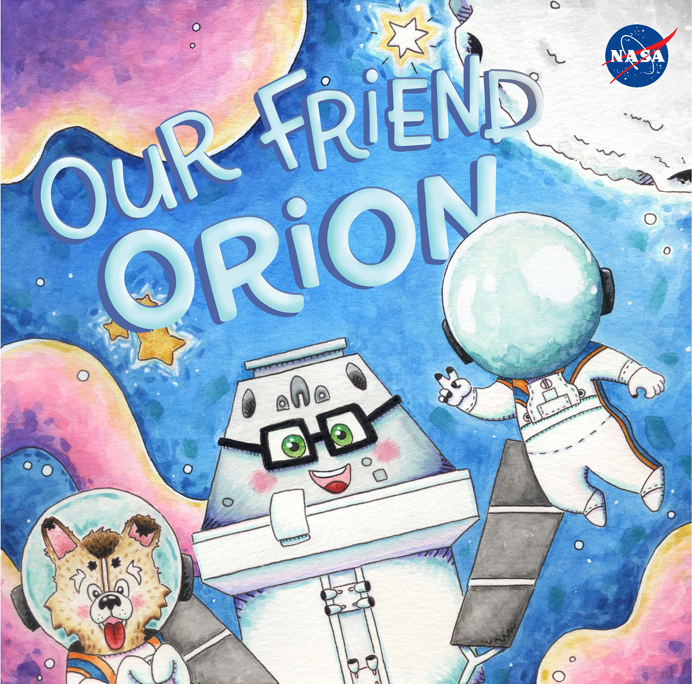
-
Lunar Melt Mappers
When asteroids strike the Moon, they melt rock and scatter boulders across the surface. Through NASA’s citizen science project Lunar Melt, you can help uncover the Moon’s history. No matter where you are in the world, anyone with a computer can join in. By marking craters and boulders in lunar images, your clicks contribute to real science, advancing our understanding of how impacts shaped our nearest neighbor in space.
Time: Varies
Recommended age: 13+ years old
Group size: Individual/any
Suggested materials: Laptop or desktop computer
Related resources: Moon Craters, How NASA Unlocks the Moon’s Mysteries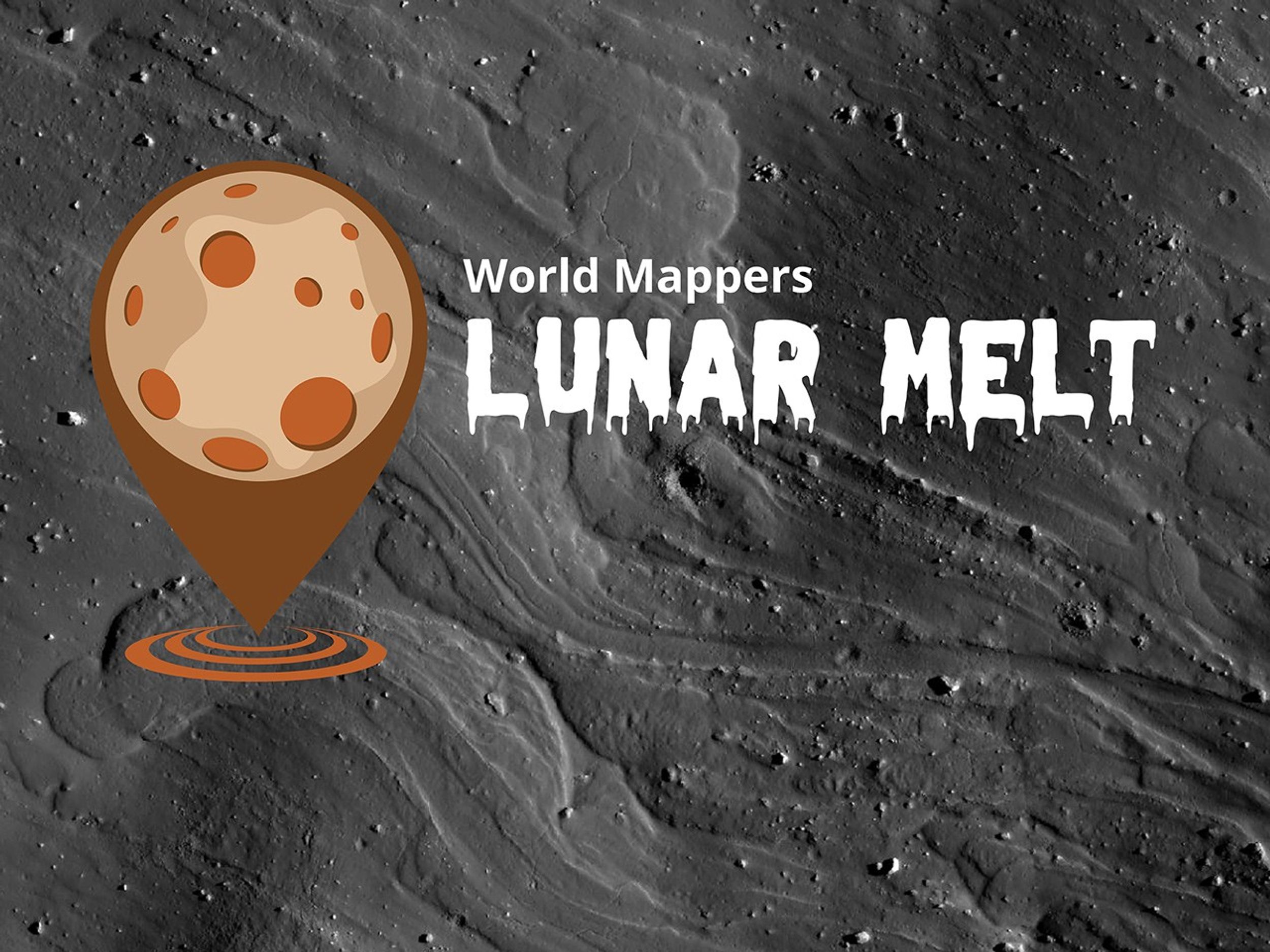
-
DIY Impact Craters
Create your own lunar impact craters using simple materials. When astronauts visit the Moon during future Artemis missions, they’ll explore craters that may contain water and ice. Testing and studying these craters may help NASA identify areas on the Moon that are rich in water and other resources.
Time: 30–60 minutes (this activity can also be done as a brief demonstration)
Recommended age: 9–14 years old
Group size: Individual or teams of 3–4 children
Suggested materials: Marbles or other objects such as ball bearings, golf balls, ping pong balls, or wooden balls; a high-walled pan made out of plastic, aluminum, or cardboard; any dry powdery material that can look like the Moon’s surface (flour, baking powder, sand, glitter); ruler or measuring tape; digital or food scale; newspaper, tarp, or other covering to protect floors (if inside)
Related resources: Tour of the Moon, Kid Moon: Splat!, NASA+ Space Out: Moon Visuals -
Build Your Own Bottle Rocket
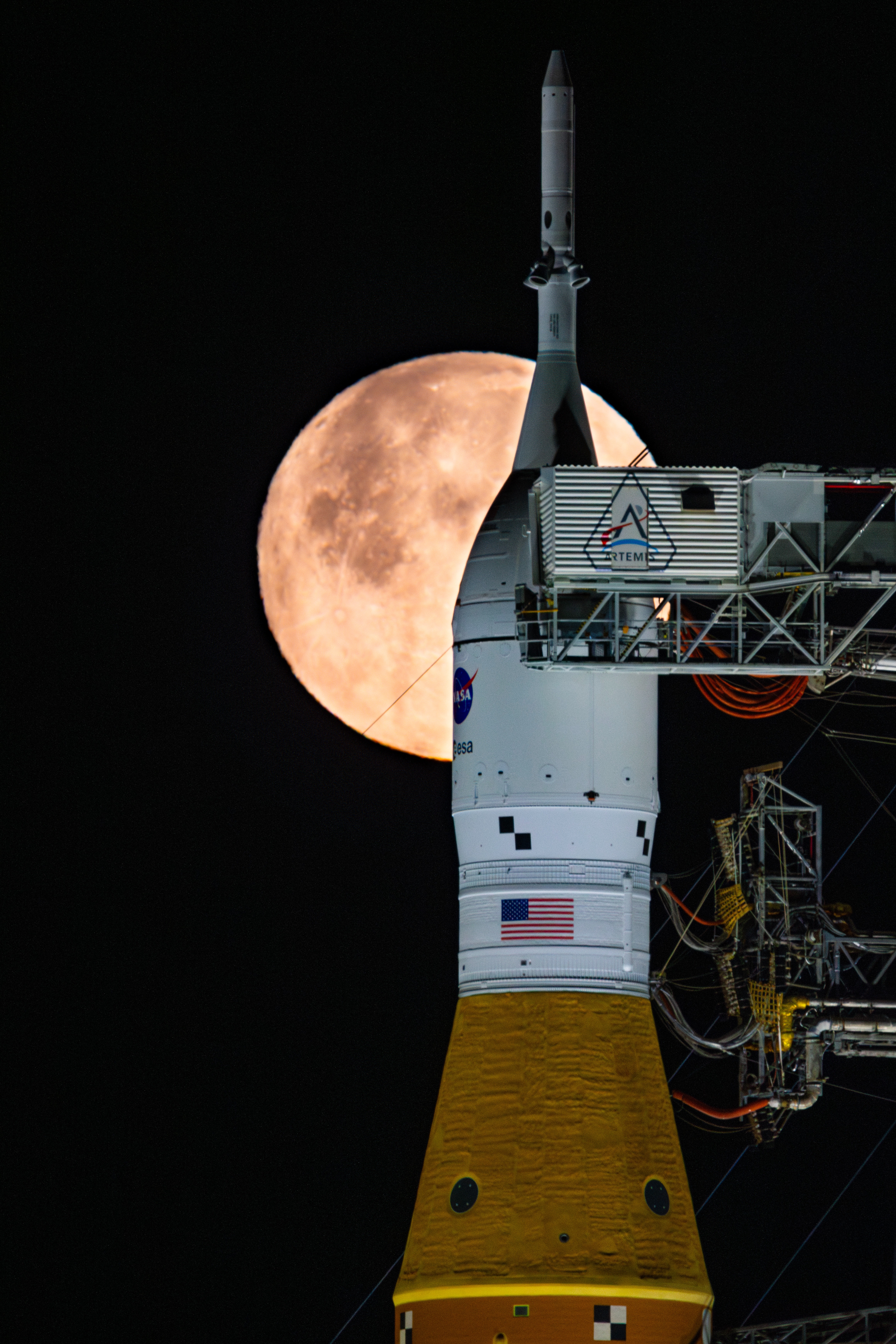
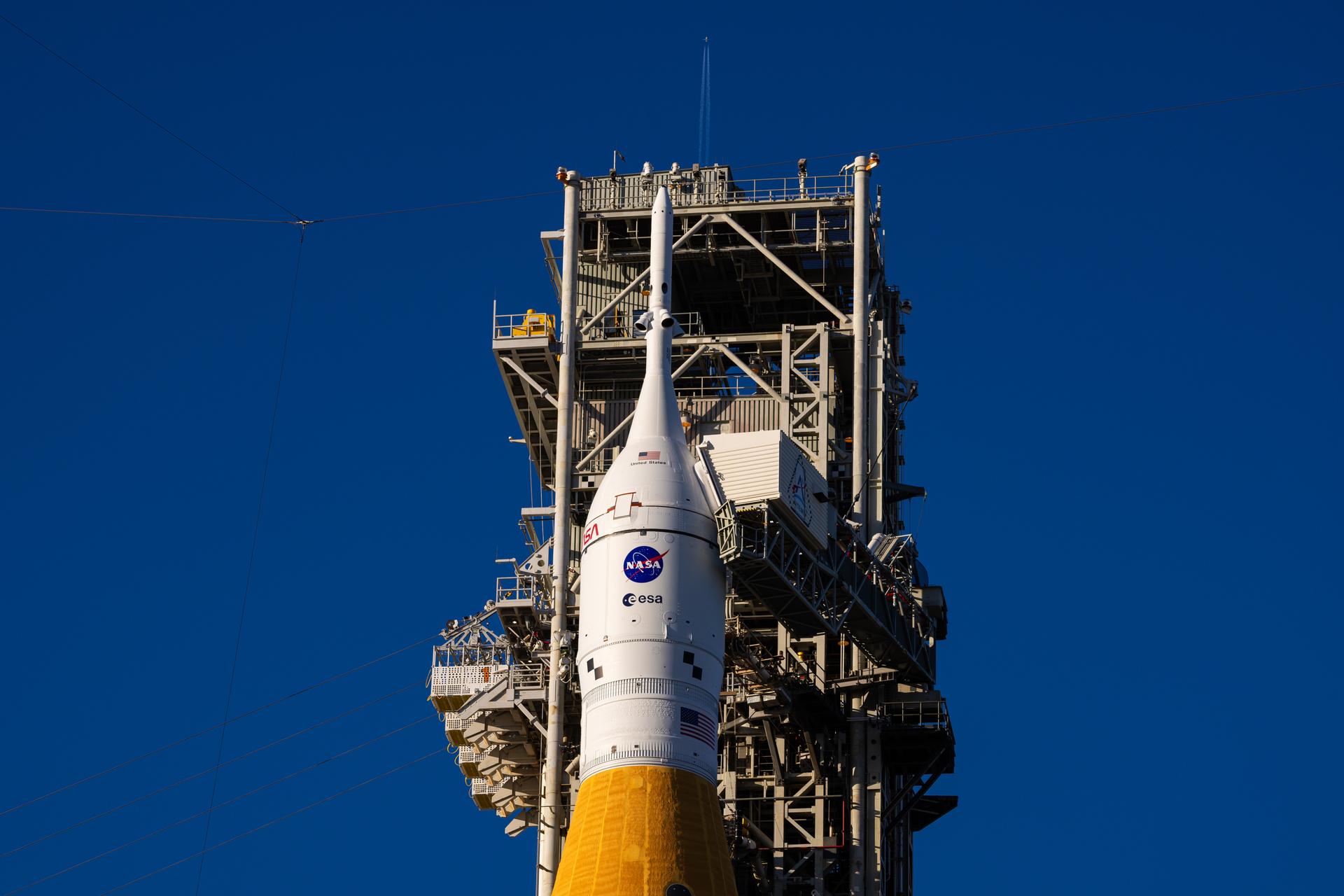
We’re going back to the Moon, and this time we’re going to live, learn, and explore. As a member of the Artemis Generation, NASA invites you to be a part of the story. Build your own version of NASA’s deep space rocket, SLS (Space Launch System), and test out your rocket launching skills!
Time: 30–60 minutes
Recommended age: 10+ years old (with adult supervision)
Group size: Small groups of 3–4 children
Suggested materials: 16-20 oz. plastic bottle (empty), bicycle floor pump (with pump needle), cork or rubber stopper, safety glasses, power drill, drill bit (same size as bike pump needle), scissors, cardboard or poster board, duct tape, milk crate or other box, paintbrush, paint
Related resources: Artemis II: Mission Overview, Artemis II to the Moon: Launch to Splashdown, To the Moon and Back: The Journey of Artemis I, Hooray for SLS! Activities
Looking for More Activities?
Try these activity and resource collections:
- Observe the Moon Night for Educators and Learners
- NASA Jet Propulsion Laboratory K-12 Educator Resources
- NASA Learning Resources
- NASA Space Place
- NASA’s Lunar Reconnaissance Orbiter Mission Education Resources
- NASA’s Lunar Reconnaissance Orbiter Camera Educational Activities & Lessons
- NASA's Night Sky Network Outreach Resources
- Explore! with the Lunar and Planetary Institute