














Observe at Home
Contents
- 10 Ways to Observe the Moon at Home
- 1. Look up
- 2. Peer through a telescope or binoculars
- 3. Photograph the Moon
- 4. Relax on the couch
- 5. Touch the lunar topography
- 6. Make and admire Moon art
- 7. Listen to the Moon
- 8. Take a virtual field trip
- 9. See the Moon through the eyes of a spacecraft
- 10. Continue your observations throughout the year
10 Ways to Observe the Moon at Home
Believe it or not, observing the Moon is something you can do no matter the weather, time of day, or location! We interpret “observe” very broadly. There are so many ways to celebrate and observe the Moon for International Observe the Moon Night. Here are ten of our favorites:
1. Look up
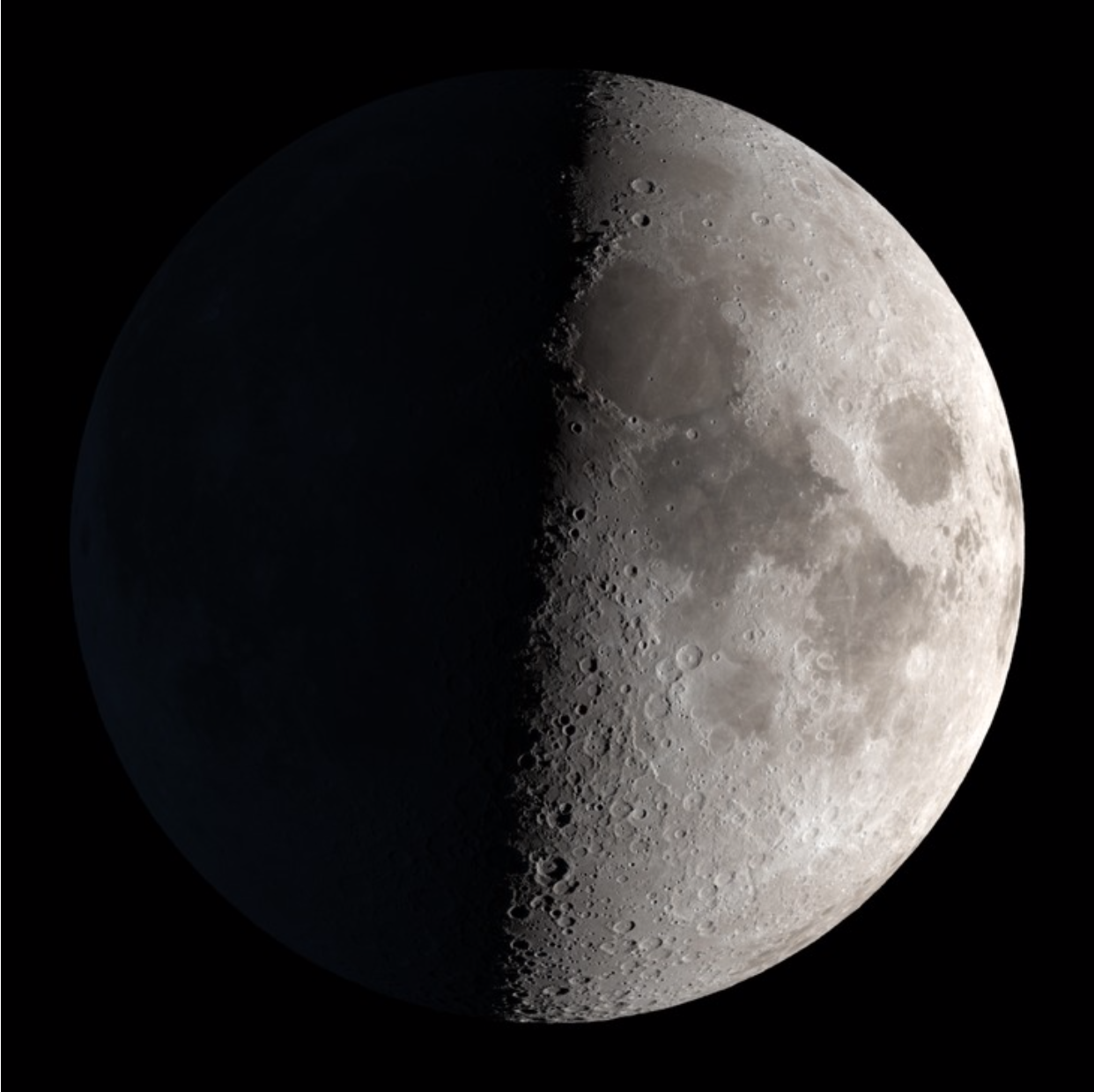
The simplest way to observe the Moon is to look up. The Moon is the brightest object in our night sky, the second brightest in our daytime sky, and can be seen from all around the world — from the remote and dark Atacama Desert in Chile to the brightly lit streets of Tokyo. International Observe the Moon Night is usually held near a first quarter Moon, which means that the near side of the Moon is about half-illuminated. A first quarter Moon is great for evening observing as it rises in the afternoon and is high above the horizon in the evening. With the naked eye, you can see dark gray seas of cooled lava called mare. Visit the Daily Moon Guide for an interactive Moon observing experience.
2. Peer through a telescope or binoculars
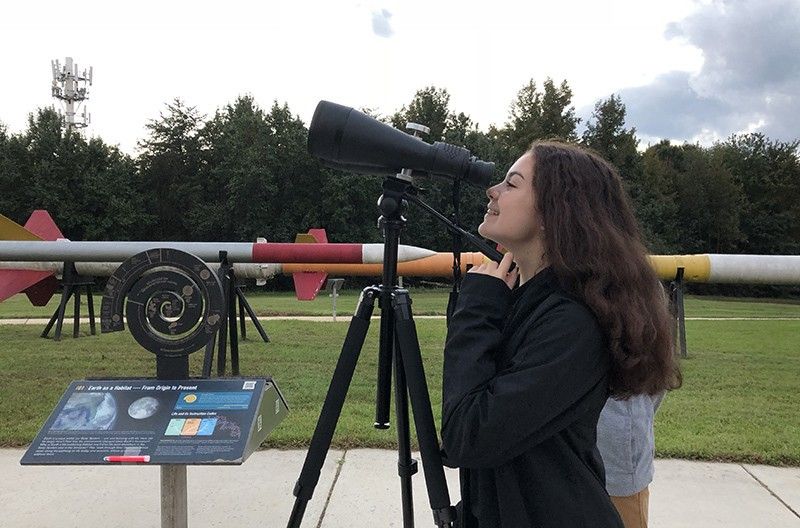
With some magnification help, you will be able to identify details on the Moon. The line between night and day on the Moon (called the terminator) is ideal for seeing lunar craters and mountains since very long shadows heighten the contrast of the features. Check out our Viewing Tips and Moon Maps for more.
3. Photograph the Moon
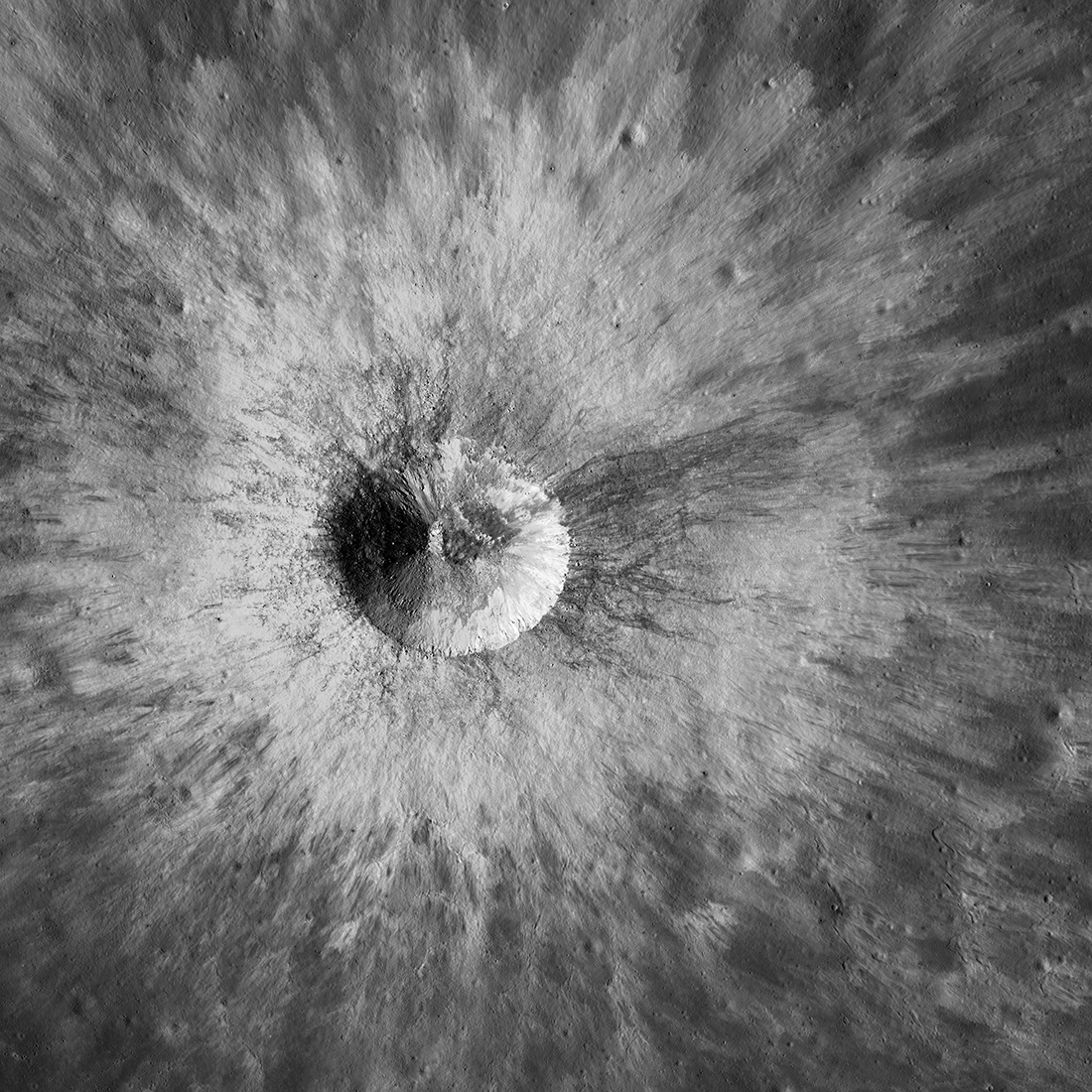
NASA's LRO (Lunar Reconnaissance Orbiter) spacecraft has taken more than 3 million images of the Moon, mapping it in stunning detail. You can see featured, captioned images, like the crater shown above, on the LRO Camera's website. And, of course, you can take your own photos from Earth. Check out our tips for photographing the Moon.
4. Relax on the couch

Is it cloudy? Luckily, you can observe the Moon from the comfort of your own home.
You can space out to relaxing music and stunning ultra high-definition visuals of the Moon or discover how NASA scientists are actively preparing astronauts and mission support teams for conducting science on the Moon.
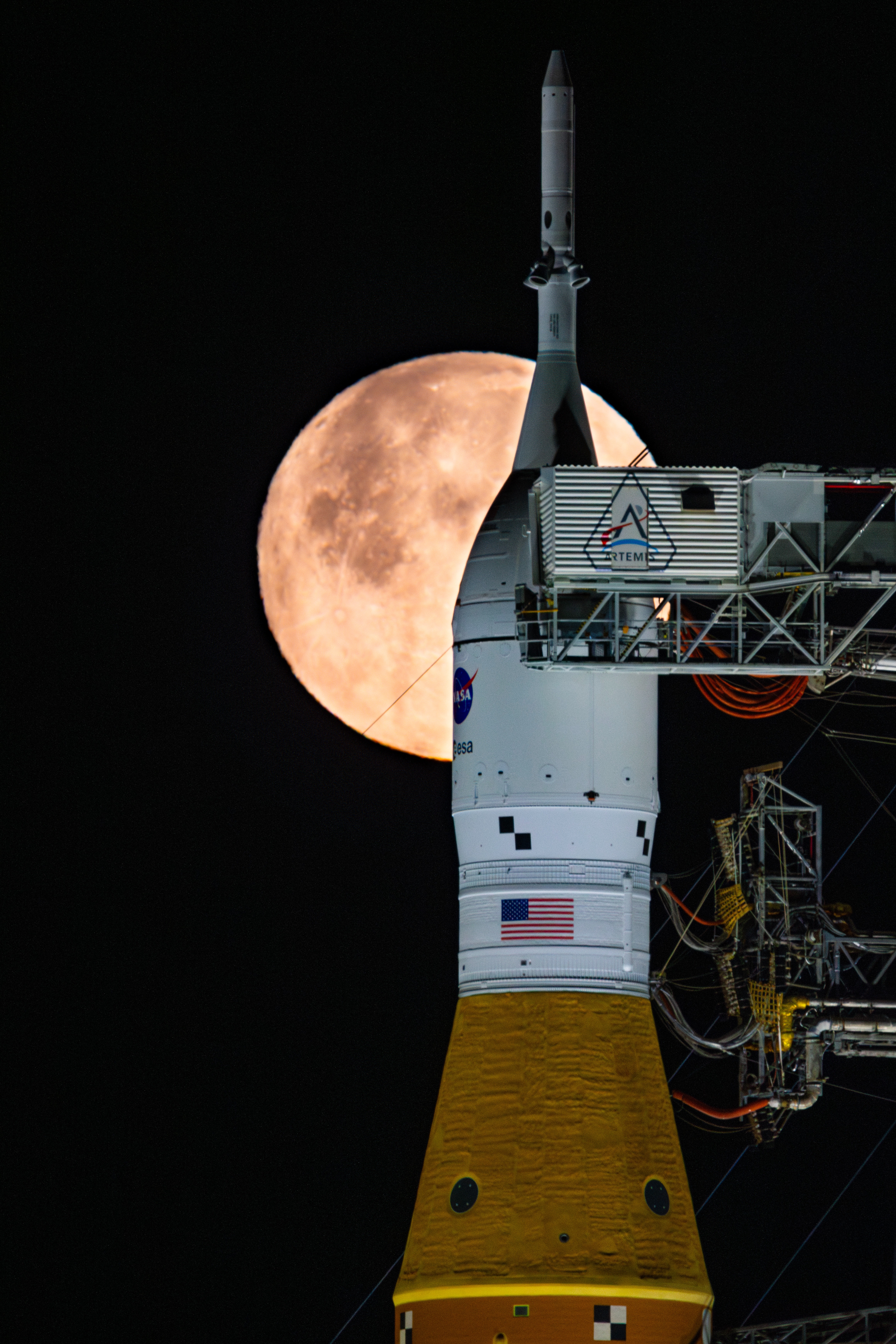
Would you prefer a movie night? In addition to the many films that feature our nearest neighbor, you can spend your evening with our lunar playlist on YouTube or this video gallery, catch up on the latest Artemis preparations and lunar science developments, or watch NASA Explorers: We Are The Artemis Generation on NASA+.
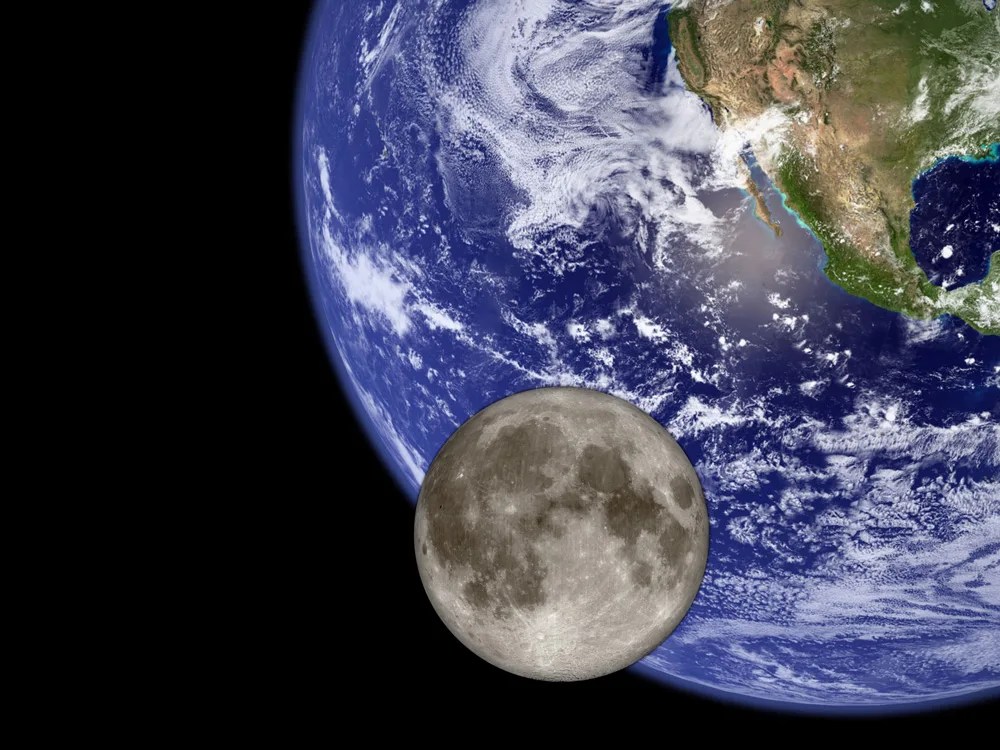
Ever wonder why we always see the same side of the Moon from Earth, what the Moon is made of, how Moon phases work, or what we can learn from sending humans to the Moon? Find answers to your burning Moon questions, and learn how NASA is advancing lunar science and exploration through the Artemis program.
5. Touch the lunar topography
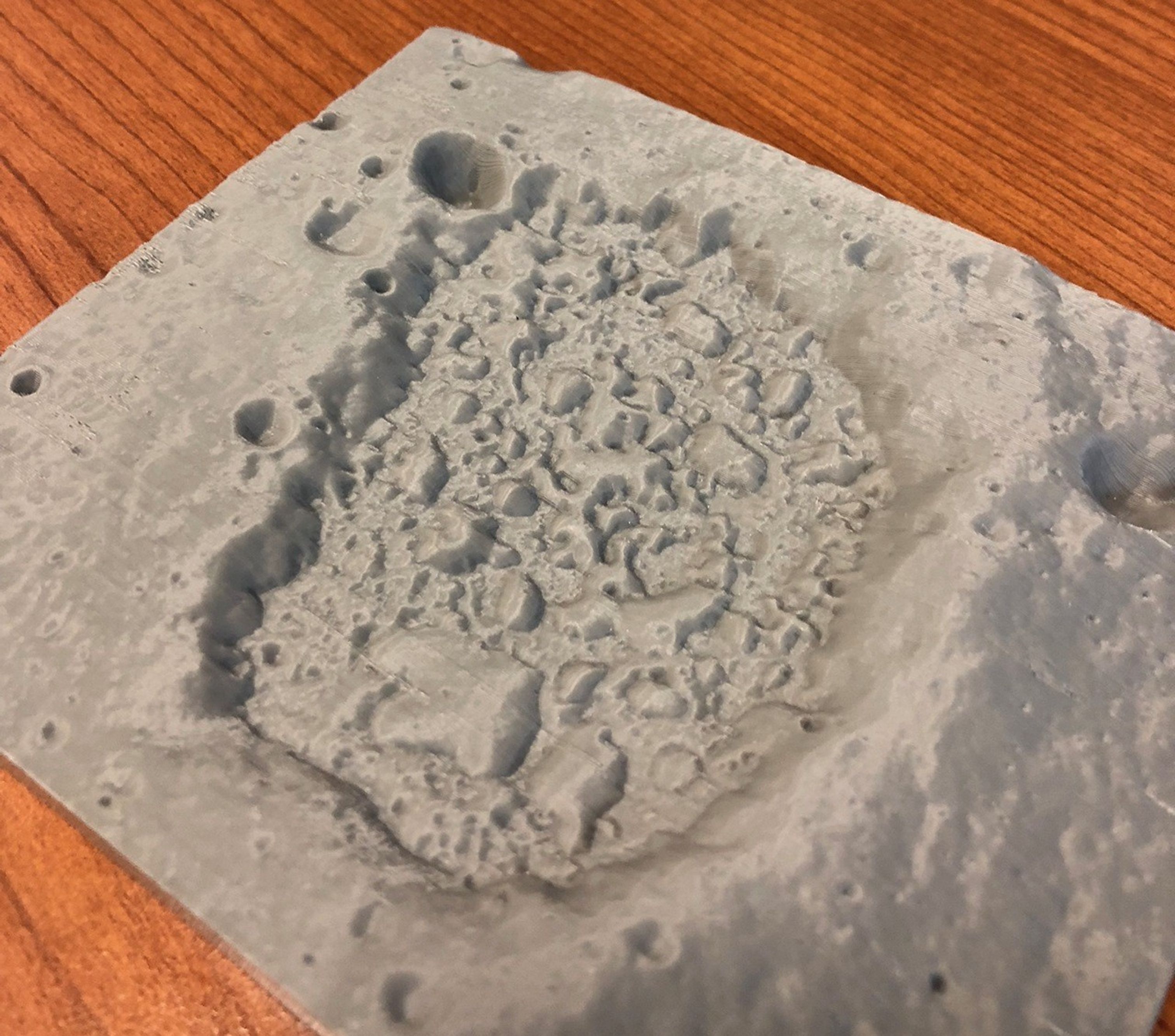
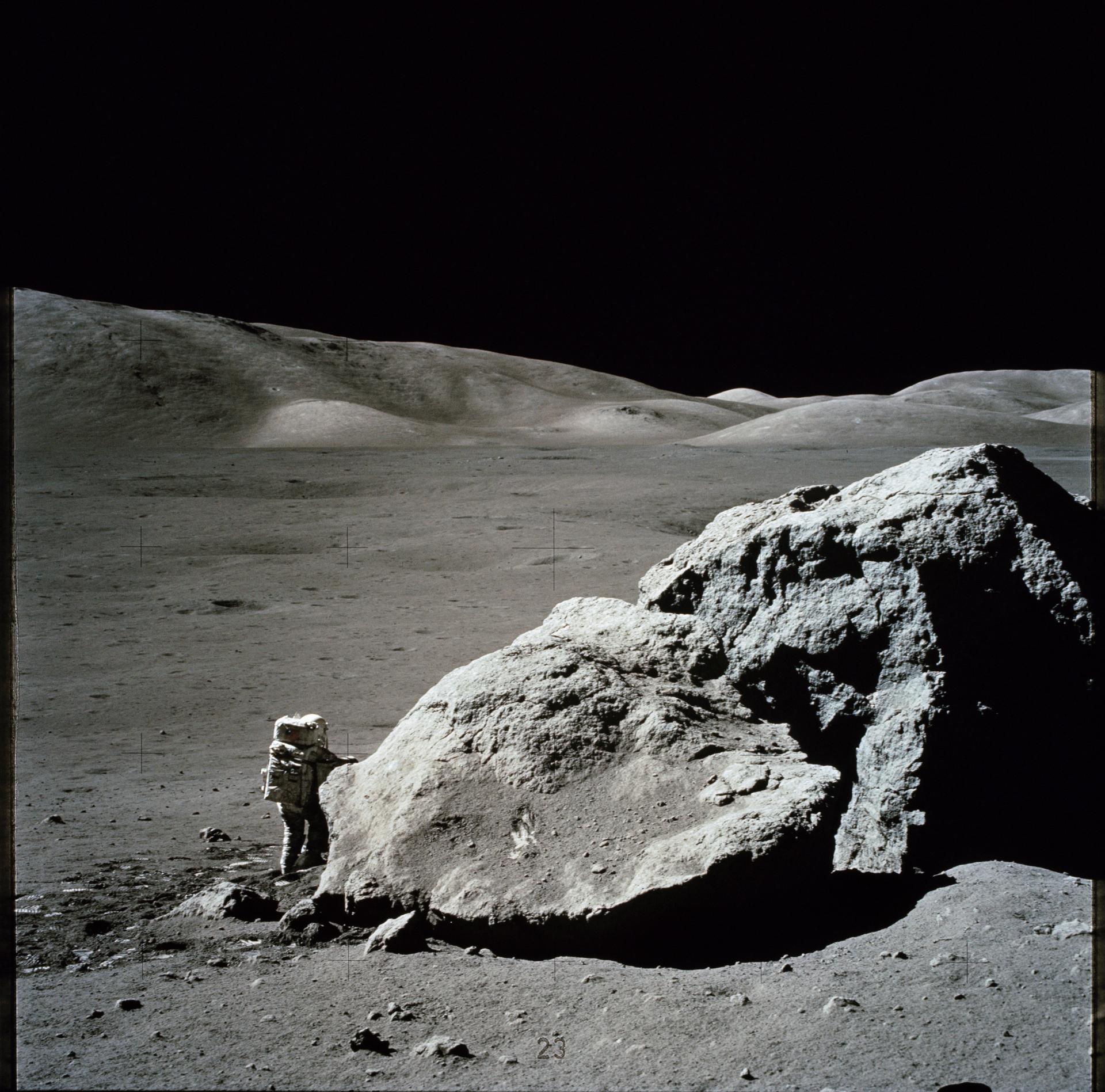
Observe the Moon through touch! If you have access to a 3D printer, you can peruse NASA's library of 3D models or those from the LRO Camera, and print one of your own. This collection of Apollo resources features 3D printed models of the Apollo landing sites. On the Apollo 11 model, near the center, you can actually feel a tiny dot where astronauts Neil Armstrong and Buzz Aldrin left the Lunar Module's descent stage.
6. Make and admire Moon art
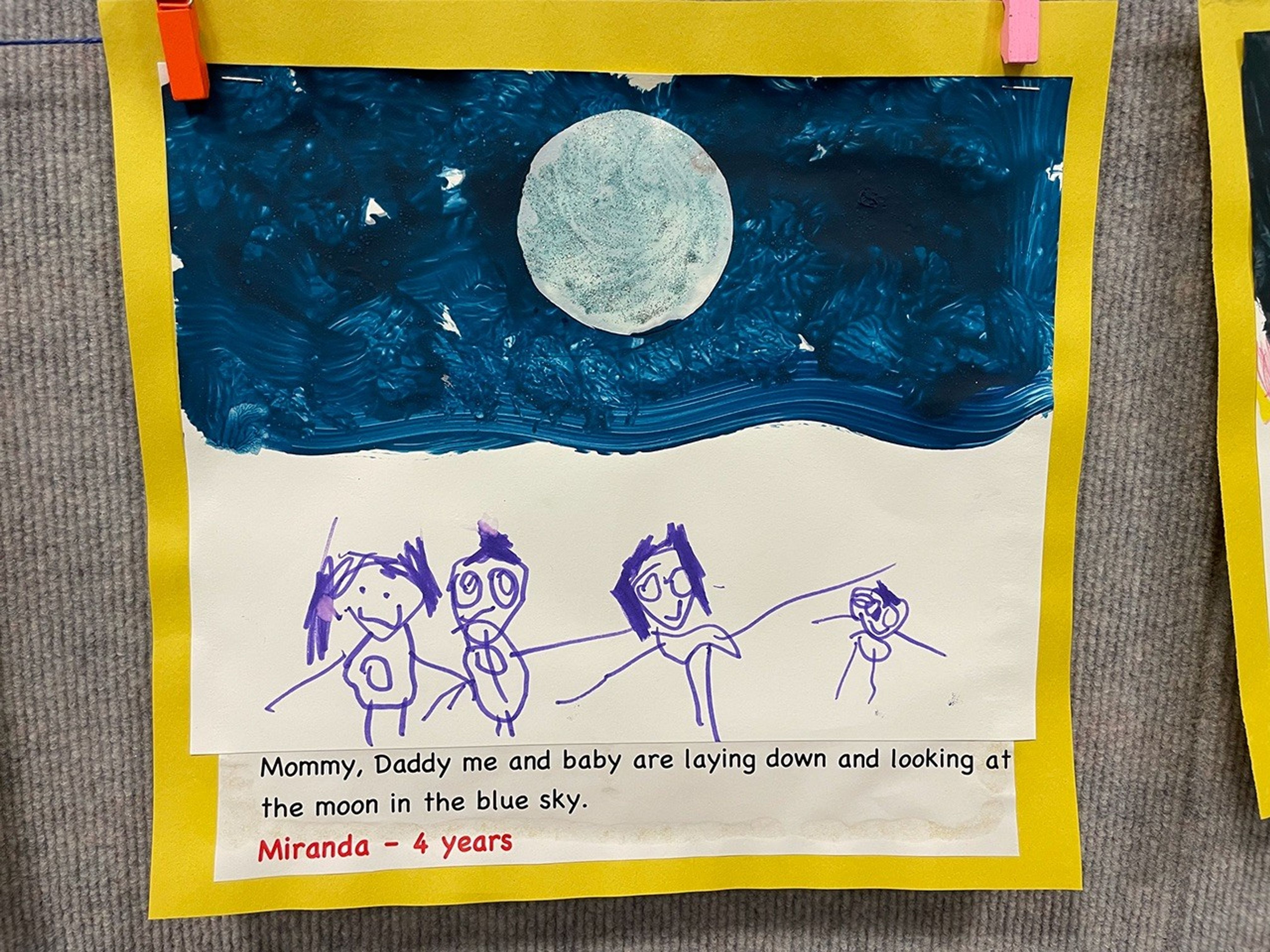
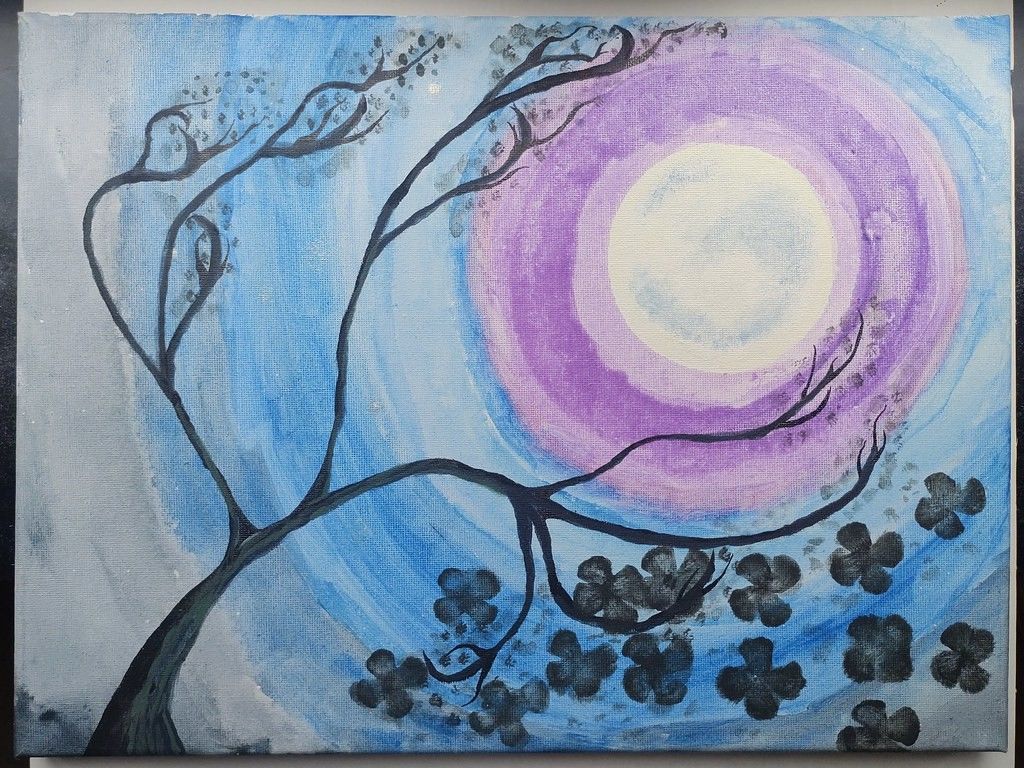
Enjoy artwork of the Moon and create your own. Submit photos of your artwork (paintings, poetry, sketches, jewelry) to our Flickr gallery, or share on social media using #ObserveTheMoon. Try composing a lunar poem. Or do an art activity! For messy fun, lunar crater paintings demonstrate how the lunar surface changes due to frequent meteorite impacts.
7. Listen to the Moon
Treat your ears this International Observe the Moon Night. Several NASA podcasts feature lunar science, exploration, and history, including NASA's Curious Universe; Universo curioso de la NASA; Houston We Have a Podcast; Small Steps, Giant Leaps; and NASA Explorers: Apollo. If you'd rather rock out, make a playlist of Moon-themed songs. Or you can watch this video featuring “Clair de Lune,” by French composer Claude Debussy, over and over.
8. Take a virtual field trip
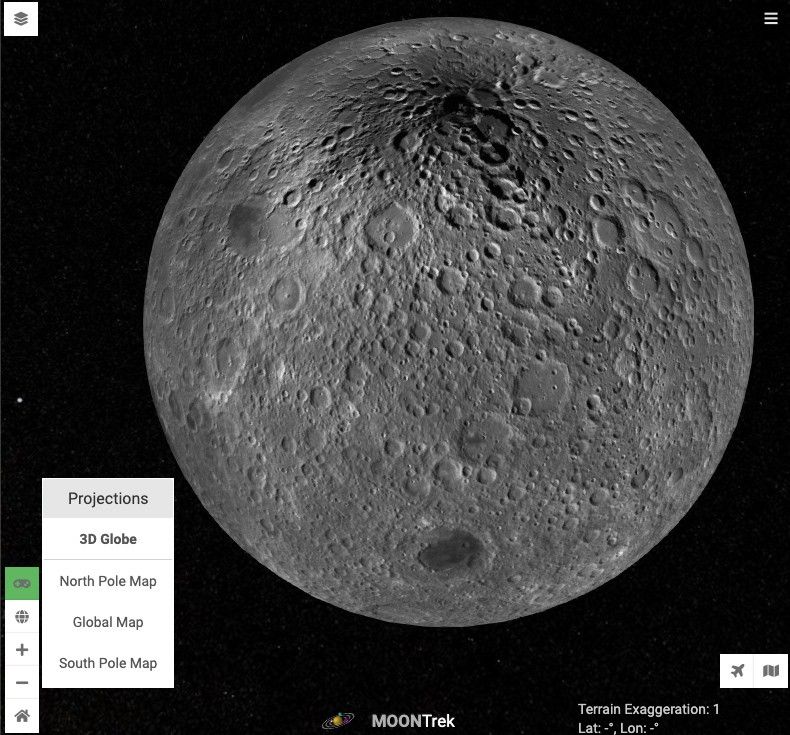
Plan a lunar hike with Moon Trek, an interactive Moon map made using NASA data from our lunar spacecraft. Fly anywhere you’d like on the Moon, calculate the distance or the elevation of a mountain to plan your lunar hike, or conduct lighting and slope analysis. You can even generate output files for 3D printing of desired surface features.
Journey into the Astromaterials 3D virtual library of NASA's Apollo lunar collection, train like an astronaut by learning the geography of the Moon, or put your lunar geologist knowledge and skills to the test by classifying Moon rocks.
9. See the Moon through the eyes of a spacecraft
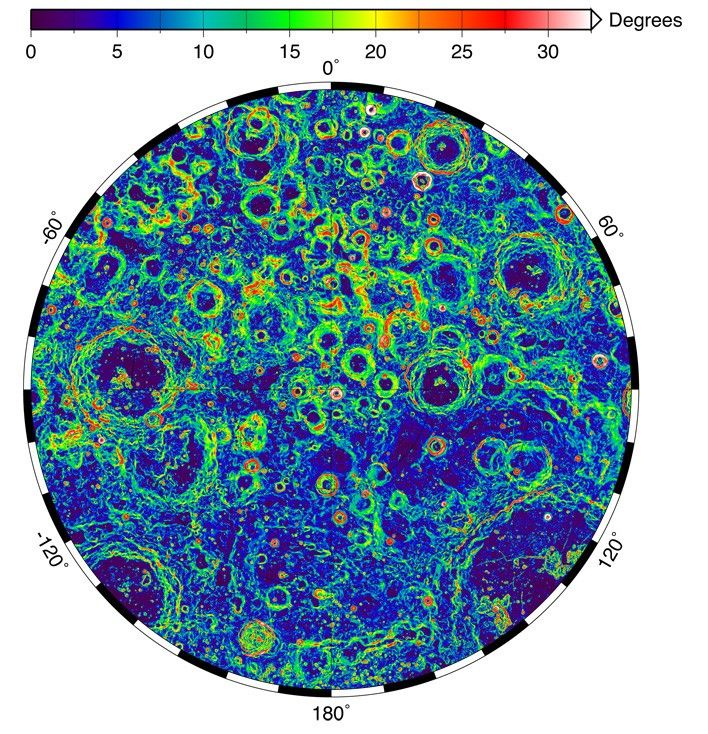
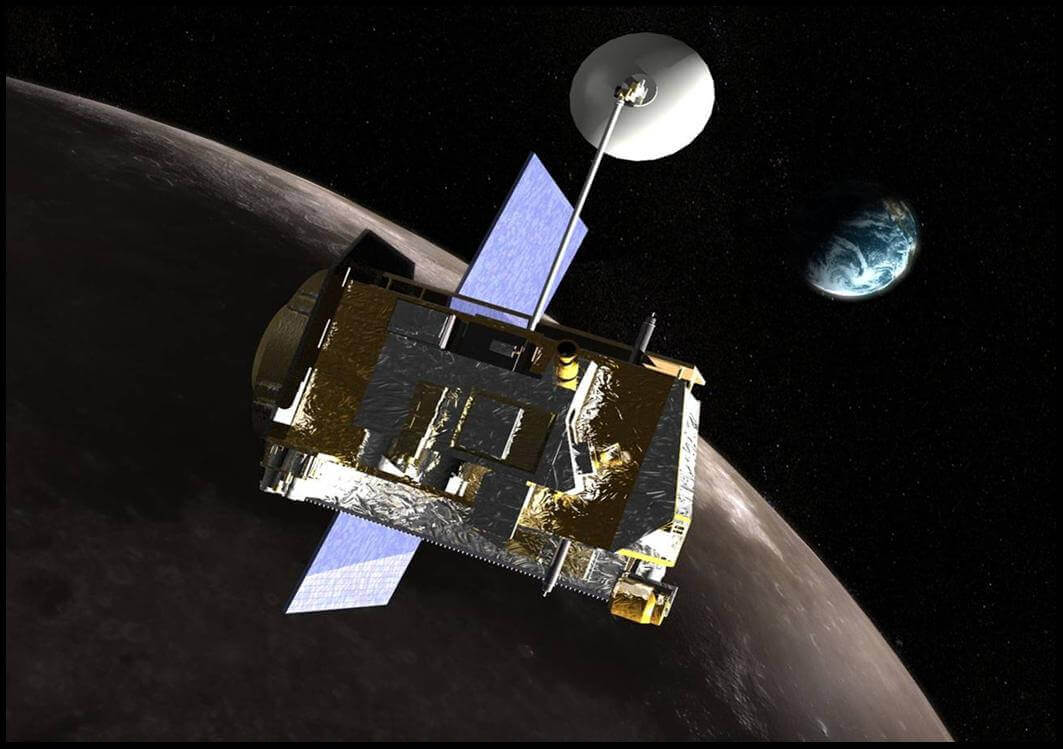
Visible light is just one tool that we use to explore our universe. Our spacecraft contain many different types of instruments to analyze the Moon’s composition and environment. Review the Moon’s gravity field with data from the GRAIL spacecraft or decipher the maze of this slope map from LOLA, the laser altimeter onboard NASA's LRO (Lunar Reconnaissance Orbiter). View the "Moon As Art" gallery or explore the LRO Camera Featured Image Gallery. Expand your lunar knowledge and learn more about NASA's Moon missions.
10. Continue your observations throughout the year
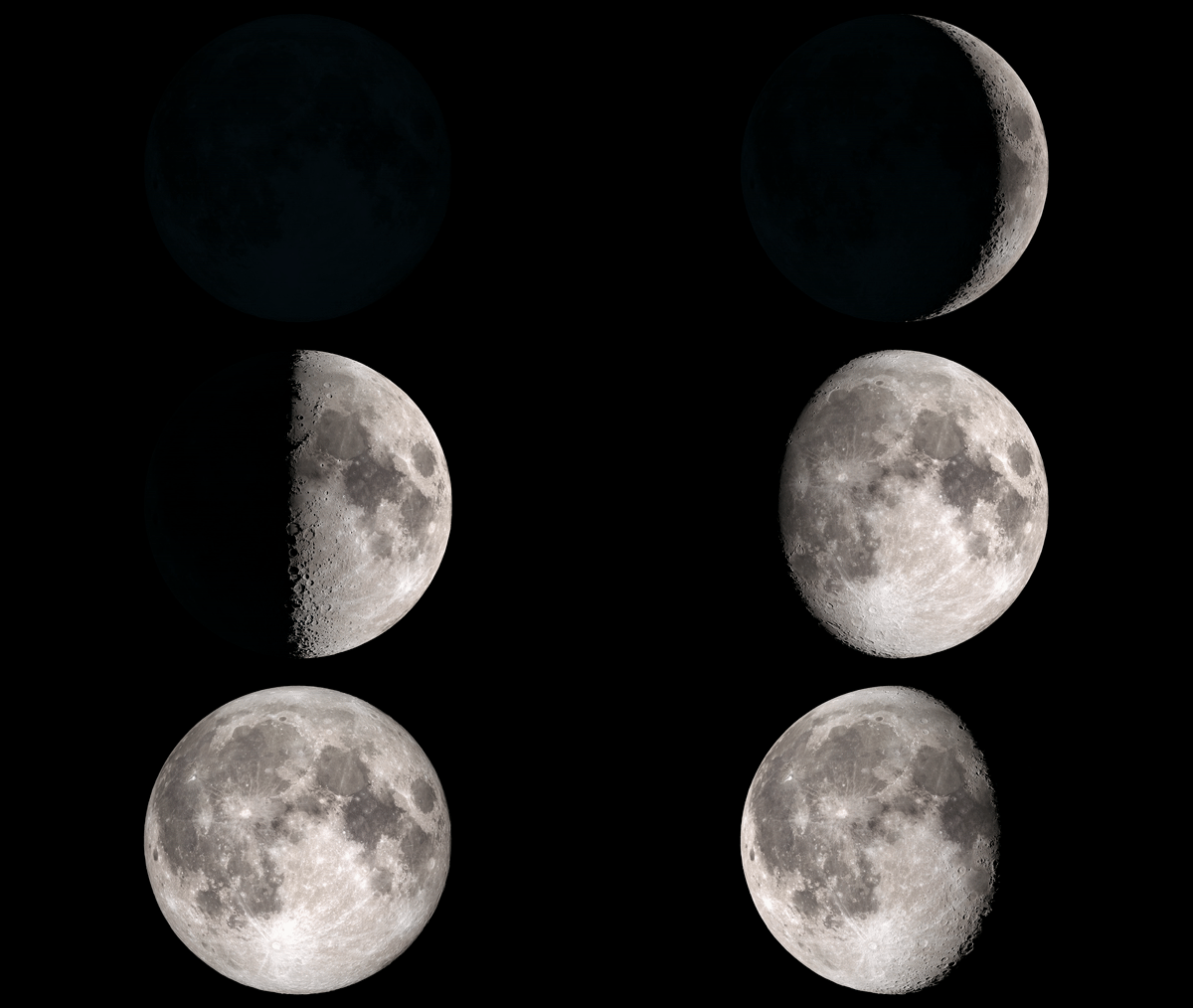
International Observe the Moon Night is the perfect time to start a Moon Observation Journal. See how the shape of the Moon seems to change over the course of a month, and keep track of where and what time it rises and sets. To check your work, visit our Daily Moon Guide, where you can plug in any date of the year to see the Moon's phase. Observe the Moon all year long with these tools and techniques!
However you choose to celebrate International Observe the Moon Night, we want to hear about it! Register your participation and share your experiences on social media using #ObserveTheMoon. Happy observing!
More Resources
International Observe the Moon Night Multimedia Gallery
Promote your Moon observing event, find supporting graphics, and more.
Rain or Shine
Hands-on activities, digital interactives, tactile models, videos, animations, and more.
International Observe the Moon Night Event Materials
Everything you need to prepare for your International Observe the Moon Night event.
Solar System Resource Packages
For educators, students, and anyone interested in learning more about our solar system.