















Suggested Searches

The Mars Future Plan

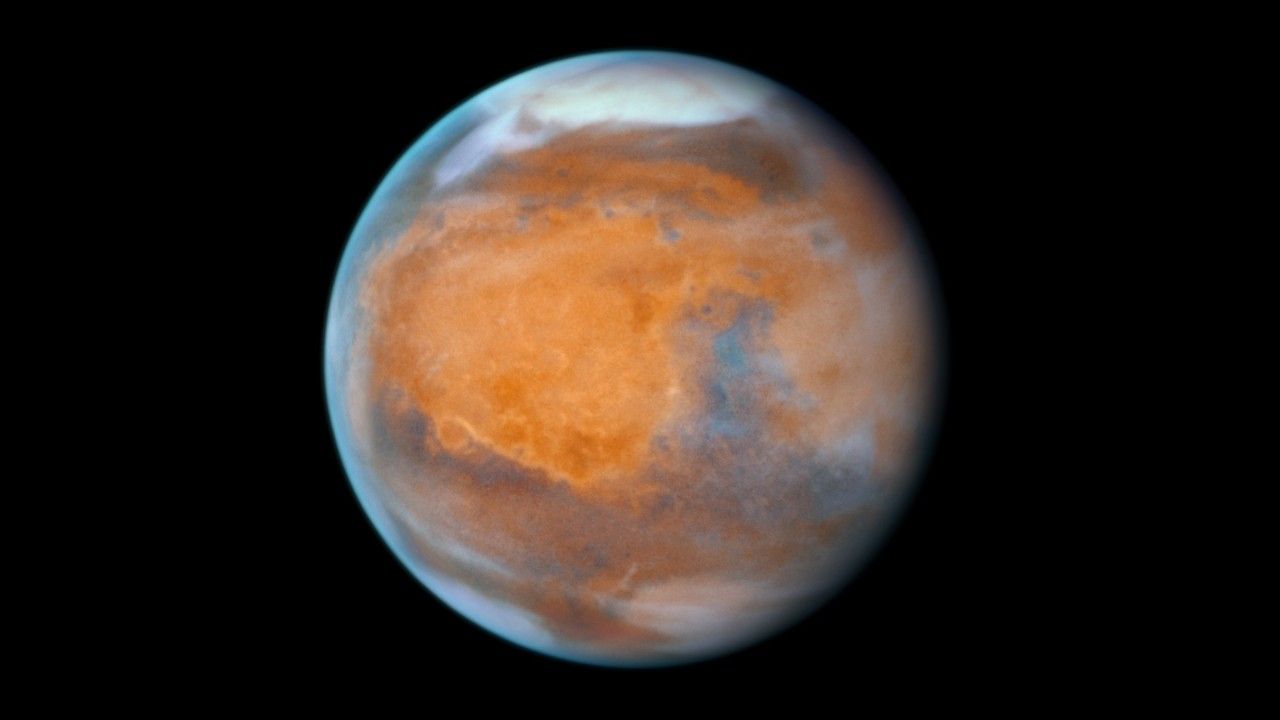
NASA is reimagining the future of Mars exploration, driving new scientific discoveries, and preparing for humans on Mars.

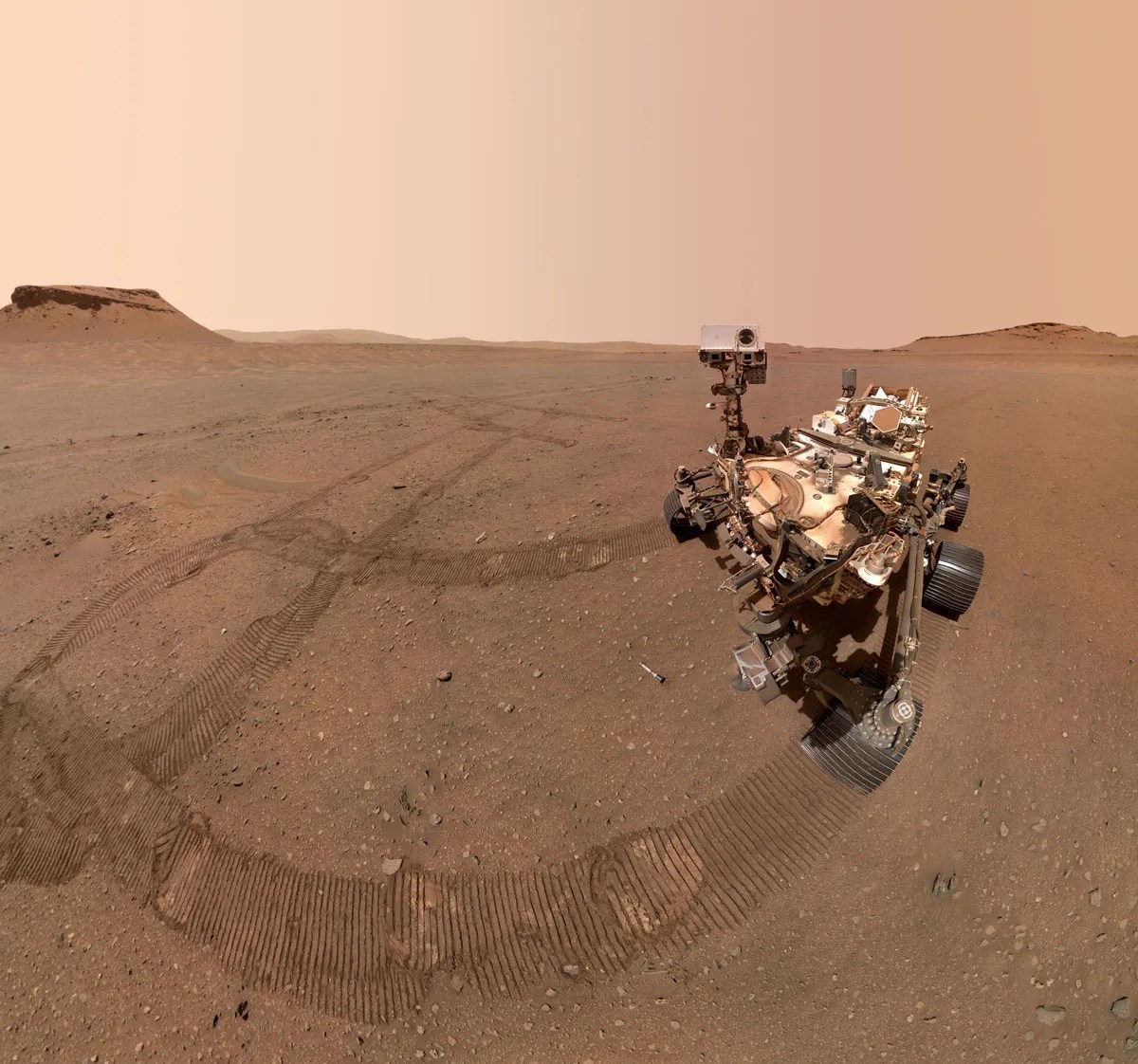
Since landing its first rover on Mars in 1997, NASA has pushed the boundaries of exploration with increasingly larger and more sophisticated robotic explorers. Each mission builds on the lessons learned from the Red Planet, leading to breakthroughs in technology and our understanding of Mars. From the microwave-sized Sojourner to the SUV-sized Perseverance—and even taking flight with the groundbreaking Ingenuity helicopter—these rovers reflect decades of innovation and the drive to answer some of science’s biggest questions.

How We Explore Mars

To discover the possibilities for life on Mars, NASA uses science-driven robotic missions enabling us to explore Mars in ways we never have before.
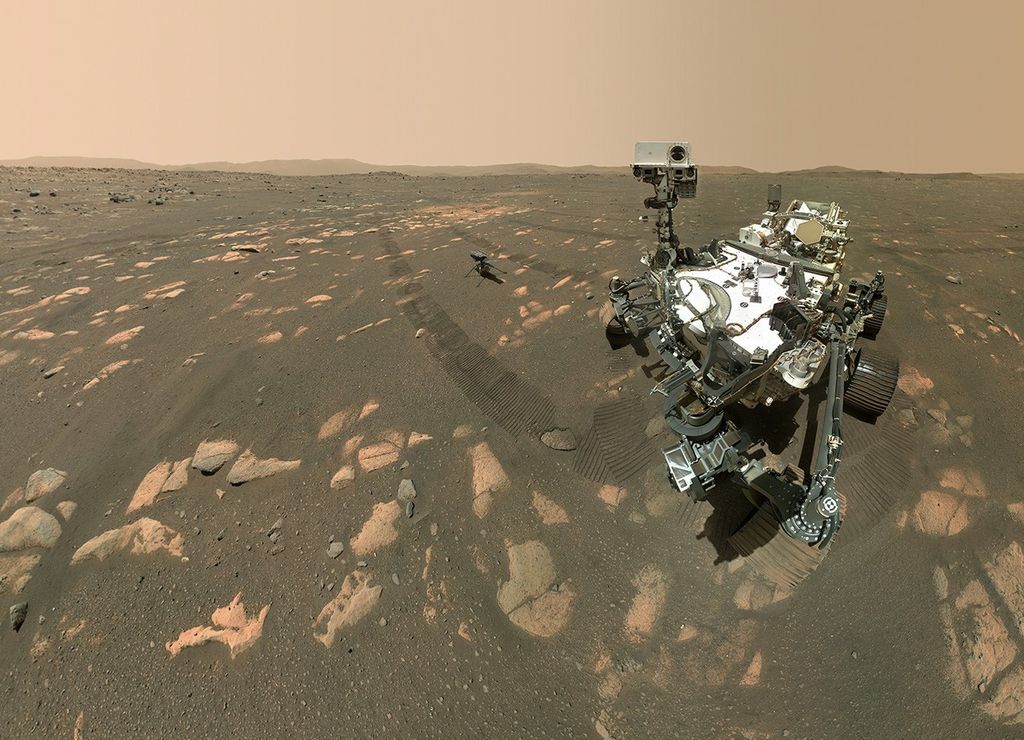
Perseverance Selfie with Ingenuity

Mars 2020: Perseverance Rover

The Mars 2020 mission Perseverance rover is the first step of a roundtrip journey to return Mars samples to Earth. (2020-present)
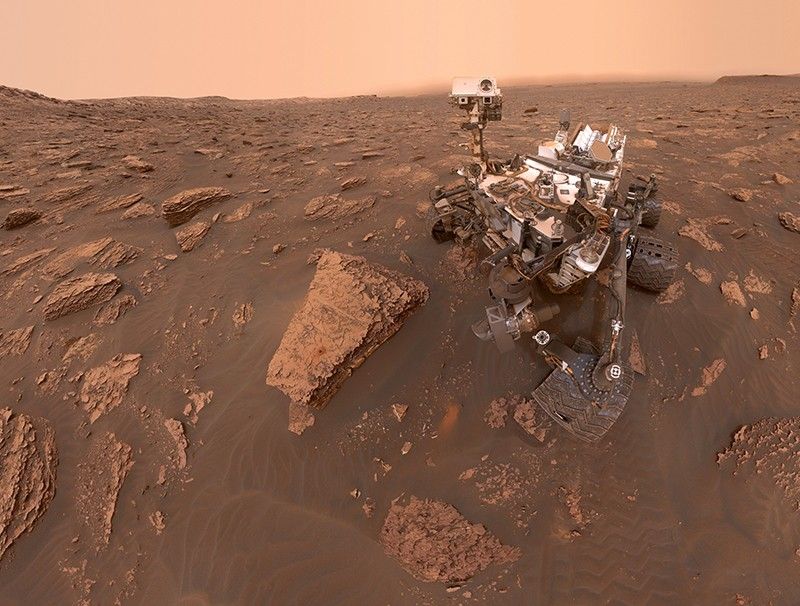
Mars Curiosity Rover Selfie

Curiosity Rover

Curiosity is investigating Mars to determine whether the Red Planet ever was habitable to microbial life. (2011-present)
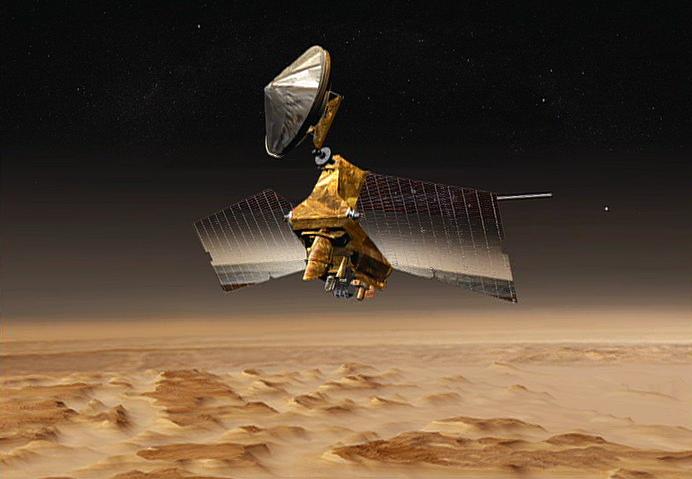
An illustration of a spacecraft over Mars

Mars Reconnaissance Orbiter

MRO explores the planet's atmosphere and terrain from orbit. It is also a crucial communications hub.

A gold-colored spacecraft orbits over Mars, with a dish antenna extending from its top, a spindly boom extending from the front of it toward the viewer, and a large three-paneled solar array attached vertically to its left side. Mars appears as a dusty tan color covering the lower half of the frame, with patches of white at its top, against a black sky flecked with stars in the upper frame.

Mars Odyssey

Odyssey created the first global map of chemical elements and minerals that make up the Martian surface.