
















Mars Exploration Program
For more than 60 years, NASA has pursued answers to one of science's biggest questions: Was, or is, Mars a habitable world?
for more information
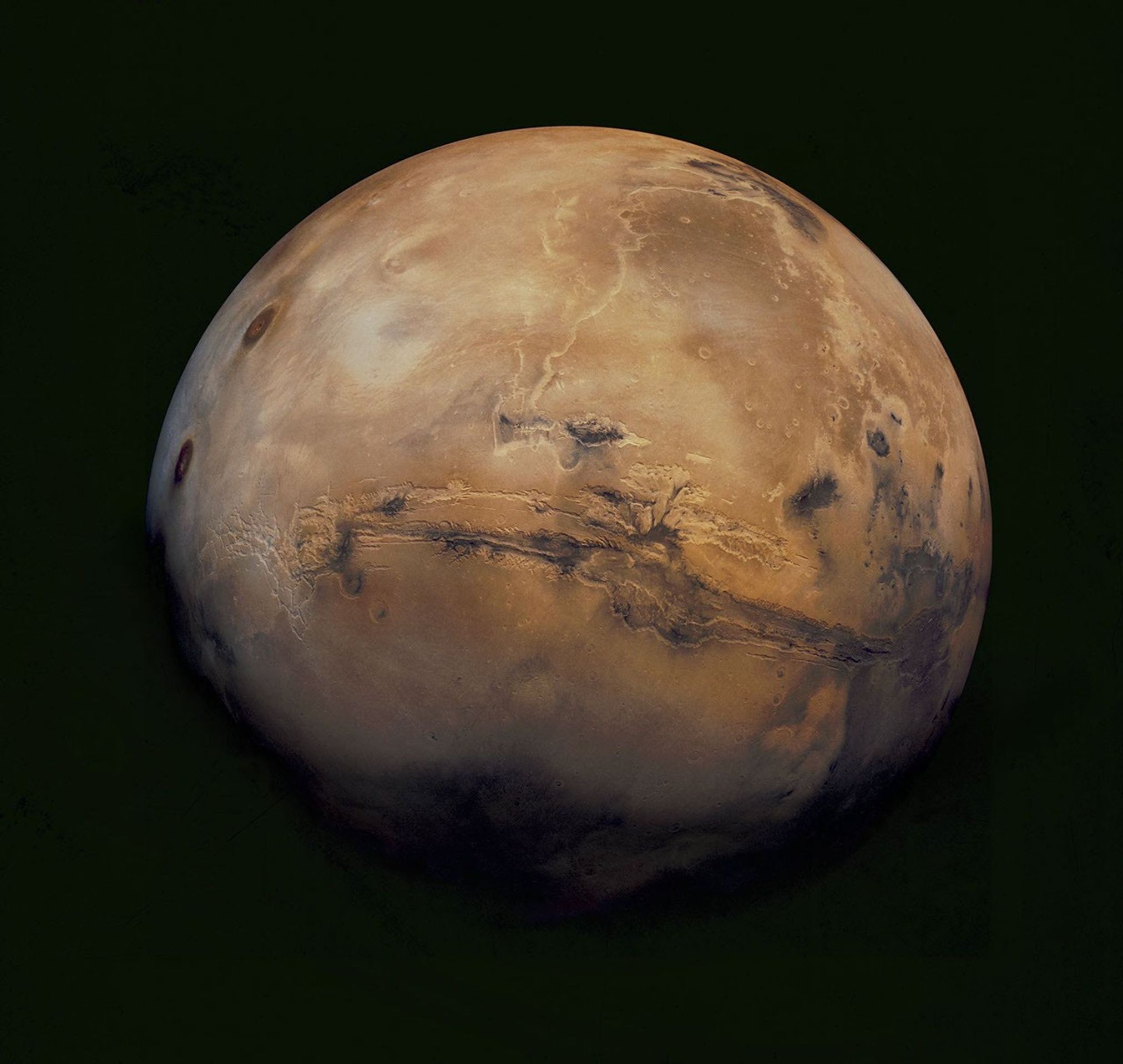
Mars Home Page
The hub for connections to all things about Mars.

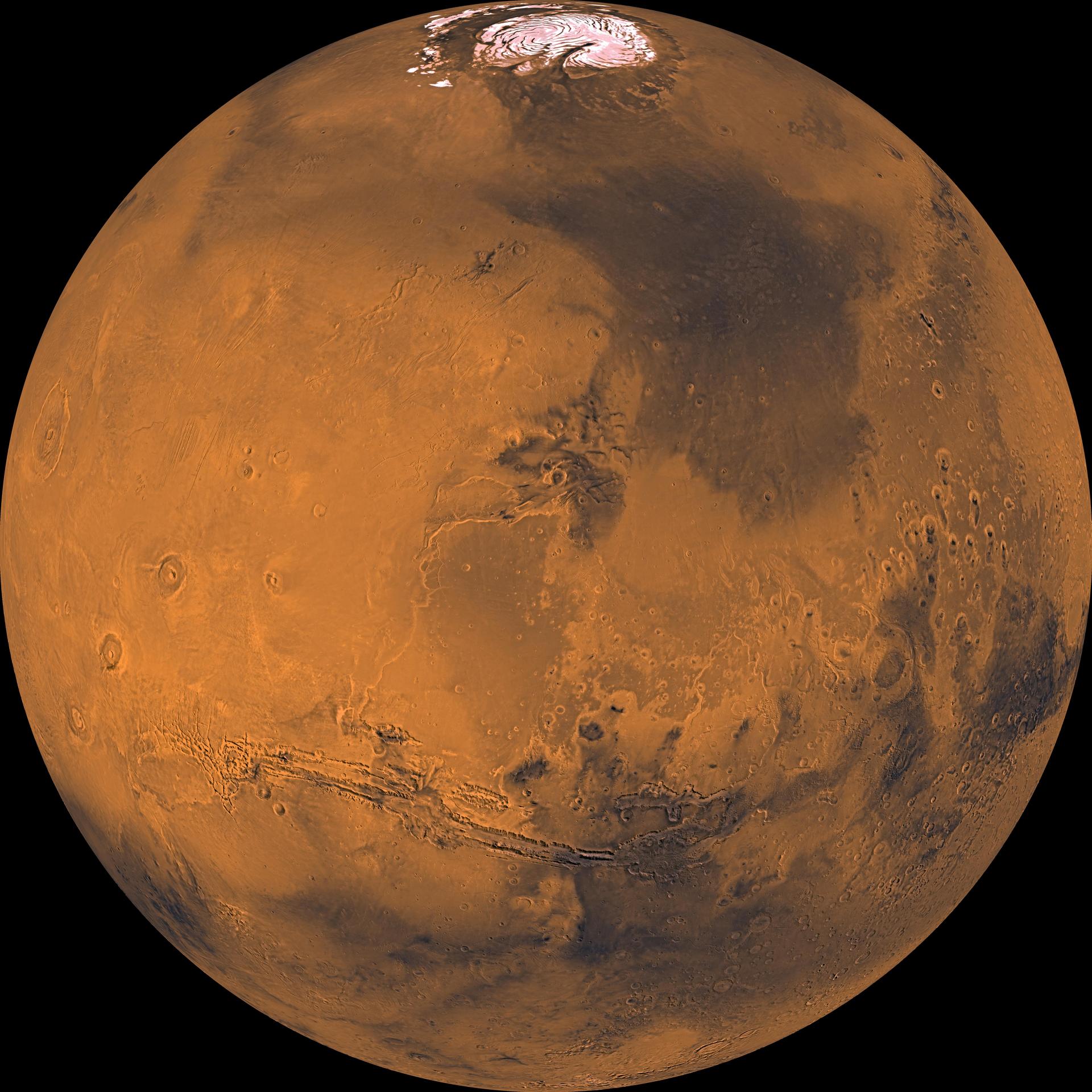
Mars News
NASA news and features about the Red Planet.
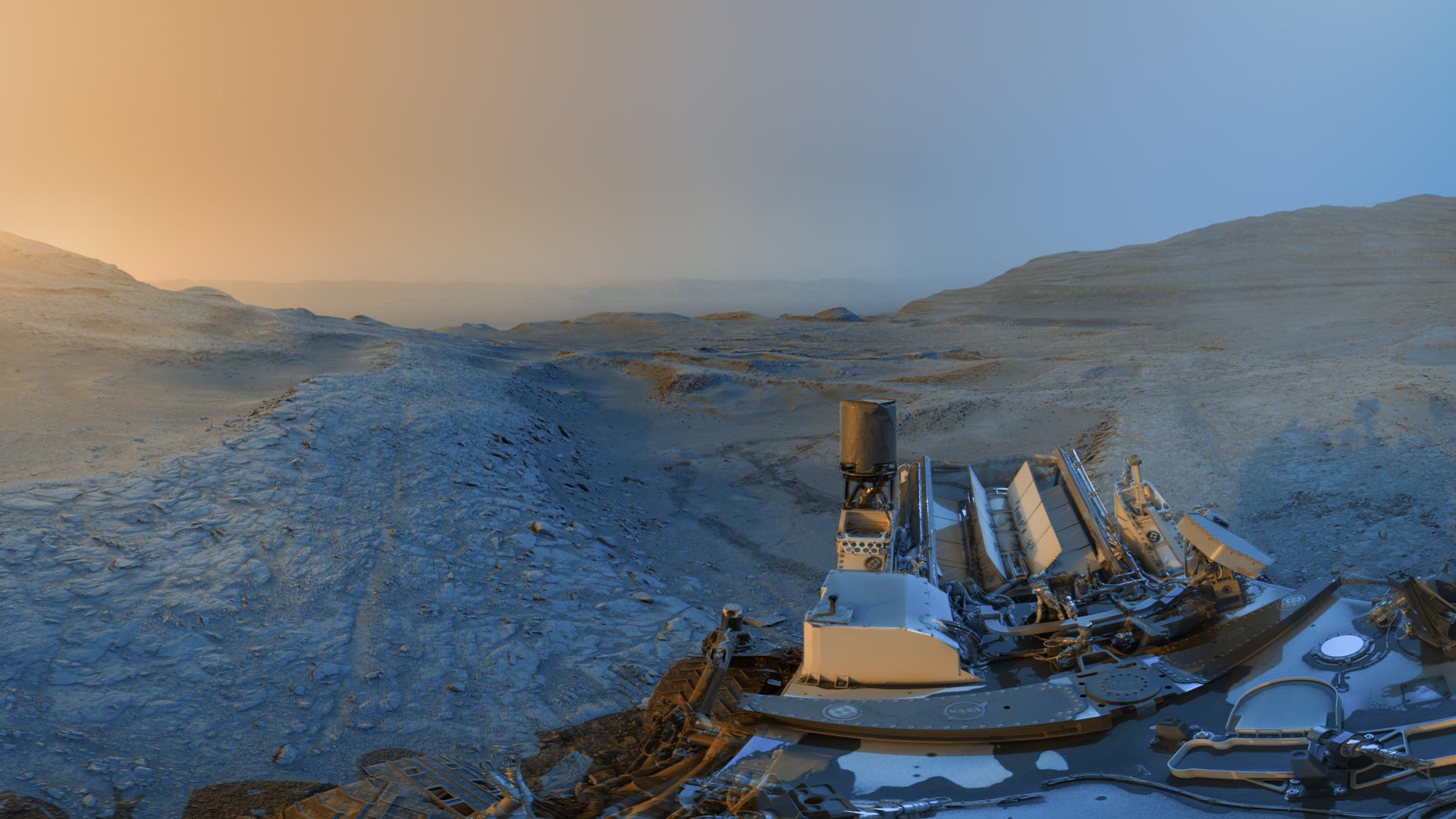
MEP Blog
Mission updates from the Mars Exploration Program.
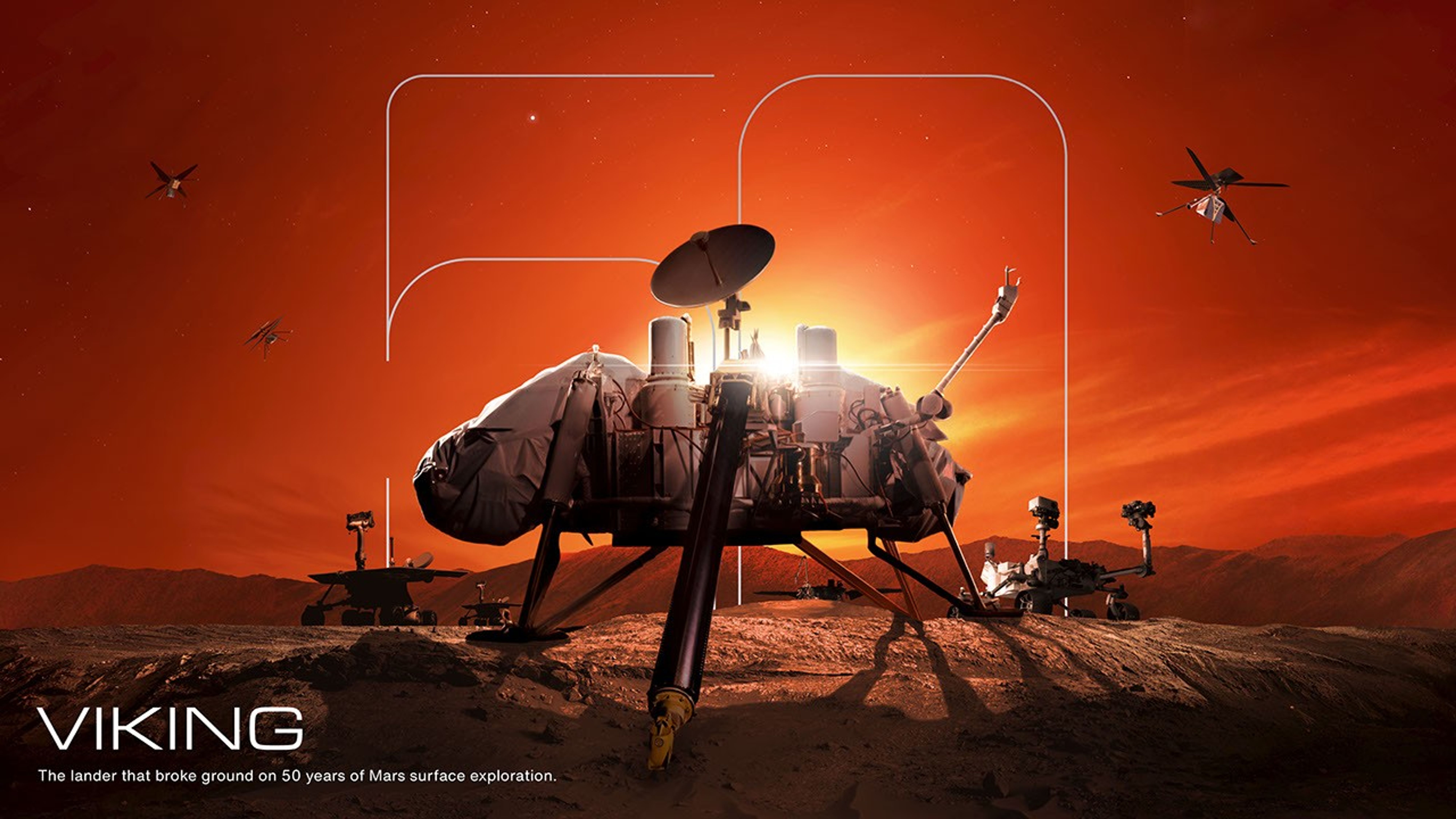
Mars Resources
A curated collection of Martian resources.
Activities and Opportunities
Opportunities for the Mars science community to engage with current Mars Exploration Program activities and planning for future missions.
Learn More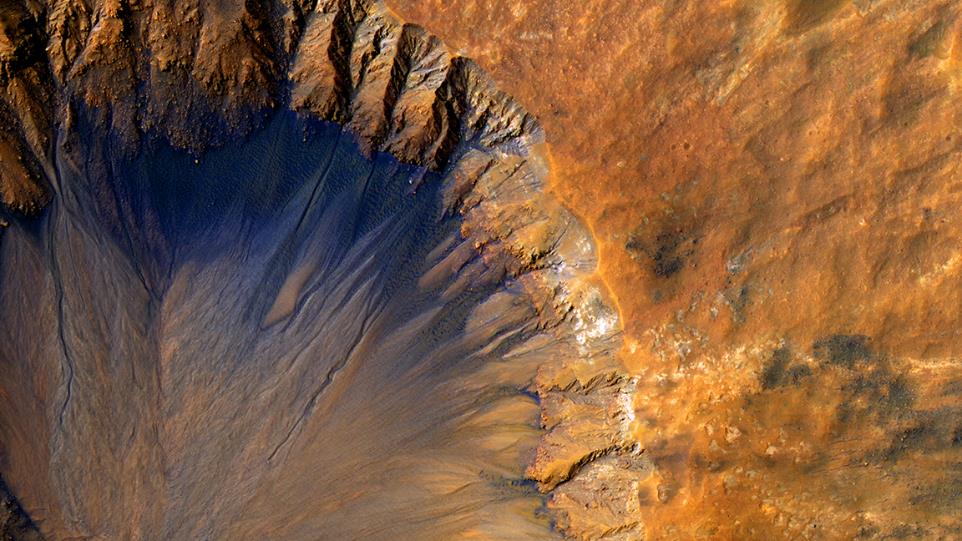
The Future of Mars
-
NASA is reimagining the future of Mars exploration, driving new scientific discoveries, and preparing for humans on Mars. NASA’s Mars Exploration Program will focus the next two decades on its science-driven systemic approach on these strategic goals: exploring for potential life, understanding the geology and climate of Mars, and preparation for human exploration.
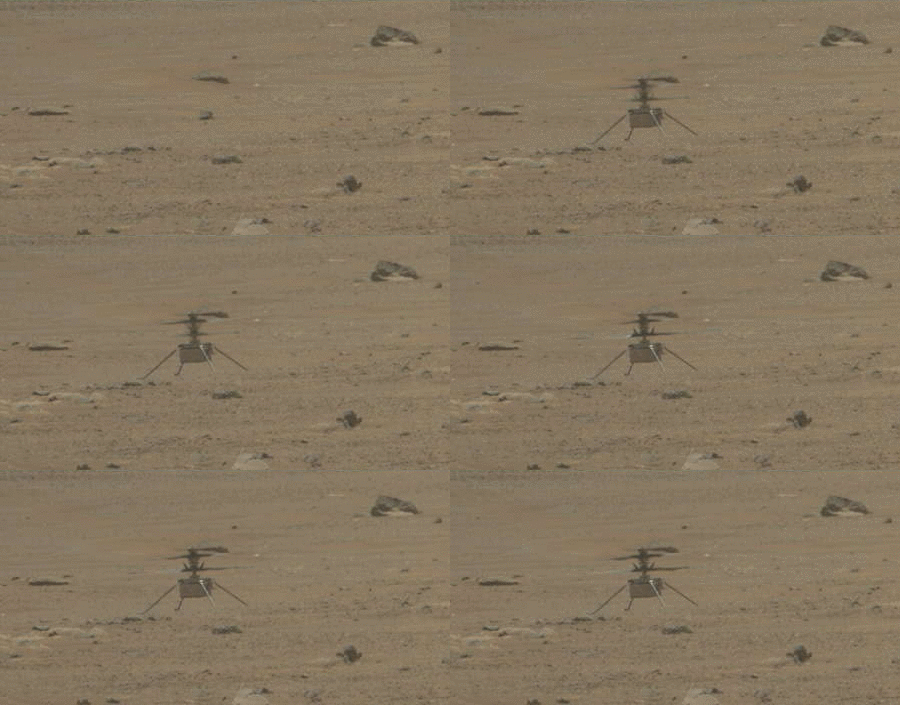 NASA's Ingenuity Mars Helicopter lands with a soft bounce after its fifth flight on May 7, 2021. The images in this GIF were captured by the Mastcam-Z imager aboard NASA's Perseverance rover.NASA/JPL-Caltech/ASU/MSSS
Technology
-
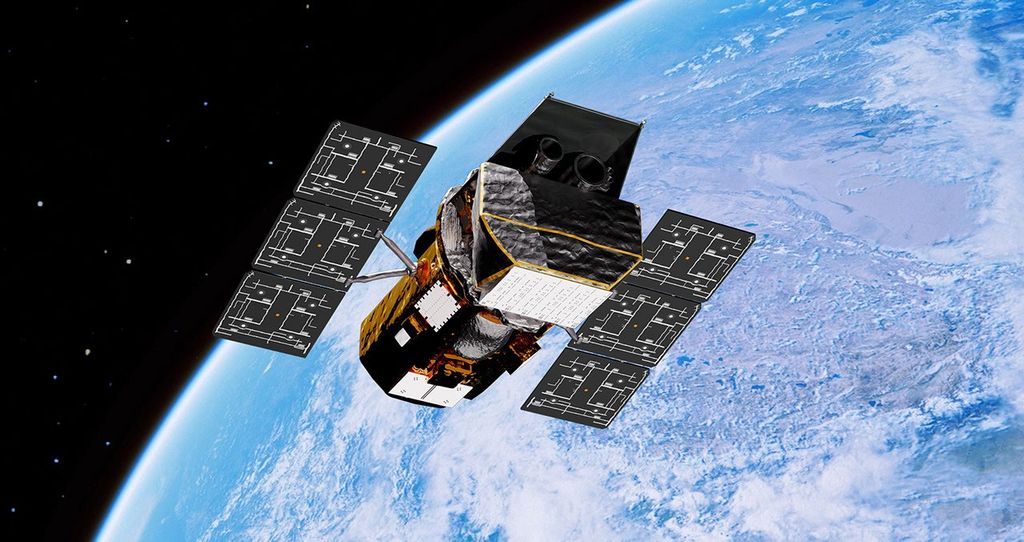
Through the Mars Exploration Program, NASA strategically invests in technology development that will enable future missions to explore in new and better ways. From advanced mobility and communication systems to innovative solutions for entry, descent, and landing, technologies developed by the Mars Exploration Program can bring benefits not only for exploring the Red Planet, but for the Moon, Mars, and beyond.
Mars Exploration Program-Funded Technology Development Projects (FY 2025)
-
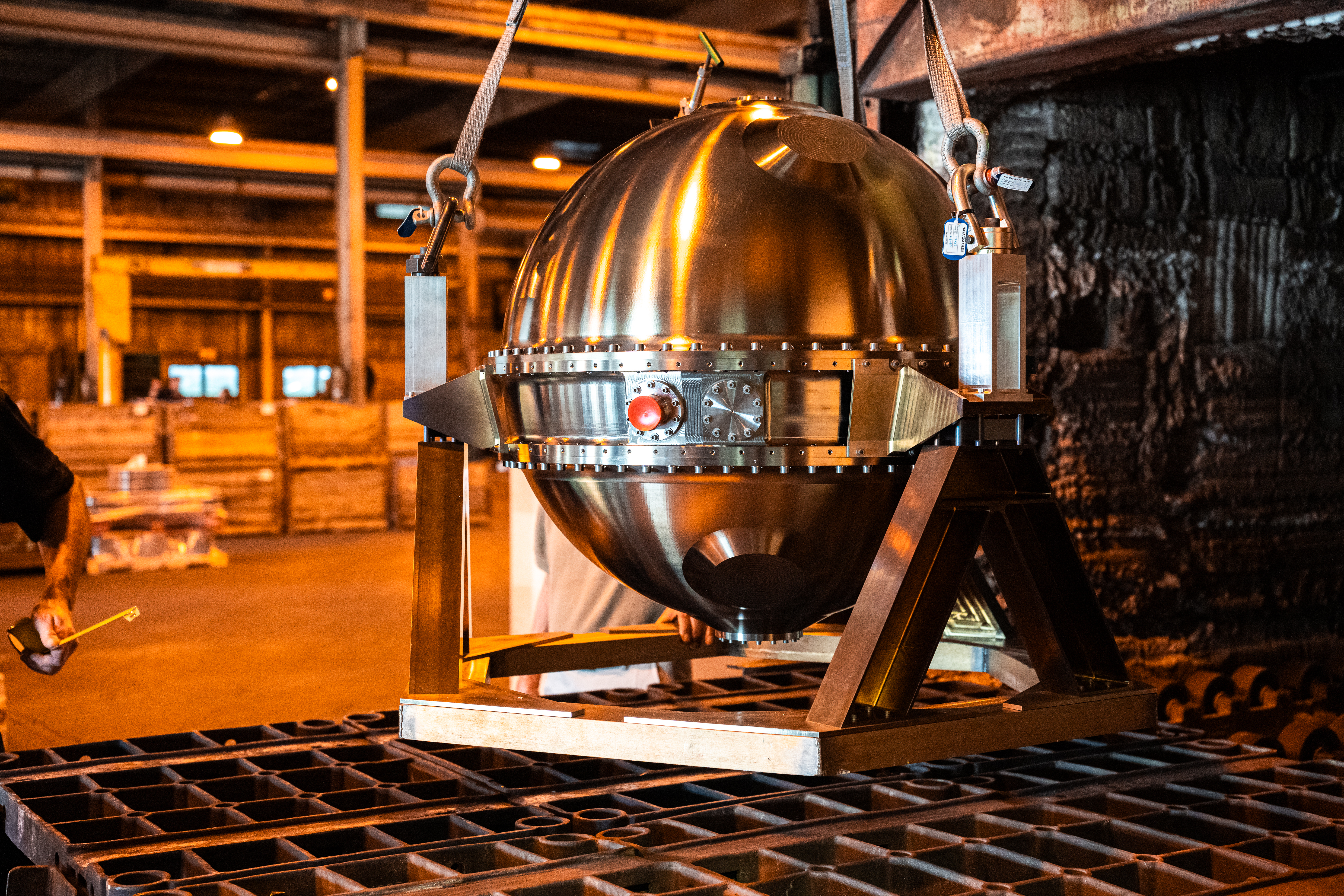
NASA's Partnerships with U.S. industry are central to advancing the agencies highest-priority science objectives.
Science Transport & Robotic Innovation for Deployment and Exploration (STRIDE)
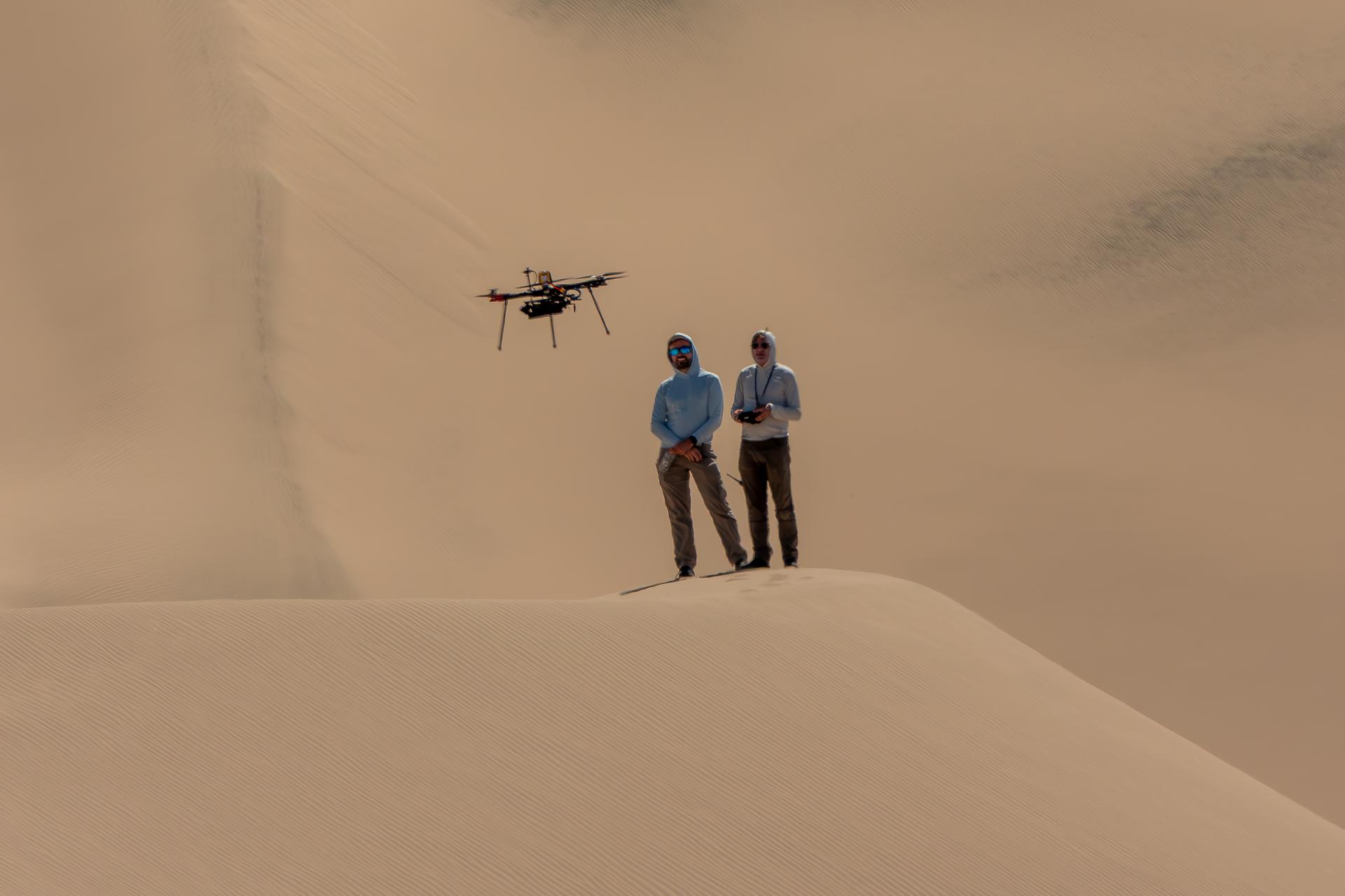
Curiosity Rover Science Highlights
After more than a decade exploring Mars, Curiosity's discoveries have helped to answer many questions about the Red Planet.
Read More
Timeline of NASA's Mars Missions
Mars Missions
A carefully selected international fleet of robotic orbiters, landers, and rovers keeps a continuous flow of scientific information and discovery from Mars.
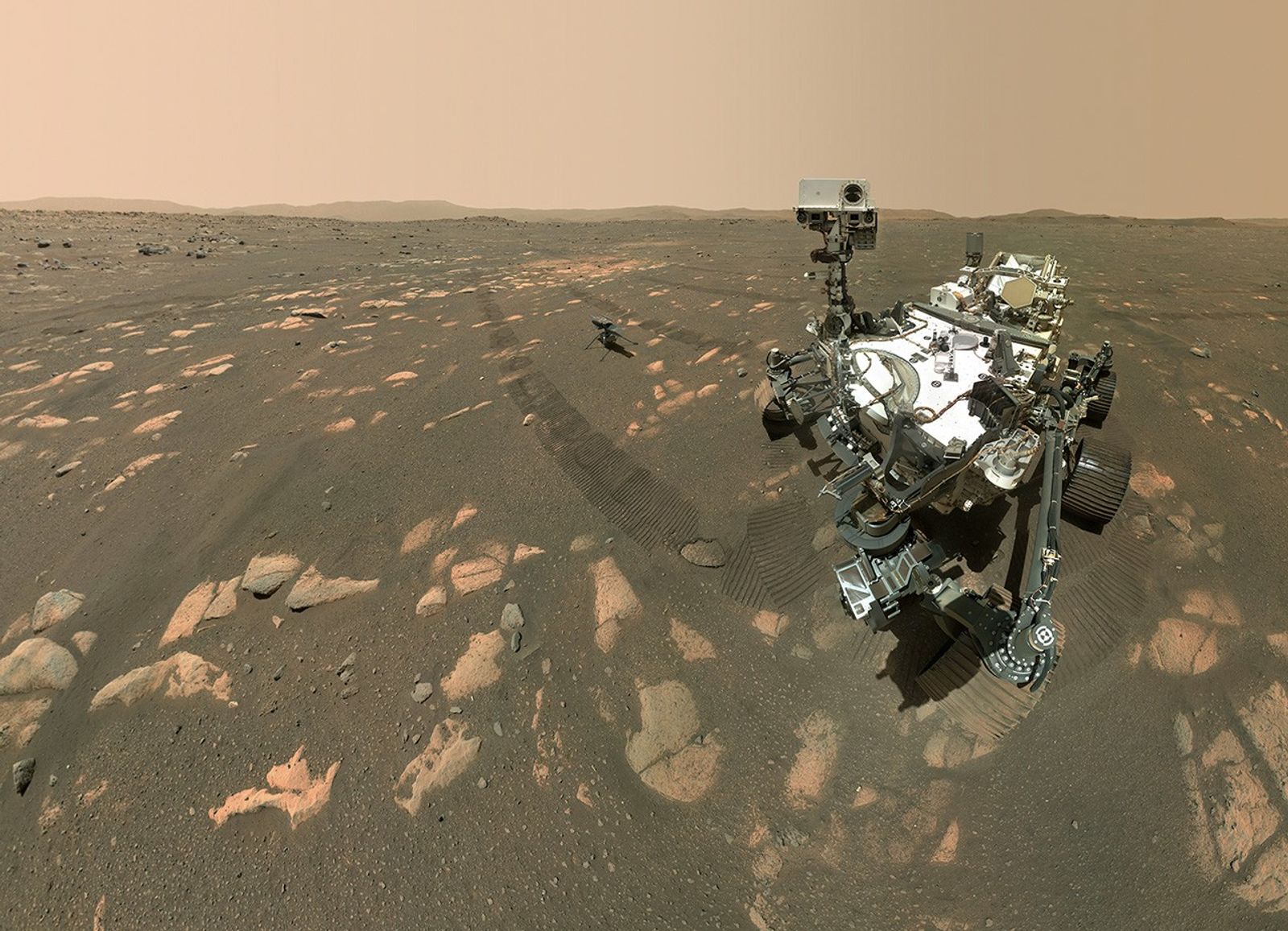
Mars 2020: Perseverance Rover
The Mars 2020 mission Perseverance rover is the first step of a journey that would return Mars samples to Earth. (2020-present)
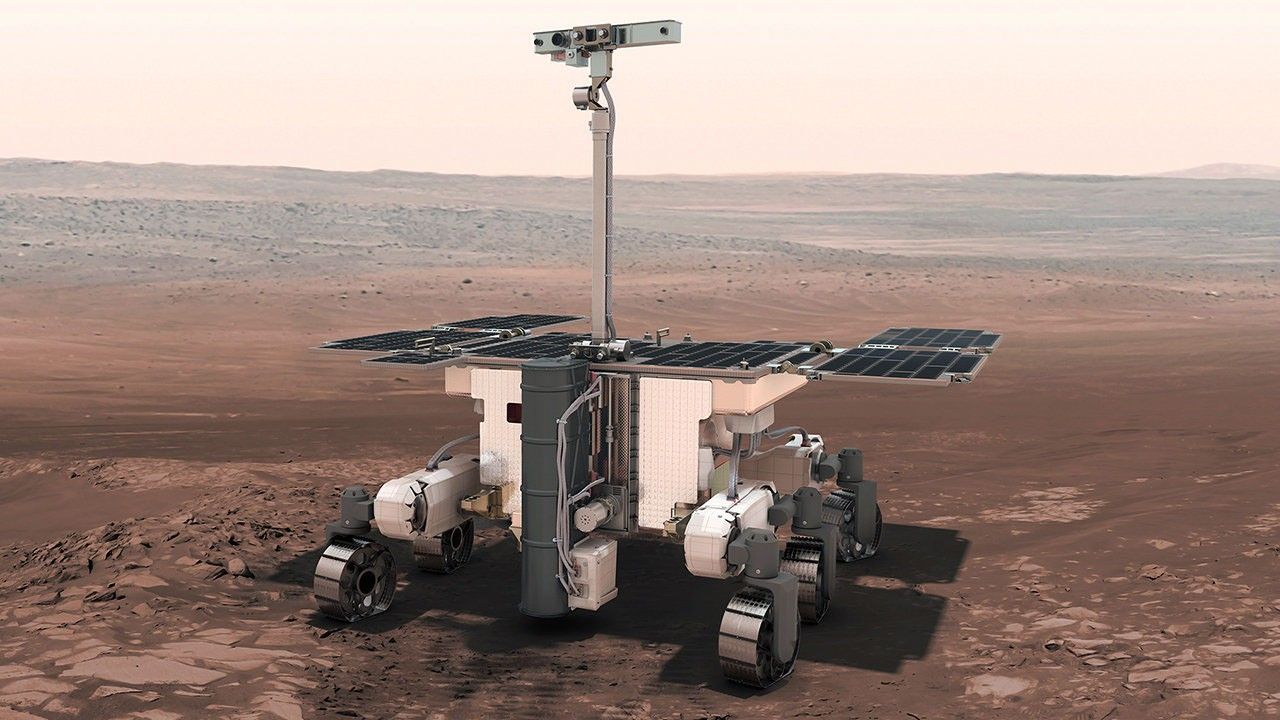
EXOMars Program
ESA’s (European Space Agency) Exobiology on Mars program consists of two missions: Trace Gas Orbiter, which entered Mars orbit in 2016, and the Rosalind Franklin rover, scheduled for launch no earlier than 2028.
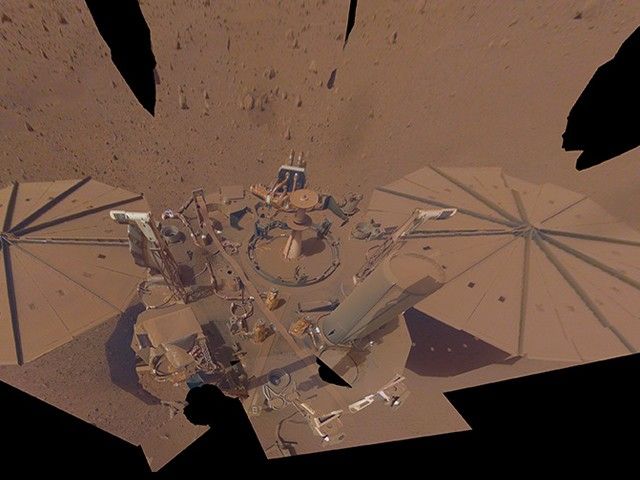
InSight
InSight was the first space robotic explorer to study in-depth the "inner space" of Mars: its crust, mantle, and core. (2018-2022)
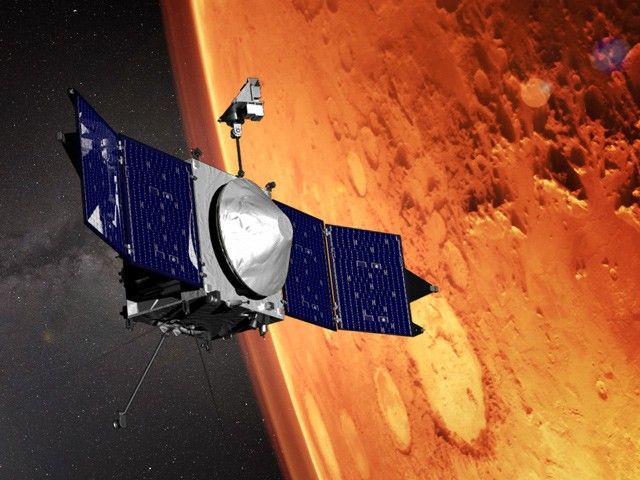
MAVEN
MAVEN obtained critical measurements of Mars' atmosphere to help understand dramatic climate change over the planet's history. (2013-2026)
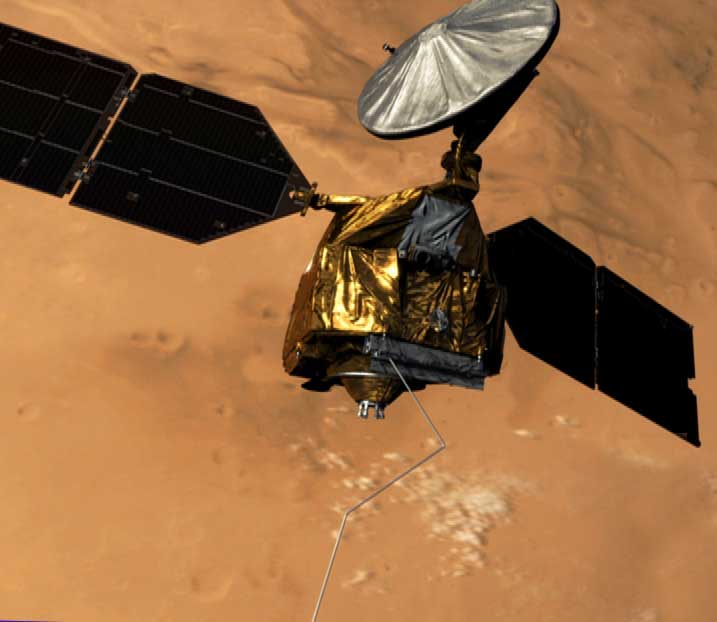
Mars Reconnaissance Orbiter
MRO studies the planet's atmosphere and terrain from orbit and serves as a key data relay station for other Mars missions. (2005-present)

Mars Science Laboratory: Curiosity Rover
Curiosity is investigating Mars to determine whether the Red Planet ever was habitable to microbial life. (2011-present)
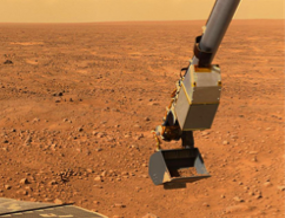
Mars Phoenix
Phoenix carried a complex suite of instruments to look for signs of water-ice in a region farther north than any previous mission. (2007-2008)
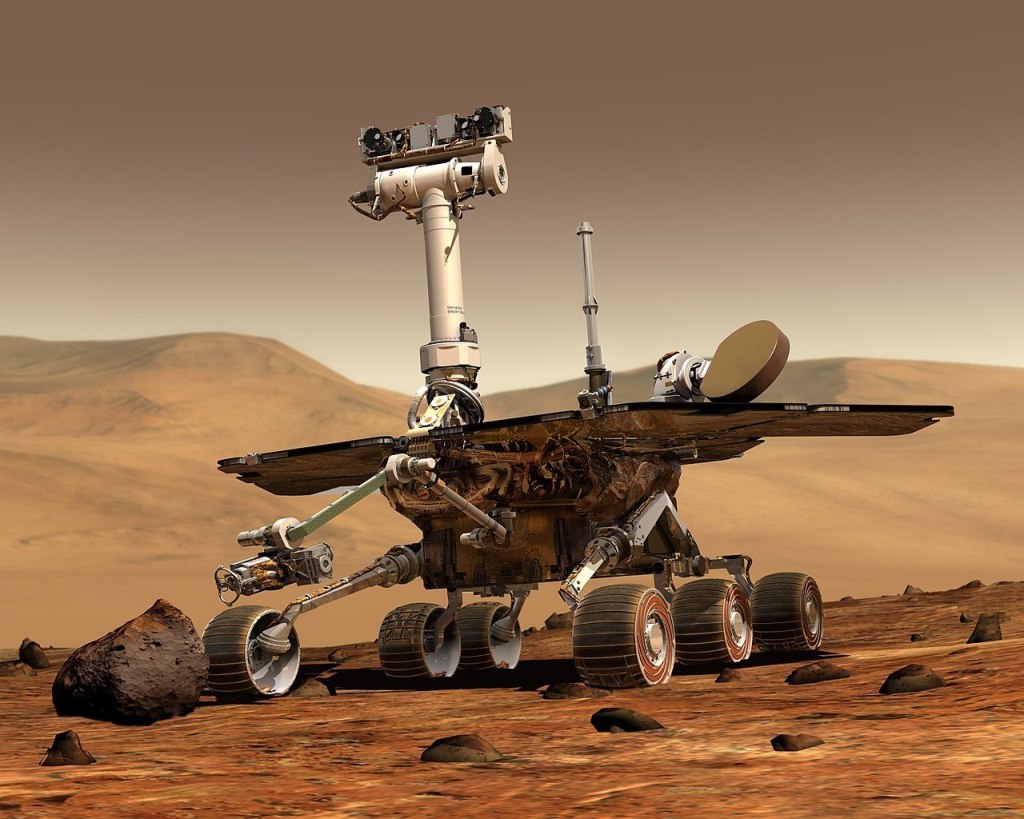
Mars Exploration Rovers: Spirit and Opportunity
A pair of Mars rovers that used field geology and atmospheric observations as they looked for signs of ancient water activity. (2003-2010)
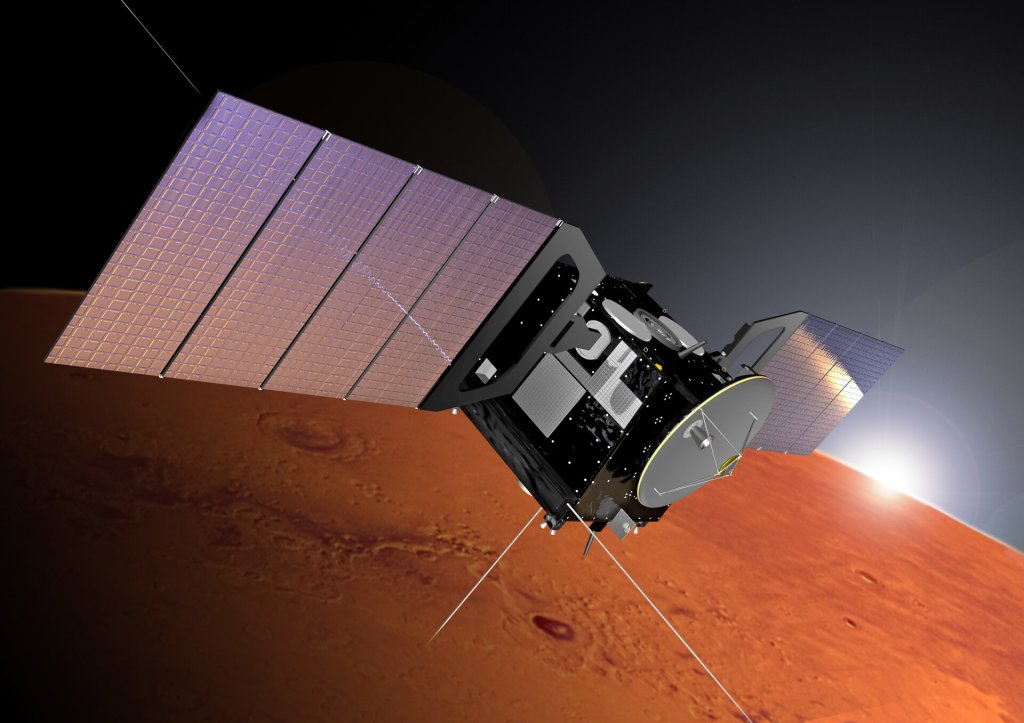
Mars Express (ESA)
NASA is contributing advanced radar and radio relay systems to this ESA-ASI mission searching for sub-surface water from Mars orbit. (2003-present)
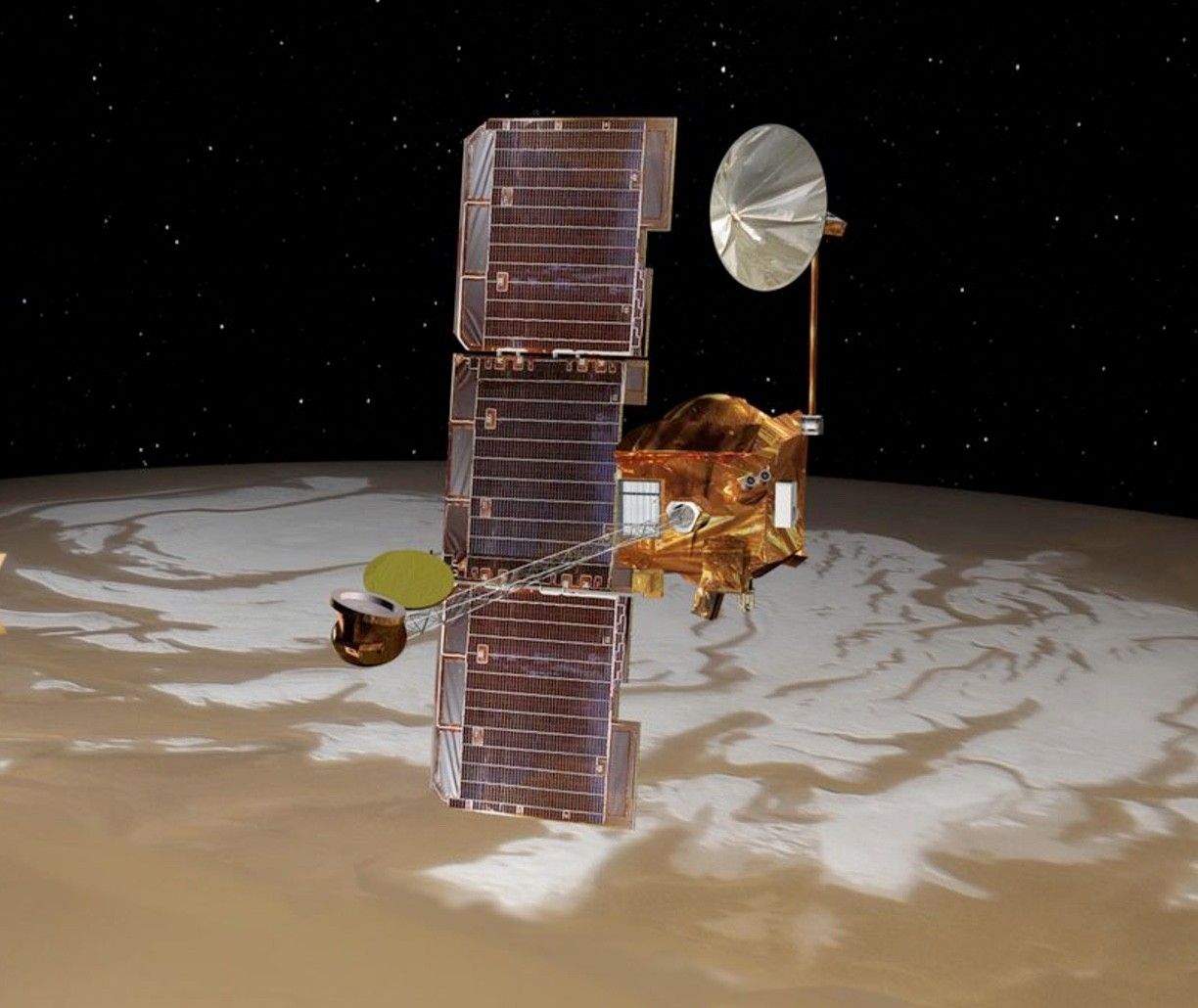
2001 Mars Odyssey
NASA's longest-lasting spacecraft at Mars is making the first global map of the amount and distribution of chemical elements and minerals that make up the Martian surface. (2001-present)
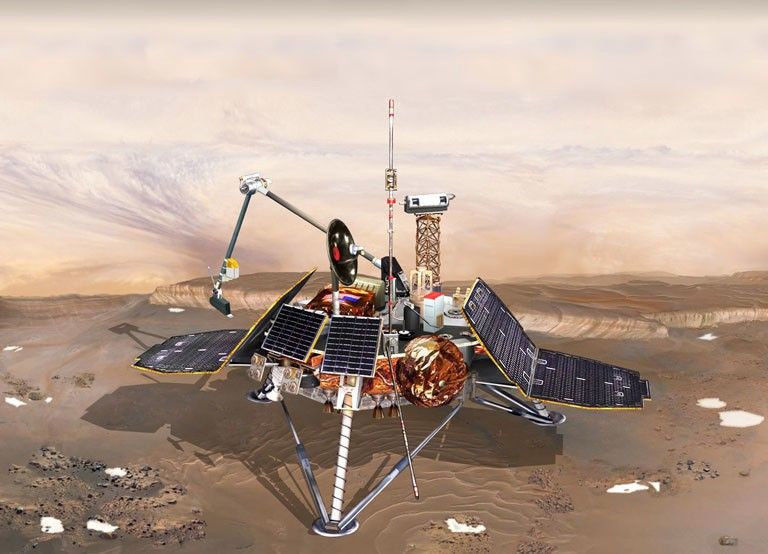
Mars Polar Lander/Deep Space 2
Mars Polar Lander's mission was to dig for water ice near the edge of the south polar cap and deploy two small surface probes, but all spacecraft were lost on arrival. (1999)
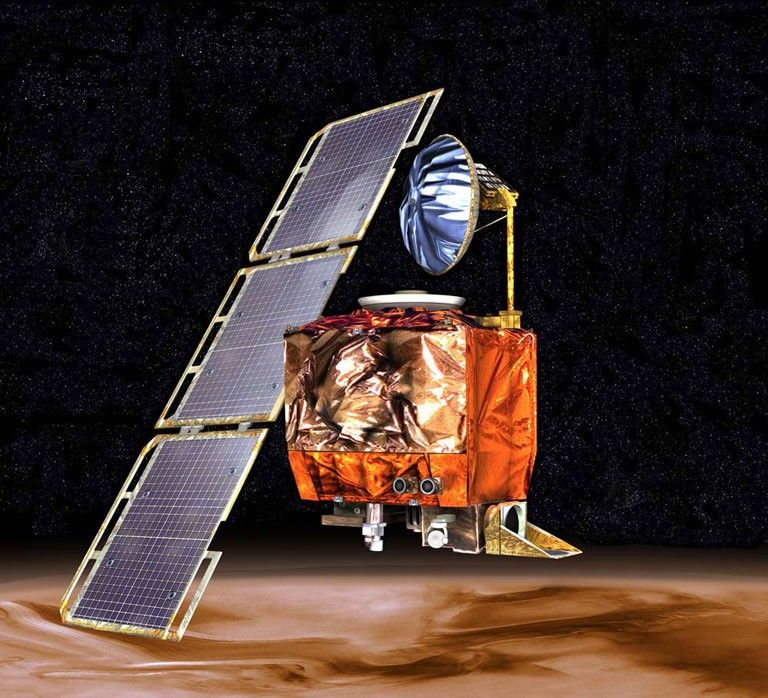
Mars Climate Orbiter
Designed to function as an interplanetary weather satellite and a communications relay for Mars Polar Lander, Mars Climate Orbiter was lost on arrival after entering the atmosphere too low. (1999-1999)
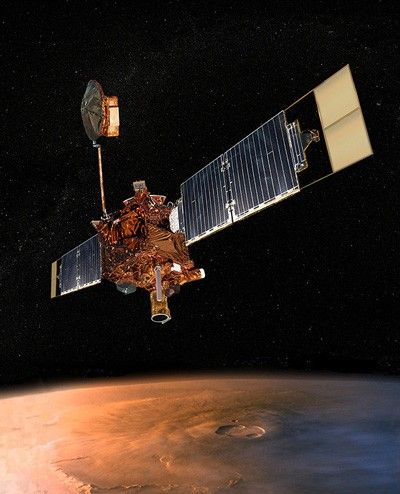
Mars Global Surveyor
Mars Global Surveyor studied the entire Martian surface, atmosphere, and interior, discovering repeatable weather patterns, gully formation, new boulder tracks, and recent impact craters. (1996-2006)
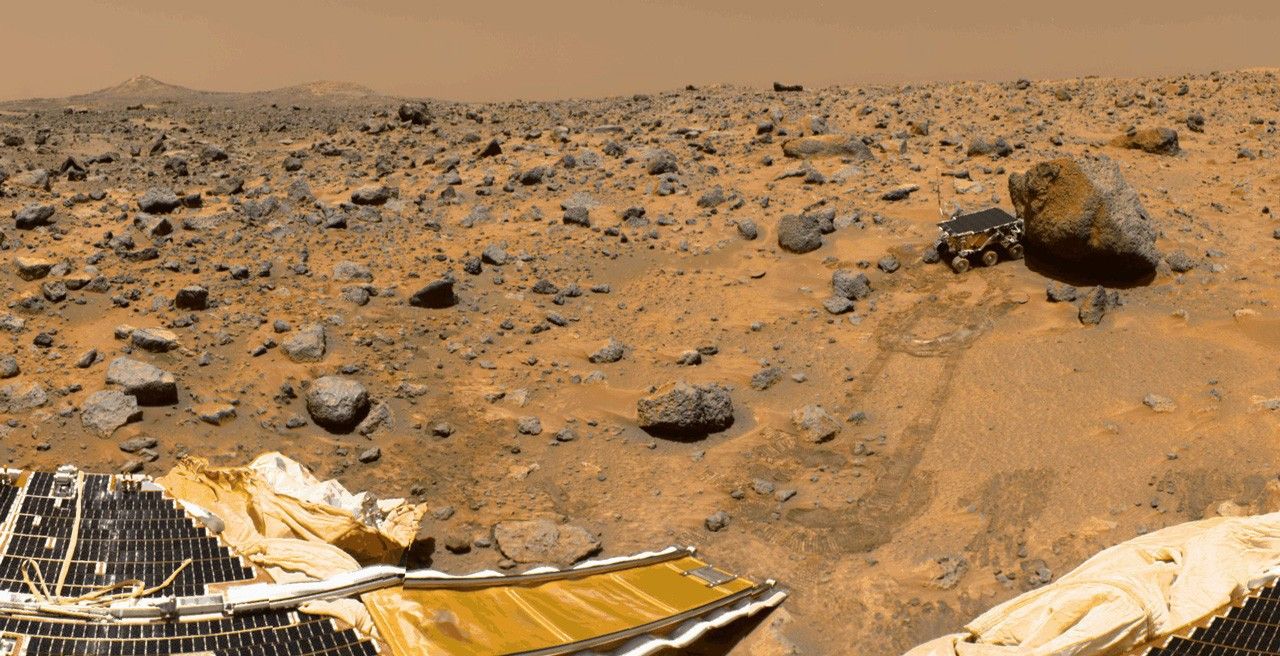
Mars Pathfinder
Mars Pathfinder demonstrated a new way to deliver an instrumented lander, and the first robotic rover, to the planet's surface, from which it returned data long past its primary design life. (1996-1997)
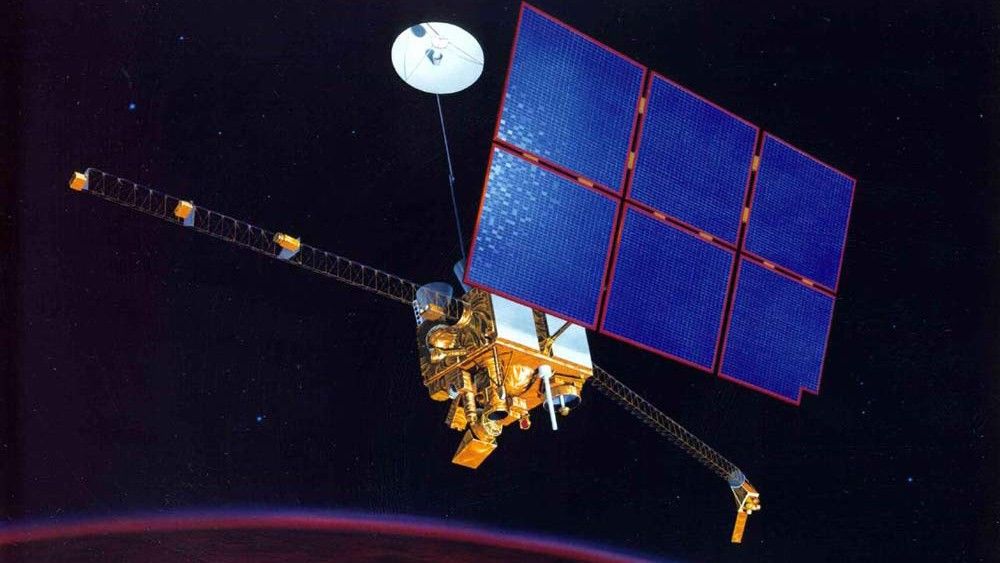
Mars Observer
Mars Observer was designed to study the geology, geophysics, and climate of Mars, but contact with the spacecraft was lost shortly before it was set to enter orbit around the planet. (1992-1993)
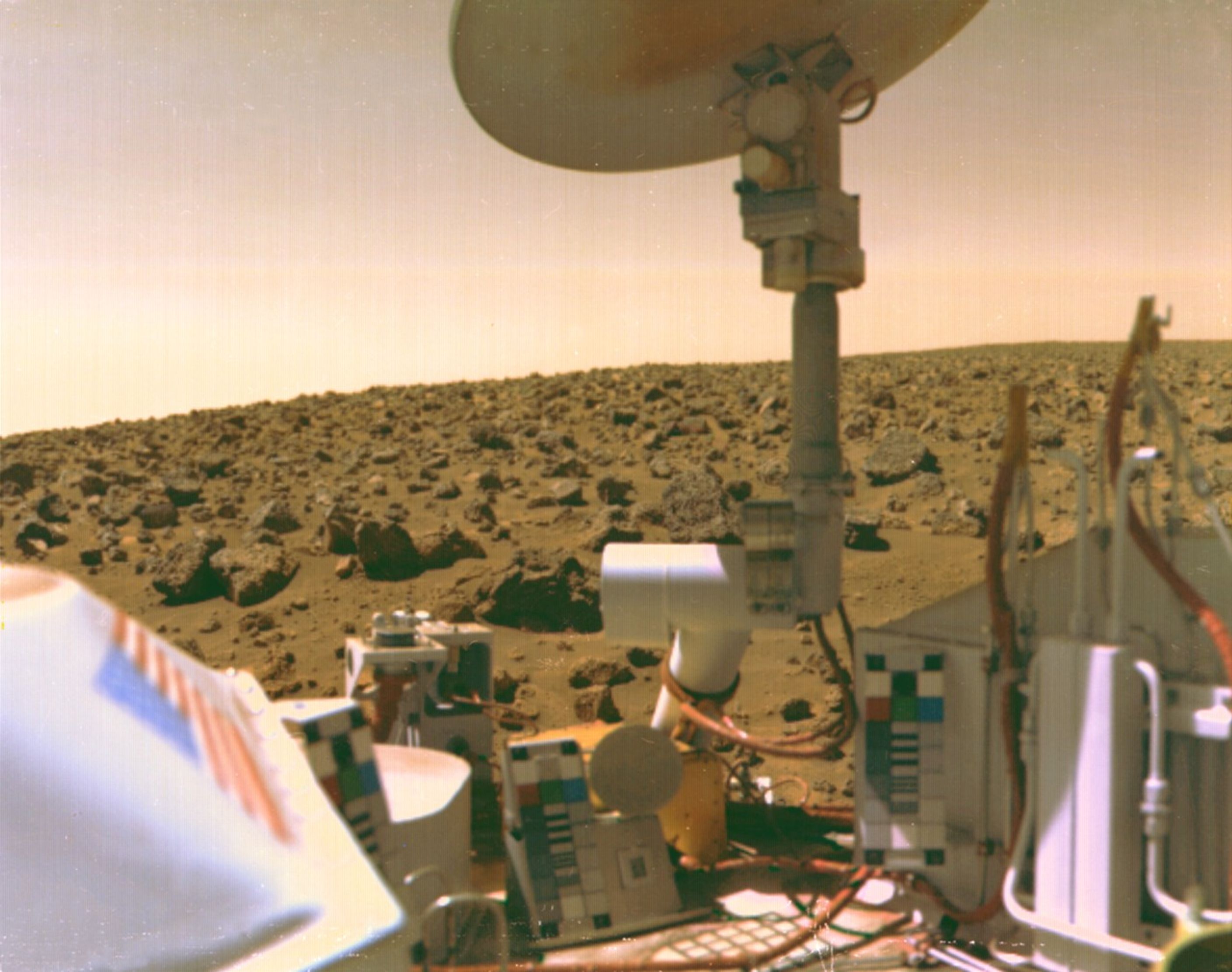
Vikings 1 & 2
The first U.S. mission to land a spacecraft safely on Mars and return images of the surface, Viking 1 was part of a pair of probes seeking signs of life on Mars. (1975-1982 )
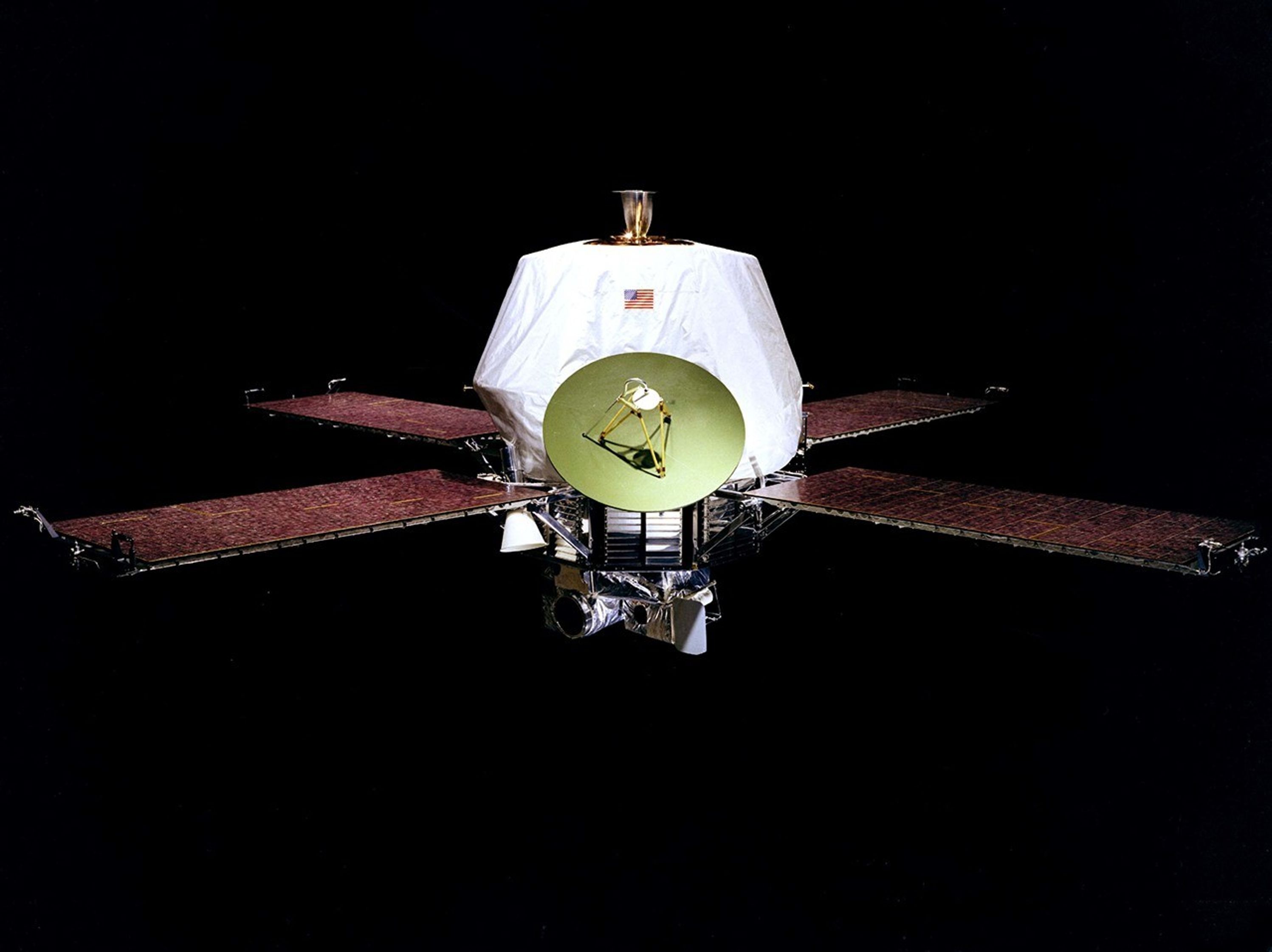
Mars Mariner Missions
NASA's Mariner 4 was the first spacecraft to capture images of Mars when it flew by in 1965; Mariner 6 and 7 followed. Then in 1971 Mariner 9 was the first spacecraft to orbit another planet, mapping 85% of the Martian surface. (1965-1972)