

















Meteors & Meteorites
Meteor Showers
Meteor showers occur annually or at regular intervals as Earth passes through the trail of dusty debris left by a comet and, in a few cases, asteroids.
Introduction
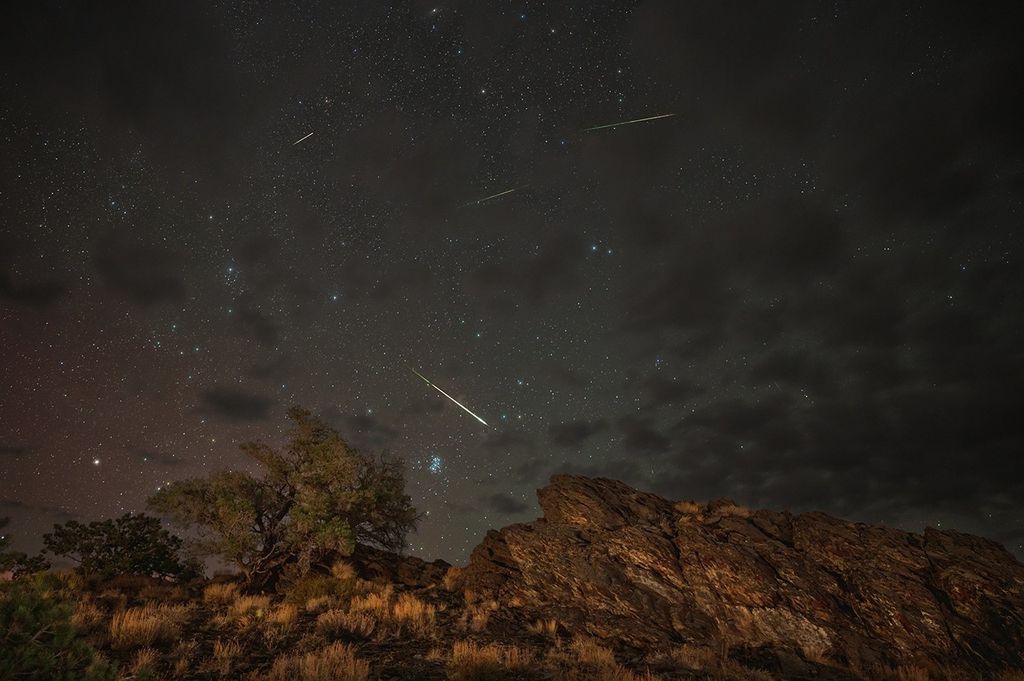
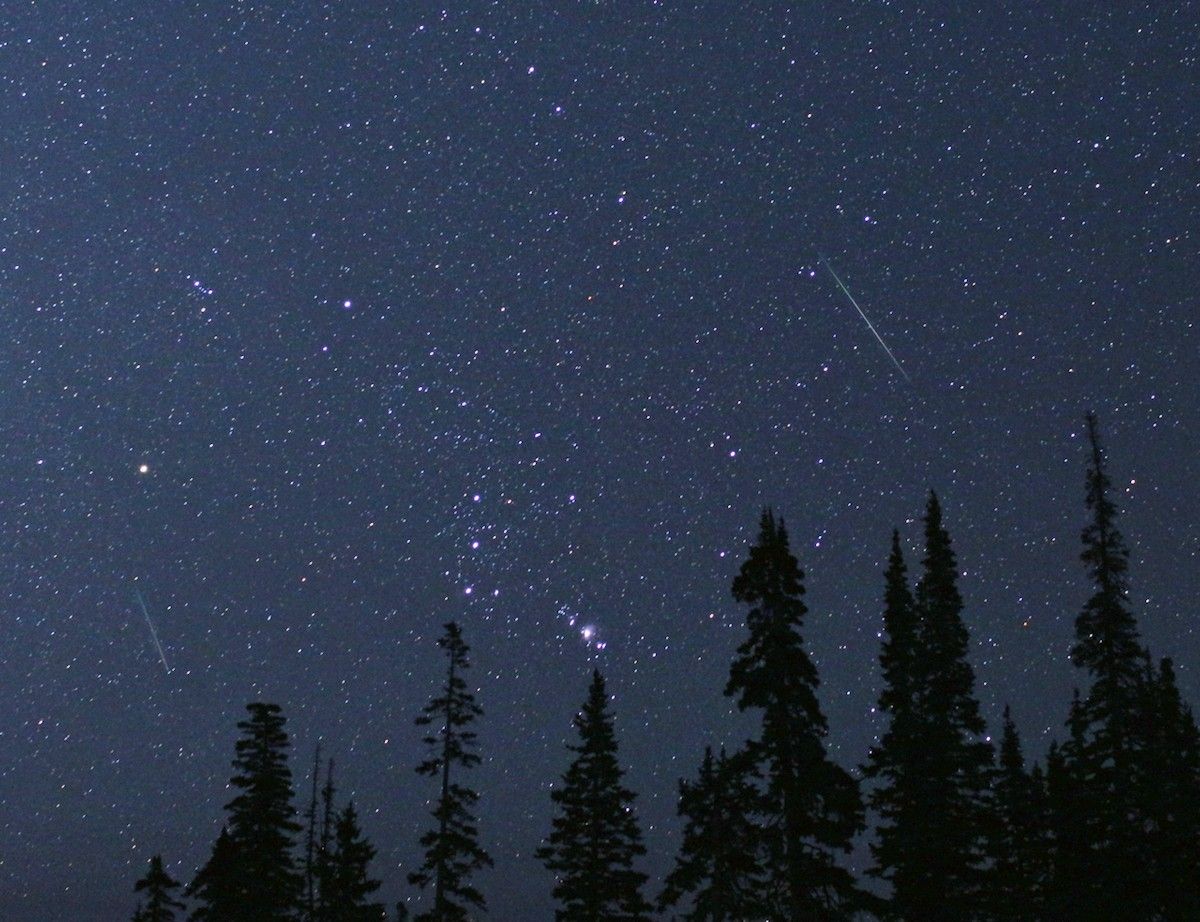
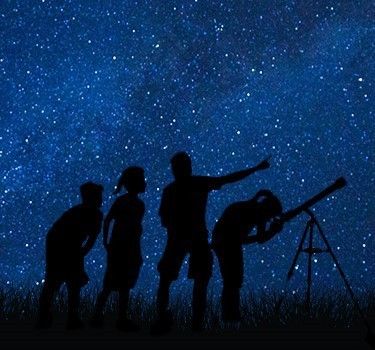
Several meteors per hour can usually be seen on any clear night. When there are lots more meteors, you’re watching a meteor shower. Some meteor showers occur annually or at regular intervals as Earth passes through the trail of dusty debris left by a comet and, in a few cases, asteroids.
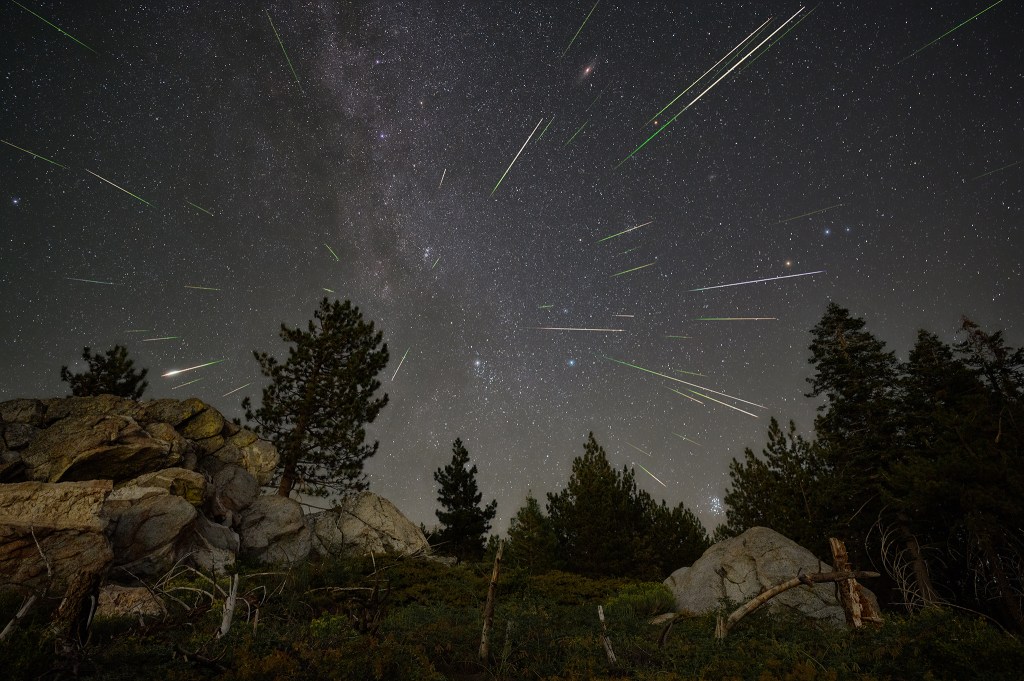
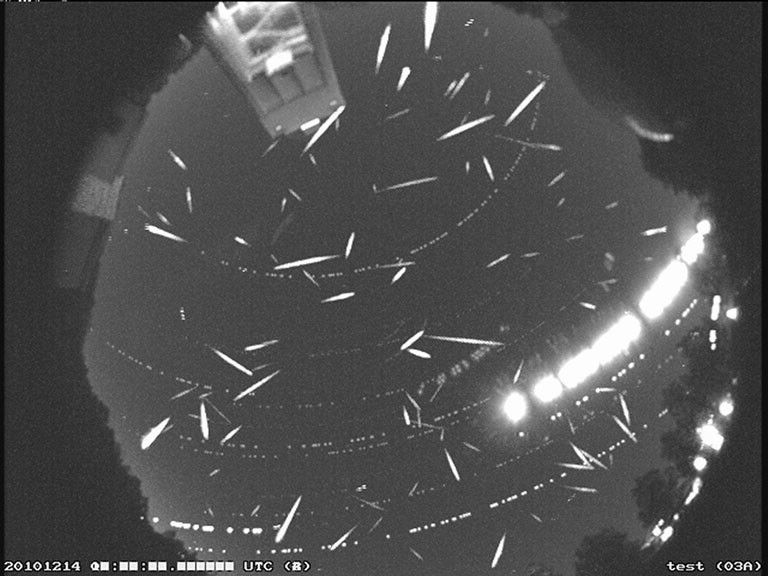
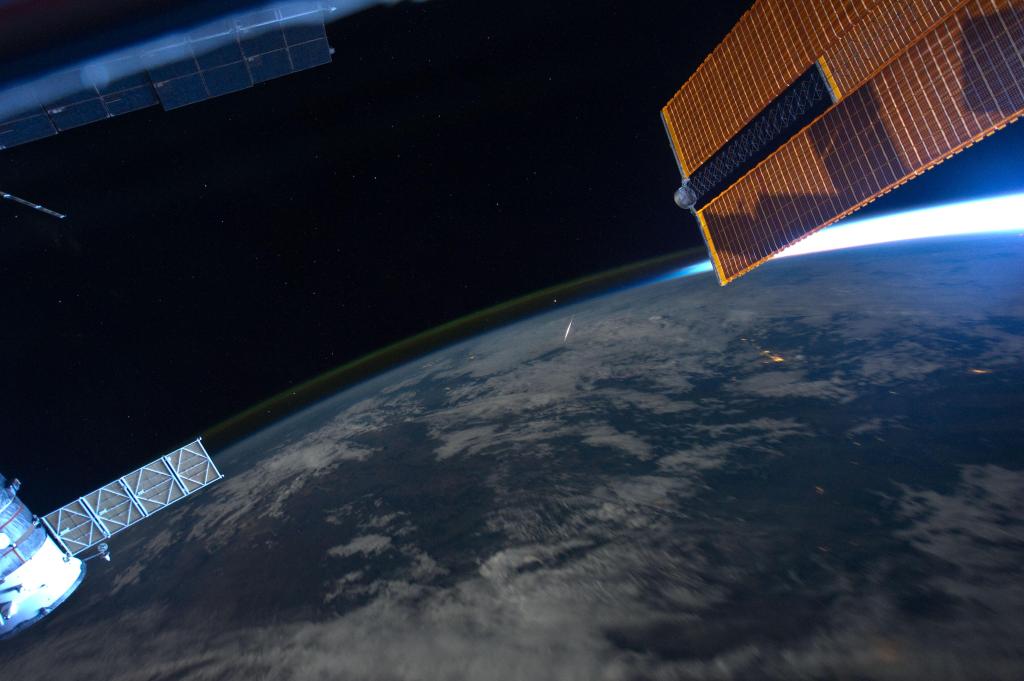
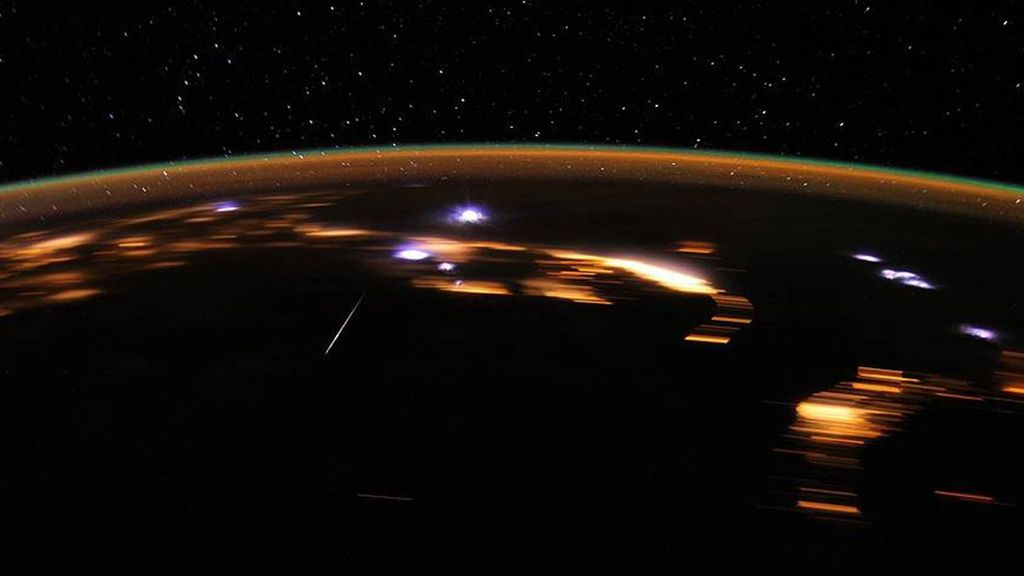
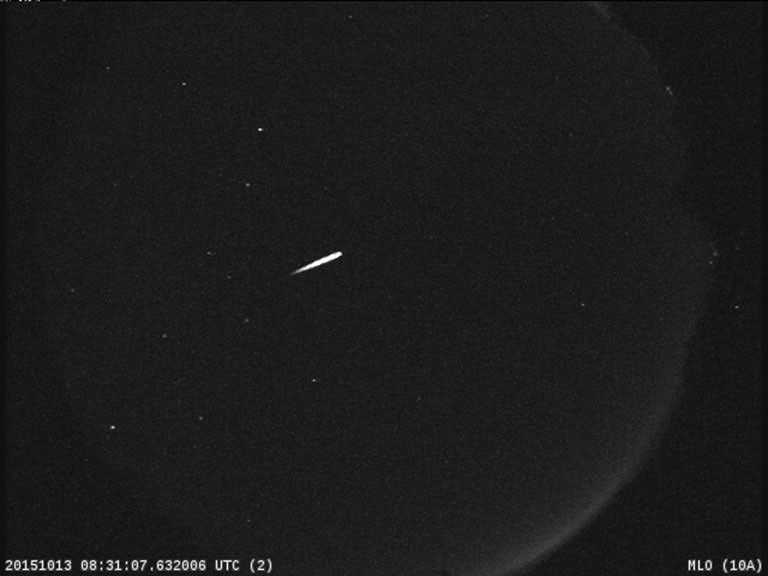
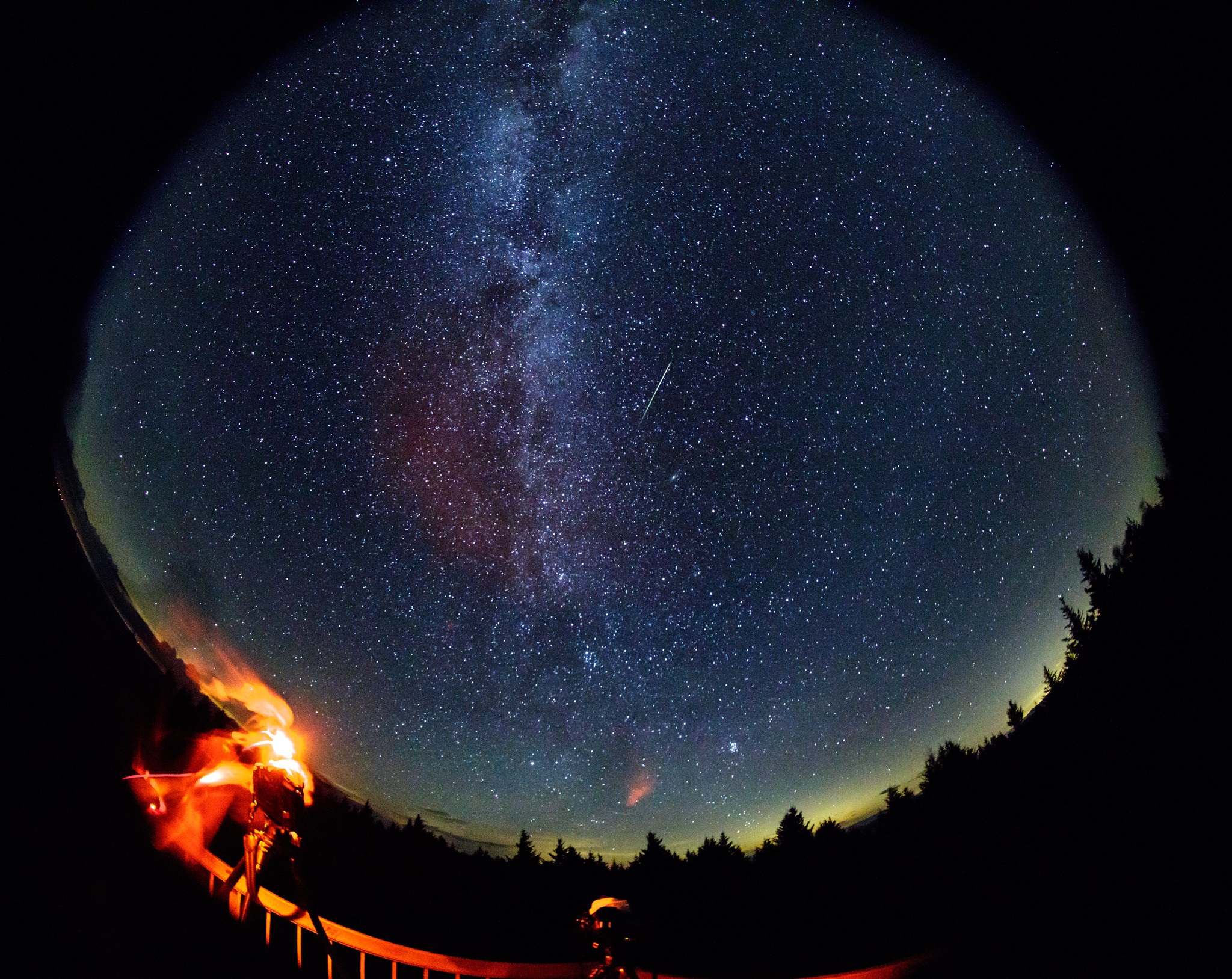
Meteor showers are usually named after a star or constellation that is close to where the meteors appear to originate in the sky. Perhaps the most famous meteor shower is the Perseids, which peaks around mid-August every year. Each Perseid meteor is a tiny piece of comet Swift-Tuttle, which swings by the Sun every 135 years.
Other notable meteor showers include the Leonids, associated with comet Tempel-Tuttle; the Aquariids and Orionids, linked to comet Halley, and the Taurids, associated with comet Encke.
Most of this comet debris is between the size of a grain of sand and a pea. It burns up in the atmosphere before reaching the ground. Sometimes, meteor dust is captured by high-altitude aircraft and analyzed in NASA laboratories.
Featured Meteor Showers
Learn more about the most popular meteor showers. Source: American Meteor Society