



















Planetary Analogs: News & Features
Similar environments on different worlds are called planetary analogs.
Browse stories about how Earth helps us understand our whole solar system and prepares us to explore:
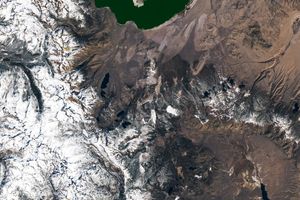
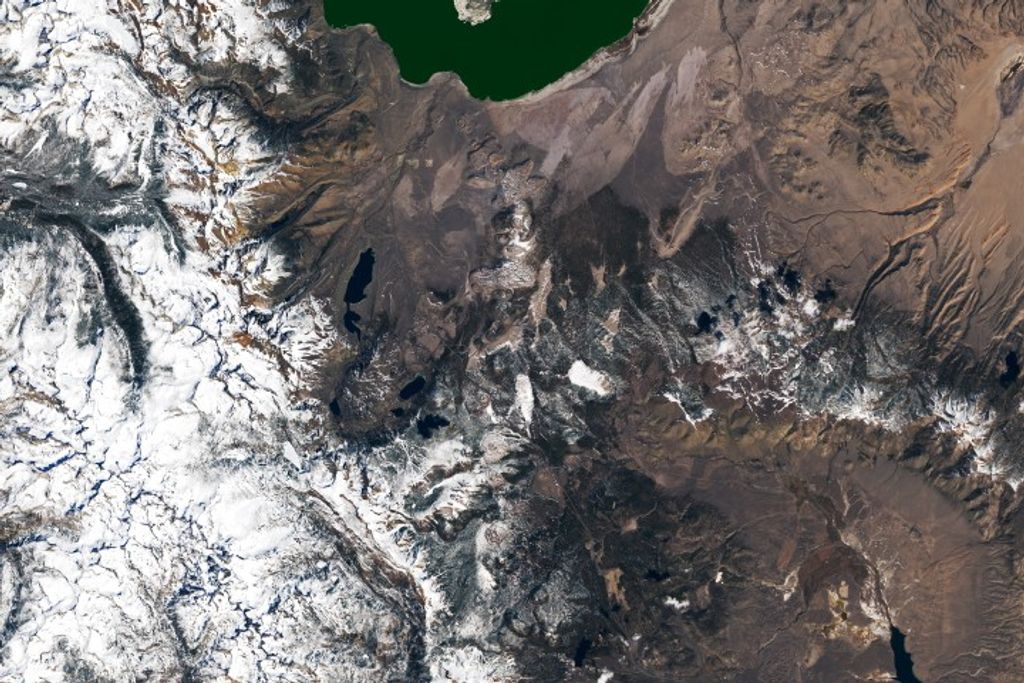
A massive, old caldera and more recently formed craters shape the landscape in the eastern Sierra Nevada.

Lake Unter-See in Antarctica, sealed beneath thick ice, has unusual water chemistry and cone-shaped microbial structures resembling some of Earth’s oldest fossils.
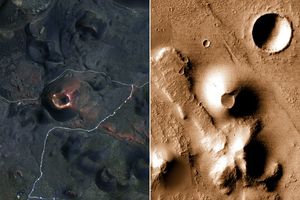
The hill-shaped features are a sign of explosive volcanic activity—a rarity on the Red Planet.

These scientists welcomed the new year from a ship at the tip of the Antarctic Peninsula. Their goal? Collect water samples comparable to oceans beyond Earth.
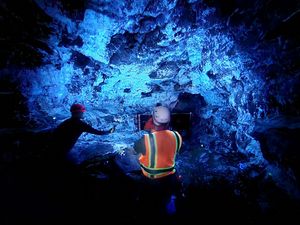
In September 2022, researchers from the NASA Goddard Instrument Field Team (GIFT) were guests on the Island of Hawaii, studying volcanoes and caves.
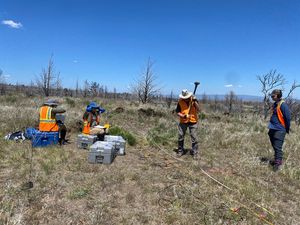
With several hundred blows of a 10-pound (4.5-kilogram) sledgehammer, researchers tested a method to find subsurface caves that could serve as safe underground habitats and research facilities on the Moon and Mars. The team, which includes NASA scientists, conducted their…
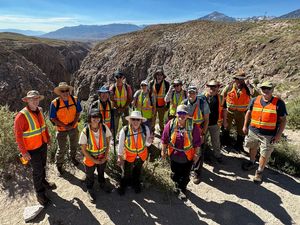
In September 2023, the Goddard Instrument Field Team was east of the Sierra Nevada mountain range, studying the remains of an ancient supervolcano.
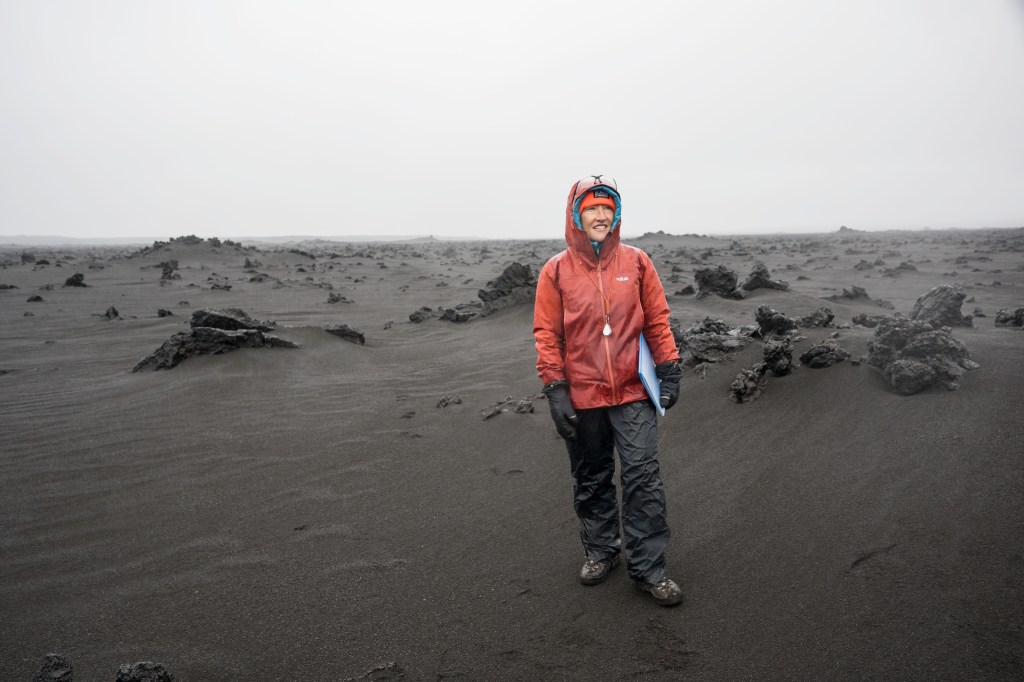
At first glance, it seems like a scene from an excursion on the Moon’s surface…except the people are in hiking gear, not spacesuits.