

















SPHEREx & PUNCH Prepare For Launch on February 28th
24 February 2025
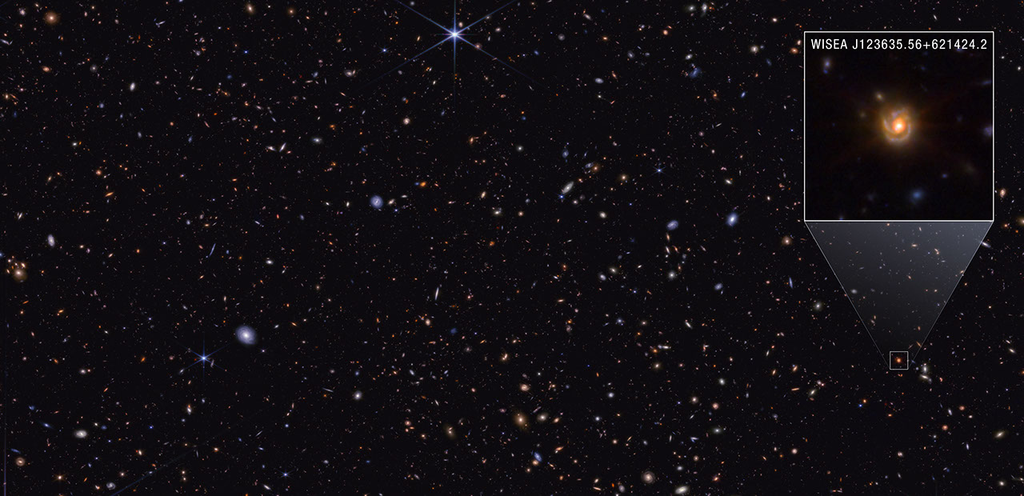
The Spectro-Photometer for the History of the Universe, Epoch of Reionization and Ices Explorer (SPHEREx) mission will provide an all-sky spectral survey. Over a two-year planned mission, the SPHEREx Observatory will collect data on more than 450 million galaxies along with more than 100 million stars in the Milky Way in order to explore the origins of the universe.
NASA and SpaceX now are targeting no earlier than 10:09 p.m. EST (7:09 p.m. PST) on Friday, Feb. 28, for the launch of the agency’s SPHEREx and PUNCH missions. The new date will allow additional time to ensure the vehicle’s readiness ahead of liftoff. SPHEREx and PUNCH will launch on a SpaceX Falcon 9 rocket from Space Launch Complex 4 East (SLC-4E) at Vandenberg Space Force Base in California.
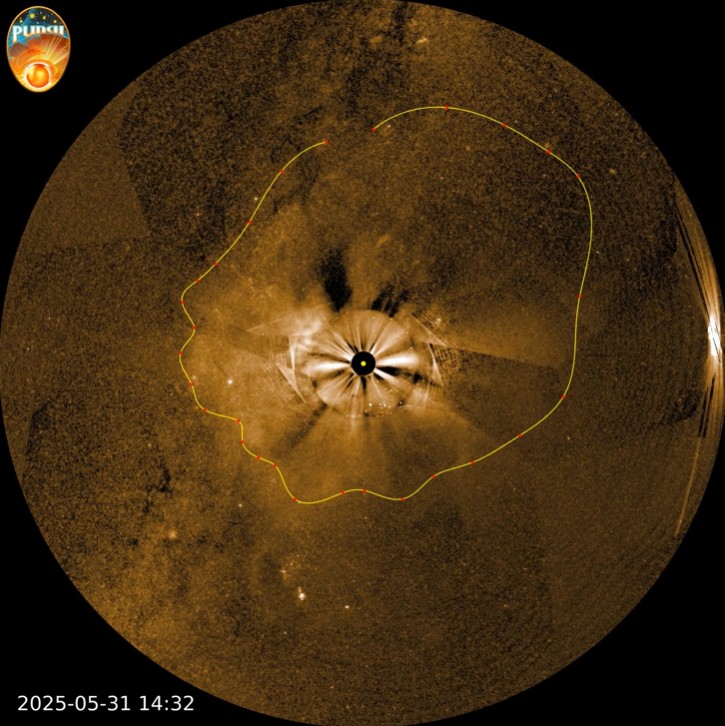
The SPHEREx mission (Spectro-Photometer for the History of the Universe, Epoch of Reionization and Ices Explorer) will improve our understanding of what happened in the first second after the big bang and search for key ingredients for life in our galaxy. The PUNCH mission (Polarimeter to Unify the Corona and Heliosphere) will observe the Sun’s corona as it transitions into the solar wind.
The prelaunch news briefing now will be held at 3:30 p.m. EST Thursday, Feb. 27, with coverage streaming live on NASA+. Media may ask questions in person and via phone. Limited auditorium space will be available for in-person participation. For the dial-in number and passcode, media should contact the Kennedy newsroom no later than one hour before the start of the event at ksc-newsroom@mail.nasa.gov.
The SPHEREx and PUNCH live launch broadcast will begin at 9:15 p.m. EST, Friday, Feb. 28, and stream live on NASA+.
NASA, SpaceX Move Launch of Space Telescope, Sun Missions.
Visit the NASA website for more information about SPHEREx and PUNCH.
News Straight to Your Inbox
Subscribe to your community email news list
We will never share your email address.
