









News & Events
Filters

Finetuning and Reinforcement Learning. Speaker: Moritz Münchmeyer, University of Wisconsin, Madison
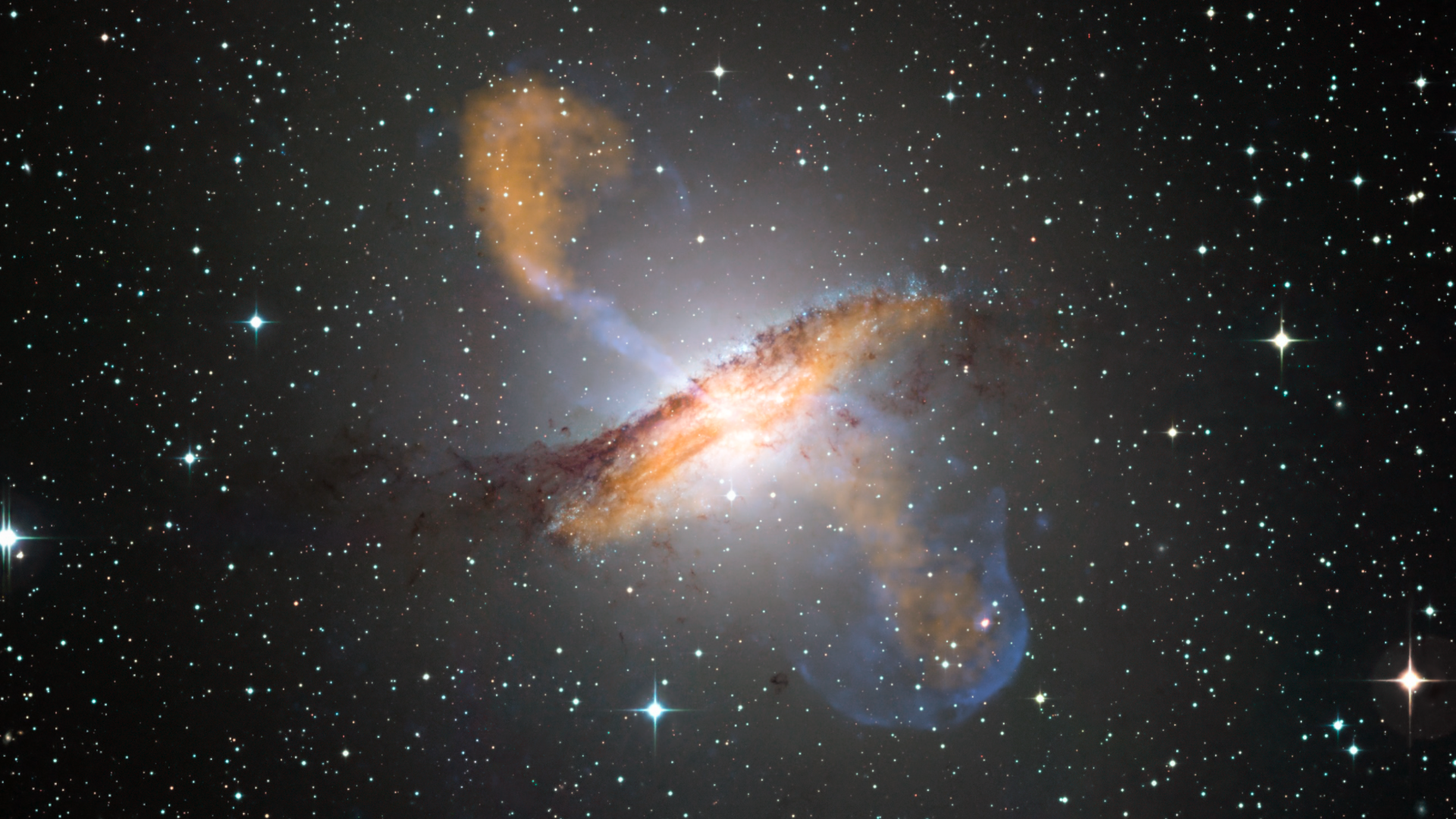
AGN Science with the Roman EXtreme Deep Field (RXDF) and Other Large Surveys in the Roman Era. Speaker: Dr. Anton Koekemoer (STScI)
Cosmic Origins Second Early Career Workshop. 20-22 October 2026
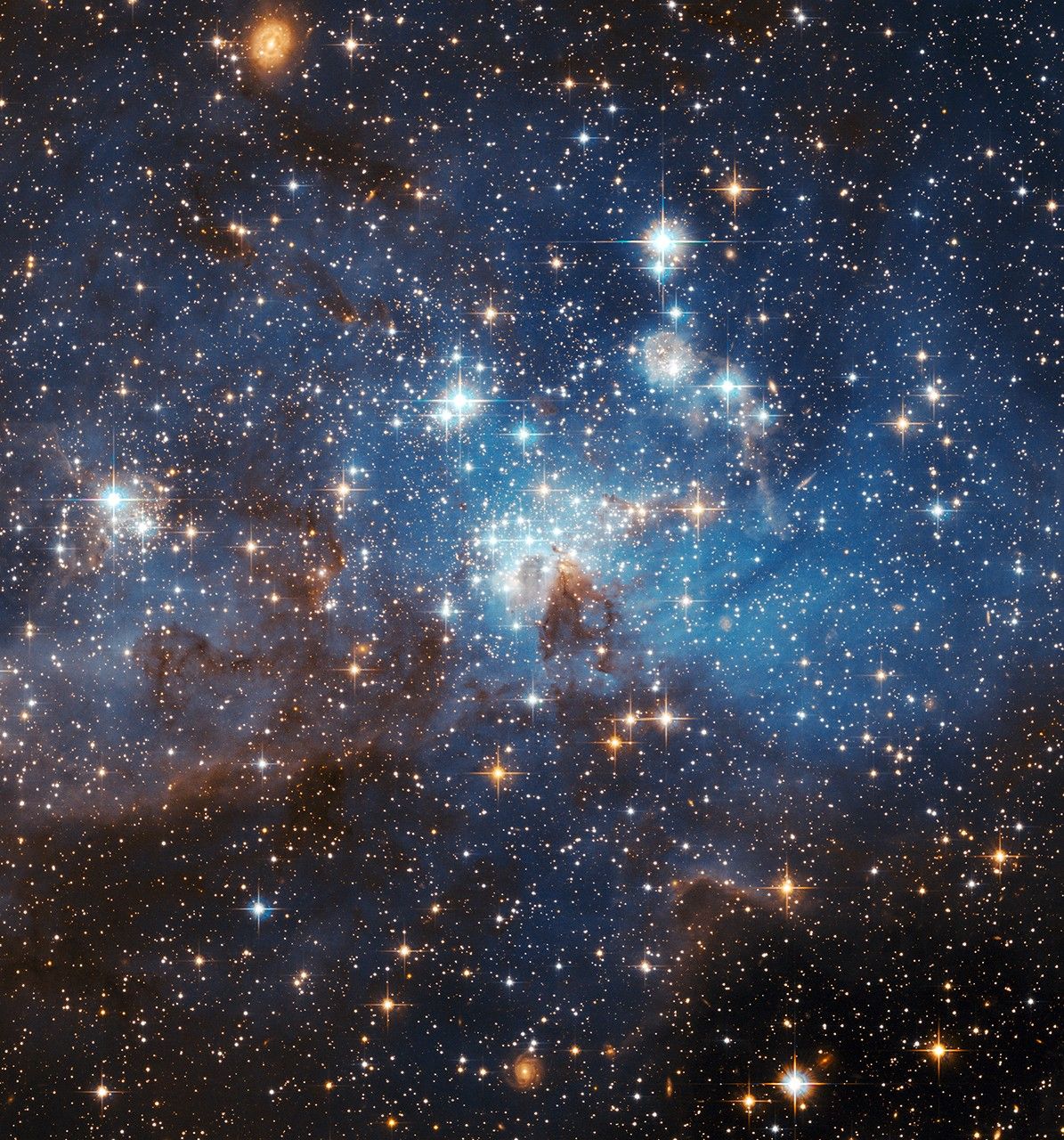
Pioneering Emission Mapping of the CGM with Aspera: The Path to Launch. Speaker: Dr. Carlos J. Vargas, University of Arizona & Steward Observatory

The UltraViolet EXplorer (UVEX). Speakers: Dan Weisz (UCB) and Suvi Gezari (UMD)
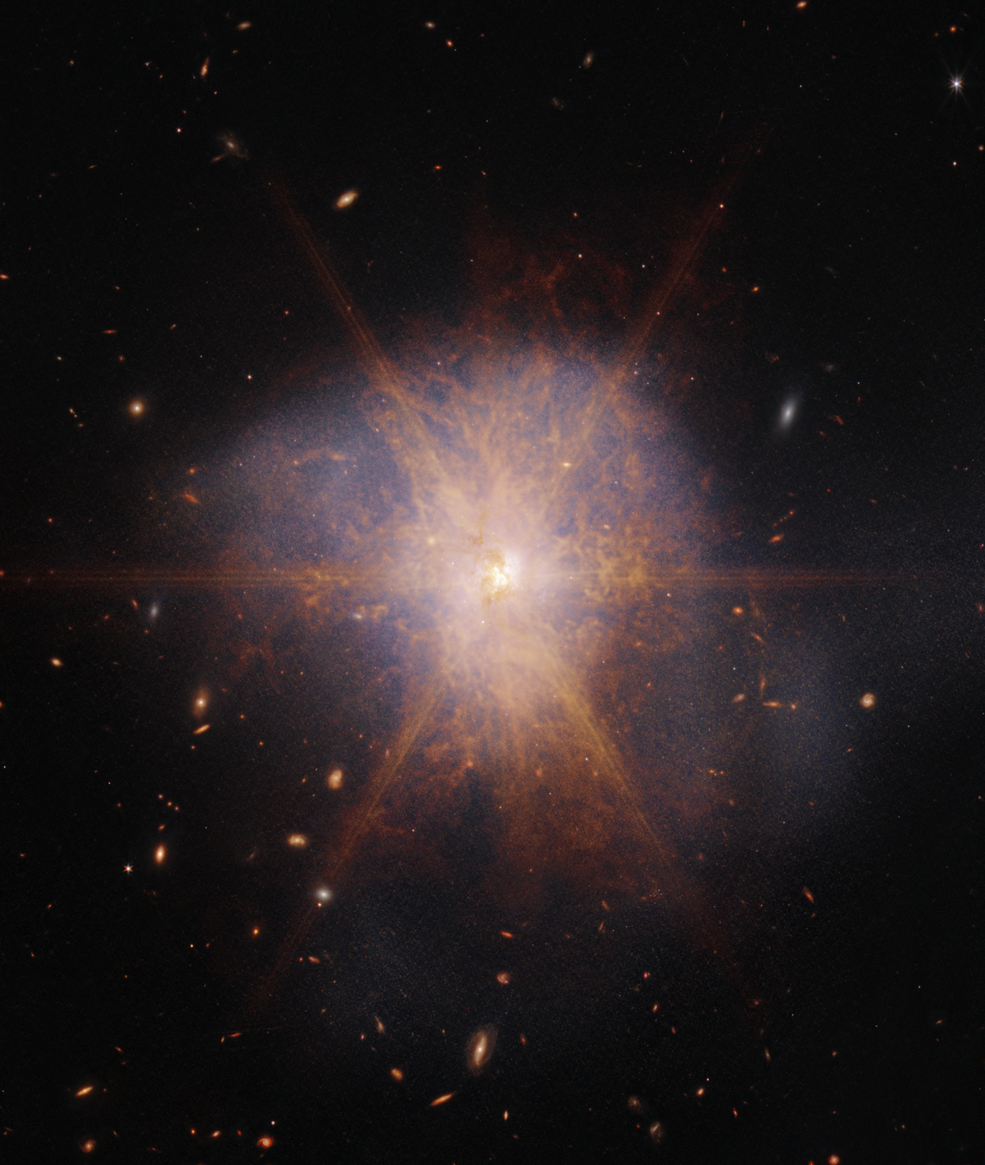
The Dark Energy Spectroscopic Instrument. Speaker: Kelly Douglass, University of Rochester
REGISTRATION OPEN & ABSTRACT SUBMISSION Deadline October 10th: 2026 Cosmic Origins Early-Career Workshop
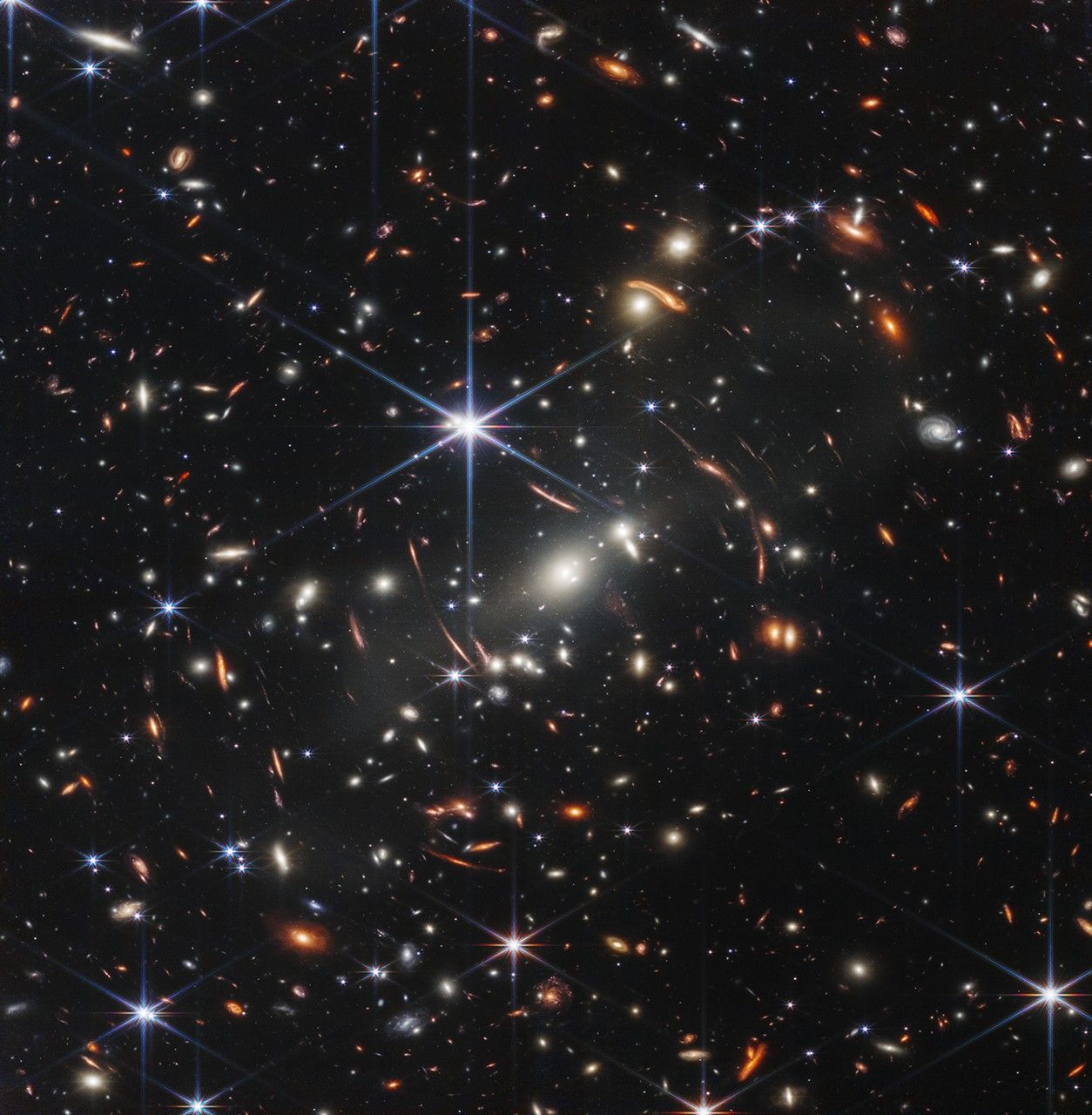
A Galaxy Doesn’t Forget: Why You Should Trust Your Resolved SFHs from Photometric Observations. Speaker: Charlotte Olsen (CUNY City Tech)
A Galaxy Doesn’t Forget: Why You Should Trust Your Resolved SFHs from Photometric Observations. Speaker: Charlotte Olsen | CUNY City Tech
Transformers, Attention, and Pre-Training. Speaker: Josh Nguyen, University of Pennsylvania
AGN Coffee is designed to be a monthly, low-pressure, informal environment where early-career astronomers can discuss recent AGN papers, research ideas, and broader developments in the field.
Hands-On Session II: Agentic Coding and Research Tools. Speaker: Serat Saad, The Ohio State University
Time Domain in the Thermal Infrared: NEOWISE, NEO Surveyor, and the Hunt for Hazardous Asteroids. Speaker: Joseph Masiero (California Institute of Technology / IPAC) Exploring the Synergies Between PRIMA and JWST: A Study of PAHs Across Cosmic Time. Speaker. Leonor…
How the Faint Radio Sky is Changing Our Understanding of Star Formation and Galactic Outflows. Speaker: Allison Matthews
Post-Ad ASTRA Community Science Workshop Update. 12:00pm - 1:00pm ET
Please join us for a post- Ad ASTRA Community Science workshop update hosted by the COPAG leadership September 22nd 12:00pm ET.
Unveiling the Role of Multi-Phase AGN Outflows with MIRACLE. Speaker: Dr. Matteo Ceci (Università di Firenze) and Disk Reflection as the Origin of the X-ray Polarization of NGC 4151 with IXPE. Speaker: Dr. Elias Kammoun (California Institute of Technology)
Hands-On Session I: Agentic Coding and Research Tools. Speaker: Christopher Stubbs, Harvard University
NASA’s Cosmic Origins Program is excited to invite you to the second Early Career Workshop, designed to support and empower the next generation of astrophysics leaders and PIs.
The National Academies Committee on Astronomy and Astrophysics (CAA) will be holding its fall meeting virtually, on 22-24 September 2026.
NSF Astronomy and Astrophysics Advisory Committee (AAAC) Meeting.
NASA’s Cosmic Origins Program is excited to invite you to the second Early Career Workshop. 20-22 Oct 2026
The call for NASA Infrared Telescope Facility observing proposals for semester 2027A (February 1 to July 31, 2027) opened on September 1. The proposal Deadline is Thursday, October 1, 2026.
News Straight to Your Inbox
Subscribe to your community email news list
We will never share your email address.

Submit an Announcement
Submit your Cosmic Origins news or announcement to be featured in the COR News email.
Learn More about Submit an Announcement