























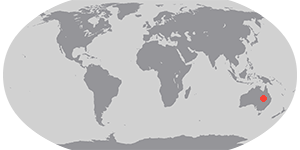


One of the wettest wet seasons in northern Australia transformed large areas of the country’s desert landscape over the course of many months in 2023. A string of major rainfall events that dropped 690 millimeters (27 inches) between October 2022 and April 2023 made it the sixth-wettest season on record since 1900–1901.
This series of false-color images illustrates the rainfall’s months-long effects downstream in the Lake Eyre Basin. Water appears in shades of blue, vegetation is green, and bare land is brown. The images were acquired by the Moderate Resolution Imaging Spectroradiometer (MODIS) on NASA’s Terra satellite between January and July 2023.
In the January 22 image (left), water was coursing through seasonally dry channels of the Georgina River and Eyre Creek following weeks of heavy rains in northern Queensland. By April 21 (middle), floodwaters had reached further downstream after another intense period of precipitation in March. This scene shows that water had filled in some of the north-northwest trending ridges that are part of a vast fossil landscape of wind-formed dunes, while vegetation had emerged in wet soil upstream. Then by July 26 (right), the riverbed had filled with even more vegetation.
The Georgina River and Eyre Creek drain approximately 210,000 square kilometers (81,000 square miles), nearly the area of the United Kingdom. Visible in the lower part of the images, the lake gets refreshed about every three years; when it reaches especially high levels, it may take 18 months to 2 years to dry up. Two smaller neighboring lakes flood seasonally. These three lakes and surrounding floodplains support hundreds of thousands of waterbirds and are designated as an Important Bird Area.
Seasonal flooding is a regular occurrence in these desert river systems. However, the events of the 2022-2023 rainy season stood out in several ways. They occurred while La Niña conditions were in place over the tropical Pacific Ocean. (The wettest seasons in northern Australia have all occurred during La Niña years, according to Australia’s Bureau of Meteorology.) In addition, major rains occurring in succession, as was the case with the January and March events, have the overall effect of prolonging floods. That’s because vegetation that grows after the first event slows down the pulse of water that comes through in the next rain event.
The high water has affected both local communities and ecosystems. Floods have inundated cattle farms and isolated towns on temporary islands. At the same time, they are a natural feature of the “boom-and-bust” ecology of Channel Country, providing habitat and nutrients that support biodiversity.
References & Resources
- Australian Broadcasting Corporation (2023, July 15) Outback floodwaters bring new life to far west Queensland’s Channel Country. Accessed August 4, 2023.
- Australian Government Bureau of Meteorology (2023, June 6) Australia’s 2022–23 northern wet season. Accessed August 4, 2023.
- BirdLife International Data Zone. Accessed August 4, 2023.
- Future Beef (2017, April 19) Georgina River Catchment Flood Rules of Thumb. Accessed August 4, 2023.
- Mancini, H. (2017) Summary of technical findings: Improving habitat condition and connectivity in South Australia’s channel country - the Diamantina and Warburton river system in South Australia (pdf). Report by Natural Resources SA Arid Lands DEWNR, to the South Australian Arid Lands Natural Resources Management Board, Pt Augusta.
- NASA Earth Observatory (2023, March 11) Floods Swamp Australia’s Northern Territory. Accessed August 4, 2023.
- NASA Earth Observatory (2023, January 24) Floodwater Reaches Australia’s Channel Country. Accessed August 4, 2023.
NASA Earth Observatory image by Wanmei Liang, using MODIS data from NASA EOSDIS LANCE and GIBS/Worldview . Story by Lindsey Doermann .