
















With its unique space-based precipitation radar, the TRMM satellite can peer through the clouds to see the inner workings of storms. This image shows rainfall patterns in Typhoon Neoguri, the first typhoon of the 2008 season in the western Pacific Ocean, on April 17, 2008. The rain was most intense north of the storm’s eye, as indicated by bands of dark red. Green and blue bands show where lighter rain encircles the eye. Rainfall rates in the inner swath are from TRMM’s Precipitation Radar, while the TRMM Microwave Imager captured the data in the outer swath. Rainfall rates are overlaid on cloud observations from the TRMM Visible and Infrared Scanner.
A few hours after the data used to make this image were acquired, Neoguri had winds estimated at 160 kilometers per hour (98 miles per hour or 85 knots) with gusts to 195 km/hr (120 mph or 105 knots). The storm was forecast to weaken as it moved over the South China Sea to eastern Hainan and mainland China. The Joint Typhoon Warning Center predicted that the storm would come ashore over southern China on April 19.
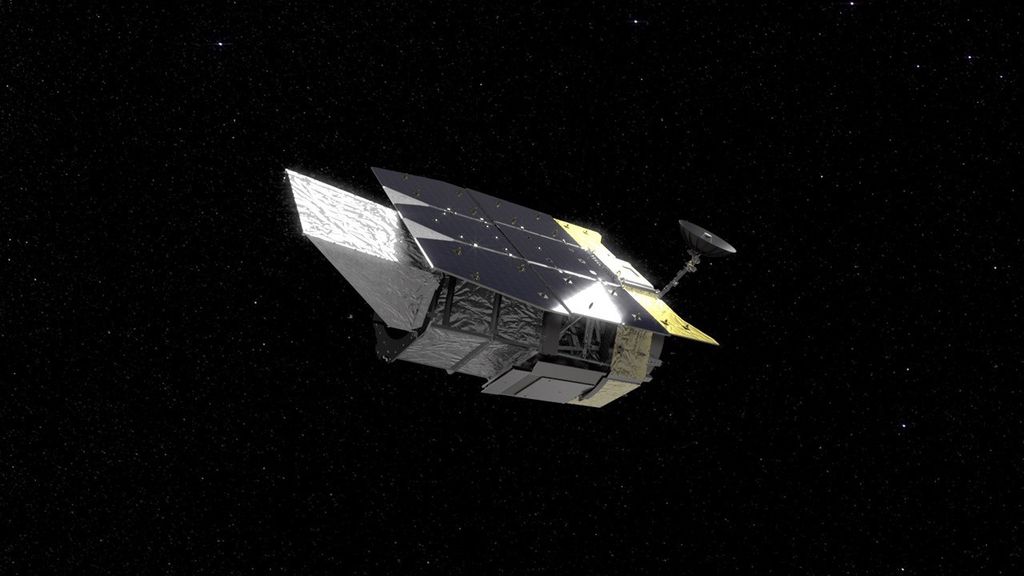
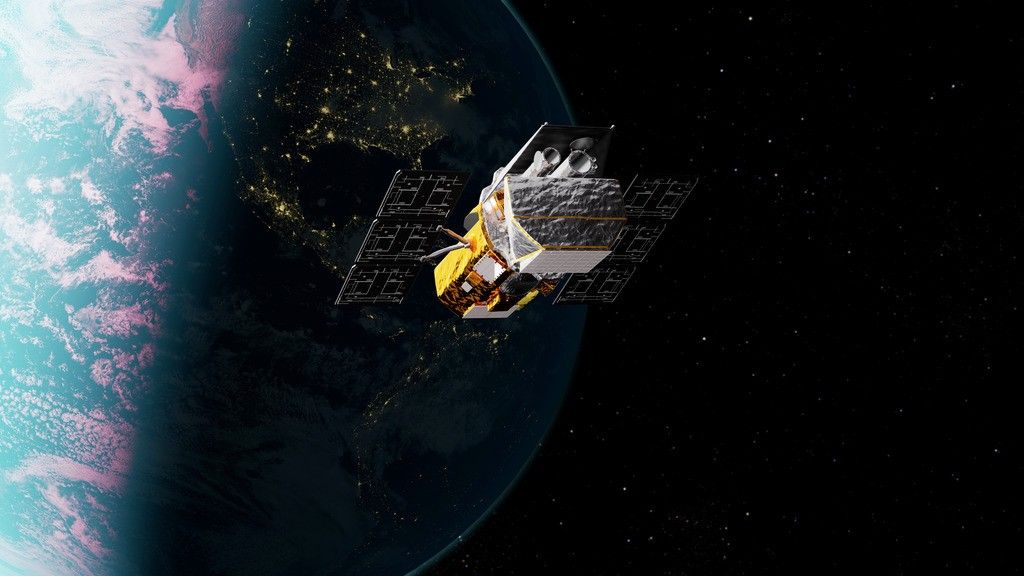
TRMM is a joint mission between NASA and the Japanese space agency, JAXA.
References & Resources
Image by Hal Pierce (SSAI/NASA GSFC). Caption by Holli Riebeek.