






















TODAY: Active Galactic Nuclei SIG Vision Series
20 October 2025
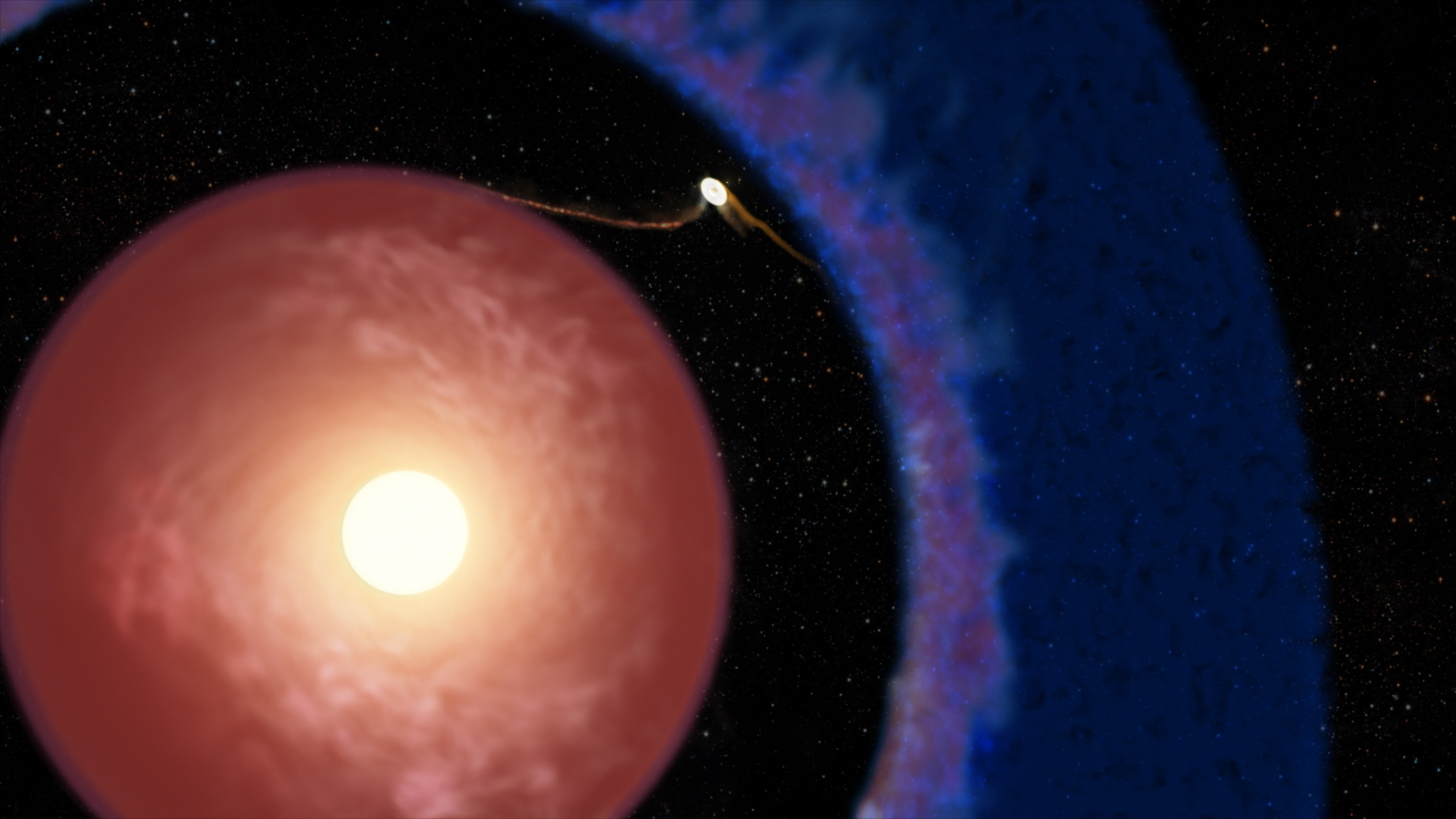
The Beguiling Mystery of the Little Red Dots
Speaker
Jenny Greene | Princeton
Abstract
One of the most surprising results from JWST has been the discovery of a large population of compact red sources at z>4, with very red rest-frame optical colors, blue UV slopes, and broad Balmer lines. The compact sizes and luminous broad lines strongly suggest these objects are powered by accreting supermassive black holes, but their lack of evidence for X-ray emission or hot dust in the mid-infrared calls that conclusion into question. Regardless, their high number densities (~5% of the galaxy population) makes them an important new contribution to the high-redshift galaxy zoo. I will discuss our ongoing efforts to understand the nature of this population, and what they may teach us about the growth of black holes and galaxies.
The AGN Vision Series consists of a 30-minute “vision” talk highlighting outstanding questions surrounding supermassive black holes, their origin, growth, and connection to galaxy evolution, followed by ample time for community discussion. The AGN Vision Series aims to engage the community and help steer the future directions of the field.
Seminar information can be found here: https://science.nasa.gov/astrophysics/programs/cosmic-origins/community/active-galactic-nuclei-sig-seminar-21-oct-2025/
Please join the AGN SIG email list: https://science.nasa.gov/astrophysics/programs/cosmic-origins/cosmic-origins-community-sign-up/
Recording and slides for past seminars will be made available on the AGN SIG page: https://science.nasa.gov/astrophysics/programs/cosmic-origins/community/agn-sig/.
News Straight to Your Inbox
Subscribe to your community email news list
We will never share your email address.
