




























One year, 900 locations, thousands of coral reefs. That's the tallyof NASA's Landsat 7 satellite as it continues to deliver cutting edgeimages and information about the Earth. Data being presented this weekat an international conference in Indonesia is the first assessment ofthe physical condition of major reefs from the the new Landsat 7collection of images. More than 5000 coral reef scenes have been amassedin the first year of Landsat 7's operation. In that collection, manyreefs have been seen more than once, offering scientists an opportunityto study seasonal variations as well as other changes in the reefscaused by hurricanes and climate change.
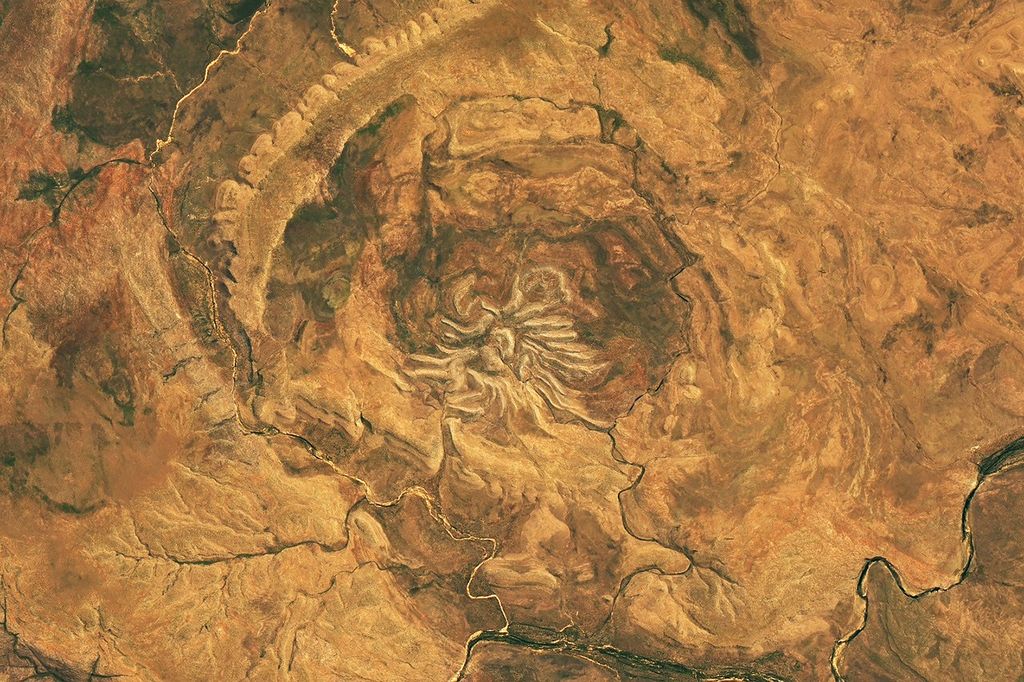
This image shows coral communities in the Florida Keys.
Coral is the ocean's architectural memorial to the lives of deceasedcoelenterates. The word "coelenterate" refers to the central body cavityfound in the creatures. Located in tropical latitudes, the hardstructures we know as coral are really the incremental build-ups ofcalcium carbonate deposited from the skeletal remains of these tinycolonial animals.
In many parts of the world coral is threatened from a variety ofcauses, some natural, some caused by people. By developing a global,searchable database of coral reefs based on state-of-the-art satellitedata, researchers could have a powerful new tool for studying this vitaland elegant part of the Earth's biosphere. This will help them not onlydevelop better strategies for conservation, but help them refine methodsfor understanding what processes drive change in the world's oceans.
Visit Landsat 7 Shows Global Trove of Coral Images for more information.
References & Resources
Image courtesy NASA GSFC Scientific Visualization Studio, based on data from Landsat 7.





