























NASA-DARES Task Force 2 Page 1
Robin Wordsworth, Ph.D
Robin Wordsworth is Gordon McKay Professor at Harvard University with a joint appointment in the Earth and Planetary Sciences Department and School of Engineering and Applied Sciences. He received his PhD at Oxford University in the UK and has previously worked as a postdoctoral researcher in Paris, France and the University of Chicago. He is a past NSF CAREER award recipient and featured on the 2022 Science News SN 10: Scientists to Watch list. Robin was a member of the 2022 NAS Planetary Decadal Survey and served on the NAS Committee on Astrobiology and Planetary Science (CAPS) from 2023 to 2024.
Robin’s research focuses on the physical and chemical evolution of terrestrial-type planets. Current interests include the past climates of Mars and Venus, the nature of the transition from sub-Neptune to rocky exoplanets, the coupling between CO2, climate and the biosphere on Earth over deep time, and the fundamental quantum nature of CO2 radiative forcing. Recently, his group has also worked on future space habitability and the intersection between astrobiology and human life support. Robin is originally from the Scottish Highlands and grew up close to the shores of Loch Ness.

Robin Wordsworth, Ph.D
Harvard University
Kathy Mandt, Ph.D.
Kathy Mandt is the Lab Chief/Branch Head for the Planetary Systems Laboratory at NASA Goddard Space Flight Center. She received her PhD in Environmental Science and Engineering from the University of Texas at San Antonio and has previously worked as a Senior Research Scientist at the Southwest Research Institute and as the Chief Scientist for Exoplanets at Johns Hopkins Applied Physics Laboratory. Kathy has served on several NAS panels, including the Astrobiology Panel for the National Academies study “A Science Strategy for the Human Exploration of Mars.” She has also been involved in the analysis of Rosetta mission mass spectrometer measurements and the NASA VIPER mission.
Kathy’s research focuses on the origin and evolution of volatile and organic materials throughout the solar system. Current interests include the composition of comet 67P/Churyumov-Gerasimenko, the volatile sources on the lunar surface, and the connection between composition measurements throughout the solar system and volatile origins in several planetary targets. Recently, she has also worked on the implications of comets as the source of water and other volatiles for terrestrial planets and the role of atmospheric exchange in false-positive biosignature detection.

Kathy Mandt, Ph.D.
NASA Goddard Space Flight Center
Focus Area 1: Protometabolism and Synthesis/Function of Macromolecules in Planetary Environments
Laura Marie “Laurie” Barge, Ph.D.
Dr. Laurie Barge is a Senior Research Scientist in Astrobiology at the NASA Jet Propulsion Laboratory. Barge co-leads the JPL Origins and Habitability Laboratory which studies how life can emerge and be detected in planetary environments. She is interested in hydrothermal vents as planetary analogs and investigates how prebiotic chemistry can emerge on rocky and ocean worlds. Her group’s research focuses on mineral catalyzed proto-metabolic reactions, redox-active cofactors, phosphorus and nitrogen geochemical cycling, and abiotic organic chemistry on Mars and Enceladus. Barge is the HiRISE Investigation Scientist on NASA’s Mars Reconnaissance Orbiter, a member of MRO’s Payload Support Team doing mission operations, and a Mars Science Laboratory Participating Scientist. She is also the co-founder and co-chair of the Board of Directors for the Scientific Society for Astrobiology. Barge has led many NASA funded projects about astrobiology topics such as origin of life and habitability on terrestrial planets and ocean worlds. Barge has participated in many astrobiology strategic activities; e.g. as a member of the National Academies “A Science Strategy for the Human Exploration of Mars” Panel on Astrobiology; the MEPAG Search for Life Science Analysis Group; and the NASA DARES Task Force 1 activity.
Dr. Barge received her B.S. in Astronomy and Astrophysics from Villanova University and her Ph.D. in Geological Sciences from the University of Southern California. After graduate school she was a Caltech Postdoctoral Scholar and then a NASA Astrobiology Institute Postdoctoral Fellow. For her astrobiology research Barge has received the JPL Lew Allen Award, the NASA Early Career Public Achievement Medal, and the Presidential Early Career Award for Scientists and Engineers. Barge is also active in outreach work for which she has received the JPL Polaris Award and the NASA DEIA Medal.

Laura Marie “Laurie” Barge, Ph.D.
NASA Jet Propulsion Laboratory/Caltech
Aaron Burton, Ph.D.
Aaron Burton is a Program Scientist at NASA Headquarters, as well as the Assistant Director for Planetary Research. Aaron earned both his B.S. (2005) and Ph.D. (2010) in Chemistry from Portland State University in Portland, Oregon, where his research was focused on in vitro selection and characterization of RNA molecules, with an eye towards how RNA might have contributed to the origins of life on Earth. After receiving his Ph.D., Aaron took a position as a NASA Postdoctoral Program fellow at the NASA Goddard Space Flight Center, where he worked on characterizing the organic molecule inventories of meteorites and other astromaterial samples. From 2013-2023, Aaron worked at the NASA Johnson Space Center, continuing his work analyzing meteorite and asteroid samples, as well as working as part of a team to enable DNA sequencing on the International Space Station and on crewed missions beyond low Earth orbit. Aaron took his current position at NASA Headquarters in January, 2024, and has contributed to several Planetary Science Division research programs, including Emerging Worlds, Discovery Data Analysis Program, Solar System Science, Planetary Science Enabling Facilities, and the Internal Scientist Funding Model. Outside of work, Aaron enjoys watching (and sometimes coaching) his children in youth sports, playing video games, and trying to get outside as much as is practical in southeast Texas.

Aaron Burton, Ph.D.
NASA Headquarters
Katherine Dzurilla, Ph.D.
Dr. Katherine Dzurilla is a postdoc investigating the habitability of ocean worlds like Enceladus, Titan, and Europa. Her research focuses on mineral/organic reactions occurring in these environments and their implications for prebiotic chemistry and the emergence of biological complexity. Specifically, she investigates abiotic pathways to produce macromolecules and polymers (e.g. depsipeptides, organophosphates) necessary for biological complexity to emerge from prebiotic systems. She also examines the potential for these compounds to serve as biosignatures in life-detection strategies, using laboratory analytical techniques to assess how such macromolecules and polymers would manifest in mission-relevant data. Katherine attended Oklahoma State University and graduated with a B.S. in biochemistry and physics and completed her Ph.D. at the University of Arkansas. Her Ph.D. thesis focused on the solubility of tholins within Titan lakes, and their potential to form biologically relevant compounds. In her free time Katherine enjoys reading and spending time with her two cats, Mercury and Leia.

Katherine Dzurilla, Ph.D.
Rensselaer Polytechnic Institute
Loren Williams, Ph.D.
Loren Williams is from Seattle. He received his B.Sc. in Chemistry from the University of Washington and his Ph.D. in Physical Chemistry from Duke University. He was an American Cancer Society Postdoctoral Fellow at Harvard and an NIH Postdoctoral Fellow at MIT with Alexander Rich. He is currently a Professor in the School of Chemistry and Biochemistry at Georgia Tech. Loren is a Fellow of the AAAS and of the International Society for the Study of the Origins of Life. He previously served as Director of the NASA-funded RiboEvo Center and the NASA-funded Center for the Origins of Life (COOL). He is currently Director of the Center for the Integration of the Origins of Life (iCOOL) and a Co-Lead of the Prebiotic Chemistry and Early Earth Environment Consortium (PCE3), a NASA Research Coordination Network.
Loren’s research focuses on the translation system, which is a primary target for chemotherapeutics, a proxy for biological complexity, the foundation of the universal tree of life, and a molecular repository of deep biochemical history. Using biophysical chemistry, molecular biology, and bioinformatics, he constructs and tests models of ancestral ribosomes. He also looks beyond the root of the tree, investigating the world of primordial molecules.

Loren Williams, Ph.D.
Georgia Tech
Ulrich “Uli” Müller, Ph.D.
Uli studied chemistry at the Ludwig-Maximilans University Munich, Germany, did PhD studies on RNA / protein interactions at the Darmstadt Institute of Technology, Germany, and joined the lab of David Bartel at the Whitehead Institute in Cambridge, MA for postdoctoral studies. Since 2006 Uli has a faculty position in the department of Chemistry & Biochemistry at UC San Diego. Uli's lab focuses on the question of how an early, RNA-dominated life form could have functioned before the emergence of the ribosome. It is unclear how such an RNA-dominated stage could have functioned, how long it existed, and how it could have emerged from a prebiotic environment. My lab is trying to address these questions by a method called in vitro selection, in which RNA molecules with catalytic abilities are selected from completely random sequences, therefore unbiased by biological sequences. Such experiments show what kind of reactions can be catalyzed by RNA, how difficult they are to catalyze, and which other compounds in a prebiotic environment could have helped the function of such RNAs. In the long run, we hope to establish RNA-based model systems in the lab for early stages of life. In addition to science, Uli enjoys playing with his two kids, visiting international relatives, and woodworking.

Ulrich “Uli” Müller, Ph.D.
UC San Diego
Douglas M. Ruden, Ph.D.
Doug Ruden is a Professor in the Department of Obstetrics and Gynecology at Wayne State University and serves as Director of Epigenomics. He earned a BS in Biology and Chemistry from the California Institute of Technology in 1984, a PhD in Biochemistry from Harvard University in 2000, and completed postdoctoral training at the Max Planck Institute for Biophysical Chemistry in 2004. His research spans epigenomics, sequencing technologies, and innovative approaches to biological discovery in extreme environments. His expertise includes a universal polymer sequencer based on Oxford Nanopore RNA and DNA technology, using helicases to drive RNA through a nanopore system capable of pulling covalently linked alien DNA through an artificial membrane. This compact, high-risk, high-impact device could directly sequence DNA from exo-ocean environments—analogous to detecting diverse organisms from a drop of pond water—and transmit results electronically to Earth without the need for sample return.

Douglas M. Ruden, Ph.D.
Wayne State University
Focus Area 2: Abiotic Organic Production and Chemical Evolution in Planetary Environments
Maitrayee Bose, Ph.D
Dr. Maitrayee Bose earned her PhD in Physics from Washington University in St. Louis in 2011. Prior to this, she served as a Lecturer in Physics at Fergusson College from 2003–2004. She joined Arizona State University (ASU) in 2011 as a postdoctoral researcher. She was offered a tenure-track Assistant Professor position in the School of Earth and Space Exploration in 2017 and acquired tenure in May 2023. She is currently an Associate Professor and Associate Director for Community Outreach in the school.
Dr. Bose leads a research program in meteoritics and planetary materials that couples analytical innovation with the study of some of the most pristine extraterrestrial samples available. Her work constrains the origin, processing, and redistribution of volatiles and life-relevant elements across Solar System materials using coordinated microanalytical approaches. Her current research focuses on understanding how water and carbon are generated, transformed, cycled, and potentially preserved on planetary bodies, with particular emphasis on Ceres and Venus as end-member extreme environments. A central component of her work on Ceres addresses carbon cycling, motivated by its unique position as a volatile-rich body bridging asteroids and ocean worlds. In parallel, her research on Venus investigates surface–atmosphere interactions by examining how minerals respond to Venus-like extreme CO2-rich environments. This work utilizes coordinated spectroscopy and spectrometry techniques to place useful constraints on the long-term fate of volatiles on Venus and provides a critical comparative context for interpreting exoplanets. Together, her studies of Ceres and Venus address fundamental questions about how planetary bodies evolve along dramatically different pathways, and how water and carbon chemistry shape planetary environments over time.

Maitrayee Bose, Ph.D
Arizona State University
Eve Berger, Ph.D.
As a planetary scientist in the Astromaterials Research and Exploration Science (ARES) Division at NASA Johnson Space Center, Eve Berger focuses on organic geochemistry and cosmochemistry, specifically on the relationships between organic materials and their mineralogical hosts. The emergence of life on Earth (and elsewhere) relied heavily on the inventory of available organics and the environs in which they were found. These relationships inform the formation and evolution of amino acids and peptides on asteroidal, cometary, and planetary bodies, as well as the emergence of homochirality on Earth. She performs coordinated analyses on extraterrestrial samples, terrestrial analogs, and experimental products using the wide array of instrumentation available within ARES, including liquid and gas chromatography mass spectrometry, scanning electron microscopy, focused ion beam scanning electron microscopy, and transmission electron microscopy. General chemistry, experimental impact, and petrology laboratories are used to simulate processes affecting organic molecules.
Eve is a Collaborator on NASA’s Origins, Spectral Interpretation, Resource Identification, Security-Regolith Explorer (OSIRIS-REx) Mission, working with the Sample Organic Analysis working group and the Contamination Control/Knowledge working group, and was a member of the OSIRIS-REx field recovery team (curation back-up) during sample return. She is also a member of the Scanning Habitable Environments with Raman & Luminescence for Organics & Chemicals (SHERLOC) instrument team on NASA’s Mars 2020 Perseverance Rover.

Eve Berger, Ph.D.
NASA Johnson Space Center
Lucas Andrews
Lucas Andrews is a Ph.D. candidate in the University of Maryland, Department of Geology studying applications of laser desorption mass spectrometry to develop cutting-edge analytical techniques and mature mission-enabling technologies that promote the in situ study of planetary materials and the search for life elsewhere. He received his B.Sc. in Geology from the University of Florida in 2022. His scientific research is focused on: i) establishing the source of preserved organic matter; ii) enabling insights into the preservation potential of organic matter; iii) developing and testing next generation space flight mass spectrometers and techniques onsite at NASA Goddard to characterize and quantify organic matter abundances. He approaches these objectives through studies of terrestrial, extraterrestrial, and planetary analog samples.

Lucas Andrews
University of Maryland
Andrew “Steelie” Steele, Ph.D.
Dr. Andrew “Steelie” Steele is a Senior Staff Scientist at the Earth and Planets Laboratory, Carnegie Institution of Washington in Washington, D.C., a position he has held since 2001. He also holds an Adjunct Faculty position at Johns Hopkins University (since 2024) and is a Visiting Scientist at Geo-Forschung Zentrum in Potsdam, Germany (since 2016). Steelie earned his PhD in Biotechnology from the University of Portsmouth (1993-1996), a BSc (Honors) in Microbiology with Biochemistry, and a Diploma of the College of Radiographers in Diagnostic Radiography. Following his PhD, he was a National Research Council Postdoctoral Fellow in Mars Life Detection at NASA Johnson Space Centre (1997-1999), where he was part of the McKay group investigating the Martian meteorite ALH84001, discovering terrestrial microbial contamination in meteorites.
Steelie’s research utilizes a life detection strategy that compares signals to measurements from an abiotic background to avoid missing non-terrestrial biochemistry. This approach has led to the discovery of novel abiotic organic synthesis mechanisms in Martian meteorites and the measurement of similar signals using in-situ instruments on Mars like SHERLOC. He has served on numerous mission working groups, including the Mars Sample Return Campaign Science Group (2022–2025) and the Mars 2020 Return Sample Science Working Group (2020–2025). He was also a member of the Mars 2020 Science Definition Team and a Chair for multiple NASA working groups related to Mars exploration and astrobiology.

Andrew “Steelie” Steele, Ph.D.
Carnegie Institution of Washington
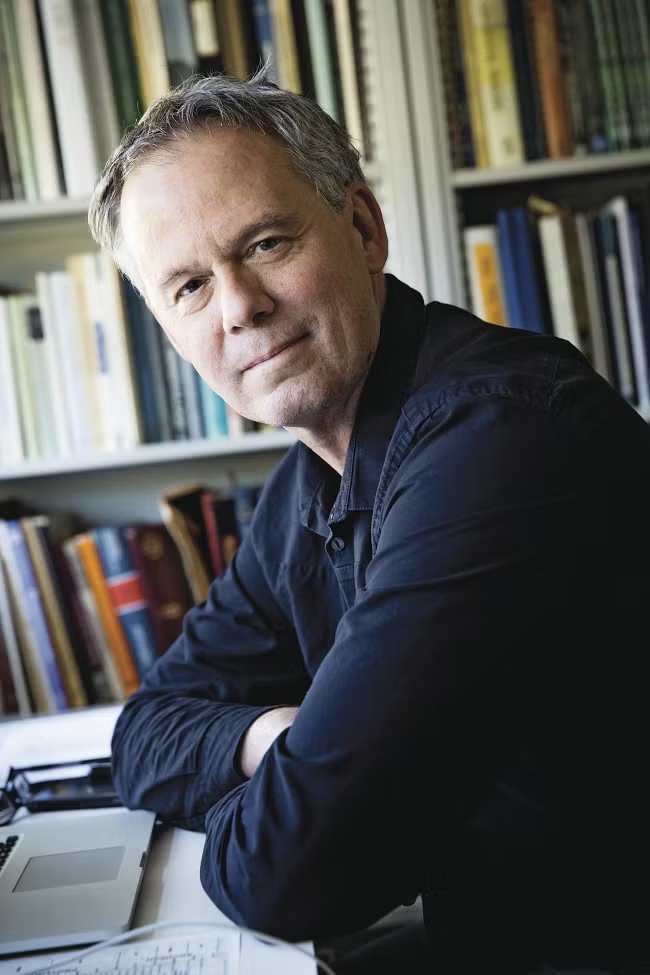
Timothy Lyons, Ph.D.
Tim Lyons is a Distinguished Professor of Biogeochemistry in the Department of Earth and Planetary Sciences at the University of California, Riverside (UCR), and holds the Wilbur W. Mayhew Endowed Chair. Dr. Lyons earned his B.S. in Geological Engineering from Colorado School of Mines in 1980, his M.S. in Geology from the University of Arizona in 1984, and his M.Phil. and Ph.D. in Geology (Geochemistry) from Yale University in 1987 and 1992, respectively, followed by a Postdoctoral position at the University of Michigan from 1992-1994.
Dr. Lyons is interested in the coevolution of life and Earth's surface environments over deep time and the implications for life beyond our planet, with a particular focus on exoplanet habitability and biosignatures. His work focuses on developing redox-sensitive geochemical proxies to reconstruct the oxidation states and evolution of ancient oceans and atmospheres, with pioneering applications to reveal the complex history of Earth's oxygenation. He has been continuously active in NASA Astrobiological Research since 1998, serving as PI for the UCR-based Alternative Earths Team of the NASA Astrobiology Institute (2014-2021) and the NASA Interdisciplinary Consortia for Astrobiology Research (2021-2026). His NASA leadership roles have also included contributing to and serving as a lead author for the 2015 NASA Astrobiology Strategy and being a member of the NASA Planetary Science Advisory Committee (2017-2020). He has also been a co-lead of the Prebiotic Chemistry and Early Earth Environments (PCE3) Research Coordination Network.
Timothy Lyons, Ph.D.
UC Riverside
Christopher Materese, Ph.D.
Christopher Materese is an astrochemist in the Cosmic Ice Lab at NASA’s Goddard Space Flight Center in Maryland. He received his Bachelor of Science in Chemistry from the Pennsylvania State University in 2005, and a Ph.D. in Physical Chemistry from the University of North Carolina in 2010. After graduate school he worked as a postdoctoral fellow and then research associate at NASA’s Ames research center in California. He specializes in radiation and thermally induced chemical and physical changes in icy solar system and interstellar environments. His research has focused on topics including the abiotic formation or the radiolytic destruction of organic molecules of interest to astrobiology. Christopher is currently or recently been PI of projects investigating radiation induced deuterium/hydrogen exchange in simple organic compounds, simulated meteorite parent body aqueous alteration of amines and amino acids, and the radiolytic destruction kinetics of nitrogen heterocycles. He is also a co-lead of the Fundamental Laboratory Research (FLaRe) Internal Scientist Funding Model (ISFM) at NASA Goddard.

Christopher Materese, Ph.D.
NASA Goddard Space Flight Center
Focus Area 3: Co-Evolution of Biospheres, Worlds, and Planetary Systems
Karl Stapelfeldt, Ph.D.
Karl Stapelfeldt is a Senior Research Scientist at the NASA Jet Propulsion Laboratory and the current Chief Scientist of NASA’s Exoplanet Exploration Program (ExEP). His research interests are in planet formation and circumstellar disks, which he studies via astronomical observations at optical, infrared, and millimeter wavelengths. His defining career goal has been to bridge the gap between astrophysics and planetary science in the study of the formation and evolution of planetary systems, and to advance mission concepts that can lead us to imaging and spectroscopy of extrasolar planets.
He was a member of the Hubble Space Telescope WFPC2 instrument science team which restored Hubble’s vision in late 1993, subsequently using HST to image numerous protoplanetary and debris disks. For 10 years he worked extensively on the Spitzer Space Telescope with roles in the Project Science Office, the MIPS instrument science team, and several community legacy surveys – in each using the telescope to identify new disk targets for follow-up studies. His involvement in high contrast imaging started with HST and led to roles in a dozen different mission proposals/studies for coronagraphic space telescopes including the Terrestrial Planet Finder, ATLAST, HabEx, and LUVOIR. He is lead author of ExEP’s Science Gap List, which outlines 17 topical areas where community research work can advance the productivity of NASA exoplanet missions, or can help to define future missions. With Eric Mamajek, he is co-creator of the provisional target list for the Habitable Worlds Observatory, which has become a focal point for community precursor science research. Today he is an active user of the James Webb Space Telescope and (through collaborators) the Atacama Large Millimeter Array, pursuing studies of protoplanetary disks. He is also a member of the Roman Space Telescope Community Science Team that is preparing the observations that will be done with its coronagraph instrument, to launch in the fall of 2026!

Karl Stapelfeldt, Ph.D.
NASA Jet Propulsion Lab/Caltech
Jessica Lee, Ph.D.
Jessica Lee’s research interests span the breadth of Space Microbiology, with a focus on ecology, evolution, and cellular interactions with the physical environment. She uses both wet-lab experimentation and computational modeling to understand the physiological effects of spaceflight stressors, such as altered gravity and ionizing radiation, on microbes; and she works to improve experimental hardware for beyond-LEO destinations. She is particularly dedicated to planetary protection, investigating both improved sterilization methods for spacecraft hardware, and risk assessment for crewed exploration of Mars. Jessica is an enthusiastic mentor of interns and postdocs at NASA. Her roles include Project Scientist for the Lunar Explorer Instrument for space biology Applications (LEIA), Lead of OSDR's Space Physical and Life-Sciences Archive of Scientific Hardware (SPLASH), and Lead for the Space Microbial Culture Collection (SMCC).

Jessica Lee, Ph.D.
NASA Ames Research Center
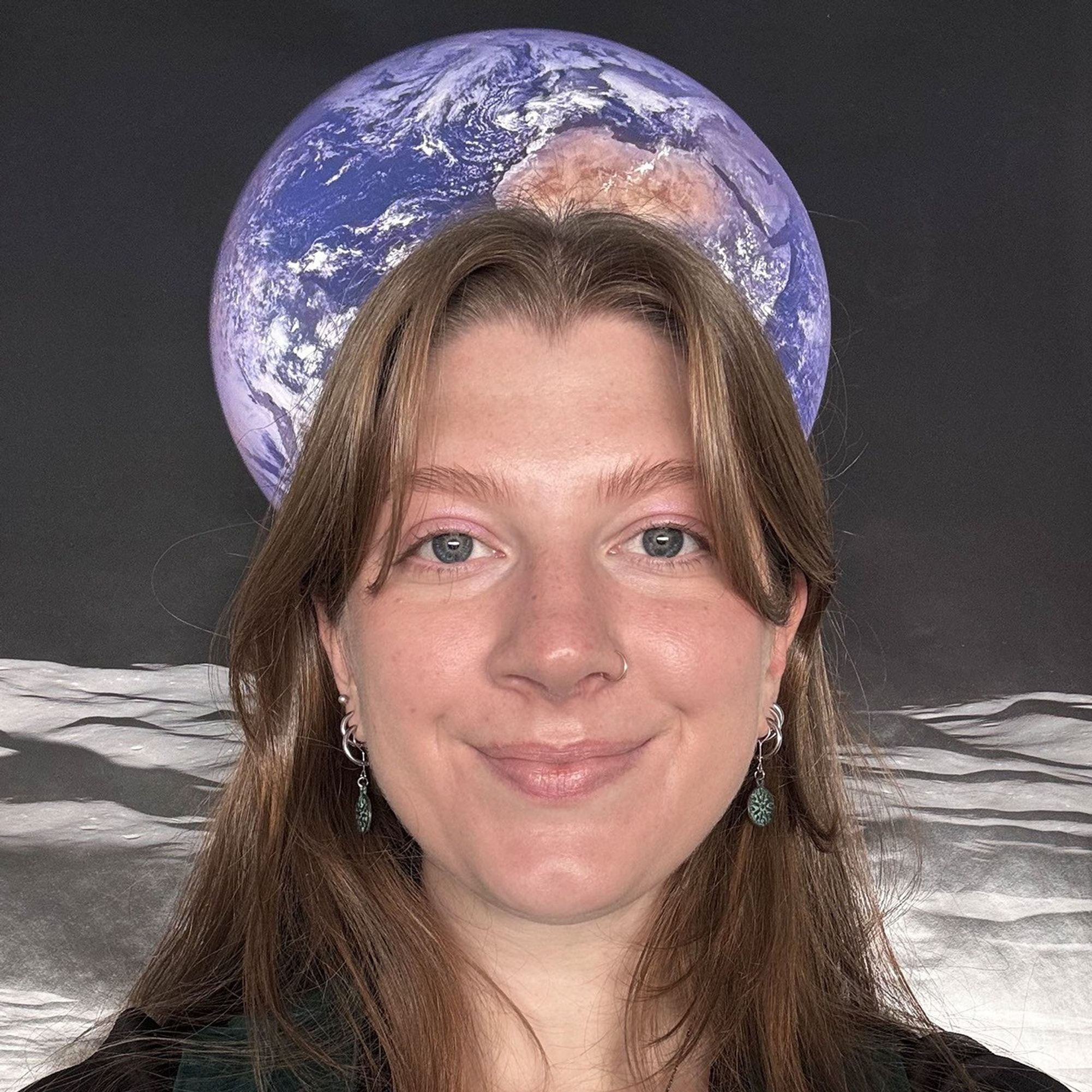
Sophia Economon
Sophia Economon is interested in prebiotic chemistry in deep aqueous environments on terrestrial planets. She uses both high-pressure, high-temperature experimentation and aqueous geochemical modeling to understand the organic chemistry of fluids in the crust and upper mantle of Earth. She applies these models to other worlds to assess how planetary lithology impacts deep fluid composition, aqueous organic formation, and atmospheric outgassing. She is particularly interested in the ability for terrestrial worlds to create life and maintain long term habitability, and she seeks to identify the most common prebiotic settings across terrestrial worlds and to understand the geochemistry within these environments. Sophia is also passionate about science art and communication, and believes that part of our duty as scientists is to share our findings with the widest audience possible.
Sophia Economon
Johns Hopkins University
Prajkta Mane, Ph.D.
Prajkta Mane is a Planetary Scientist at the Lunar and Planetary Institute (USRA) who specializes in the laboratory analysis of extraterrestrial materials. Her research expertise includes isotope geochemistry and cosmochemistry, chemical, isotopic, and microstructural analysis of meteorites, short-lived chronometers to date early Solar System processes, nucleosynthetic anomalies, stable isotopes, and ultrahigh-resolution ion- and electron microscopy techniques. Dr. Mane earned her Ph.D. in Geological Sciences from Arizona State University in 2016 and has since held Postdoctoral Fellow positions at the University of Arizona and the Lunar and Planetary Institute (USRA)/NASA JSC. Her service to NASA includes acting as an executive secretary and panel member on 22 NASA Review Panels since 2016 and contributing white papers to the Planetary Science Decadal Survey. Beyond her research, Dr. Mane is deeply involved in community engagement and strategic planning, currently serving as a Steering Committee member for the Small Bodies Assessment Group (SBAG) and as the Science Coordinator for the LPI Summer Internship Program. She has been recognized with the NASA Planetary Science Early Career Award in 2024 and the Outstanding Woman in Science Award in 2025.

Focus Area 2 Secondary Member
Prajkta Mane, Ph.D.
Lunar and Planetary Science Institute
Dave Brain, Ph.D.
Dr. Brain studies the atmospheres and plasma environments of rocky planets, including Mars, Venus, Earth, and exoplanets. Interaction between these planets and their host stars alter their atmospheres over time. By studying atmospheric processes that occur today we can unravel how planetary atmospheres evolve and why their atmospheres can be different from our own. A goal of this research is determining which combinations of characteristics of planets and stars lead to habitable atmospheres. Dr. Brain uses both spacecraft data and computer models in his research. He is the Principal Investigator of a NASA-funded team science center working to determine the influence of atmospheric escape on planetary habitability. He chairs a Science Advisory Board for the NASA MAVEN mission studying the escape of the Martian atmosphere and is a Science Team Member (and former Deputy Science Lead) for the Emirates Mars Mission. He is a team lead for NASA's Nexus for Exoplanet System Science (NExSS) RCN, and is involved in three spacecraft missions in different stages of proposal and development.

Dave Brain, Ph.D.
University of Colorado Boulder
Karen G. Lloyd, Ph.D.
Karen G. Lloyd is the Wrigley Professor of Earth Sciences, and Marine and Environmental Biology at the University of Southern California. She couples molecular biological techniques to geochemistry and geology to study the diversity and functions of microbial life in the deep-sea, mud volcanoes, subseafloor sediments, methane seeps, terrestrial volcanoes, hot springs, serpentinizing springs, Arctic fjords, ancient permafrost, and ex situ long-term incubations mimicking natural conditions. She uses reaction transport and thermodynamic models of aqueous geochemistry, stable isotopes, and metabolic rate measurements coupled with 16s rRNA gene surveys, metagenomics, metatranscriptomics, metabolomics, metaproteomics, and single-cell genomics. Together with collaborators, she is developing techniques for remote measurement of methane oxidation rates at the seafloor. Much of her work focuses on exploring how individual microbial cells may live for thousands of years in these deep subsurface realms and how previously undiscovered microbes metabolize and contribute to their ecological and geochemical environments. She has over a hundred scientific publications, two TED talks, and is the author of Intraterrestrials: Discovering the Strangest Life on Earth, Princeton University Press.

Karen G. Lloyd, Ph.D.
University of Southern California Dornsife
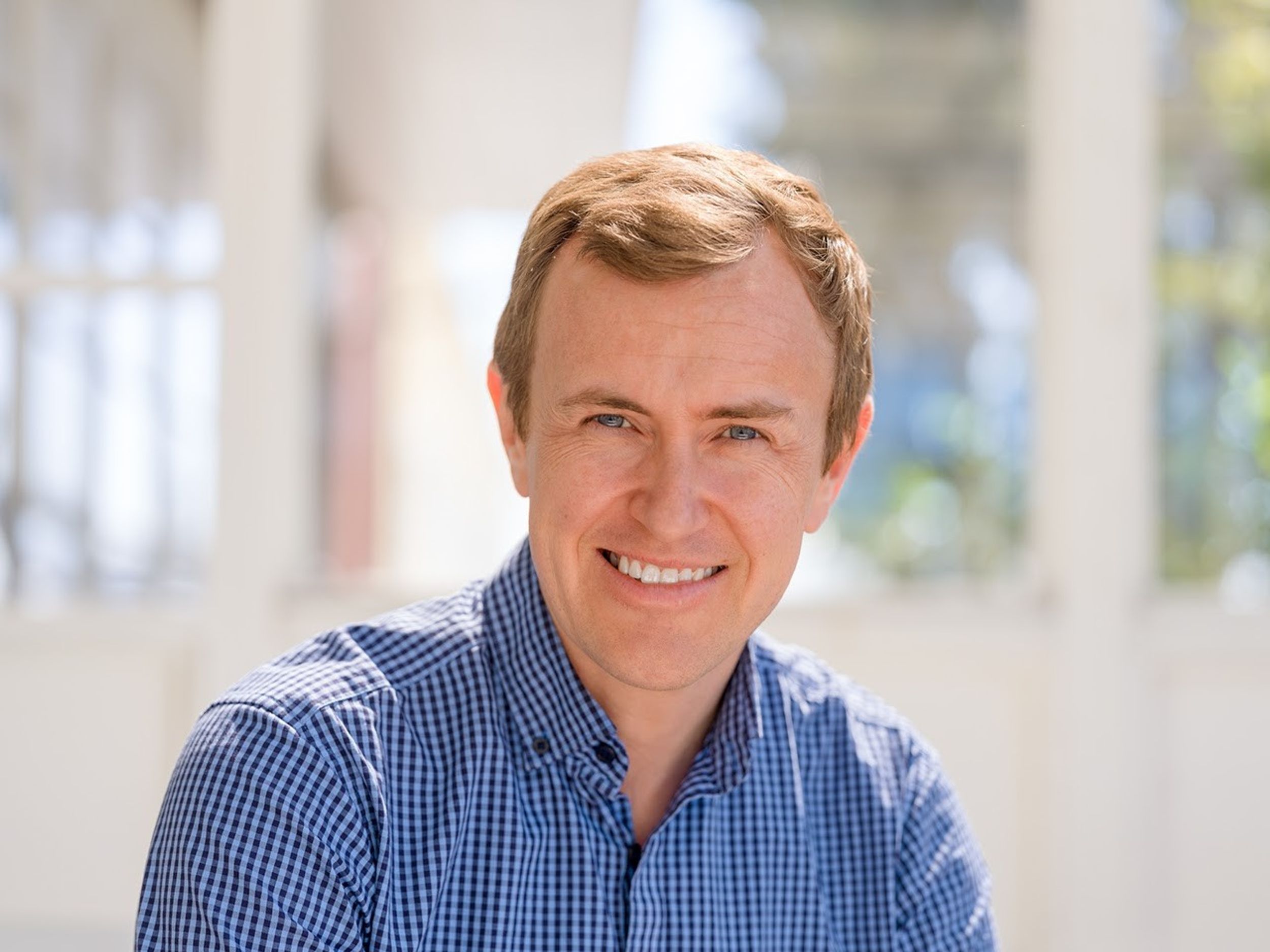
Edwin Kite, Ph.D.
Edwin Kite is an associate professor of geophysical sciences at the University of Chicago, a Resident at Astera Institute, and a member of the science team for the Mars “Curiosity” rover. Following undergraduate work at the University of Cambridge, Kite moved to UC Berkeley for a PhD in the Earth and Planetary Science Department. Prior to joining the University of Chicago, Kite held prize postdoctoral fellowships at Caltech and at Princeton. Kite is a co-recipient of the Newcomb Cleveland Prize and a recipient of the AGU Greeley Early Career Award. Kite’s research interests include Early Mars, small-radius exoplanets, and Mars terraforming.
Edwin Kite, Ph.D.
University of Chicago
Focus Area 4: Comparative Planetology to Understand Habitability
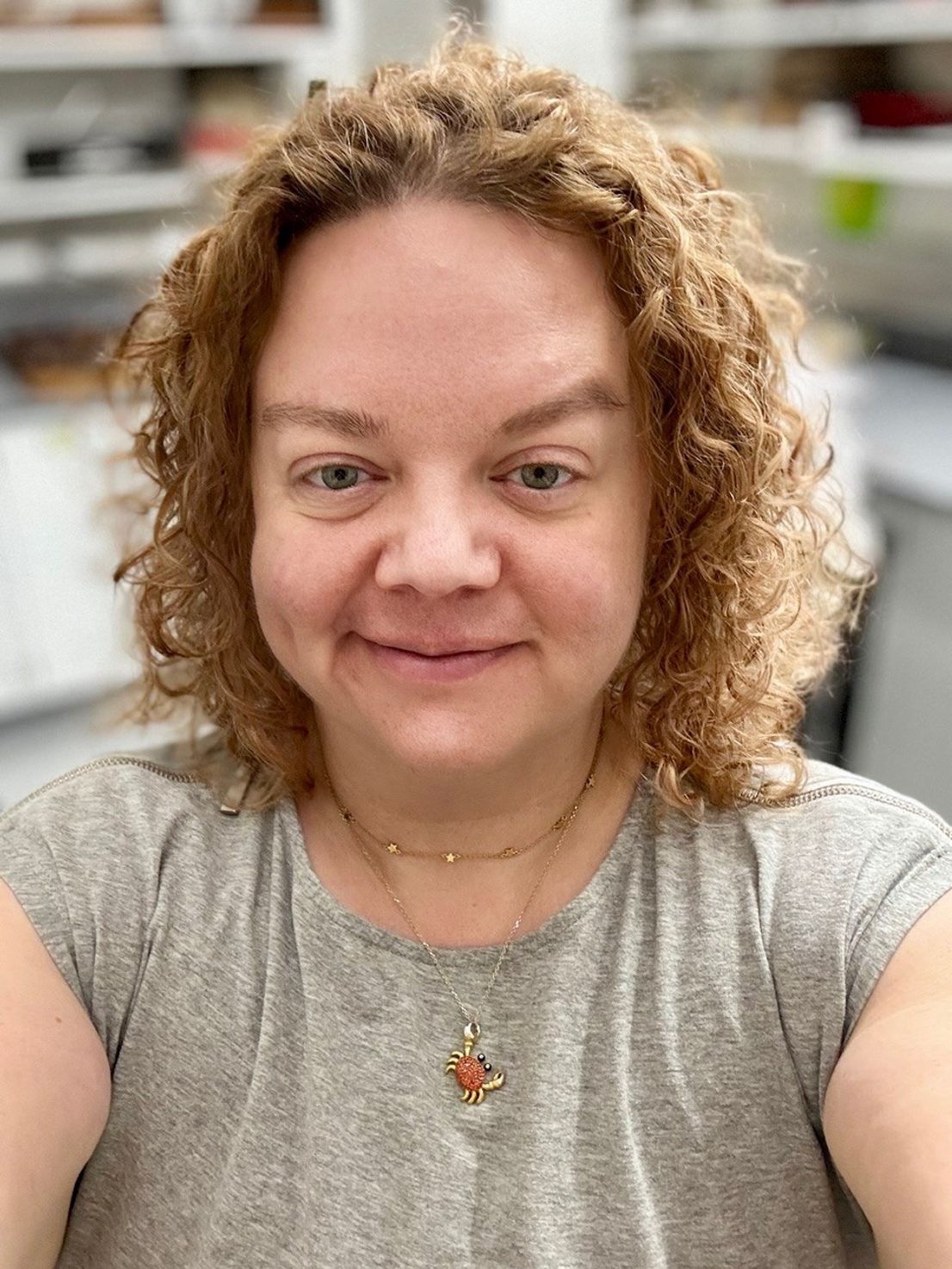
Charity Phillips-Lander, Ph.D.
Dr. Phillips-Lander is a Lead Scientist heading the Astrobiology Program Southwest Research Institute in San Antonio TX. Her current research uses combinations of modeling, laboratory experiments, and field-based analog studies to understand and better predict the habitability and astrobiological potential of icy environments including both Ocean Worlds and Mars. Her current work evaluates the factors that control the distribution of life in two Arctic environments: Great Kobuk Sand Dunes, Alaska (GKSD) and Haughton Impact Structure, Devon Island, Canadian High Arctic. She is also working to expand our understanding of how organics can create and maintain habitable environments within Enceladus’s ice shell and in Martian brine ices. In addition to her scientific research, she is the PI of the Astronaut Raman for In Situ Resource Utilization and Astrobiology (ARIA). She led the Mars Astrobiological Caves and Internal Habitability Explorer (MACIE) mission concept and is a co-Investigator on the Enceladus Orbilander mission concept. She helped lead the biology theme for the Search For Life Study Analysis Group (SFL-SAG) and is currently working on NASA PESTO study identifying technology gaps that should be addressed to advance the search for life elsewhere. Dr. Phillips-Lander conducts Charity Phillips-Lander, Ph.D. in extreme environments on Earth to aid in our understanding of how life persists in these environments and using these analog environments to how we detect life during future planetary missions. She currently focuses on icy analog environments, including Arctic permafrost environments at the GKSD and Haughton Impact Structure. She has previously worked in acid sulfate hydrothermal systems in Costa Rica, ophiolites in Albania, glaciers in Iceland, and lava tube caves at Craters of the Moon National Monument, Idaho.
Charity Phillips-Lander, Ph.D.
Southwest Research Institute
Kelsey Bisson, Ph.D.
Kelsey Bisson is a Program Scientist for the Ocean Biology and Biogeochemistry Program (OBB) in the NASA Headquarters Science Mission Directorate. She has served as Program Manager for the Rapid Response and Novel research in Earth Science program as well as the Research Initiation Awards Program. She received her B.S. in Geological Sciences from the Ohio State University (2013) and a Ph.D. at the University of California, Santa Barbara (2018). Kelsey is an advocate for using multiple sensors in tandem to advance understanding of ocean ecosystems, especially through lidar.
She has been a member of NASA’s ICESat-2 and EXPORTS science teams. Before joining NASA in 2023 as an IPA she was a research Assistant Professor at Oregon State University.
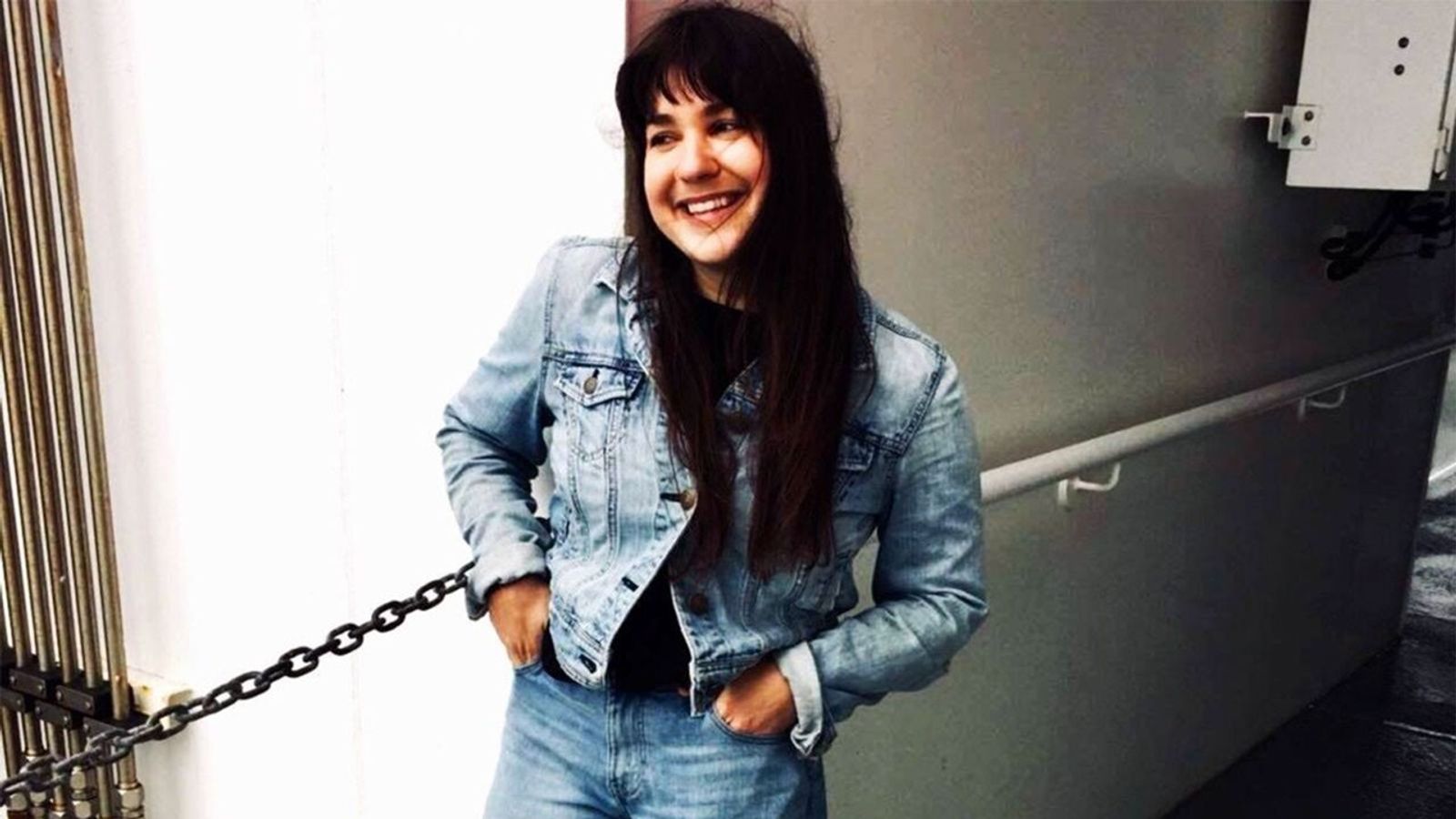
Kelsey Bisson, Ph.D.
NASA Headquarters
Carolynn M. Harris, Ph.D.
Dr. Carolynn Harris is a Postdoctoral Scholar in Geomicrobiology and Astrobiology in the School of Earth and Space Exploration at Arizona State University. She studies microbial metabolisms in planetary analog environments integrating a range of techniques across stable-isotope geochemistry, organic chemistry, and molecular biology. Through her work, she aims to link cell-level microbial processes to detectable geochemical signals to guide the search for life on Mars and ocean worlds. Dr. Harris’ planetary analog field experience includes the McMurdo Dry Valleys in Antarctica, Arctic sea ice, the Atacama Desert and El Tatio hot springs. Currently, her postdoctoral research focuses on deep-sea ecosystems. She earned her Ph.D. in Earth Sciences from Dartmouth College (2025), following an M.S. in Marine Science from the University of Texas at Austin/ Marine Science Institute (2015) and a B.A. in Biology from Bates College (2011). Outside of research, Dr. Harris enjoys hiking and trail running with her dog and reading about exploration.

Carolynn M. Harris, Ph.D.
Arizona State University
Marc Neveu, Ph.D.
Marc Neveu is an Associate Research Scientist at the University of Maryland, College Park and NASA Goddard Space Flight Center in Maryland. His research focuses on ocean worlds astrobiology. He models couplings in icy ocean world geophysical, geochemical, and orbital origins and evolution to understand their biological potential through geologic time. He also models and conducts lab and field investigations of how subsurface material can be altered during transport from a subsurface ocean, to the surface or plumes, to spacecraft sampling systems. These investigations aim to constrain the biosignature potential of ocean worlds and inform interpretation of spacecraft measurements seeking to quantify habitability and search for life. Marc received his PhD in 2015 from Arizona State University.

Marc Neveu, Ph.D.
University of Maryland | NASA Goddard Space Flight Center
Steve Vance, Ph.D.
Dr. Steven D. Vance is scientist and manager at NASA’s Jet Propulsion Laboratory, California Institute of Technology, in Pasadena CA. His current research focuses on developing fundamental thermodynamic and electrical data relevant to ocean worlds and using them to improve the analysis of seismic, gravity, and magnetic investigations planned by NASA’s Dragonfly and Europa Clipper missions, and ESA’s Juice mission. This work can provide critical information for constraining the depth, salinity, and redox state of subsurface oceans in moons of Jupiter and Saturn. Currently he leads two NASA funded projects. The first, dedicated to the “Joint inversion of Magnetic Induction and Gravity Data For Europa” under Precursor Science Investigations for Europa, has resulted in v3 of the open source PlanetProfile software aimed at making more intuitive the exploration of geophysical properties related to habitability in ocean worlds. The second project, “Community of Practice Studying Liquids in Ocean Worlds,” aims at fostering a critical mass of people and methods needed to address missing data and fundamental understanding pertaining to physical properties under the extended low-temperature and high-pressure conditions in ocean worlds. Related to this work, Dr. Vance is a co-investigator on a Habitable Worlds project providing new calorimetric and phase information for organic aqueous solutions at low temperatures.

Steve Vance, Ph.D.
NASA Jet Propulsion Laboratory/Caltech
Eric Mamajek, Ph.D.
Eric Mamajek is a Principal Scientist at NASA’s Jet Propulsion Laboratory, California Institute of Technology, in Pasadena CA, and Deputy Program Chief Scientist of the NASA Exoplanet Exploration Program. His research interests include the formation and evolution of planets, stars, and their disks, and specifically improving our knowledge of planets and disks through improving our knowledge of the properties of the star. He is Project Scientist on the Search for Habitable Exoplanets using Relative Astrometry (SHERA) Explorer mission concept to astrometrically detect small temperate exoplanets orbiting the nearest Sun-like binary stars. He is currently a member of the Habitable Worlds Observatory (HWO) science team at JPL, and was previously co-chair of the HWO Target Stars and Systems Working Group.

Eric Mamajek, Ph.D.
NASA Jet Propulsion Laboratory/Caltech
Dolon Bhattacharyya, Ph.D.
Dr. Dolon Bhattacharyya is a Research Scientist at the Laboratory for Atmospheric and Space Physics in Boulder, Colorado. Her primary research focus is on characterizing upper-atmospheric escape and the long-term evolution of planets and satellites within both the Solar System and exoplanetary systems. She earned her PhD in 2016 from the Center for Space Physics at Boston University, where her dissertation investigated water escape from Mars. Since then, she has been a science team member of the IUVS instrument on NASA’s MAVEN mission to Mars and has led and contributed to multiple Hubble Space Telescope observing campaigns to quantify present-day water loss from Mars. Dr. Bhattacharyya has also served as Project Scientist for the Carruthers Geocorona Observatory (CGO) mission, which will study Earth’s exosphere and its coupling to the Ionosphere–Thermosphere–Magnetosphere (ITM) system and solar activity, particularly during major geomagnetic storms. She is now extending her research to explore how stellar radiation and activity shape the atmospheres of exoplanets across a wide range of stellar types and ages, with the goal of building a physically grounded framework for studying planetary atmospheric evolution from the Solar System to habitable worlds beyond.
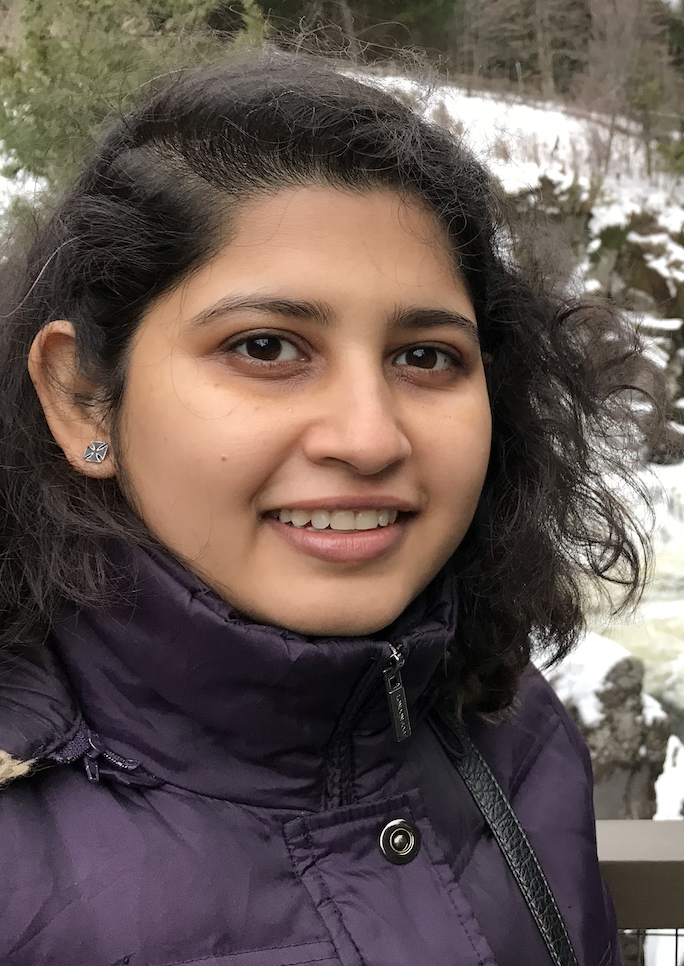
Dolon Bhattacharyya, Ph.D.
University of Colorado Boulder