











Daily Minor Planet
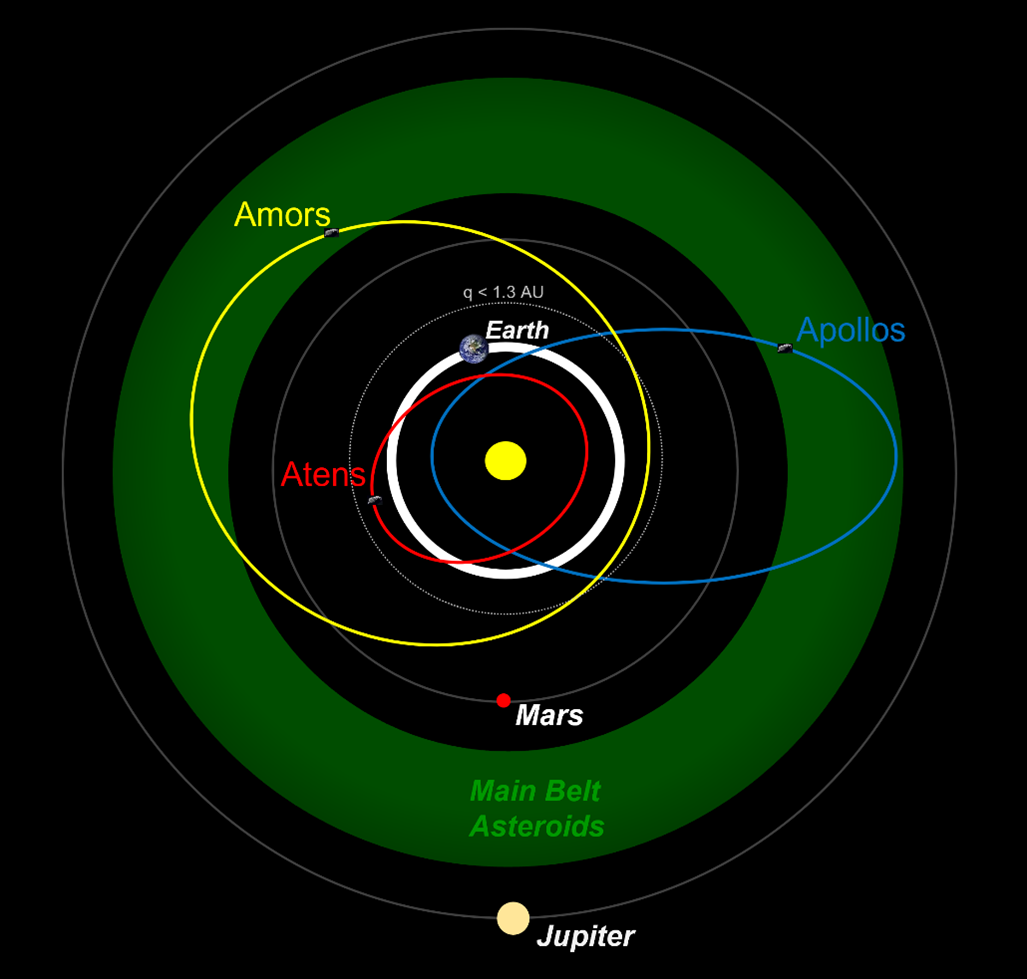
Asteroids, also known as minor planets, are the rocky remnants of the material that formed the planets of our solar system. As part of NASA’s ongoing mission to find, track, and better understand asteroids and comets that could pose an impact hazard to Earth, several telescopes in Arizona make nightly surveys of the sky looking for these near-Earth objects. Telescope operators use Asteroid Detection software to identify objects in the collected data, but they can only examine so many candidate objects each night.
The Daily Minor Planet Project invites you to review images of candidate asteroids to distinguish the real asteroids from artifacts, satellites, and other false signals. You can choose to look at data from the Catalina Sky Survey telescope on Mt Lemmon or the Bok 2.3-meter telescope at Kitt Peak National Observatory. You might help discover the next near-Earth asteroid!
project task
Examine images
DIVISION
Solar System
WHERE
Online
LAUNCHED
2023
What you'll do
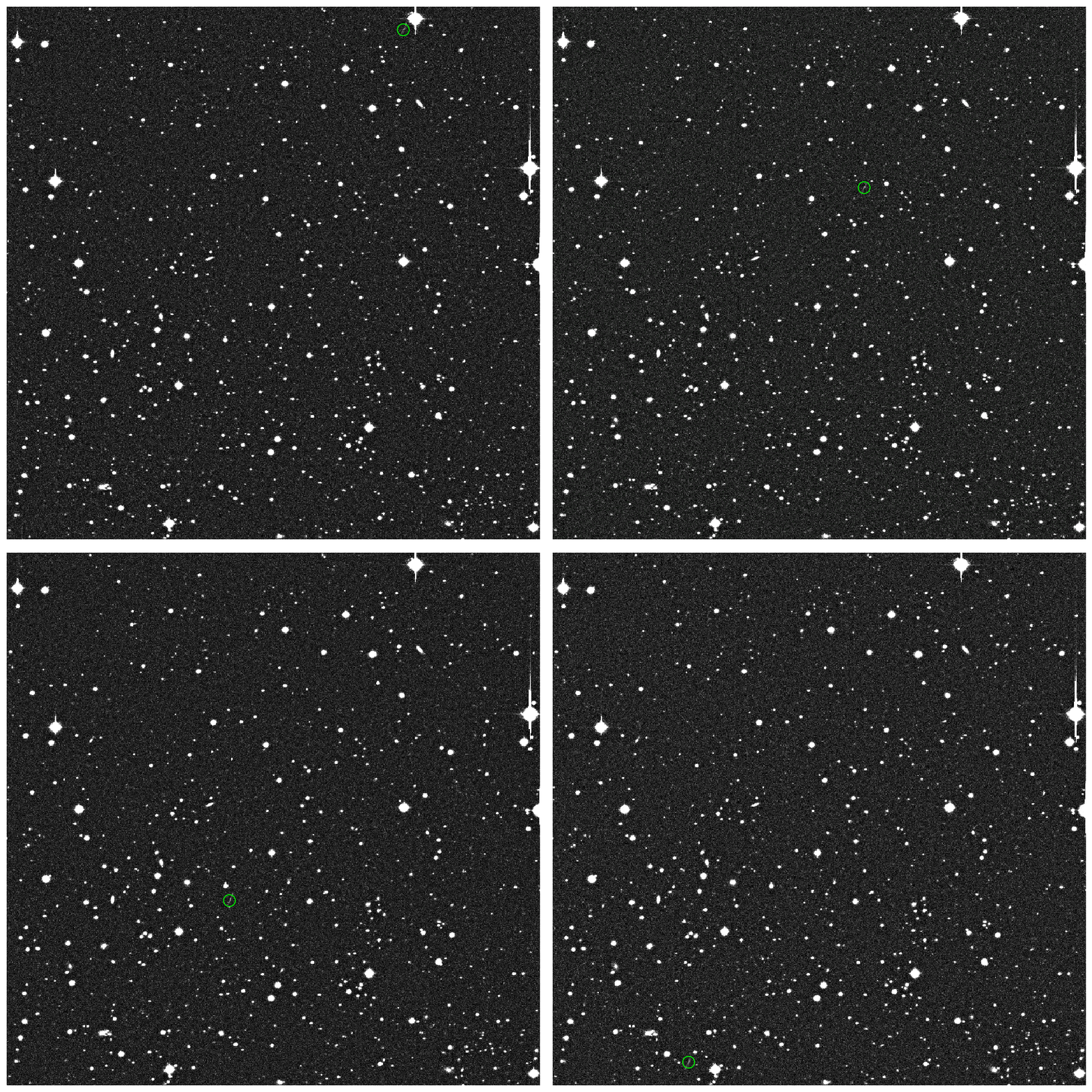
- Examine images of objects flagged by asteroid detection software (e.g., the object in the green circle on the right).
- Mark each candidate object as real or not real.
- If you like, you can discuss what you find with other volunteers and scientists in the project’s TALK bulletin board.
Requirements
- Time: 5-15 minutes to complete the tutorial and get familiar with the Field Guide
- Equipment: internet connected computer, tablet, or smartphone
- Knowledge: None. An in-project tutorial provides all the instruction you’ll need.
Get started!
- Visit the project website.
- Click on one of the yellow “Validate” buttons (there’s one for each telescope) or the “Classify” tab in the upper right, then complete the tutorial to learn the basics.
- Start examining image sequences to confirm asteroids or not!
Learn More
You’ll find more background information about asteroids and planetary defense on the project’s Research page. You can also visit the Catalina Sky Survey website to learn more about the ongoing survey that collects the images, or NASA’s Planetary Defense web pages to learn about the coordinated mission to identify, track, and understand objects that might impact Earth.
Do you prefer to work with a group? You might be interested in joining the International Astronomical Search Collaboration (IASC). The IASC works with school groups and other community groups, sending them their own packets of data to search for asteroids moving across the background of stars.
Visit the Catalina Sky Survey website for project discovery updates, other news, and more.