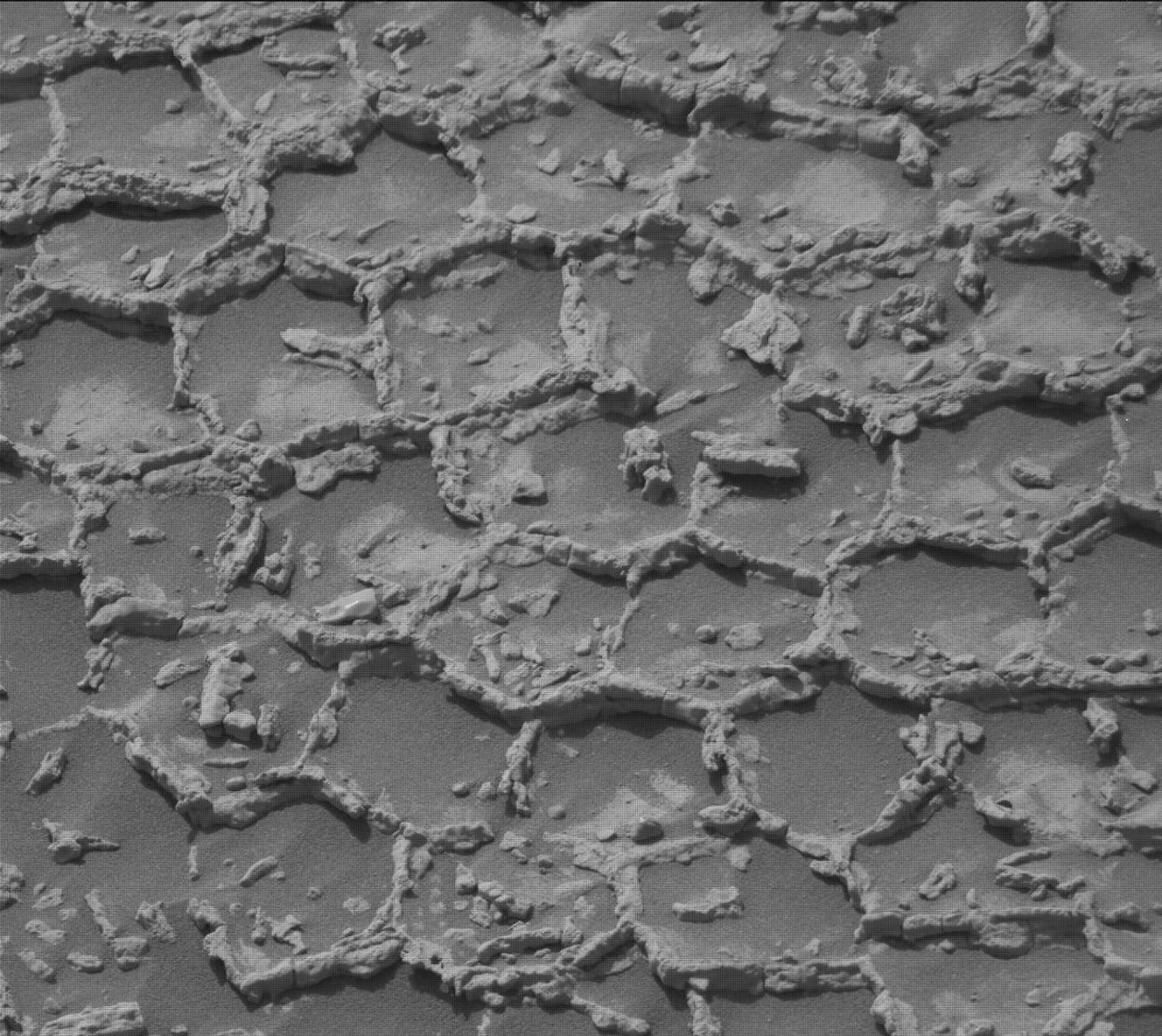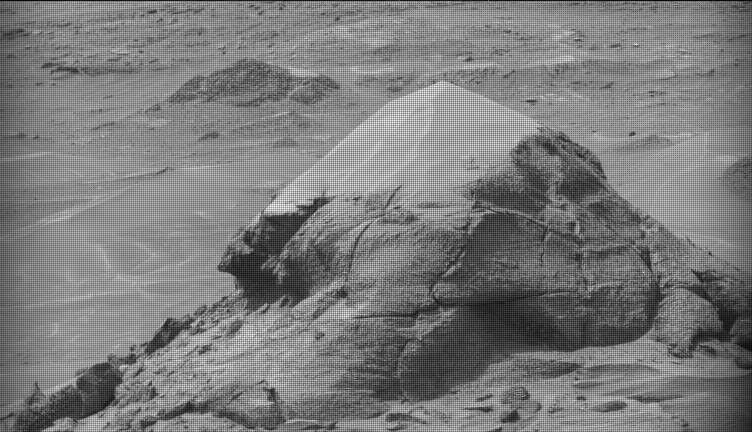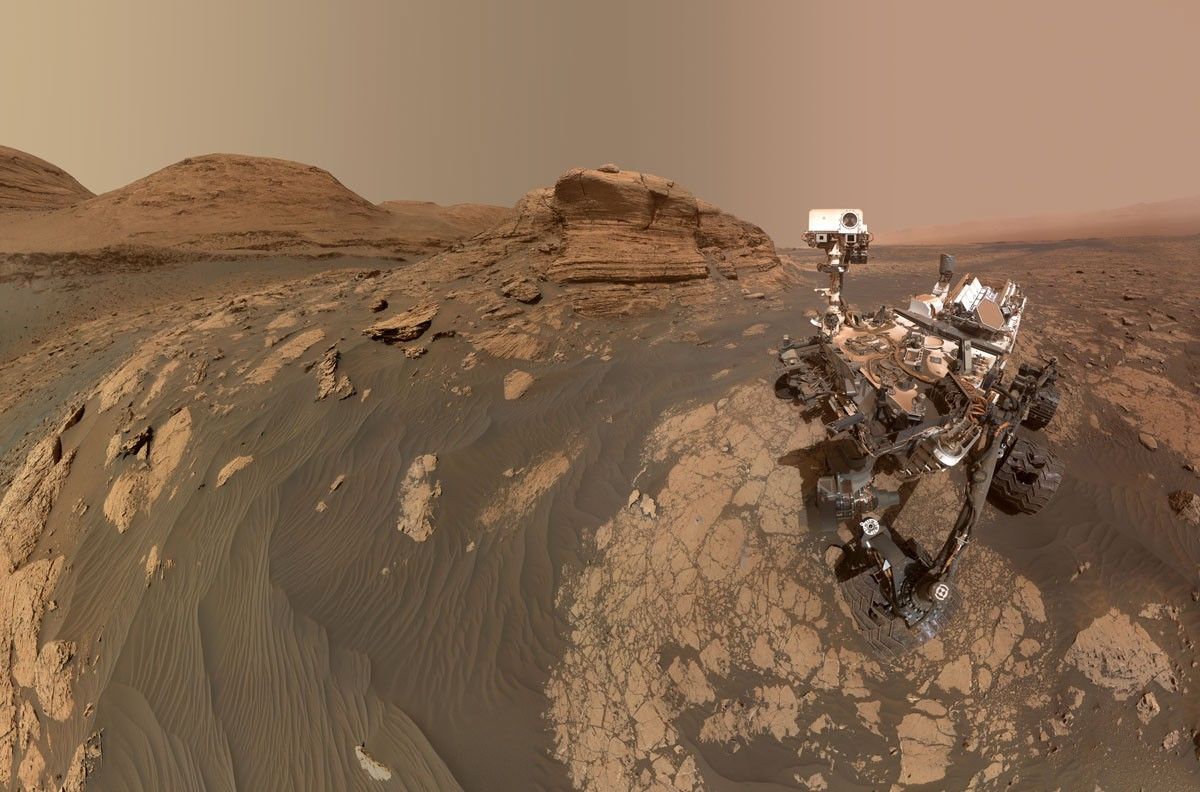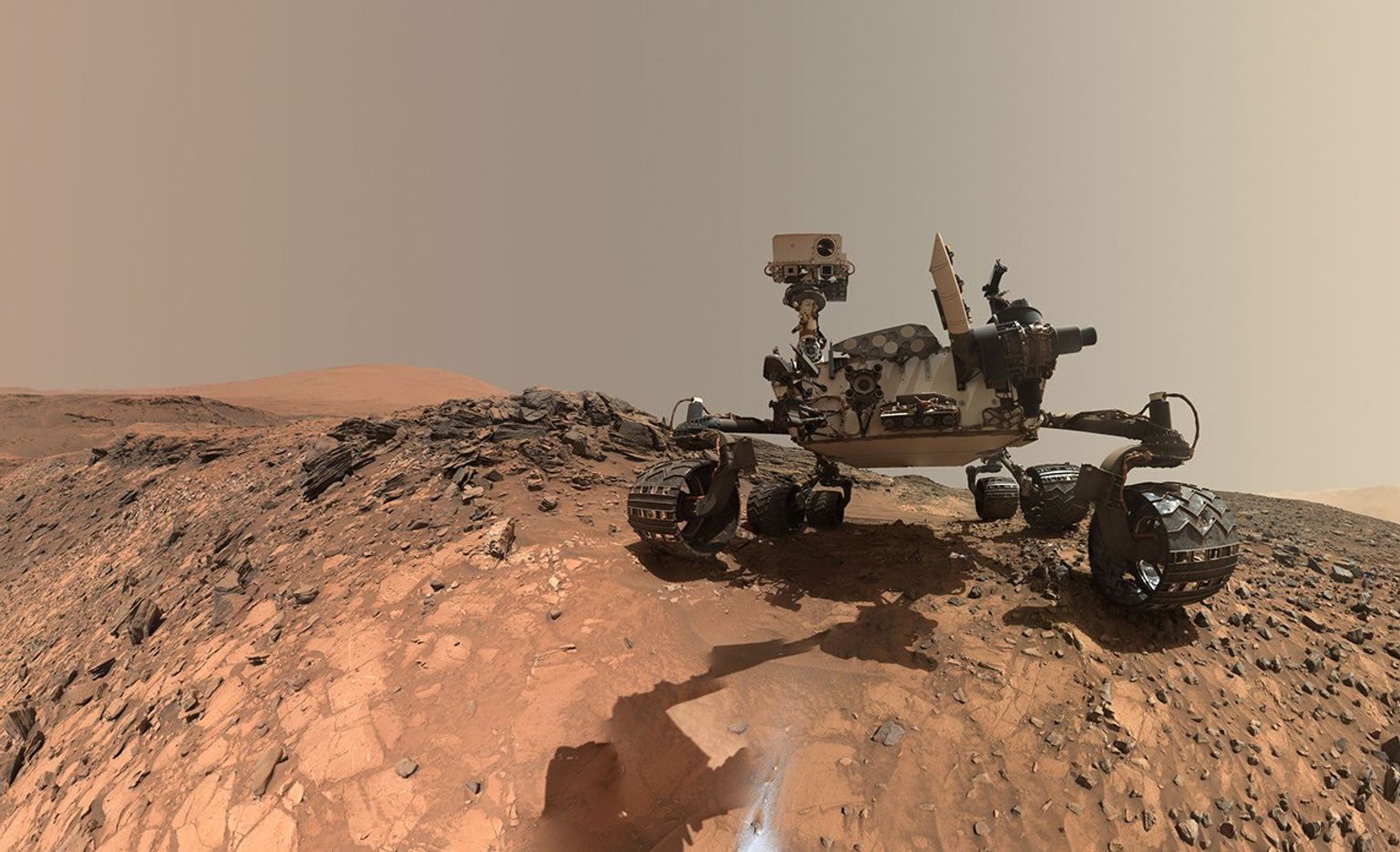












Our small bump in Wednesday’s plan left Curiosity in a good position to examine a potential drill target that we have named “Edinburgh.” This weekend, we will DRT Edinburgh and observe it with ChemCam, APXS, MAHLI, and Mastcam’s multispectral filters. We will analyze these observations to help make a decision on Monday about whether we want to continue with a full drill in this area or move on.
The other geology-focused activities in the weekend plan include ChemCam observations of targets named “Tentsmuir,” “Glen Finglas,” and “Glen Feshie,” along with a 19x2 Mastcam mosaic of our surroundings. We will also conduct a series of environmental science investigations that include a measure of the amount of argon in the atmosphere using APXS, a dust devil survey, and several Navcam observations of far-away targets to characterize the amount of dust in the atmosphere. Finally, we will take a bunch of MAHLI images of the surface in front of us at different angles in order to understand how reflected light behaves with different viewing geometries.
Written by Abigail Fraeman, Planetary Geologist at NASA's Jet Propulsion Laboratory