


















Image of the Day
NASA's Earth Observatory brings you the Earth, every day: sharing images, stories, and discoveries about the environment, Earth systems, and climate that emerge from NASA research, including its satellite missions, in-the-field research, and models.
Filter by Topic
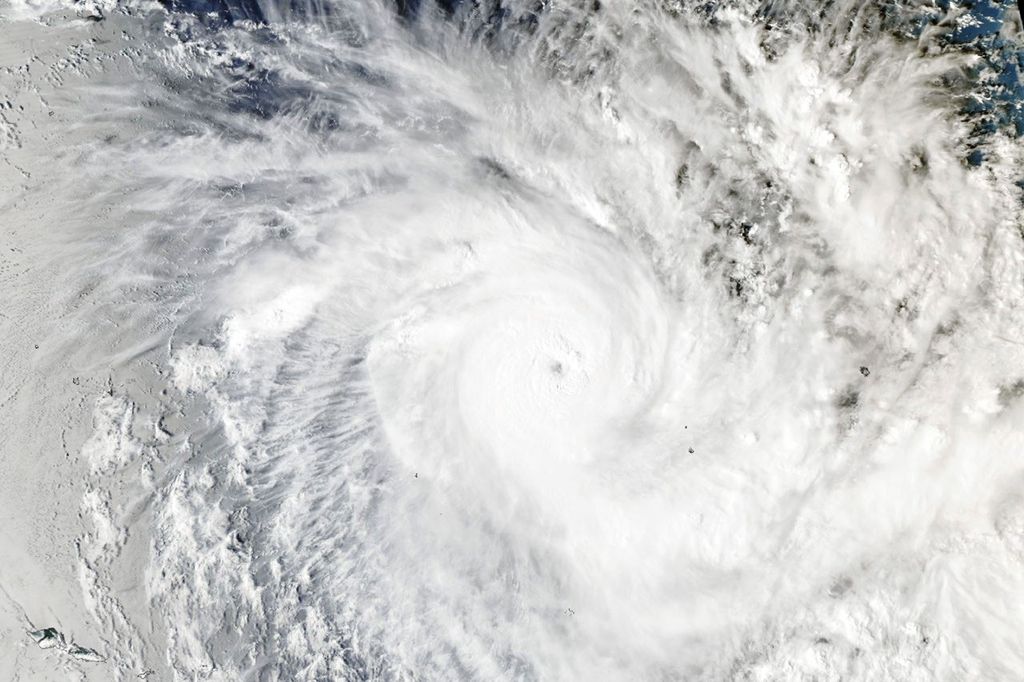
Tropical Cyclone Xavier launched the basin’s storm season with a bang.
Winter precipitation helped wake dormant seeds in northern Chile, carpeting the desert with what may be the region’s most extensive…
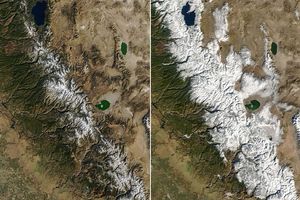
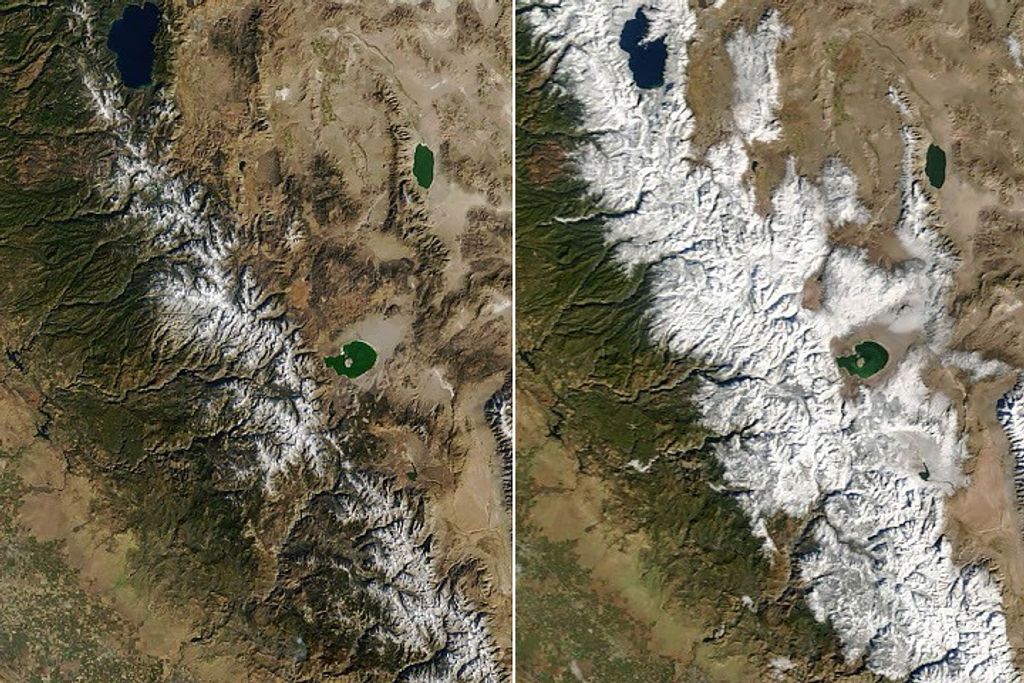
A widespread, early-season snowstorm blanketed California’s mountains in white in mid-November 2026.
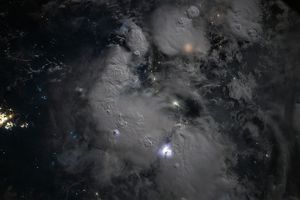
For many astronauts, the spectacular sight of lightning stands out when looking back at Earth from the International Space Station.
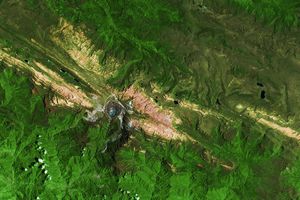
Ice near the summit of the Indonesian mountain peak has shrunk to scattered patches too small to flow like glaciers.

After decades of decline, this ecologically significant type of forest is making a comeback.

Blanket bogs in the Scottish Highlands store vast amounts of carbon.
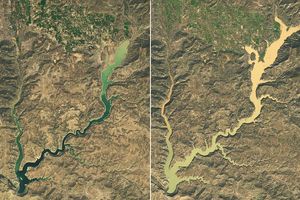
Rounds of heavy rain in the U.S. Southwest flooded rivers and rapidly raised New Mexico’s second-largest reservoir.
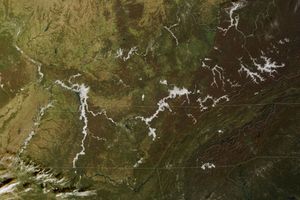
Low clouds trace the branching valleys of the Appalachian Plateau and the Cumberland River, then burn off by afternoon.
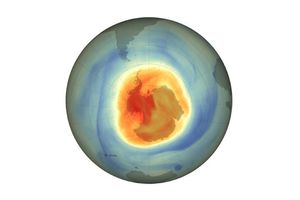
The ozone hole ranked seventh largest by area in 48 years of monitoring, but it was not as deep as…
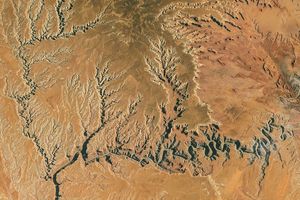
The San Juan River has carved deep, improbably curvy meanders into the desert landscape.
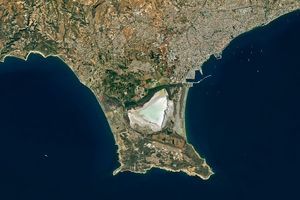
The third-largest island in the Mediterranean Sea exposes an ancient piece of the ocean floor and hosts a clowder of…
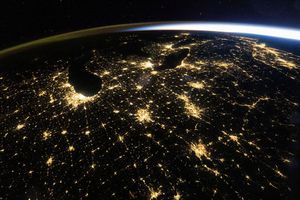
With hardly a cloud in sight, astronauts had a sweeping view of nighttime lights in the U.S. Midwest.
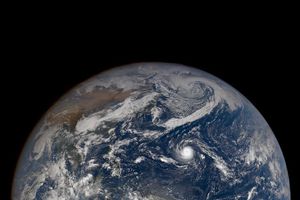
Super Typhoon In-fa developed an unusually large eye, and the remnants of Typhoon Champi transitioned into an extratropical storm that…
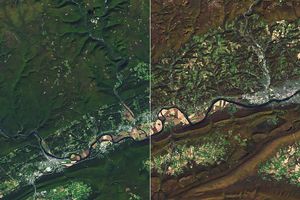
Amid the warm hues of fall foliage, Pine Creek Gorge forms a deep scar in the Allegheny Plateau.
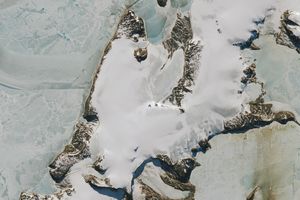
The sight of an icy skull-like visage on the Antarctic island could make one’s blood run cold.
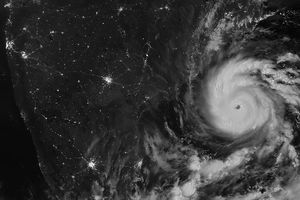
The first named storm of the North Indian Ocean’s cyclone season made landfall along the coast of Andhra Pradesh.
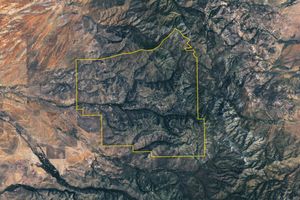
A national monument since the 1920s, Chiricahua is America's newest national park.
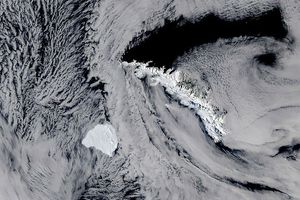
The Antarctic iceberg made a relatively quick exit from the Weddell Sea, only to slow at the edge of a…
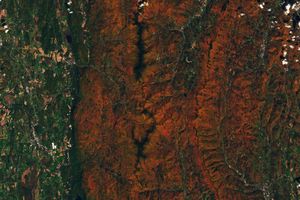
A modern satellite makes it possible to pursue the ancient tradition of leaf-peeping in a whole new way.
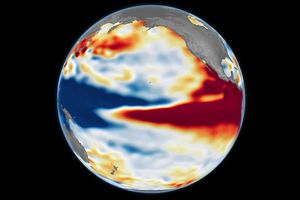
A 35-year satellite altimetry record lets scientists hold this year's El Niño up against its strongest predecessors.