













Astrobiology Hero Poster Series

These are the “heroes” of astrobiology, exploring the hidden depths of the Earth, roving the worlds of our solar system, and peering at planets around distant stars. These amazing giants of exploration are shaping the future of astrobiology research, helping scientists deepen our knowledge about the origin and evolution of life on Earth, and the potential for life in the Universe.
"Look, up in the sky! Is it a bird? Is it a plane? No... it's a powerful telescope in an Earth-trailing heliocentric orbit!"
Unidentified citizen of Earth
Astrobiology Enthusiast
OSIRIS-REx - Journey to an Asteroid
NASA’s Origins, Spectral Interpretation, Resource Identification, Security-Regolith Explorer (OSIRIS-REx) spacecraft is the first U.S. mission to return samples from an asteroid to Earth. OSIRIS-REx left Earth in 2016 traveled to Bennu, a carbon-rich asteroid that records the earliest history of our Solar System. The spacecraft delivered the sample to Earth on Sept. 24, 2023. Scientists are studying samples returned by the mission to determine Bennu’s physical and chemical properties. To read more about OSIRIS-REx, check out Issue 3 of the Astrobiology Graphic Histories.

Kepler - Eyes on Exoplanets
NASA’s powerful Kepler space observatory was designed to survey a specific portion of our region of the Milky Way galaxy. An important part of Kepler’s work was the identification of Earth-size planets around distant stars. Kepler left a legacy of more than 2,600 exoplanet discoveries, paving the way for future scientific efforts and the search for life beyond the Solar System. To read more about Kepler, check out Issue 6 of the Astrobiology Graphic Histories.

Perseverance and Ingenuity
NASA’s Perseverance rover is exploring the surface of Mars. The robotic astrobiologist is helping scientists understand the potential for ancient life on the red planet and collecting samples that could be returned to Earth in the future. Perseverance was joined by its sidekick Ingenuity, a helicopter that performed the first powered flight on another planet! To read more about Perseverance, check out Issue 2 of the Astrobiology Graphic Histories.

Alvin - The Deep Ocean Submersible Explorer
Alvin is a crewed deep-ocean research submersible that in 1977, was used to explore the ocean floor near the Galapagos Islands and identified hydrothermal vents at the bottom of the sea for the first time. The finding showed us that deep ocean environments could be habitats for life on worlds far from the energy of the Sun. Suddenly, subsurface oceans on icy worlds in the outer Solar System became a focus of astrobiology research. Icy moons like Jupiter’s moon Europa and Saturn’s moon Enceladus are now prime targets for astrobiology exploration. To read more about Alvin, check out Issue 4 of the Astrobiology Graphic Histories.

Lynn Margulis, a Scientific Rebel
Lynn Margulis was the first female principal investigator of NASA’s Exobiology Program and pushed the boundaries of knowledge in many fields related to astrobiology. Margulis was funded for her research in microbial evolution and organelle heredity. She championed the significance of symbiosis in evolution, now the leading theory to describe how eukaryotic cells evolved from prokaryotic origins. The endosymbiotic theory states that some of the organelles in eukaryotic cells were once prokaryotic microbes. This was a major advancement in the field of evolutionary biology and altered scientific understanding of the evolution of life on Earth. To read more about her role in the history of astrobiology at NASA, check out Issue 7 of the Astrobiology Graphic Histories.

Carl Sagan, Hero of Science Communication
The name Carl Sagan is synonymous with excellence in science communication. From his seminal work in ensuring astrobiology was woven into the foundations of space exploration at NASA to his groundbreaking book and tv show, Sagan has inspired generations of scientists to consider the possibilities of the cosmos and our place within it. Sagan was an early career scientist when he was invited to participate in some of the first discussions of exobiology and astrobiology research at NASA. He went on to contribute to numerous NASA missions that shaped our understanding of life’s potential beyond Earth. To read more about his role in the history of astrobiology at NASA, check out Issues 1, 2, and 4 of the Astrobiology Graphic Histories.

Check out more posters featuring NASA Science and Missions!

Astrobiology Poster and Virtual Backgrounds
Astrobiology is the scientific study of life’s origin, evolution, and distribution in the Universe.

Ocean Worlds Poster and Virtual Backgrounds
The story of water connects each of us to processes that shape our universe.
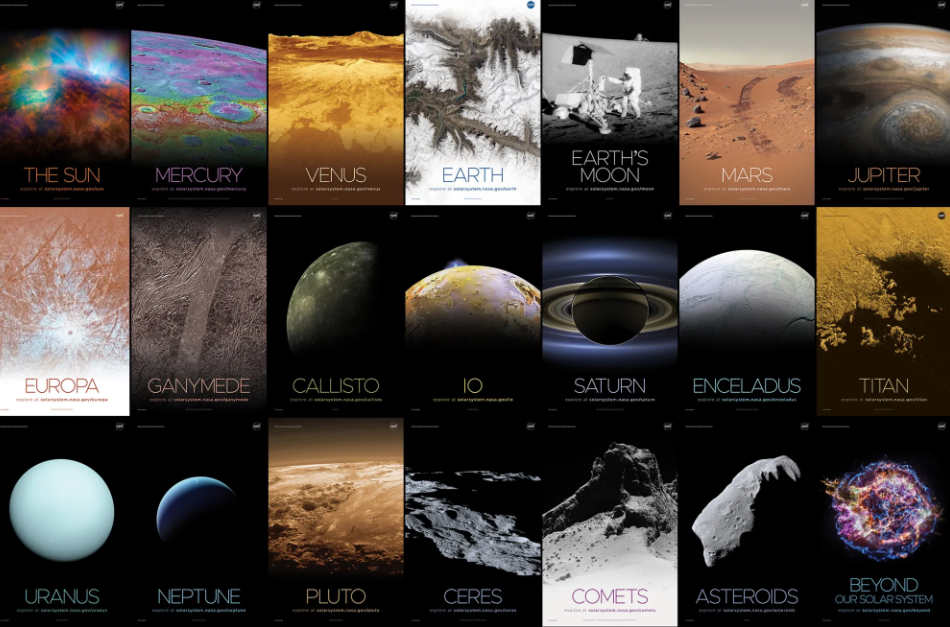
Solar System and Beyond Poster Set
This NASA poster set showcases the beauty of our solar system and beyond.
Visions of the Future
JPL's Exoplanet Travel Bureau presents: Visions of the Future.
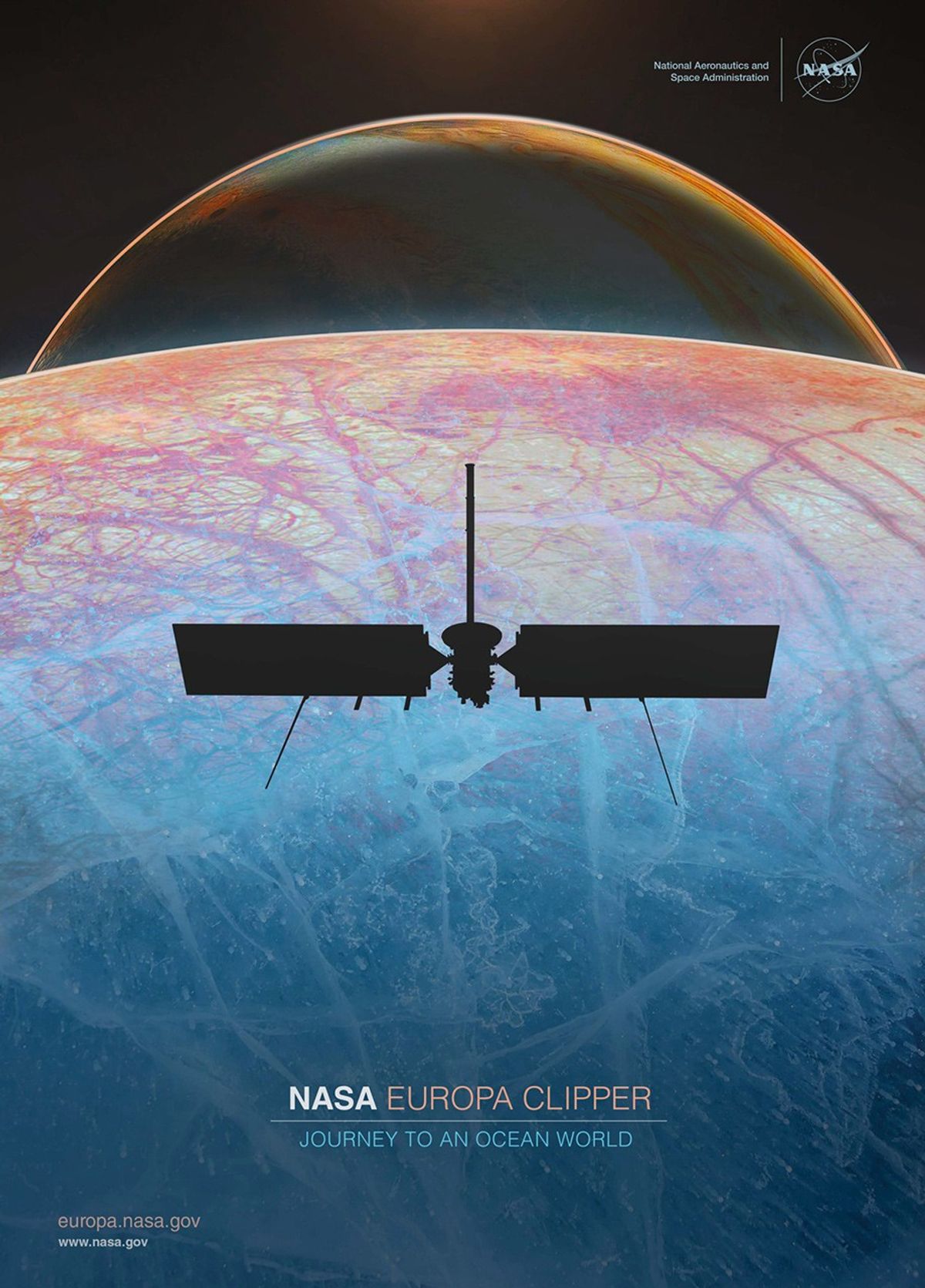
Europa Clipper Poster
NASA’s Europa Clipper mission to study the subsurface ocean of Jupiter's moon Europa.

Kepler Space Telescope Poster
Kepler taught us that our galaxy has more planets than stars.
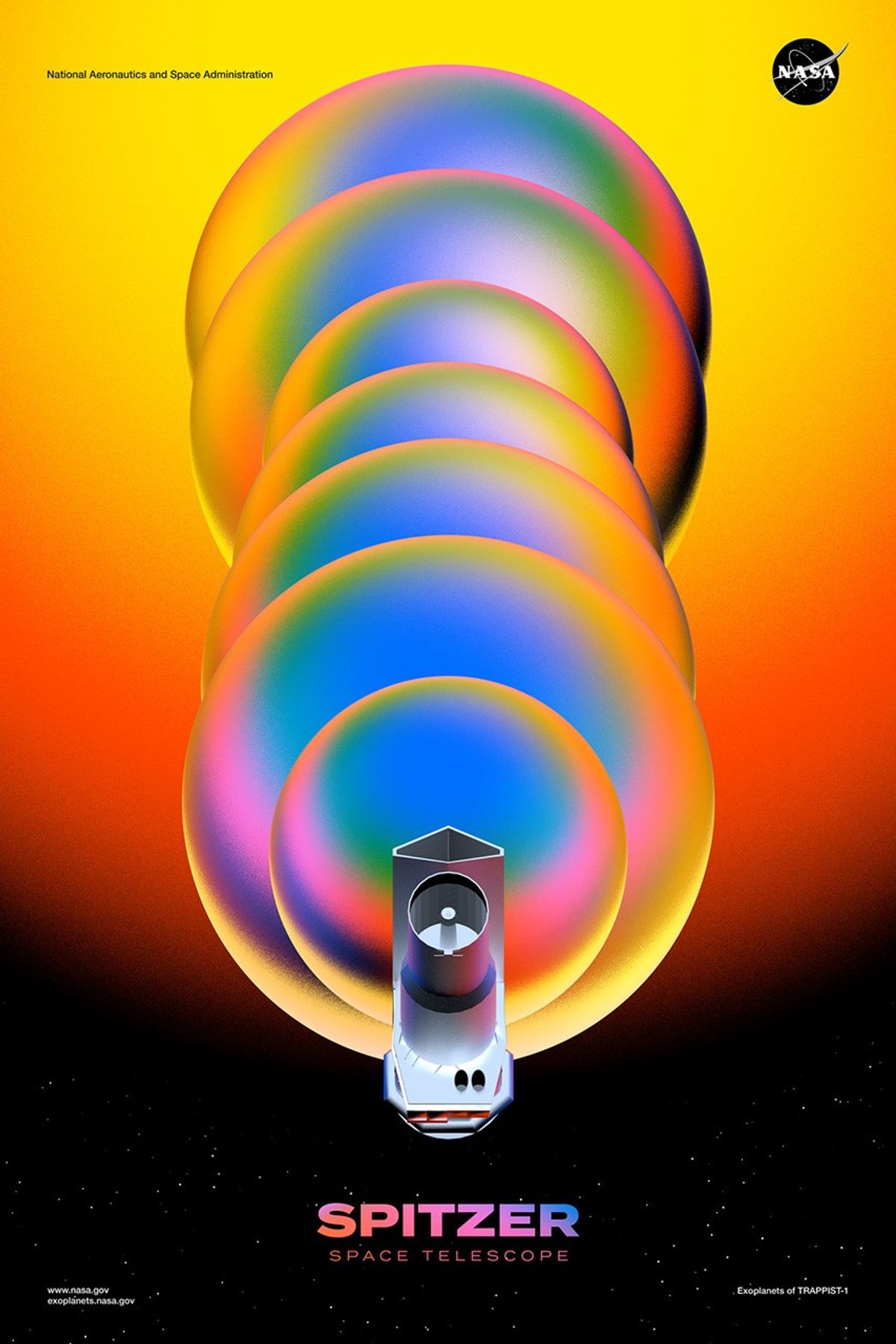
Spitzer Space Telescope Poster
Spitzer helped reveal TRAPPIST-1, the first known system of seven Earth-sized planets.
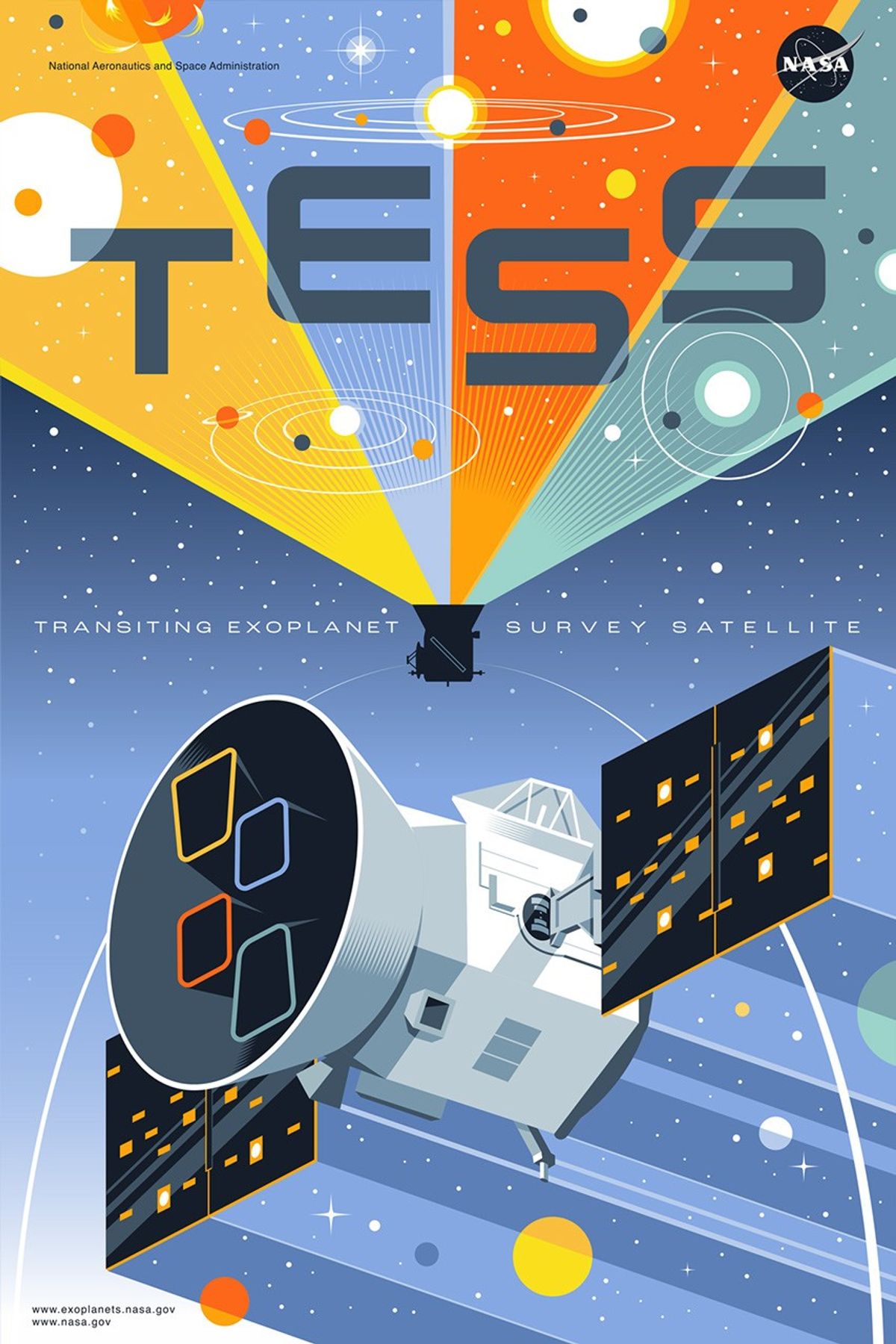
TESS Space Telescope Poster
The Transiting Exoplanet Survey Satellite, focused on a single patch of stars.
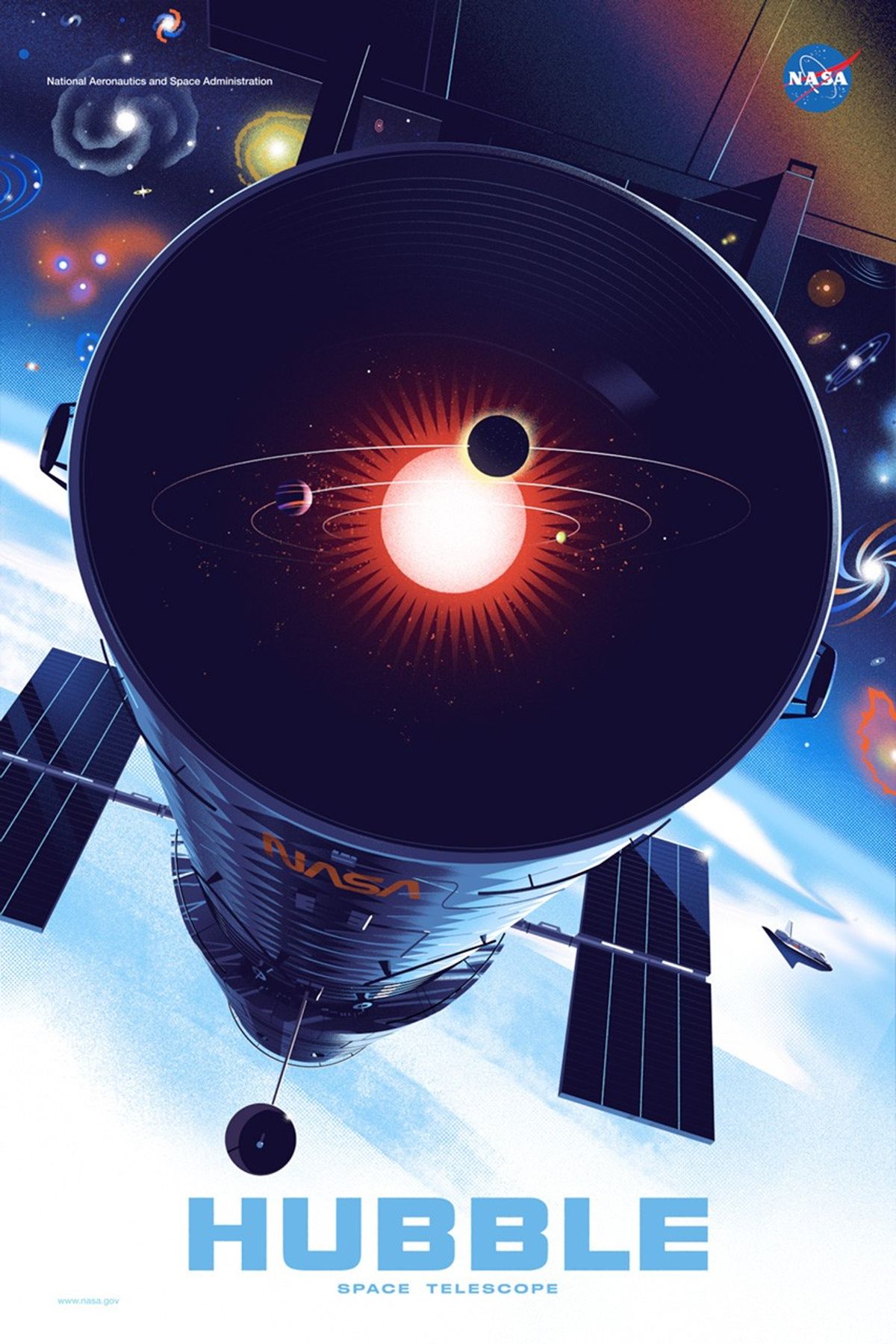
Hubble Space Telescope Poster
Hubble, space-based observatory that has revolutionized astronomy and exoplanet observations.
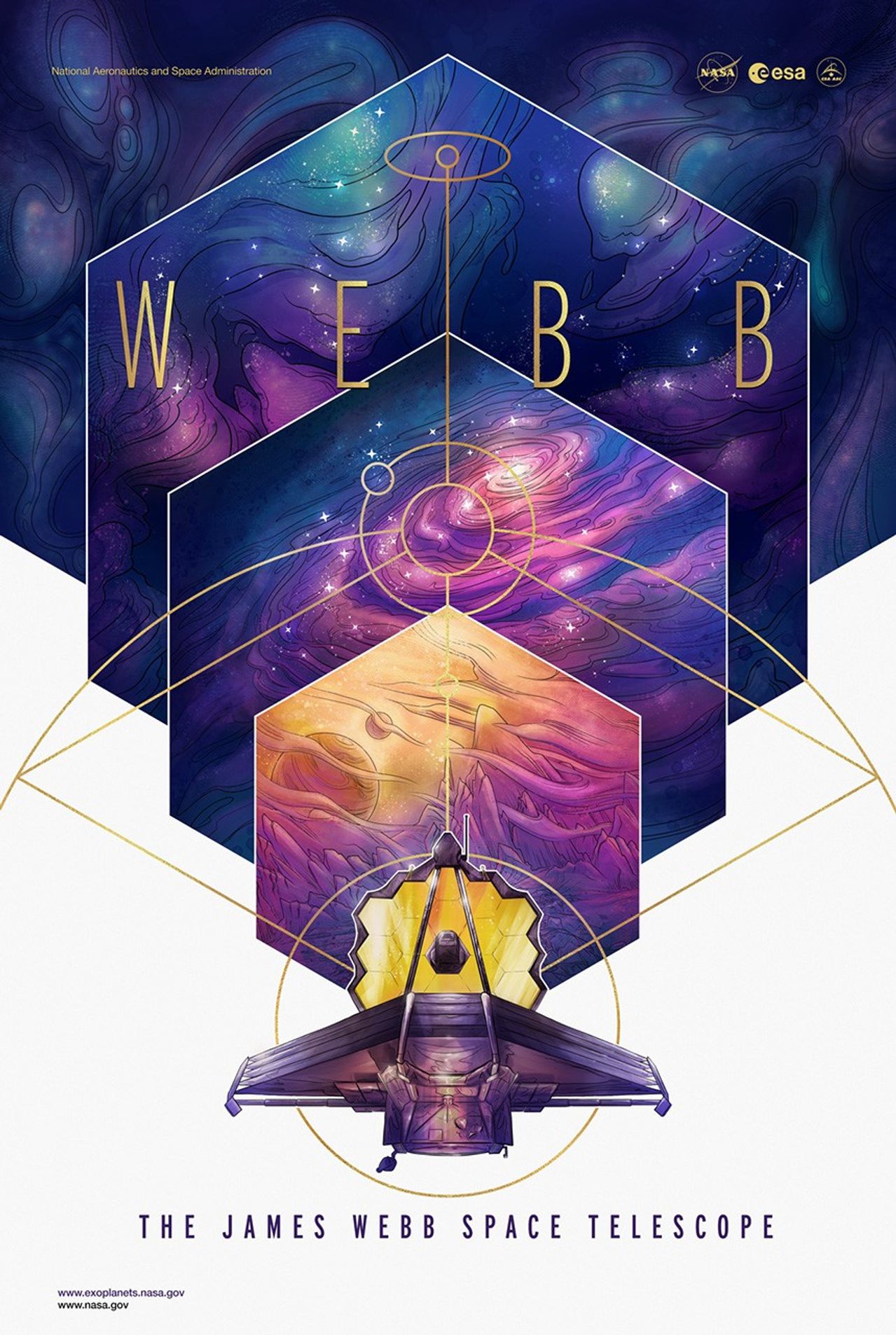
James Webb Space Telescope Poster
Webb is able to gather light that has been traveling for 13.5 billion years.
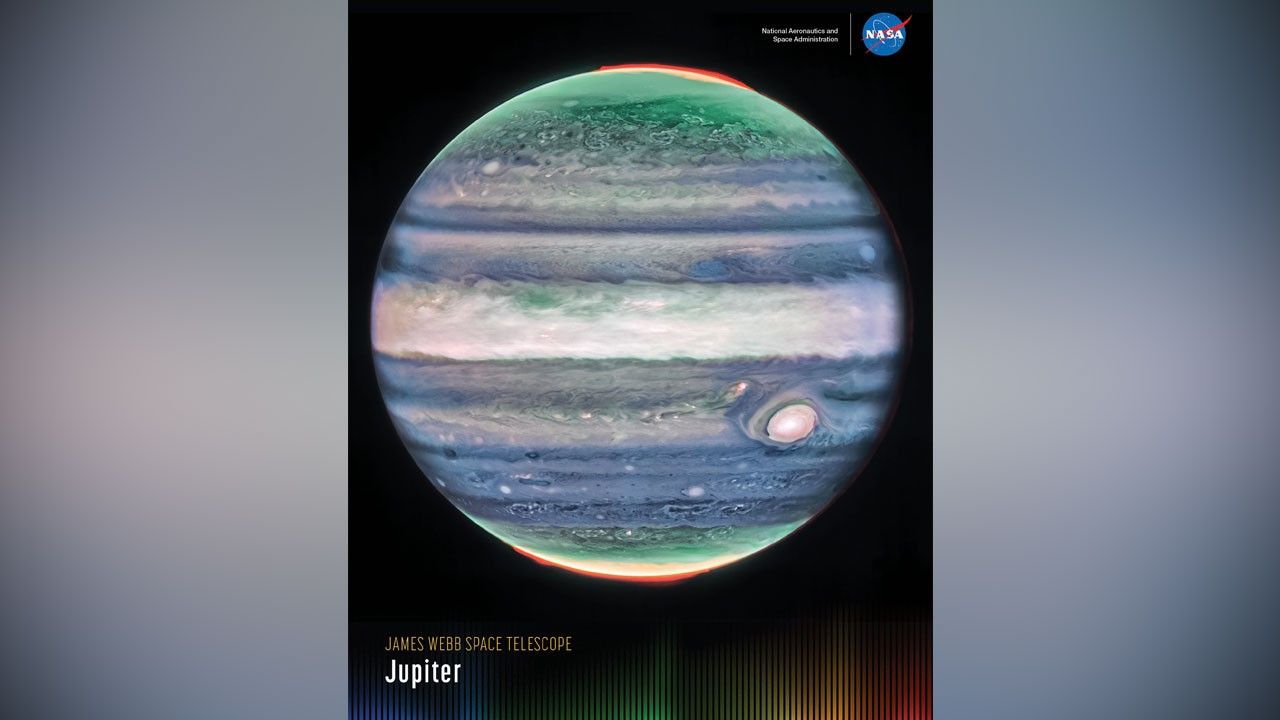
Webb Posters and Printables
An ever growing collection of Webb themed posters and printable products you can download and print.
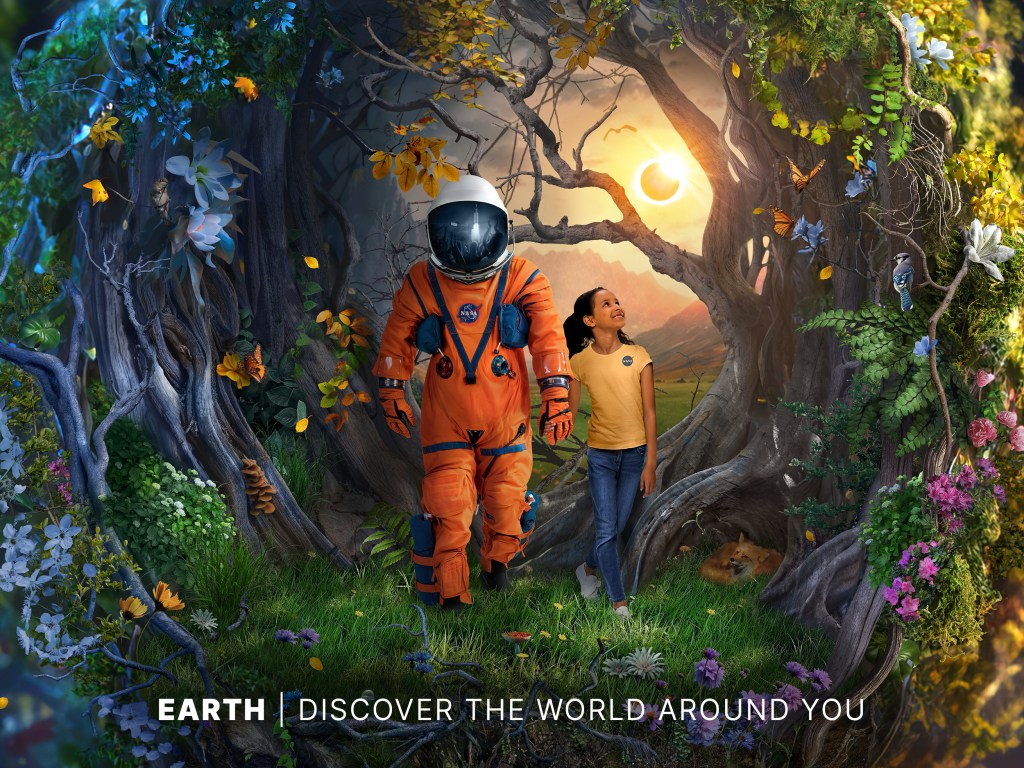
Earth Day Posters and Downloads
This is a collection of illustrated posters in NASA's annual celebration of Earth Day.

Geoscience is Everywhere
Geoscientists study all aspects of Earth: the lithosphere, atmosphere, hydrosphere, cryosphere, and the biosphere.
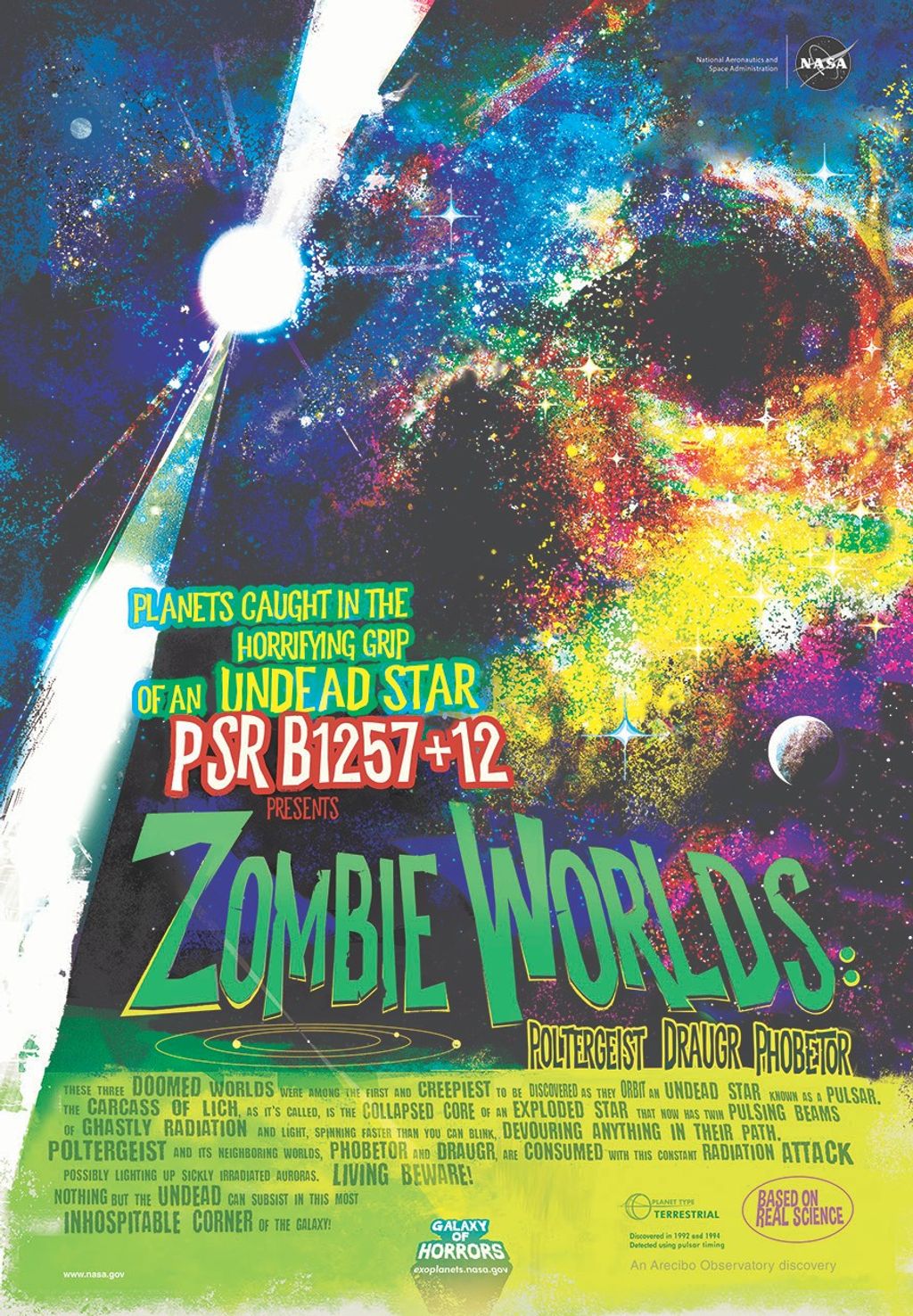
Galaxy of Horrors
Download our free posters based on real NASA science... if you dare!