


















Community Science (Ad ASTRA) Workshop
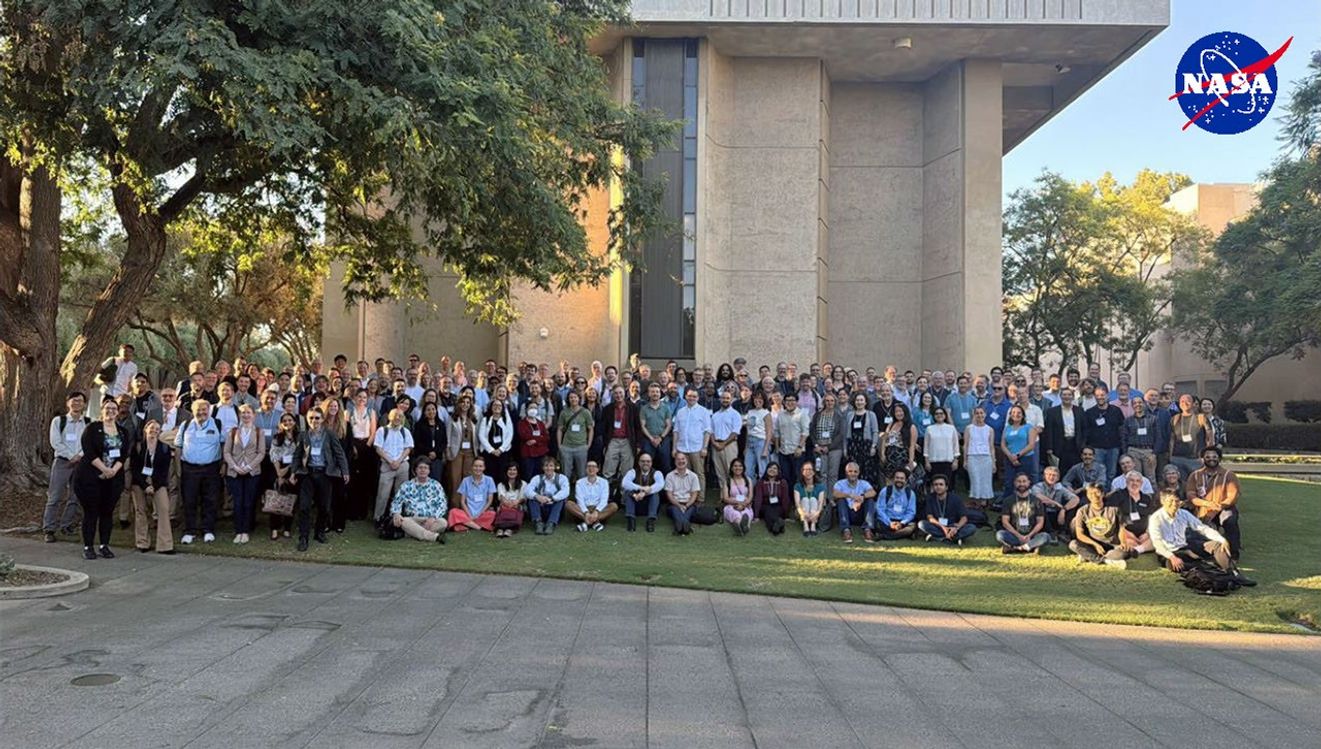
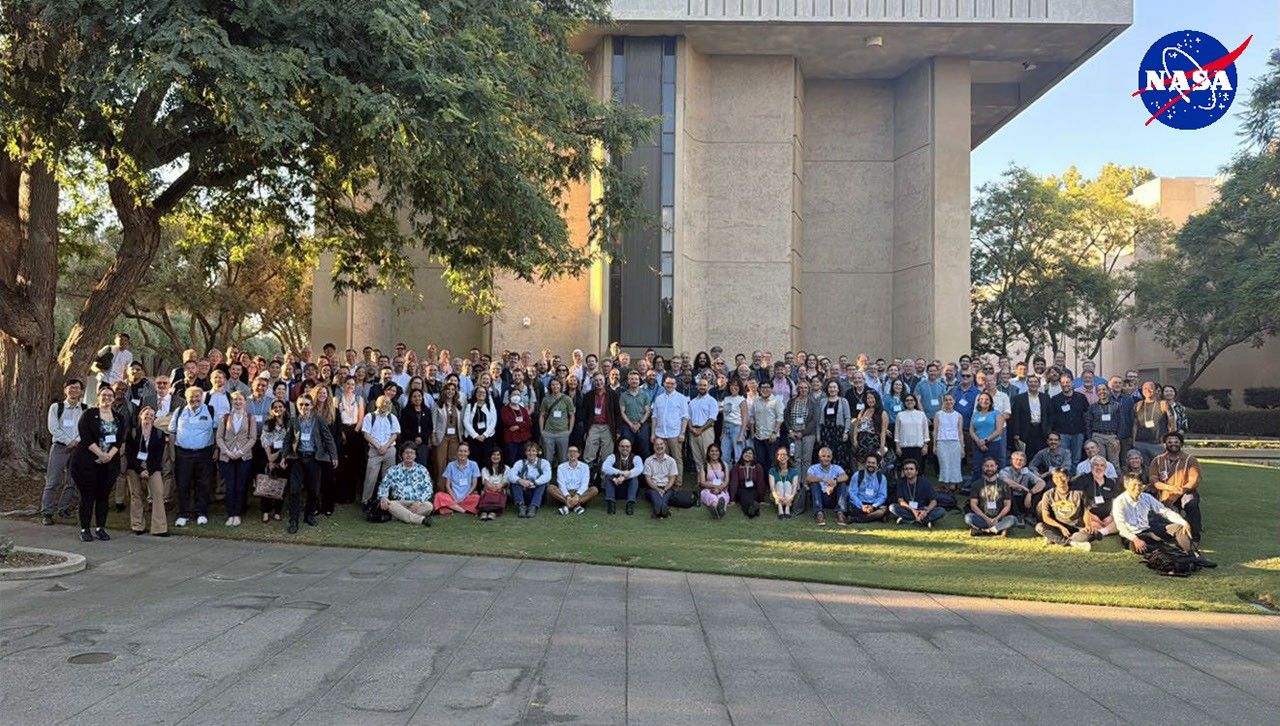
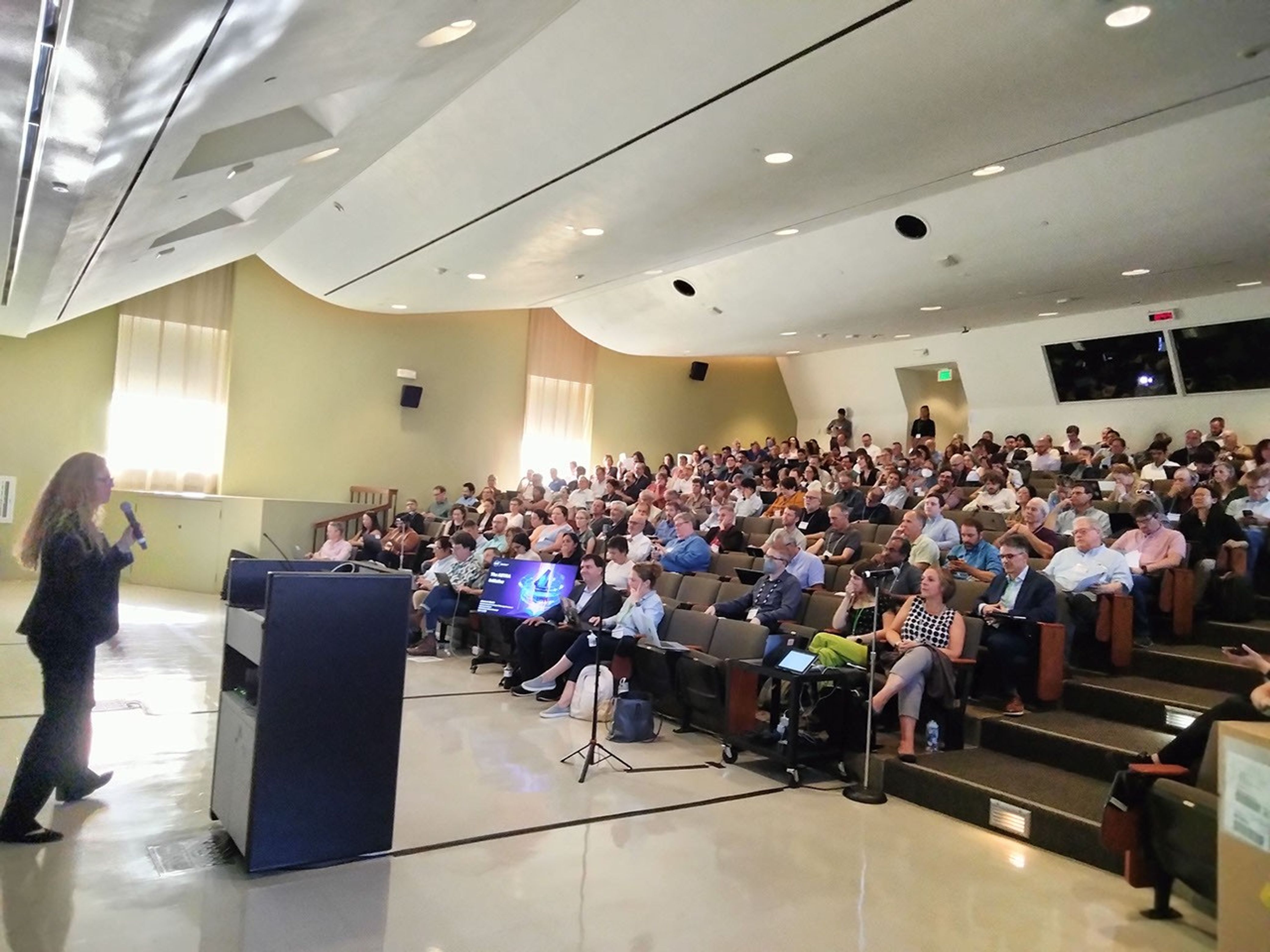
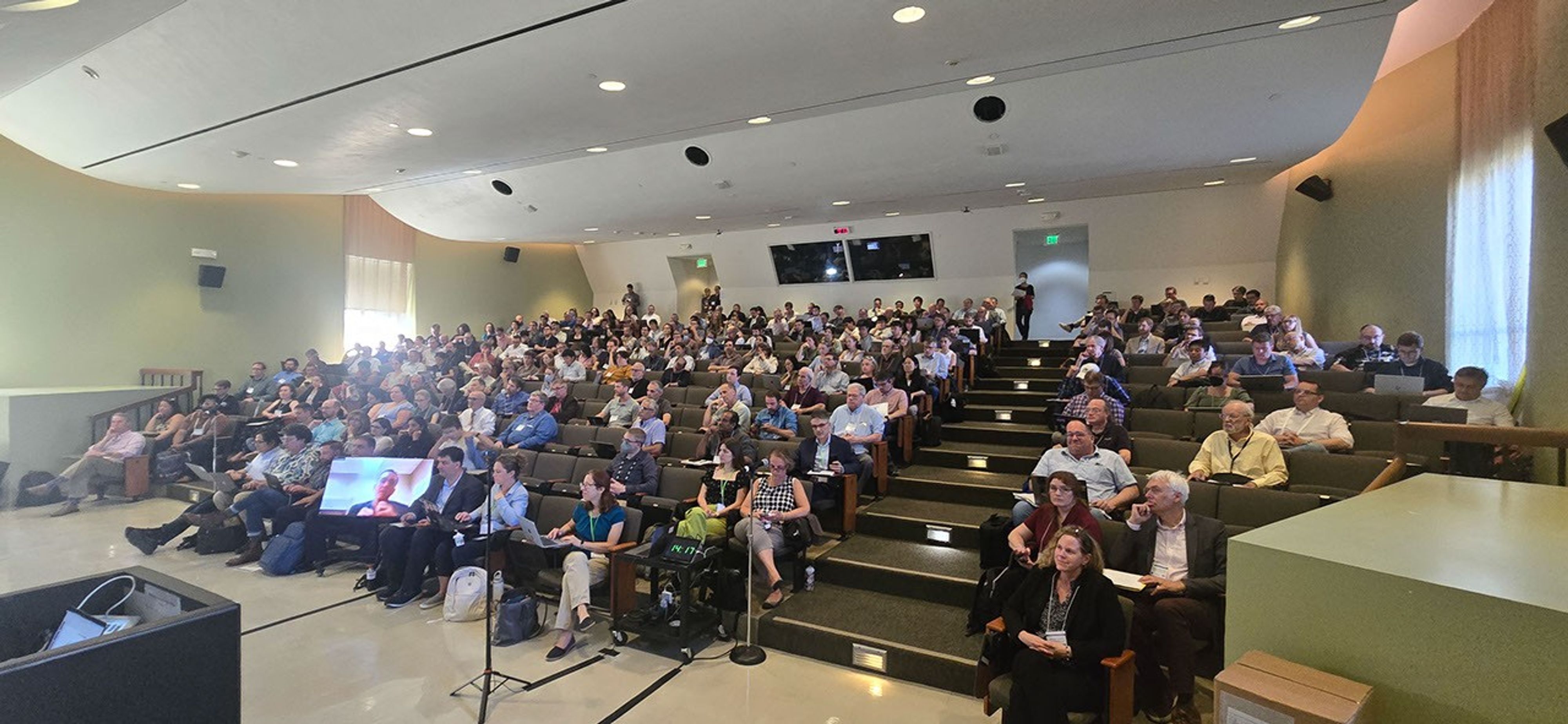
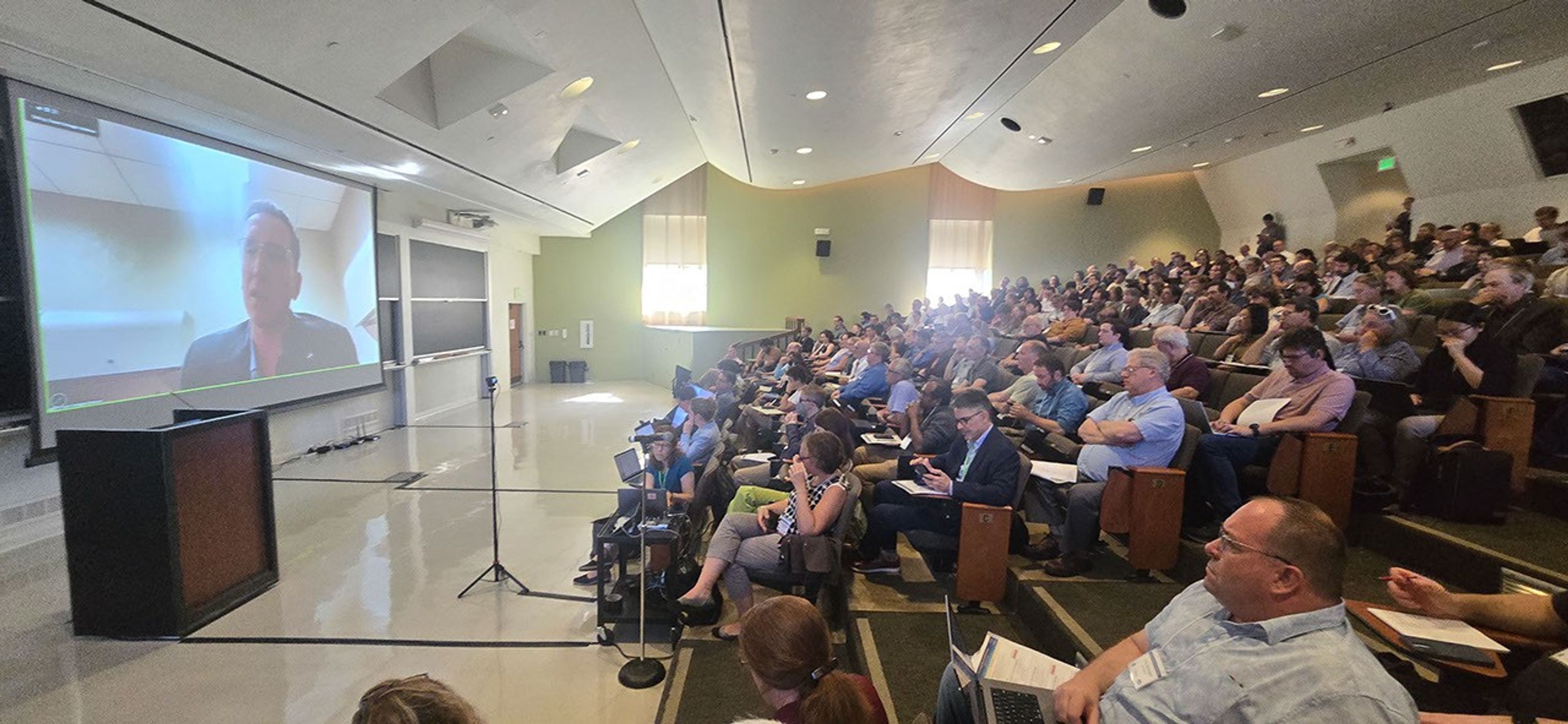
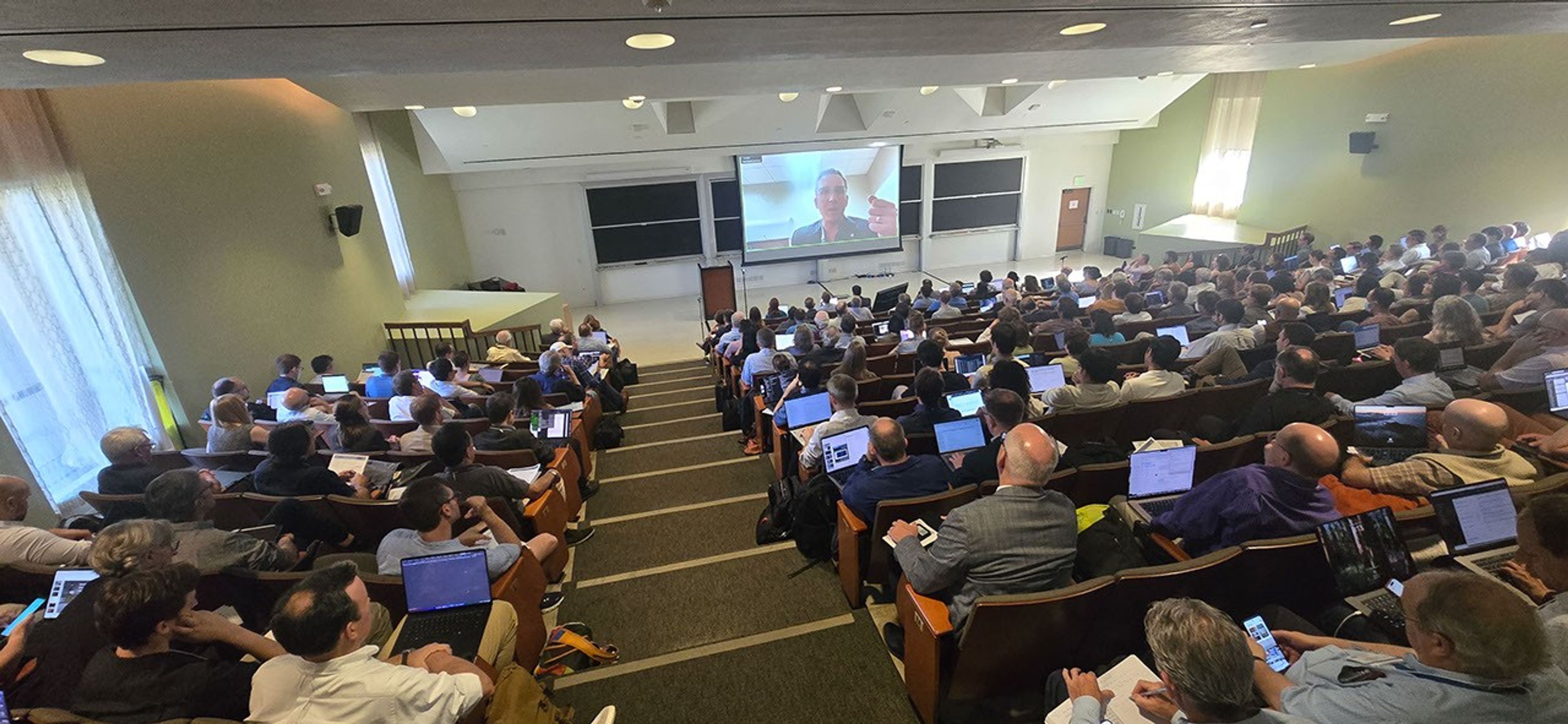
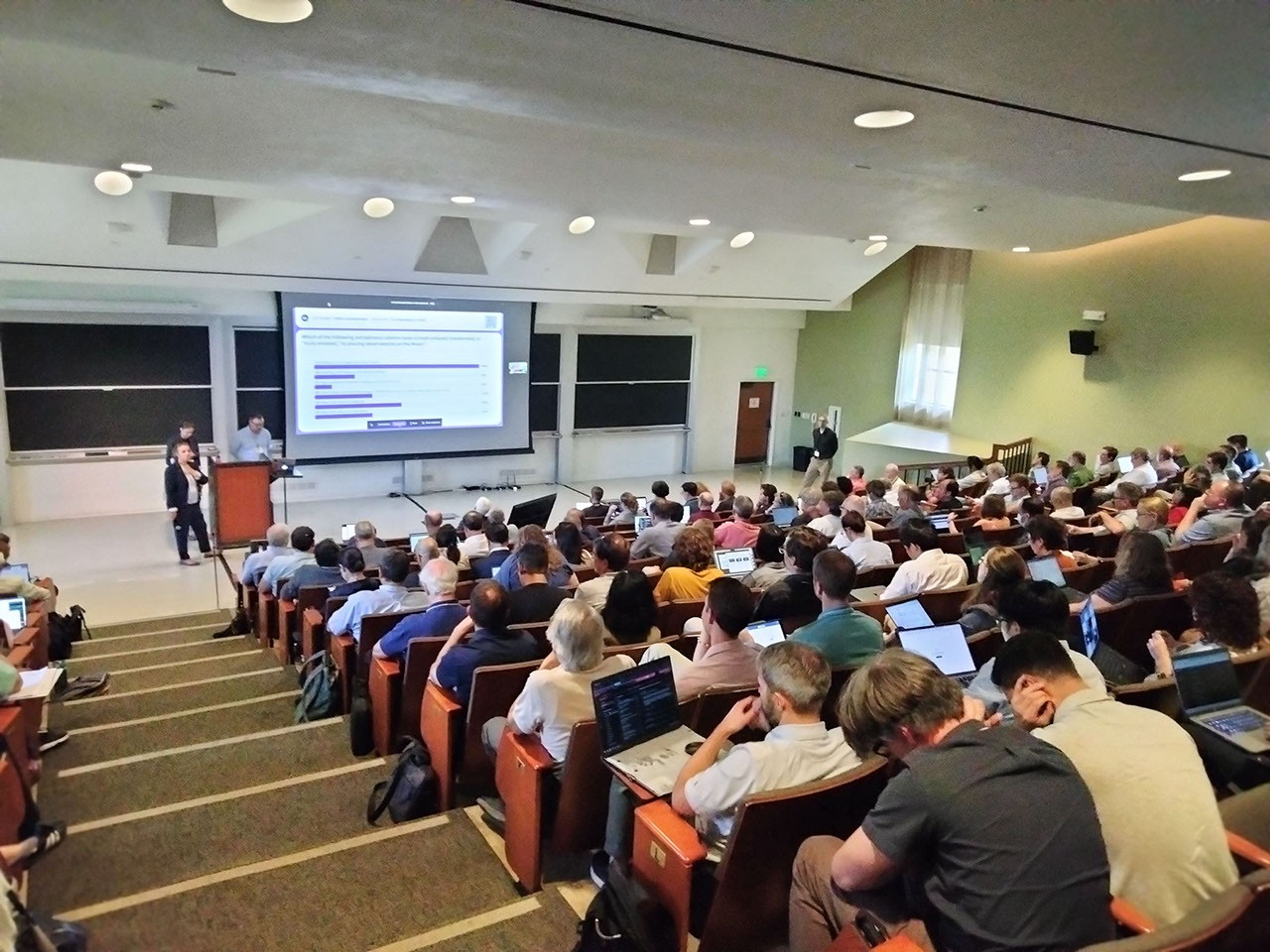
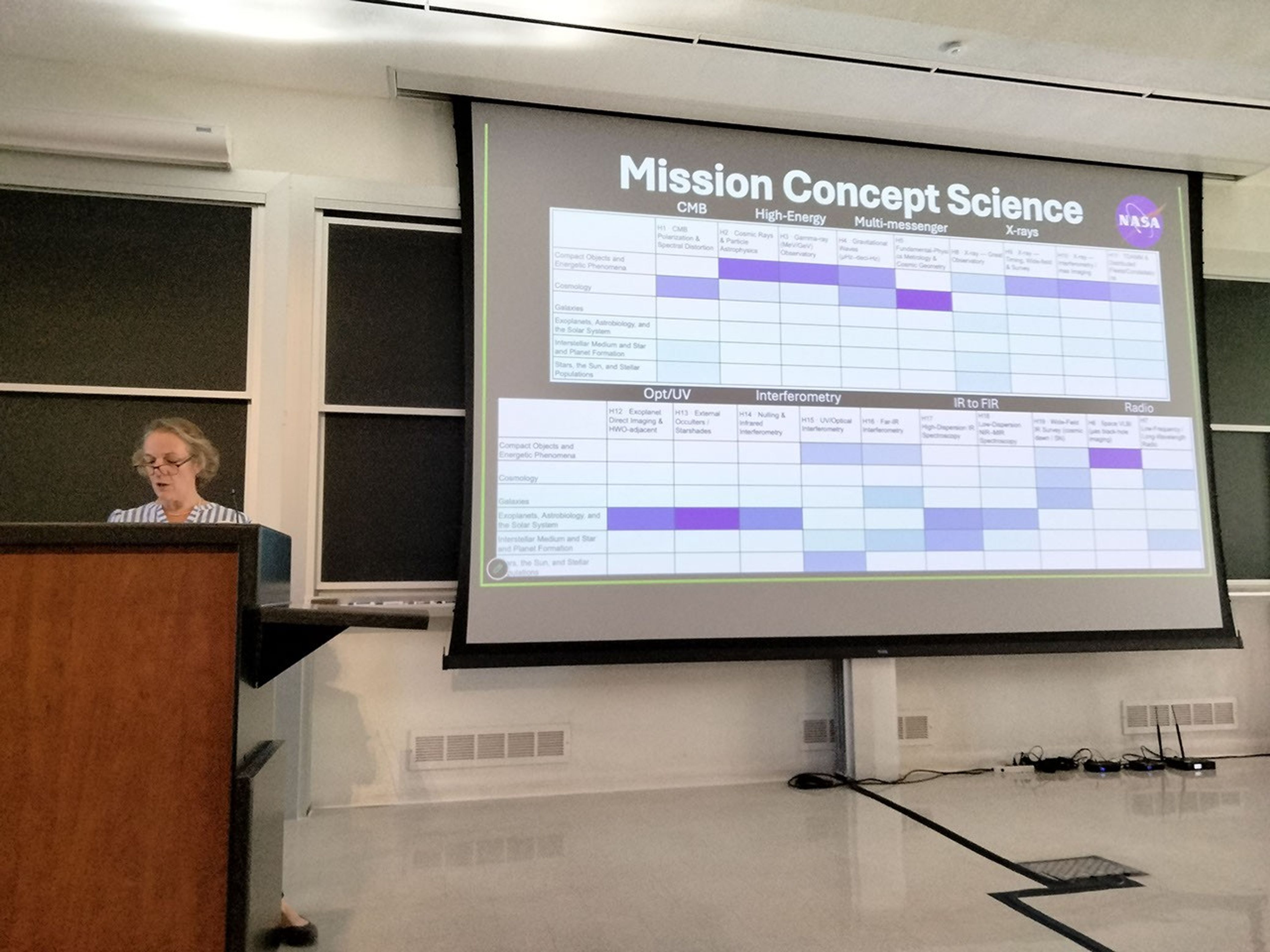
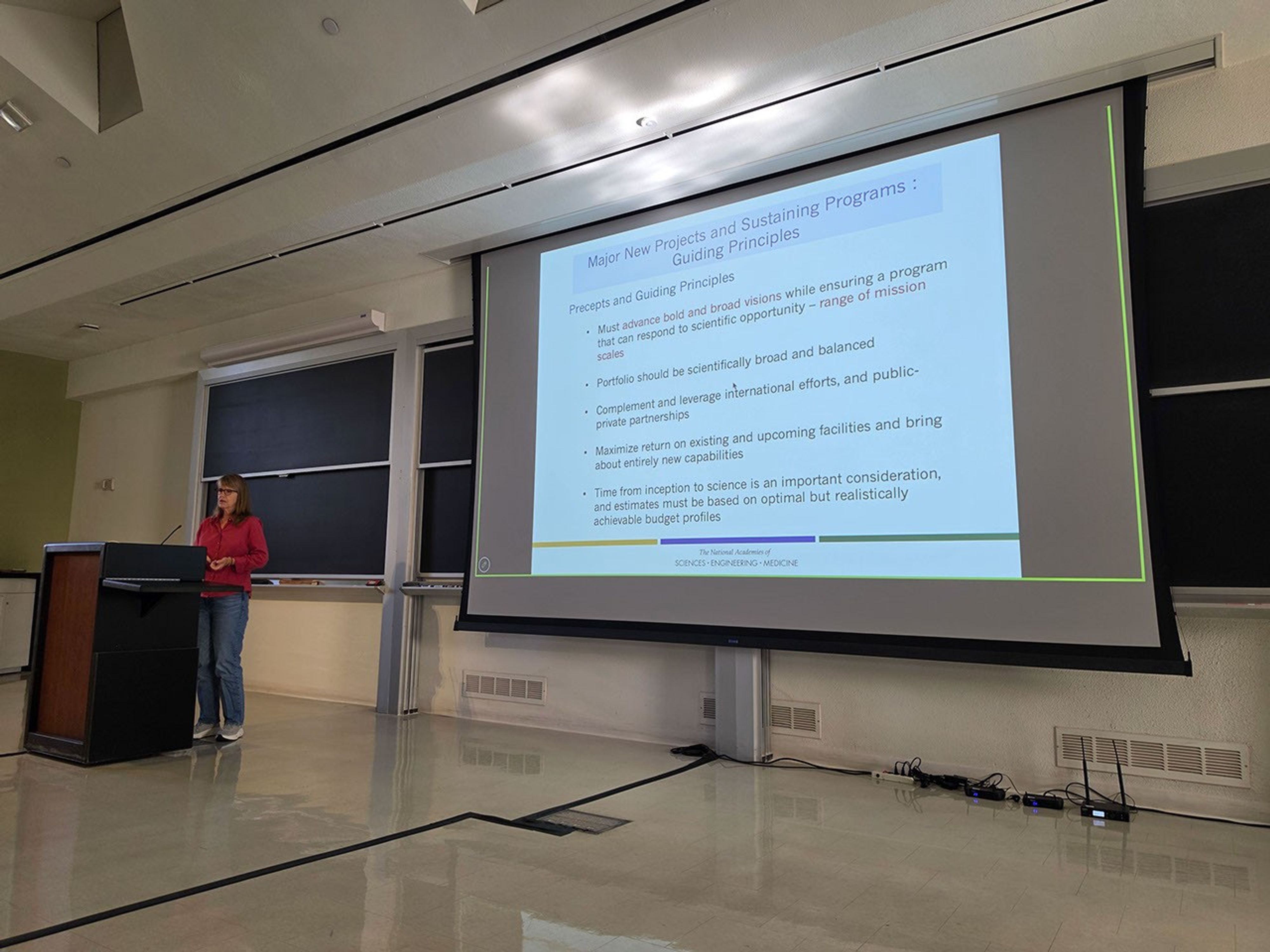
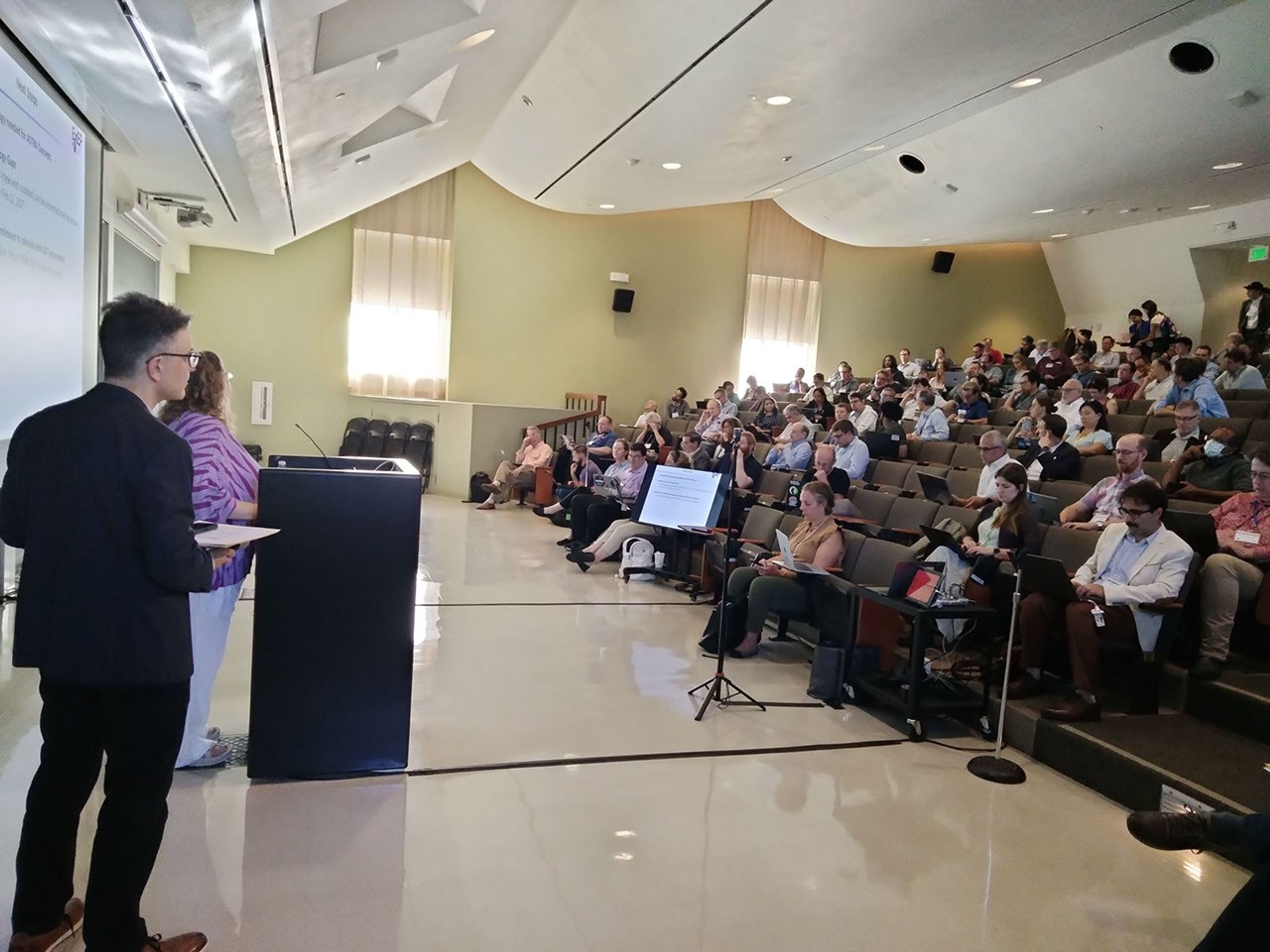
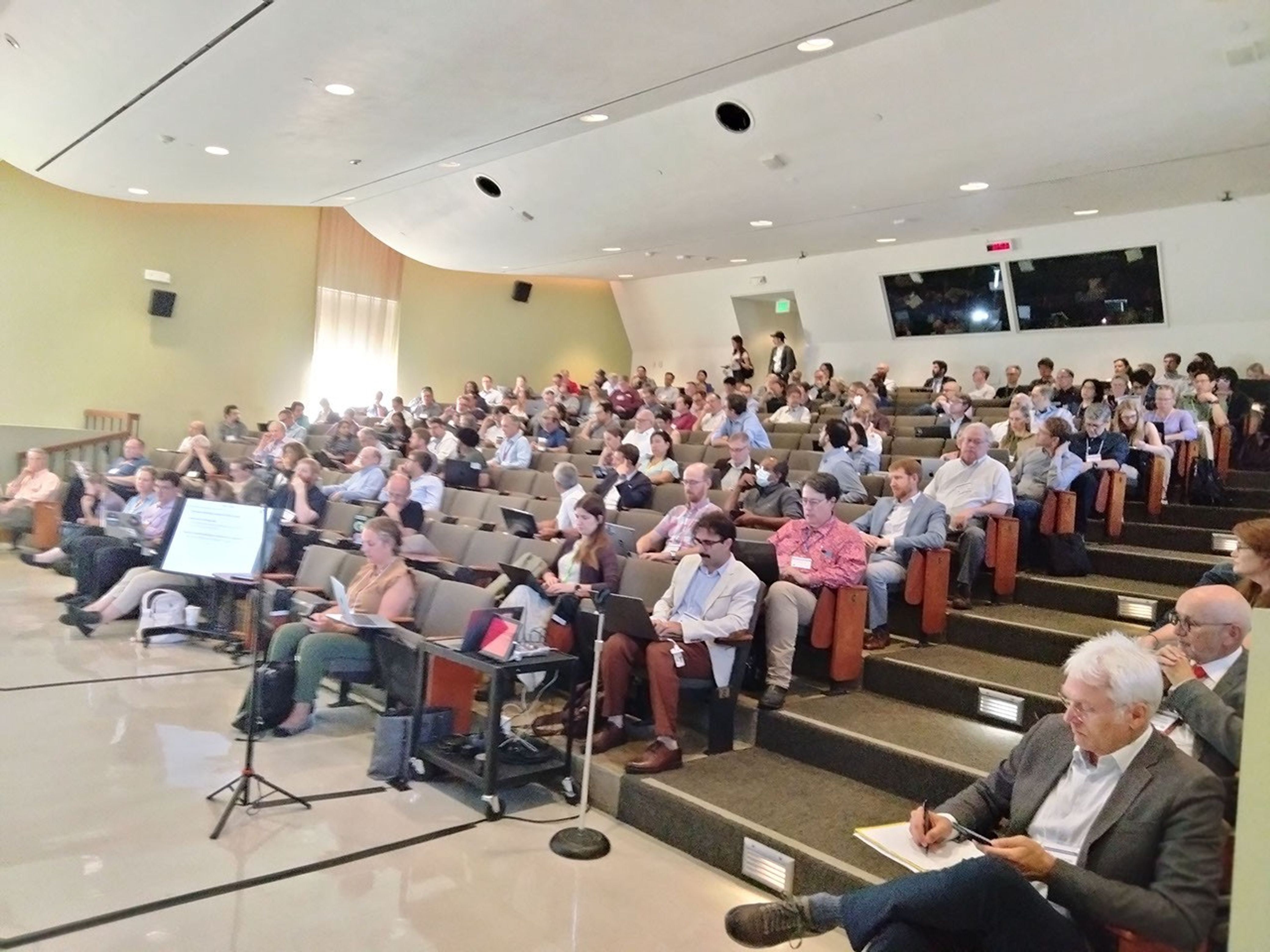
The workshop was held in Baxter Lecture Hall on the Caltech campus.
Location
Pasadena, California
& Virtual
Dates
1-3 September 2026
Community
Cosmic Origins
Type
Workshop
Community Science
Ad ASTRA Workshop
1-3 September 2026
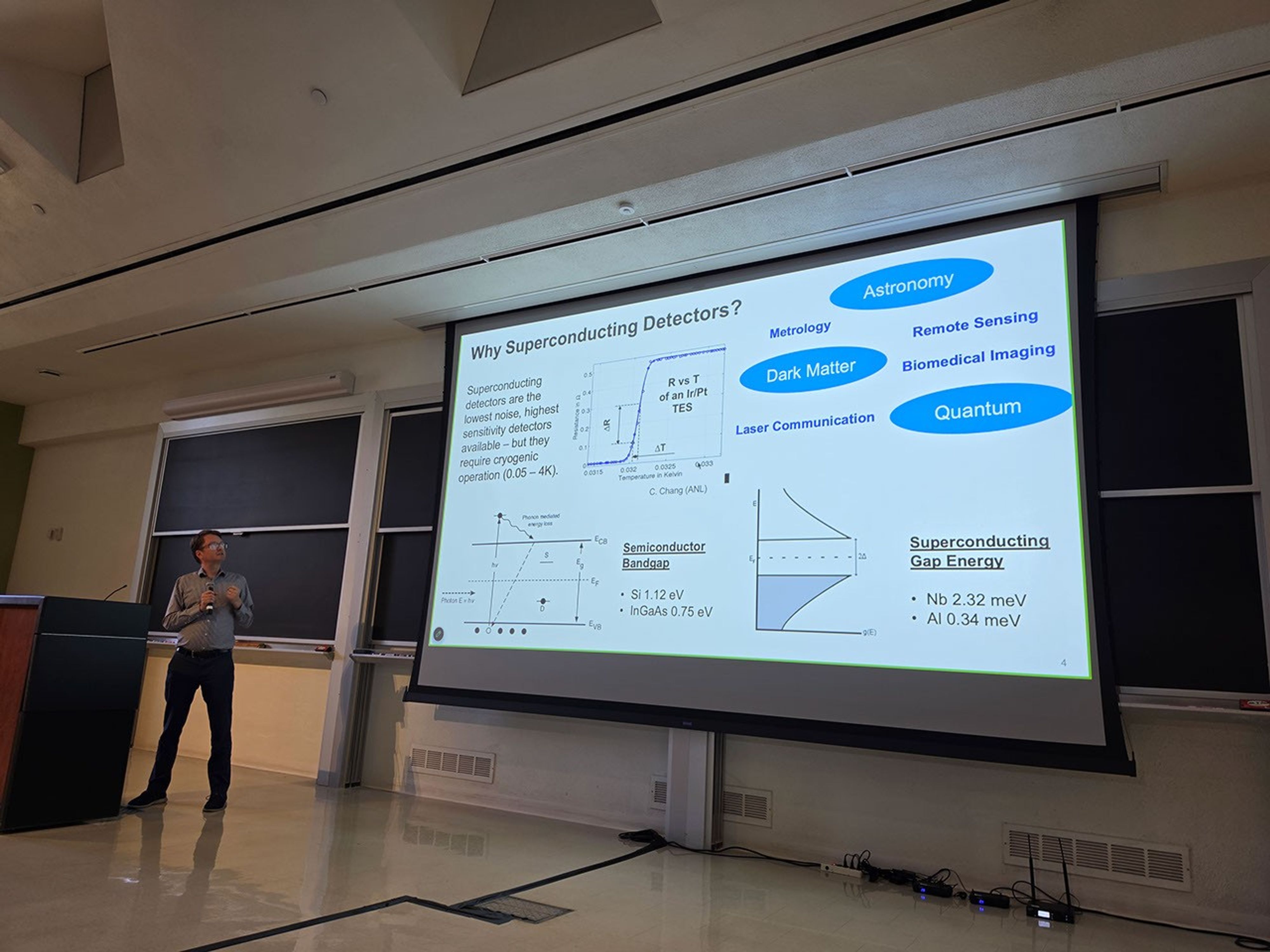
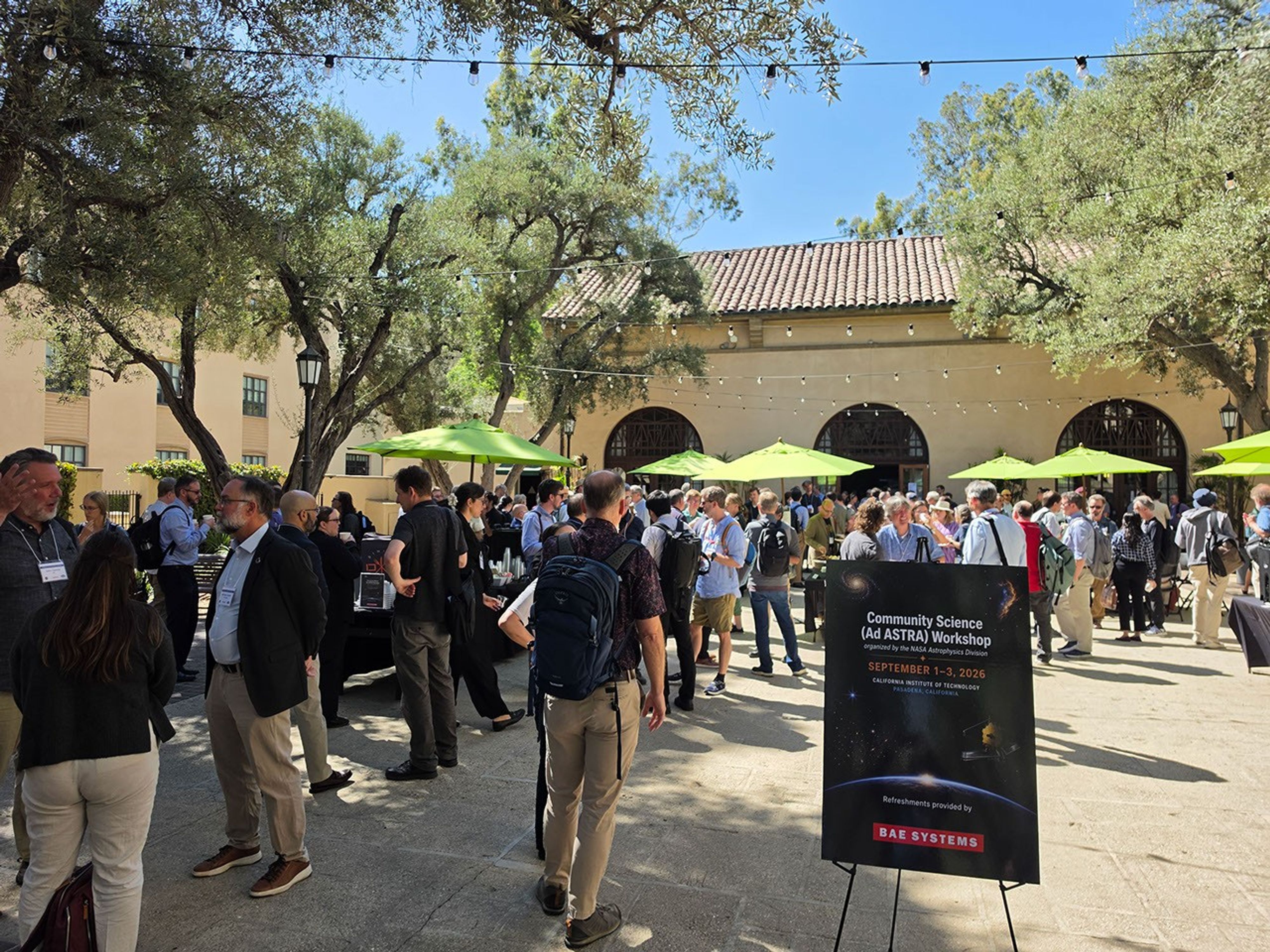
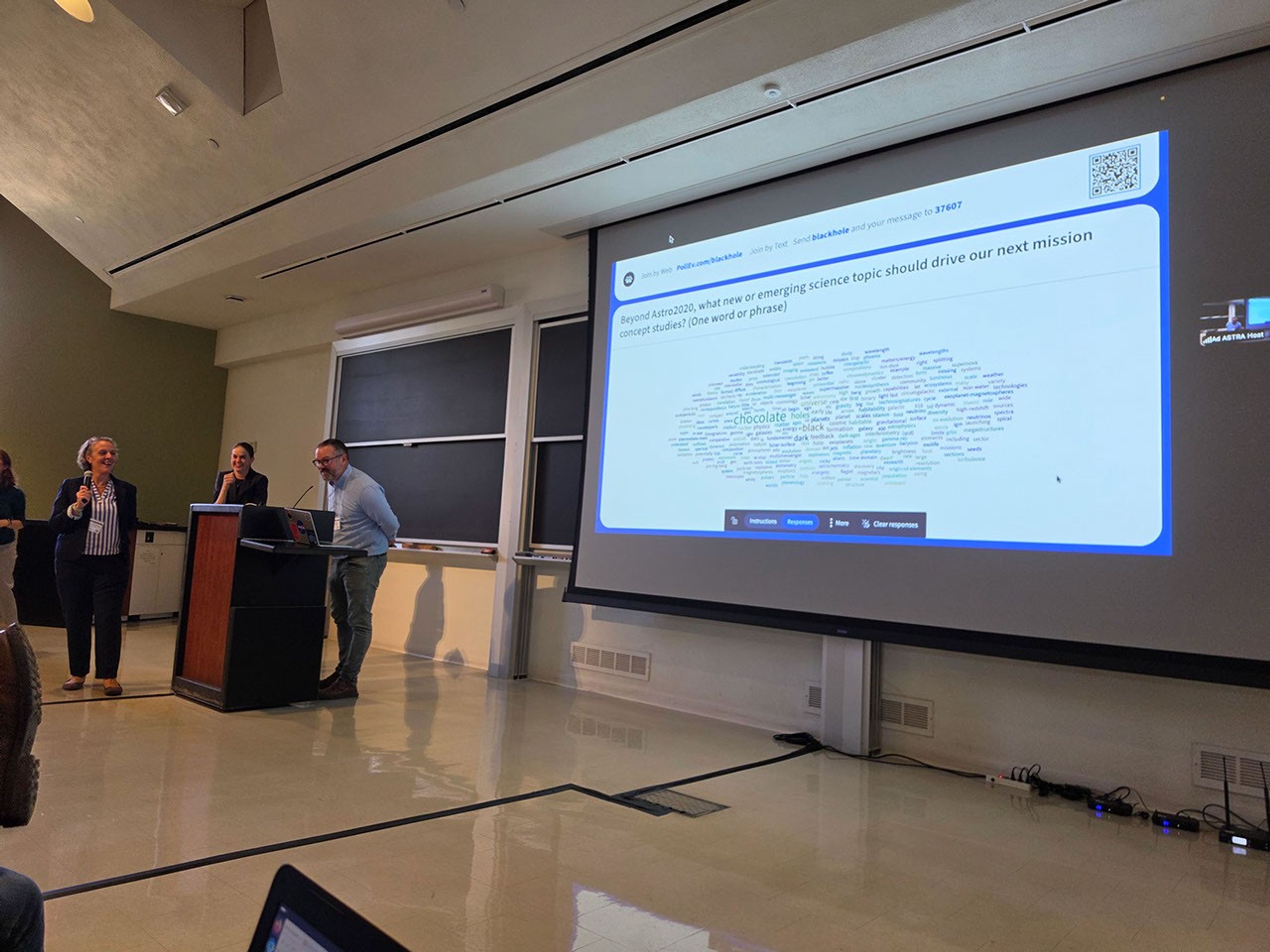
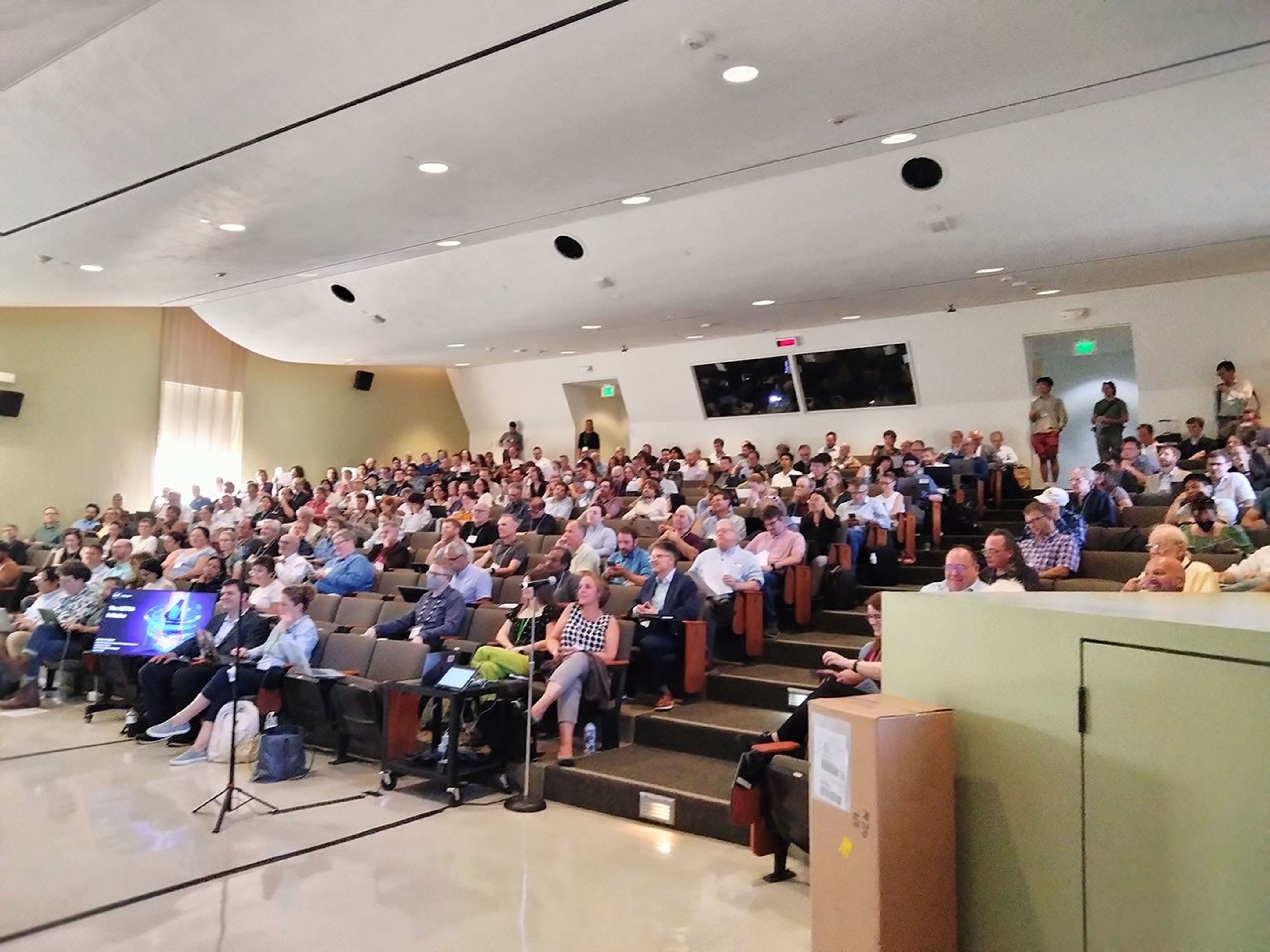
The Community Science (Ad ASTRA) Workshop was organized by the NASA Astrophysics Division, the NASA Astrophysics Program Offices, and the Infrared Processing and Analysis Center (IPAC). The workshop engaged the community in defining future large, strategic astrophysics missions. Structured over three thematic days—Science, Capabilities, and Missions—the workshop provided a comprehensive framework to connect scientific priorities with technological readiness and mission implementation. Over 450 people registered to attend the workshop, both in person and online.
The outcomes of the workshop will help NASA prioritize mission concepts and shape a balanced, forward-looking astrophysics portfolio. A summary of the workshop can be found in the Workshop Synthesis presentations of Day 3: Science and Technology .
Day 1
| Start | Agenda Item | Speaker | Session Chair | Presentations |
|---|---|---|---|---|
| 7:45 AM | Badge Pickup | |||
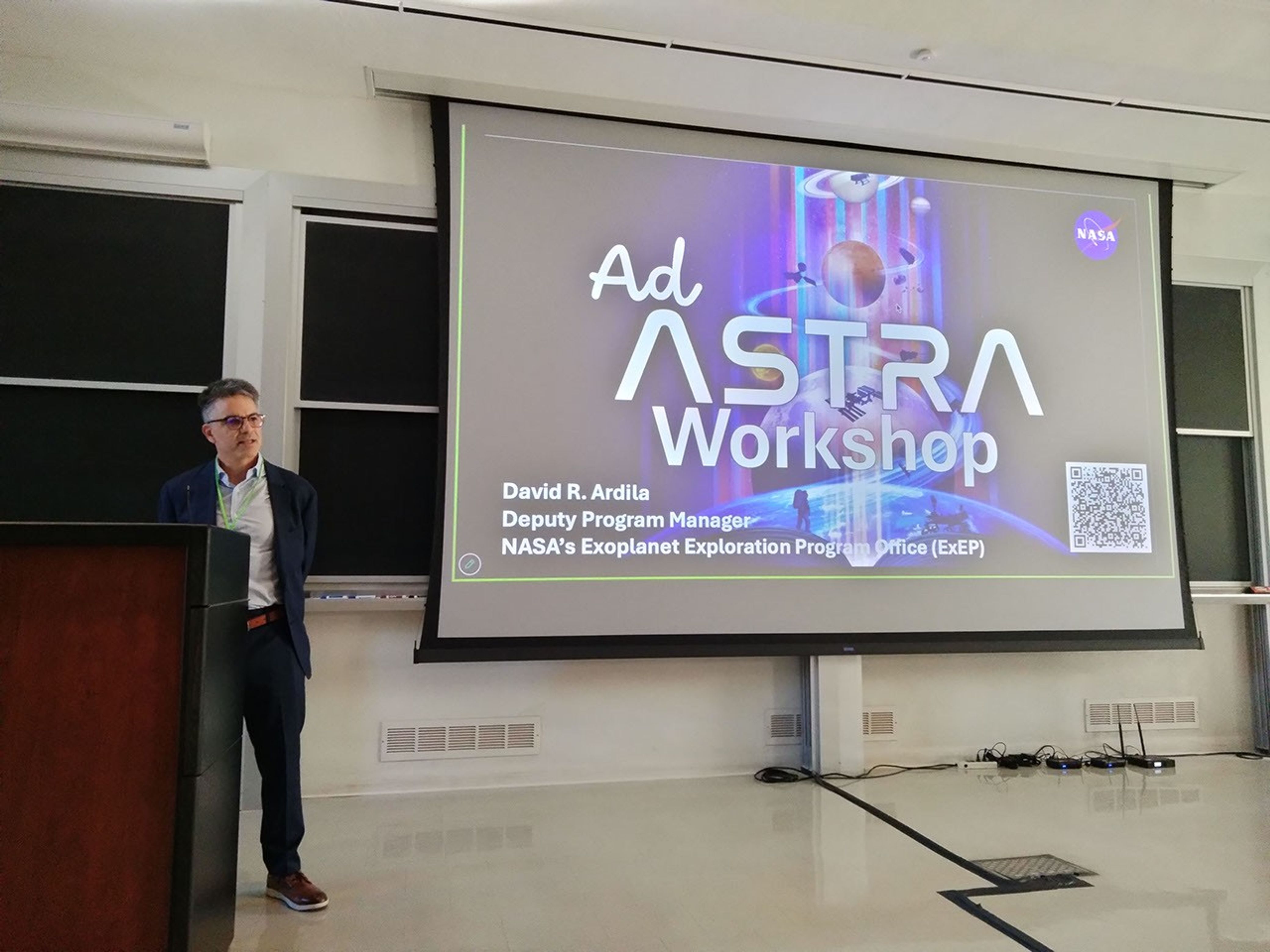
| 8:30 AM | Day 1 Plan for the Workshop: Deliverables and Mandate | David Ardila (ExEP / JPL) | Brian Humensky (Physics of the Cosmos / GSFC) | [PDF] [Recording] |
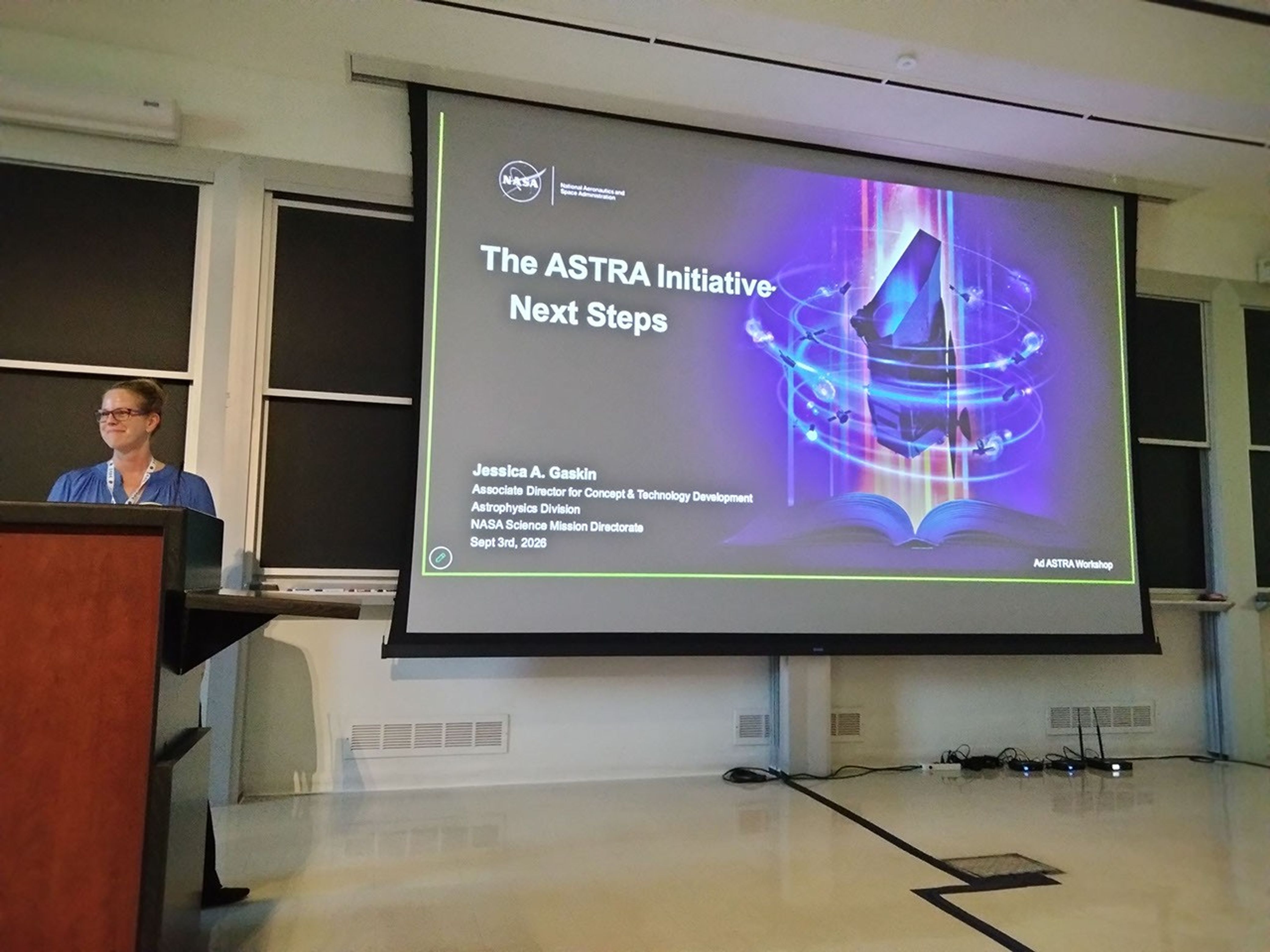
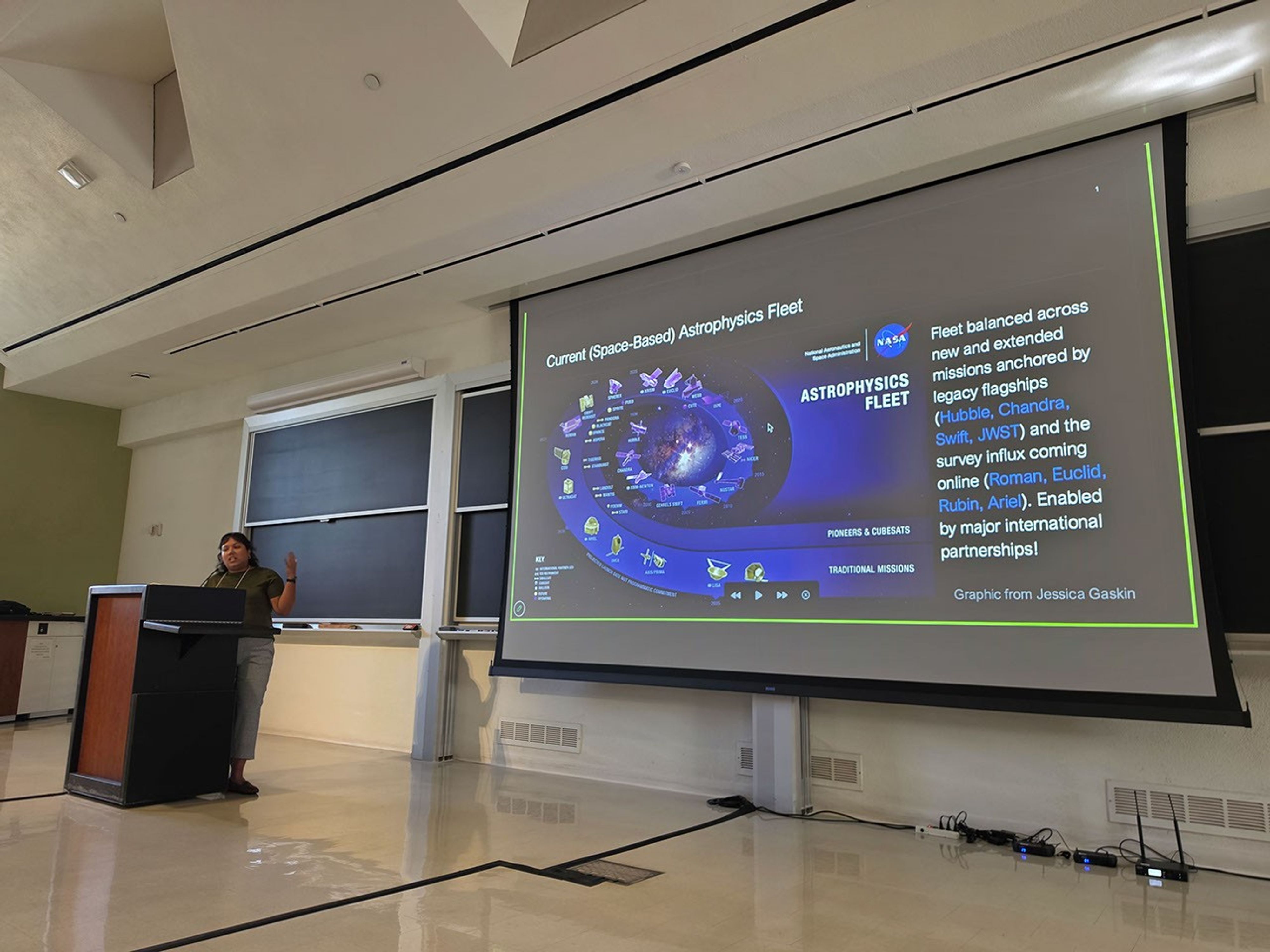
| 8:45 AM | Introduction to ASTRA | Shawn Domagal-Goldman, APD Director Jessica Gaskin, APD AD for Concept and Tech Development | [Recording] [PDF] [Recording] | |
| 9:05 AM | Concept Bins PhysPAG | Manel Errando (Wash U), PhysPAG EC Chair | [PDF] [Recording] | |
| 9:25 AM | Concept Bins COPAG | Shouleh Nikzad (JPL), COPAG EC Chair | [PDF] [Recording] | |
| 9:45 AM | Concept Bins ExoPAG | Ian Crossfield (Kansas U), ExoPAG EC Chair | [PDF] [Recording] | |
| 10:05 AM | Morning Break (Dabney Garden) + Poster Viewing (Dabney Hall) | |||
| 10:45 AM | Pressing Science Questions for Space Missions in the 2030s and Beyond. Parallel Breakout Sessions (details in drop down below) - Compact Objects and Energetic Phenomena - Cosmology - Galaxies - Exoplanets & Astrobiology - Stars and Stellar Populations | |||
| 12:15 PM | Lunch + Poster Viewing (Dabney Hall) | |||
| 1:45 PM | Pressing Science Questions for Space Missions in the 2030s and Beyond Parallel Breakout Sessions (details in drop down below) - Compact Objects and Energetic Phenomena - Cosmology - Galaxies - Exoplanets & Astrobiology - Stars and Stellar Populations | |||
| 3:15 PM | Afternoon Break (Dabney Garden) + Poster Viewing (Dabney Hall) | |||
| 4:00 PM | Pressing Science Questions for Space Missions in the 2030s and Beyond Parallel Breakout Sessions (details in drop down below) - Compact Objects and Energetic Phenomena - Cosmology - Galaxies - Exoplanets & Astrobiology - Stars and Stellar Populations | |||
| 5:00 PM | Return to Plenary | |||
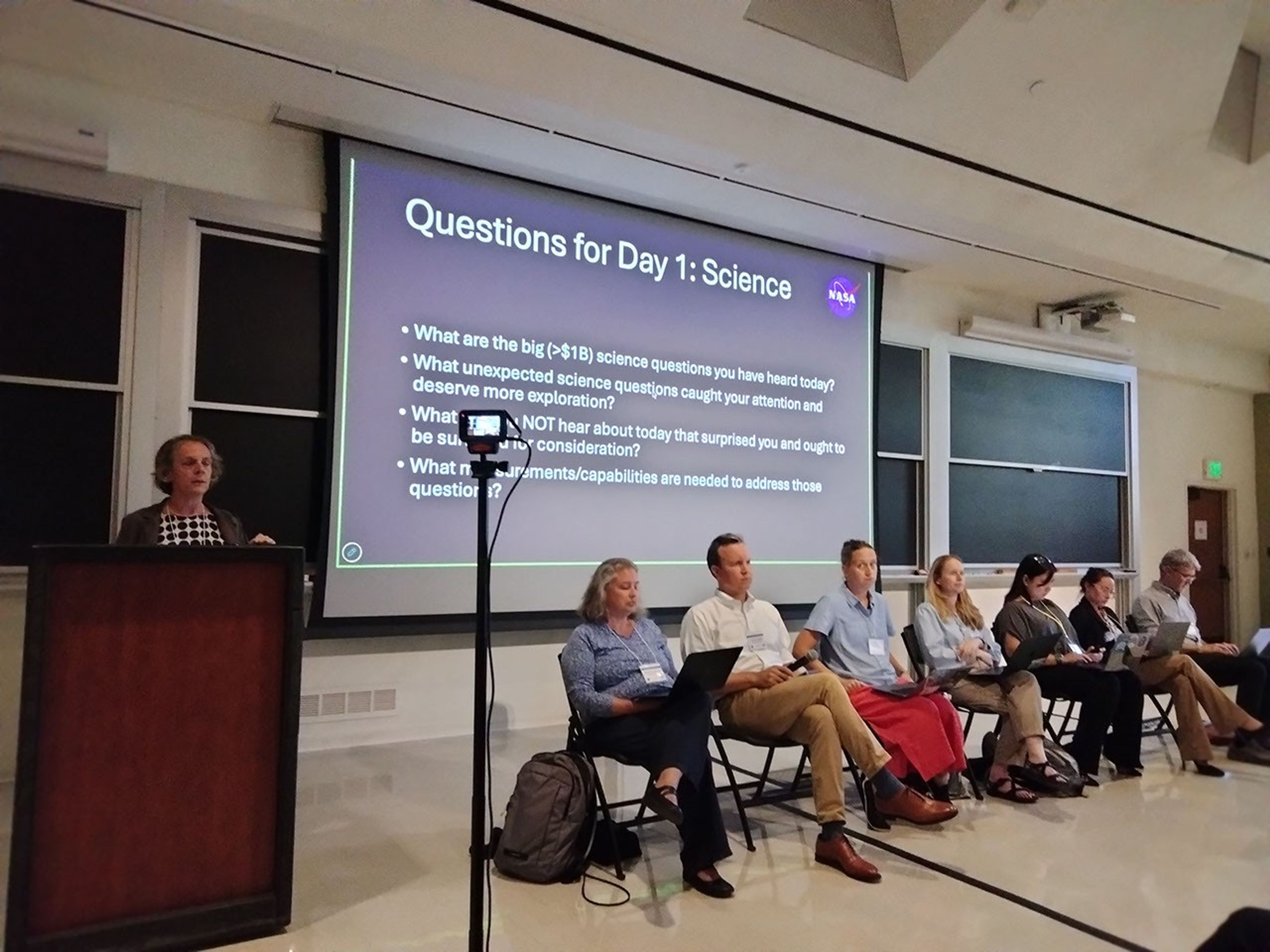
| 5:15 PM | Synthesis Panel on Pressing Science Questions for Space Missions in the 2030s and Beyond | Breakout Session Moderators | Francesca Civano (Physics of the Cosmos / GSFC) | [Recording] |
| 6:15 PM | Opening Reception (Dabney Garden) + Poster Viewing (Dabney Hall) | |||
| 7:45 PM | Adjourn |
Day 2
| Start | Agenda Item | Speaker | Session Chair | Presentations |
|---|---|---|---|---|
| 8:30 AM | Day 2 Plan for the Workshop: Deliverables and Mandate | Peter Kurczynski (Cosmic Origins / GSFC) | David Ardila (ExEP / JPL) | [PDF] [Recording] |
| 8:40 AM | Innovation Workshop Summary | Innovation Workshop SOC speaker | [PDF] [Recording] | |
| 8:50 AM | NASA Strategic Technology Gaps | Rhonda Morgan (ExEP/JPL) | [PDF] [Recording] | |
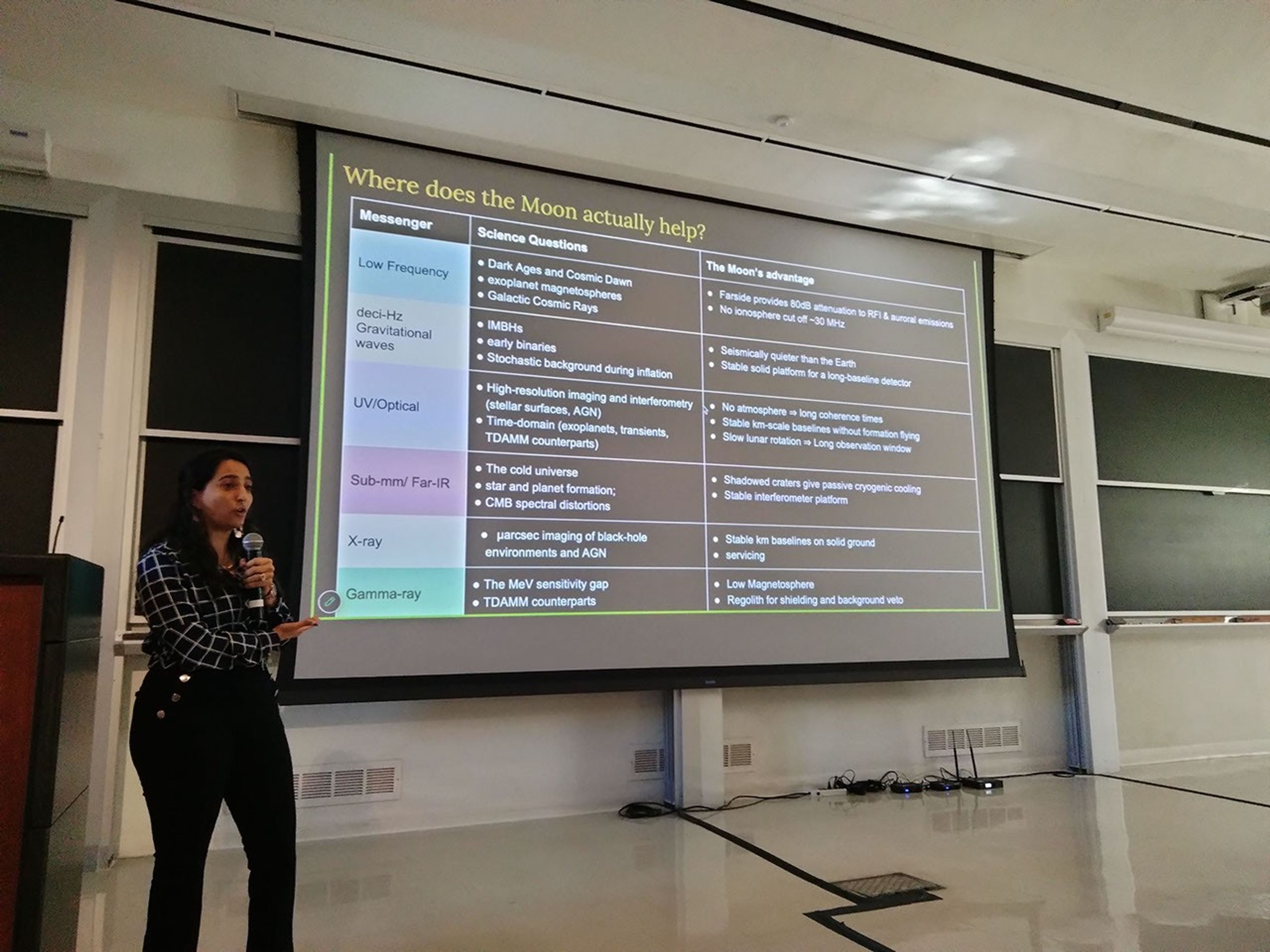
| 9:00 AM | Technology - The Moon as an Astrophysics Platform | Nivedita Mahesh (UC Boulder) | [PDF] [Recording] | |
| 9:20 AM | Technology - Astrophysics Enabled by Bigger Launch Capability | Martin Elvis (CfA) | [PDF] [Recording] | |
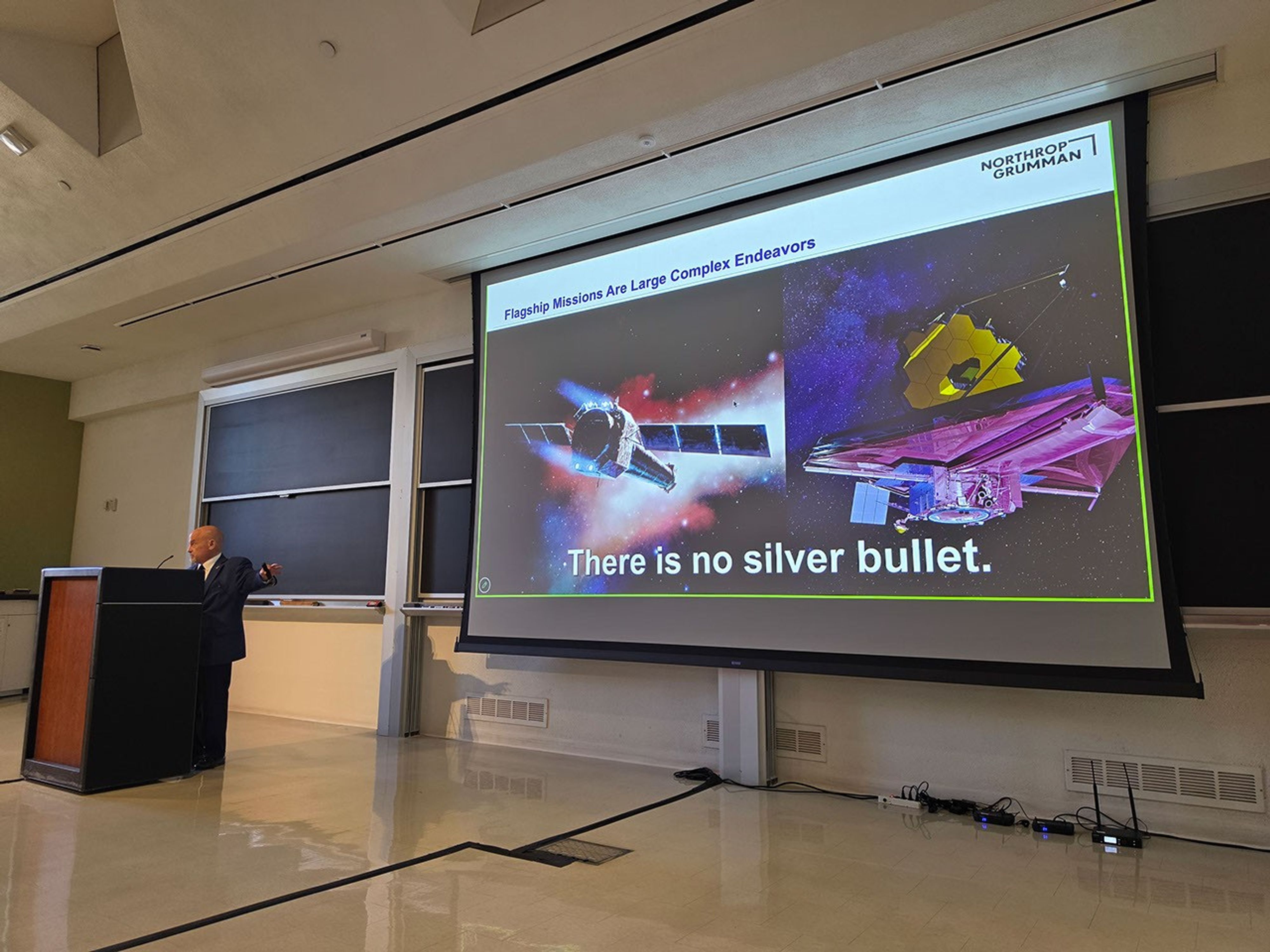
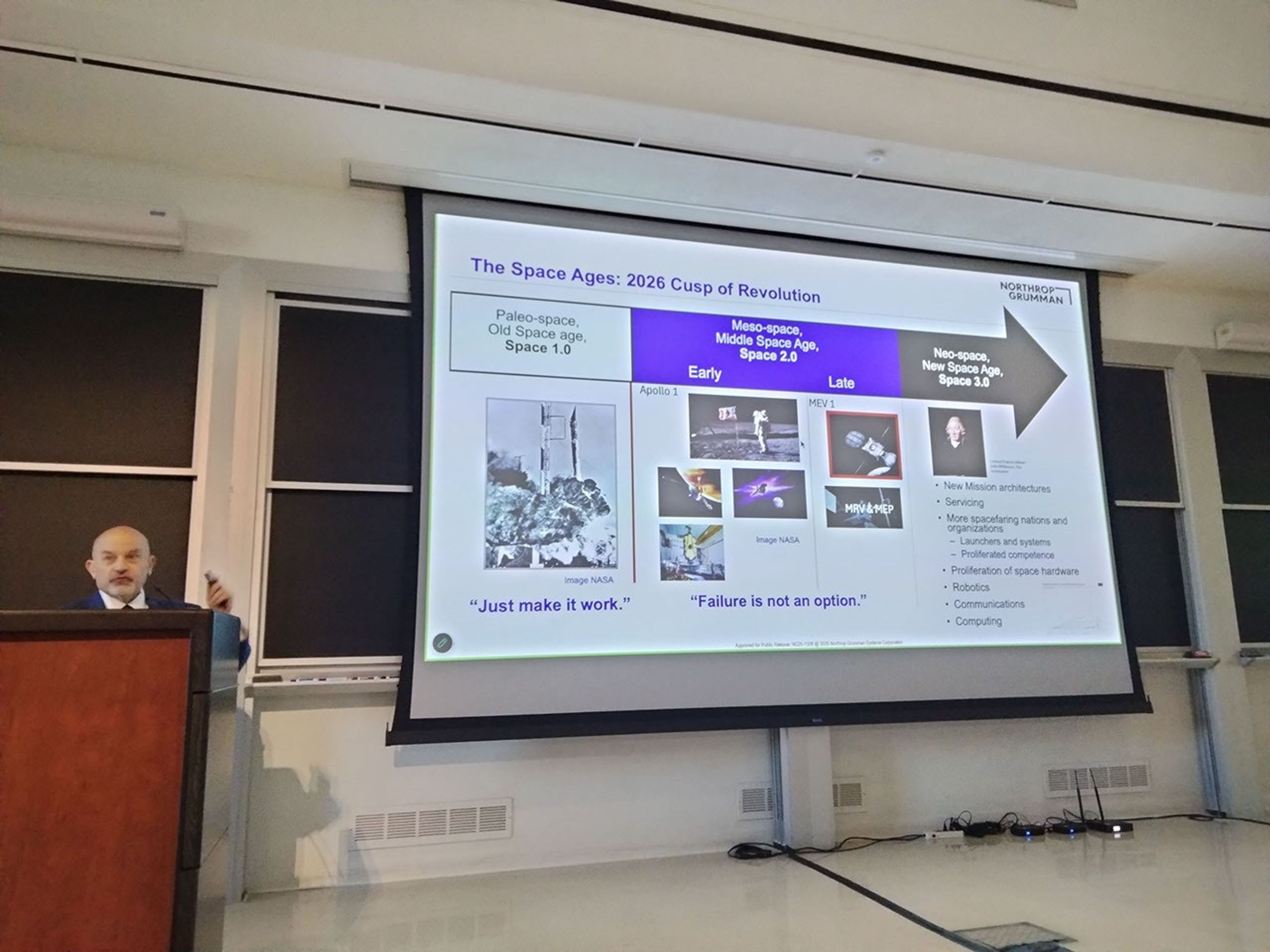
| 9:40 AM | Technology - Is Mission Disaggregation a Viable Option for Astrophysics Missions? | Jon Arenberg (Northrop-Grumman) | [PDF] [Recording] | |
| 10:00 AM | Technology -The Future of Satellite Communications Infrastructure for Astrophysics Missions | Aaron Smith (NASA / GRC) | [PDF] [Recording] | |
| 10:20 AM | Morning Break (Dabney Garden) + Poster Viewing (Dabney Hall) | |||
| 10:50 AM | Emerging Technologies - Intro | Rhonda Morgan (ExEP/JPL) | Brian Humensky (Physics of the Cosmos / GSFC) | [PDF] [Recording] |
| 11:00 AM | Photonics for Future Observatories: Miniaturized, Stable, and Scalable Instrumentation for Space Astrophysics | Nemanja Jovanovic (Caltech) | [PDF] [Recording] | |
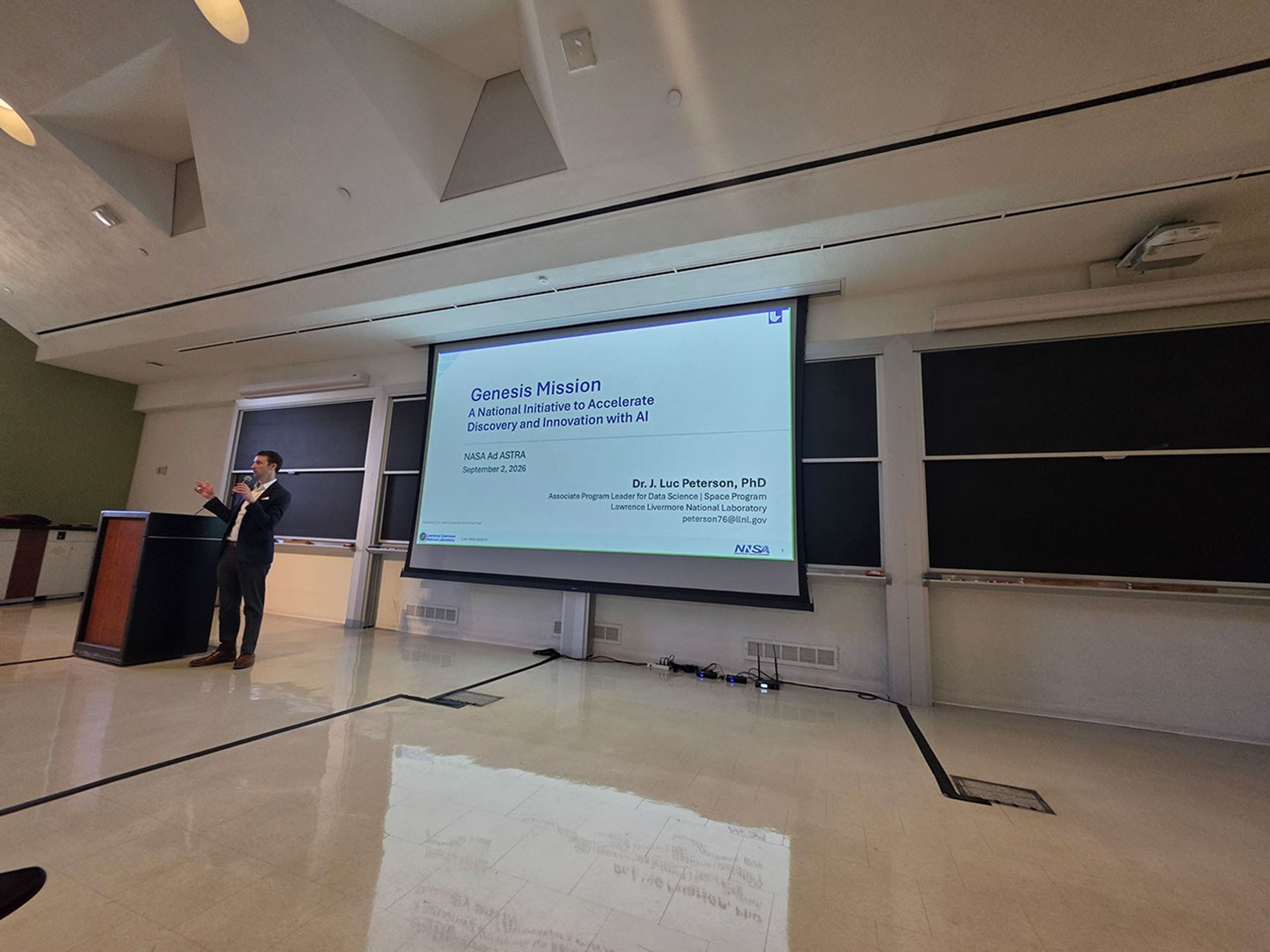
| 11:20 AM | Genesis Mission: A National Initiative to Accelerate Discovery and Innovation with AI | Luc Peterson (LLNL) | [PDF] [Recording] | |
| 11:40 AM | Quantum Sensors | Matt Shaw (JPL) | [PDF] [Recording] | |
| 12:00 PM | Lunch + Poster Viewing (Dabney Hall) | |||
| 1:30 PM | Astrophysics Technology: Capabilities Needed Parallel Breakout Sessions (details in drop down below): What are the capabilities needed (including hardware and software) for each science question? What are the technology gaps and development paths and timescales to them? | Contributed presentations from community members (TBA after abstract selection) | ||
| 3:00 PM | Afternoon Break (Dabney Garden) + Poster Viewing (Dabney Hall) | |||
| 3:45 PM | Astrophysics Technology: Capabilities Needed Parallel Breakout Sessions (details in drop down below): What are the capabilities needed (including hardware and software) for each science question? What are the technology gaps and development paths and timescales to them? | Contributed presentations from community members (TBA after abstract selection) | ||
| 5:15 PM | Short Break to Reconvene into Plenary | |||
| 5:30 PM | Synthesis Panel to Summarize the Breakout Sessions on Capabilities | Breakout Session Moderators | Francesca Civano (Physics of the Cosmos / GSFC) | [Recording] |
| 6:30 PM | Adjourn |
Day 3
| Start | Agenda Item | Speaker | Session Chair | Presentations |
|---|---|---|---|---|
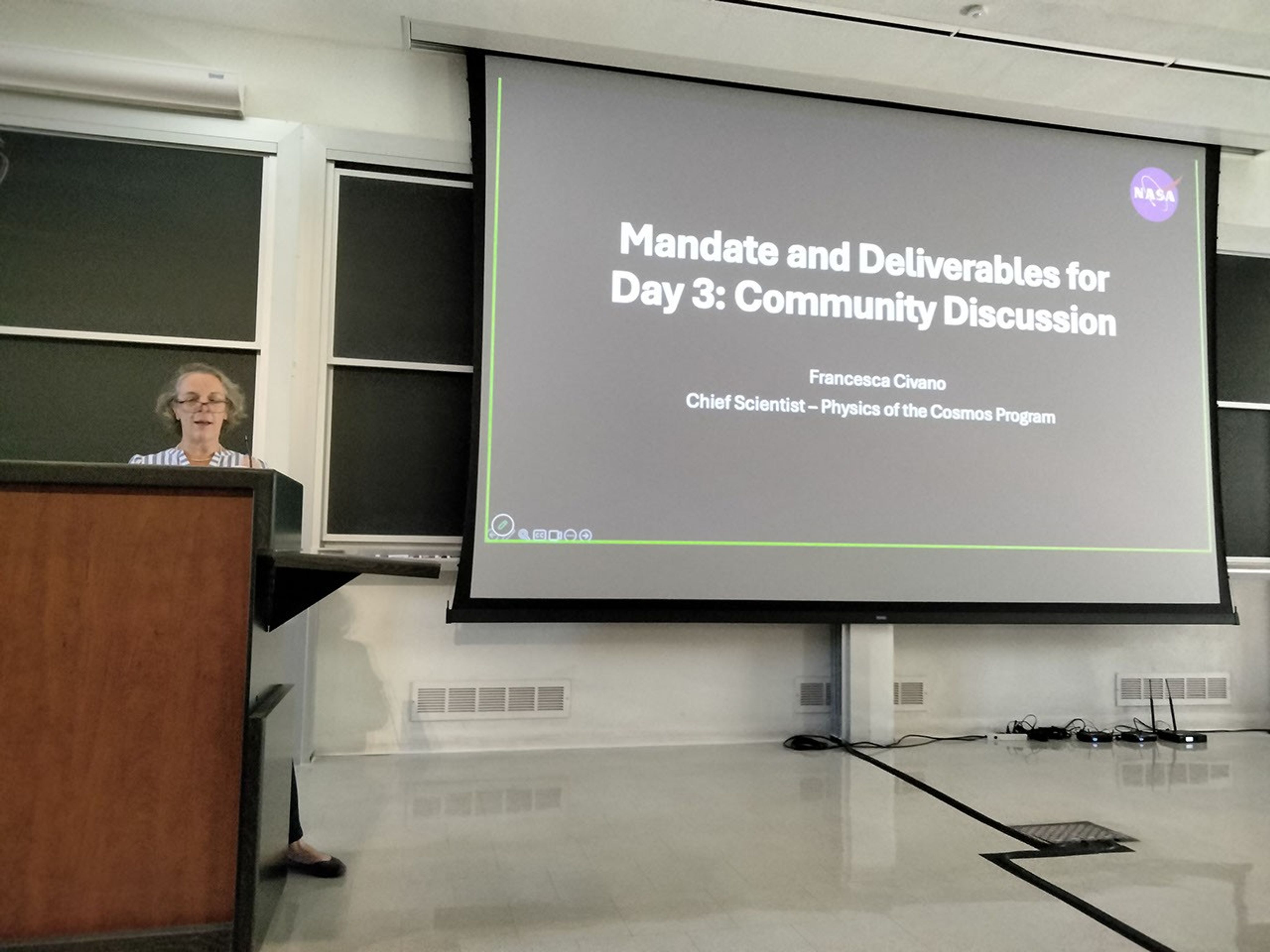
| 8:30 AM | Day 3 Plan for the Workshop: Deliverables and Mandate | Francesca Civano (Physics of the Cosmos / GSFC) | Peter Kurczynski (Cosmic Origins / GSFC) | [PDF] [Recording] |
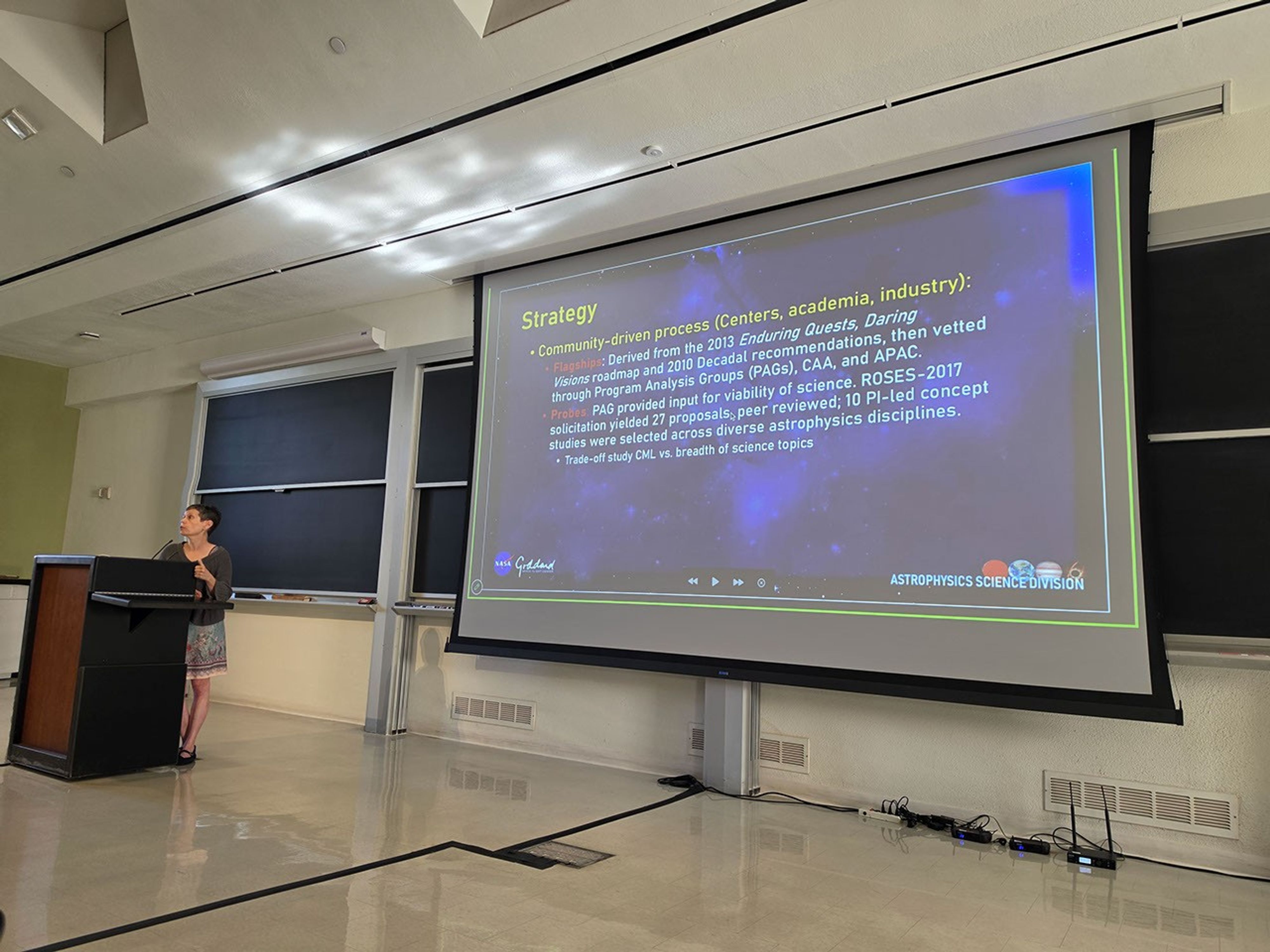
| 8:40 AM | The Large Mission Studies: What Worked and What Didn't | Rita Sambruna (GSFC) | [PDF] [Recording] | |
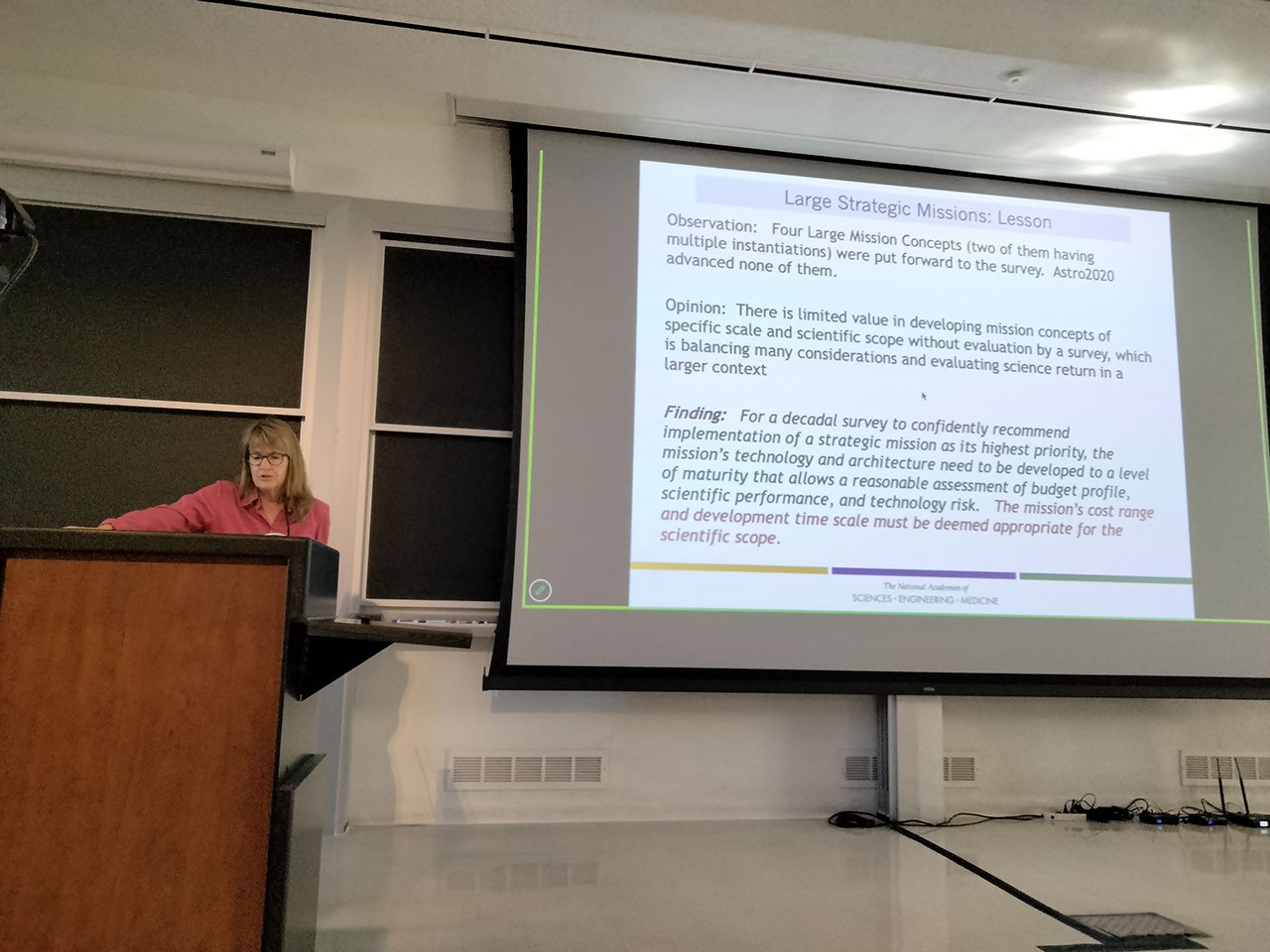
| 9:00 AM | Lessons Learned from the Last Decadal | Fiona Harrison (Caltech) | [PDF] [Recording] | |
| 9:20 AM | Ground- and Space-Based Astronomy in the 2030s/2040s | Tiffany Kataria (JPL) | [PDF] [Recording] | |
| 9:40 AM | Morning Break (Dabney Garden) + Poster Viewing (Dabney Hall) | |||
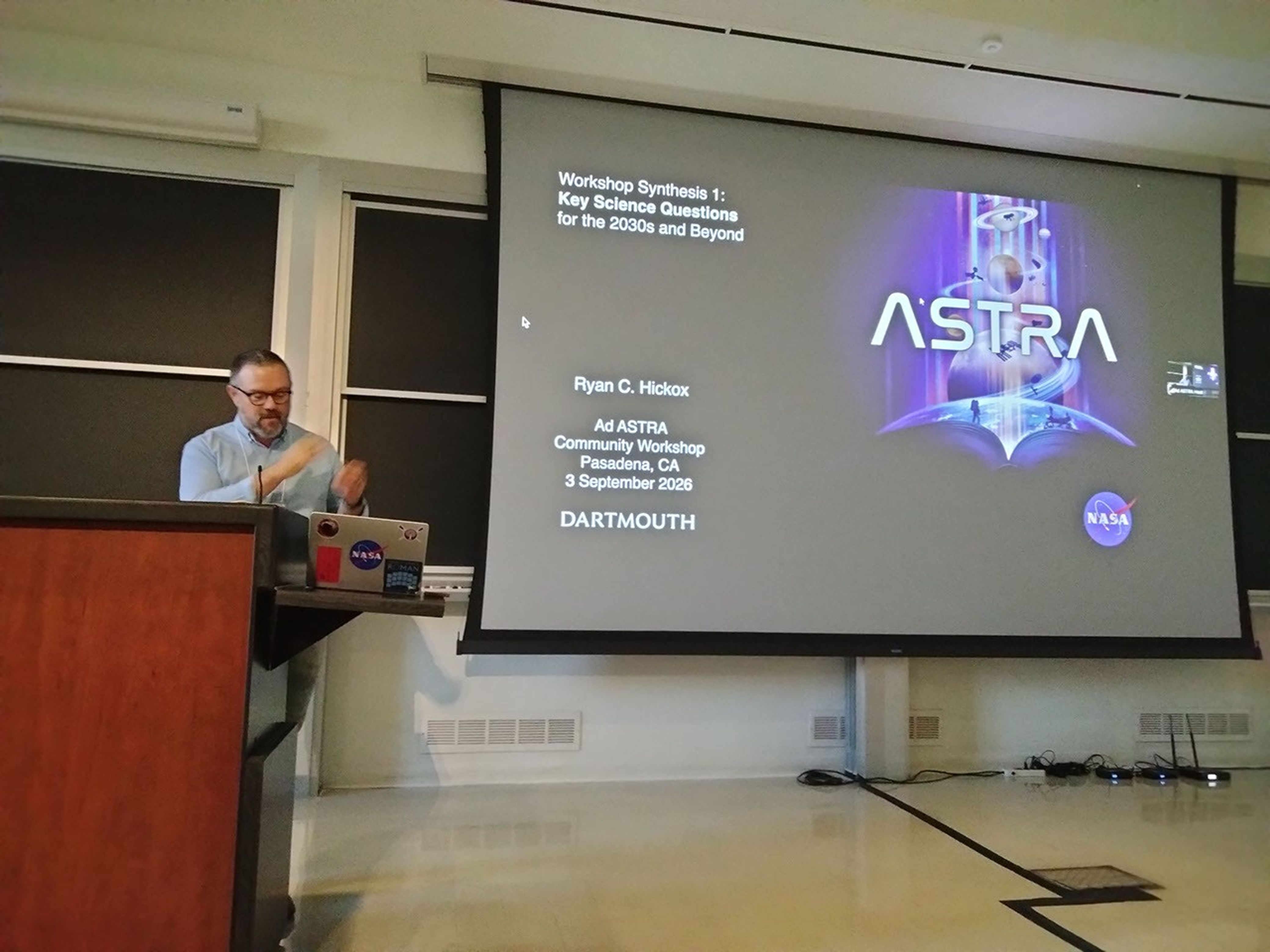
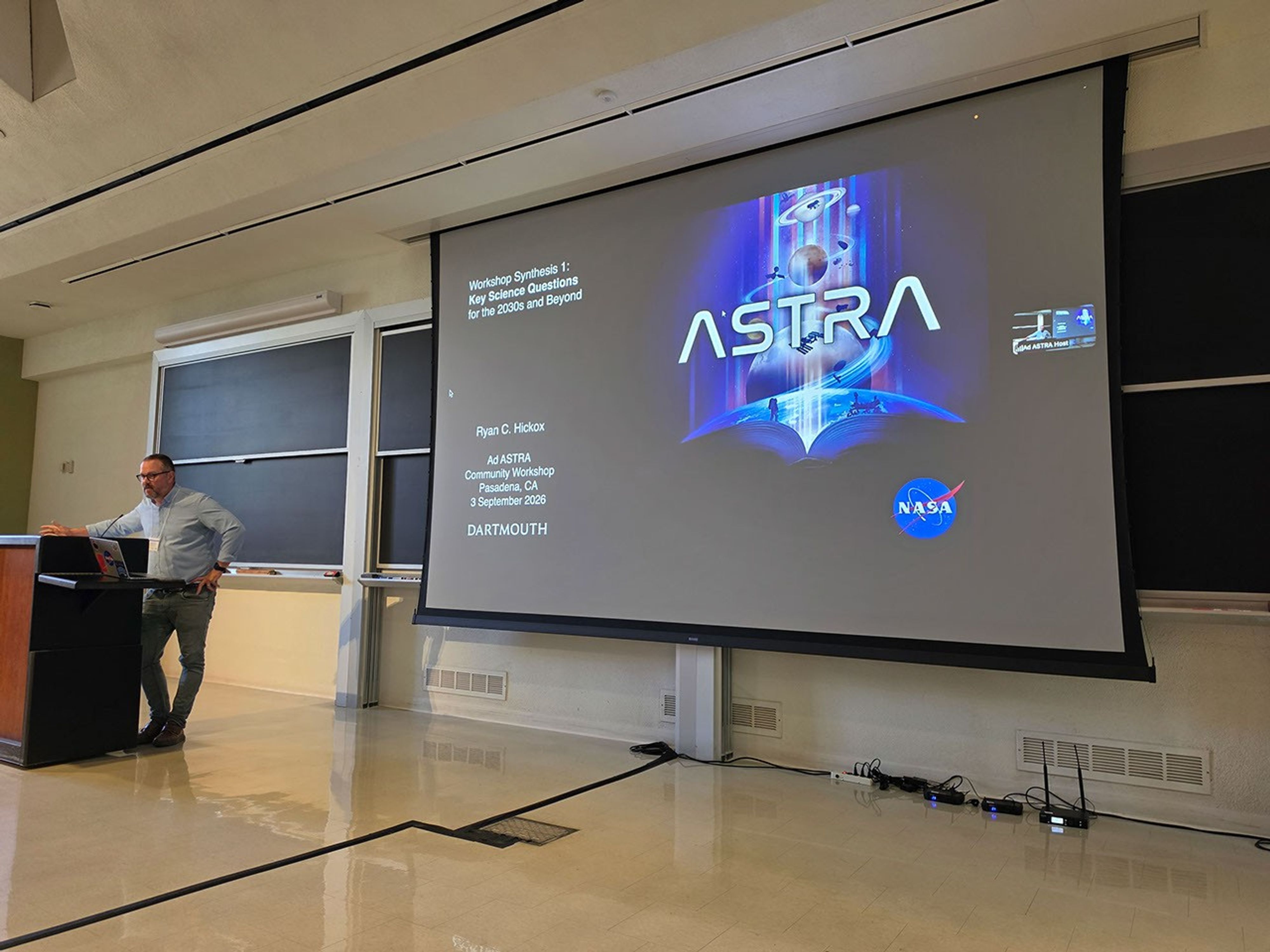
| 10:20 AM | Workshop Synthesis 1: Key Science Questions for the 2030s and Beyond | Ryan Hickox (Darmouth) | Francesca Civano (Physics of the Cosmos / GSFC) | [PDF] [Recording] |
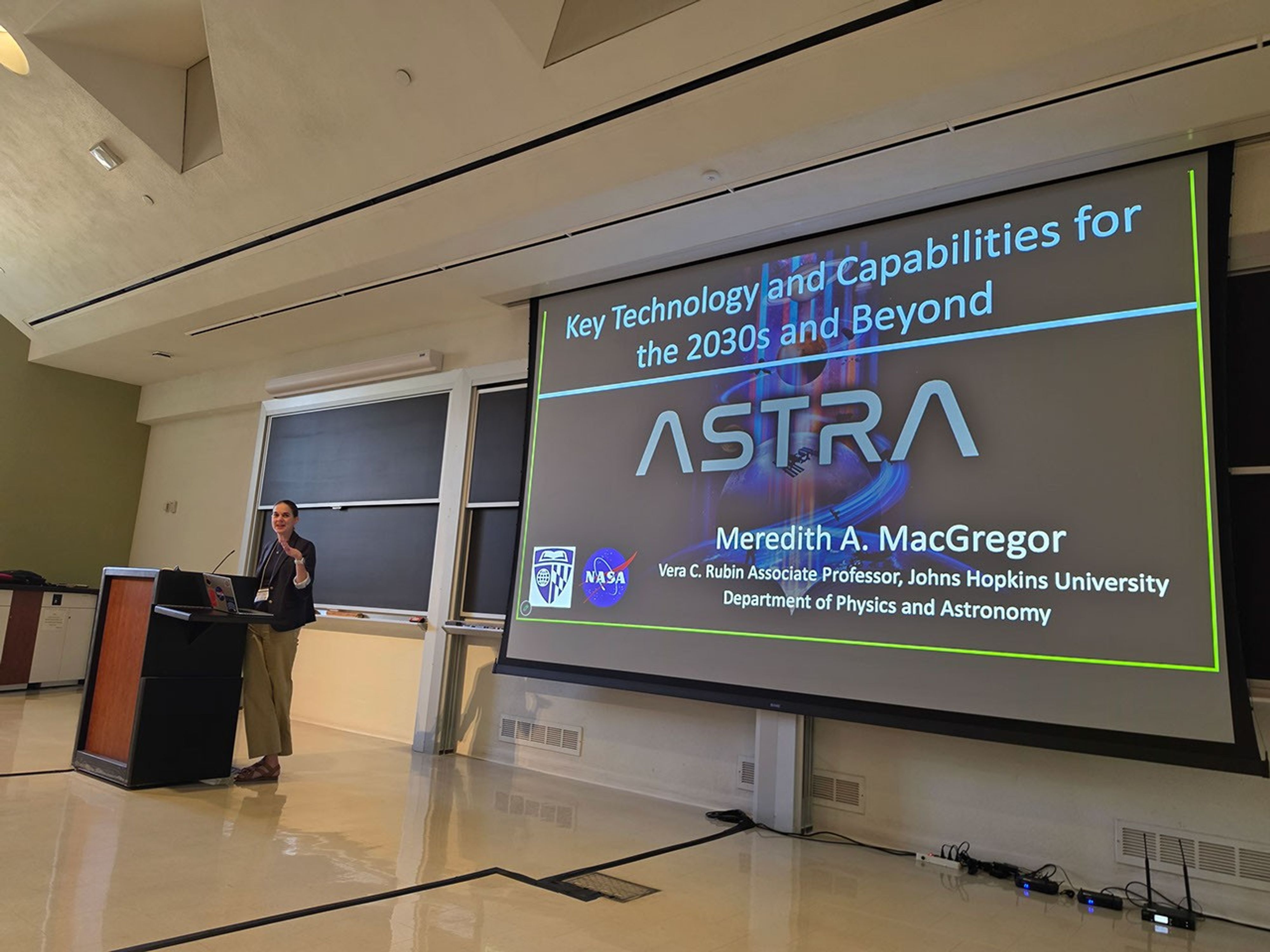
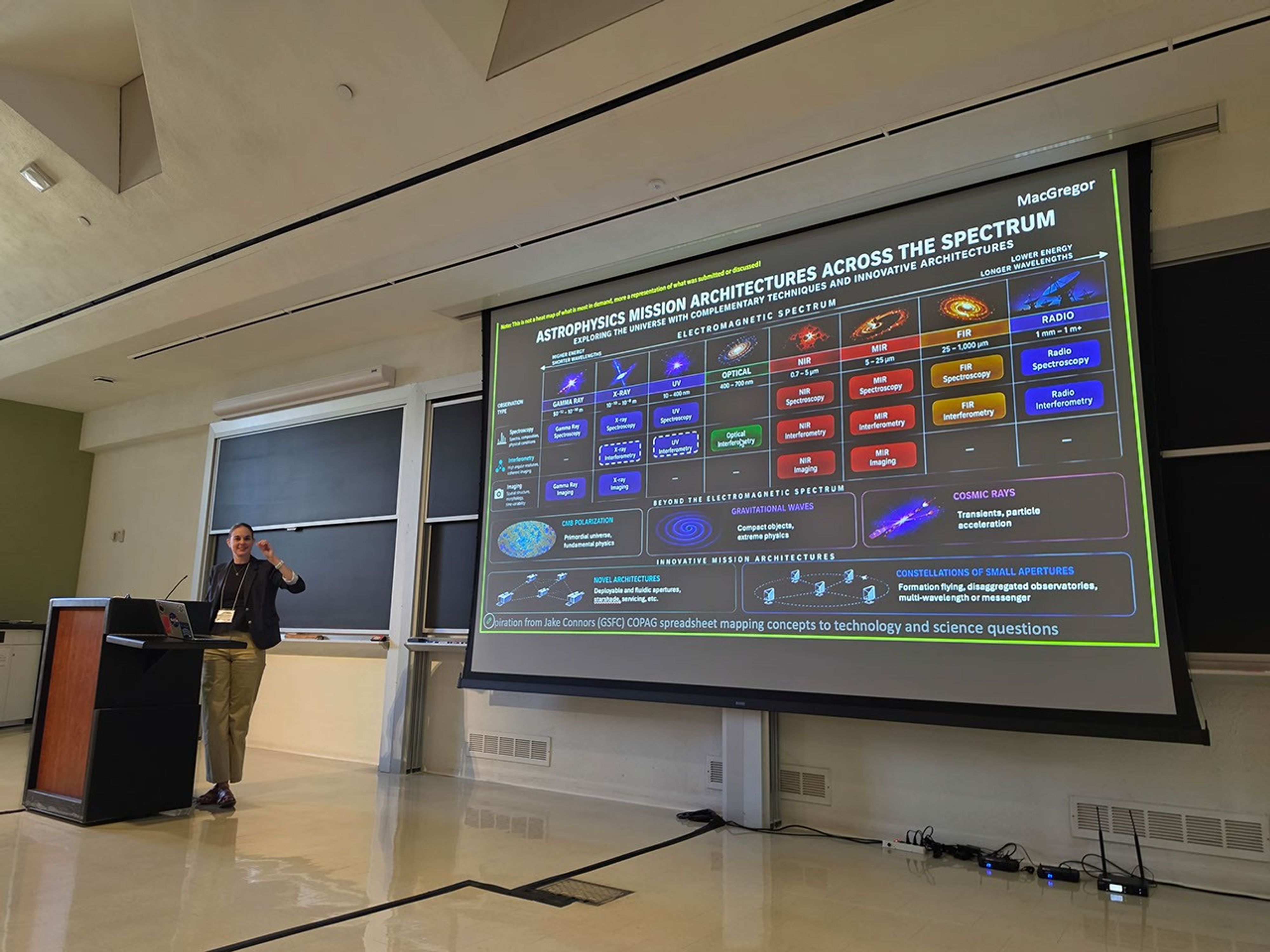
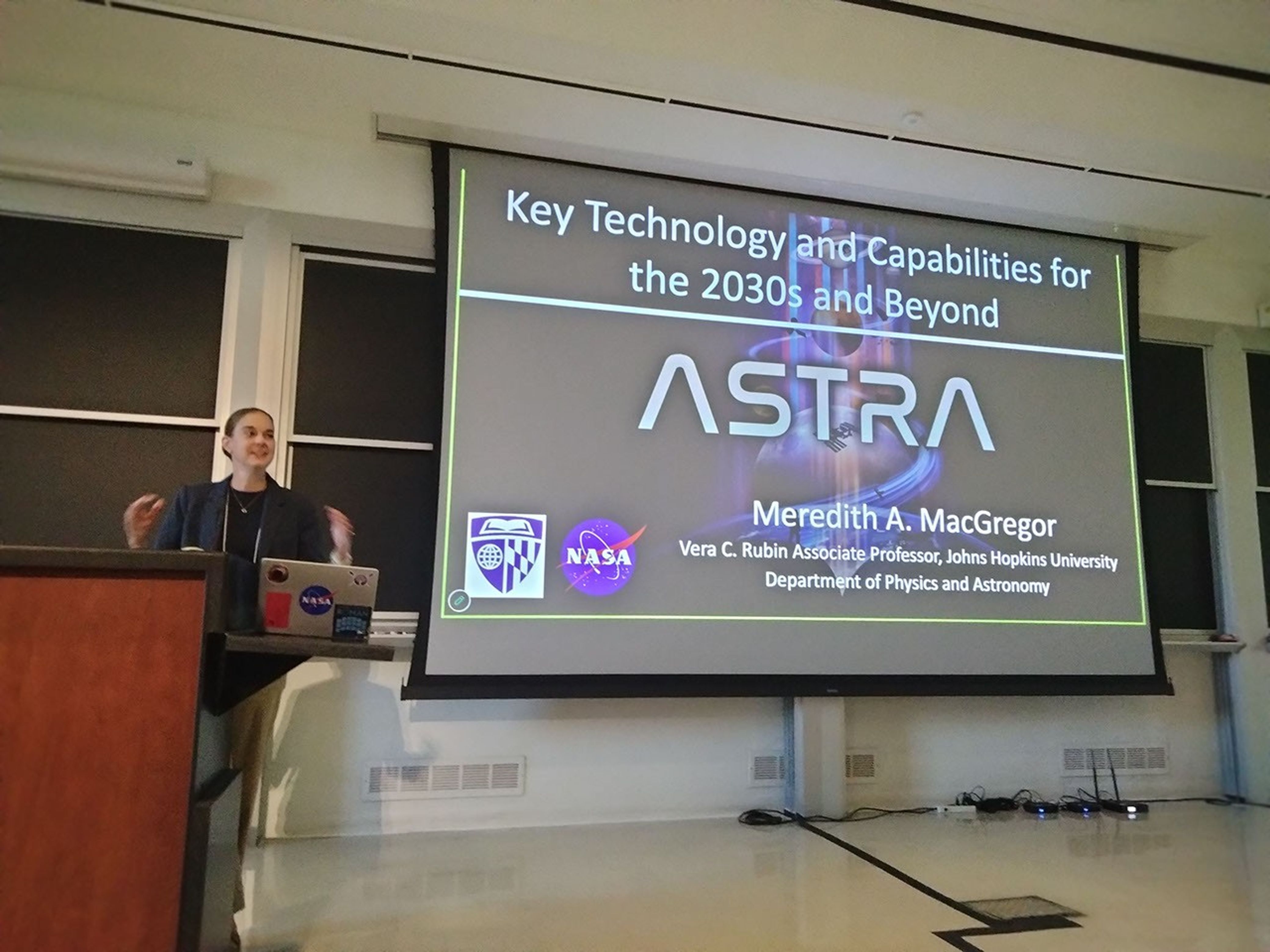
| 10:35 AM | Workshop Synthesis 2: Key Technology Capabilities for the 2030s and Beyond | Meredith MacGregor (JHU) | [PDF] [Recording] | |
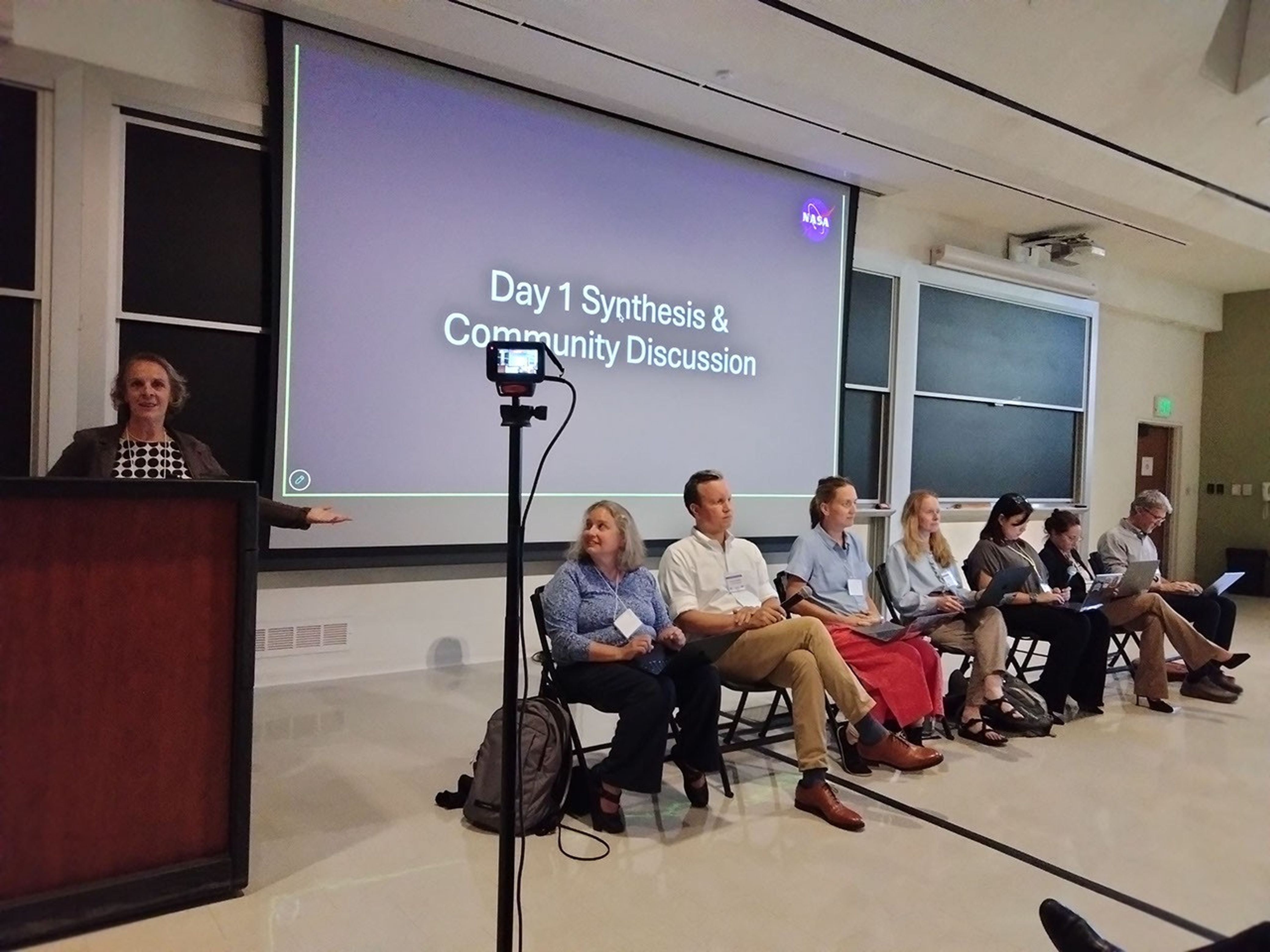
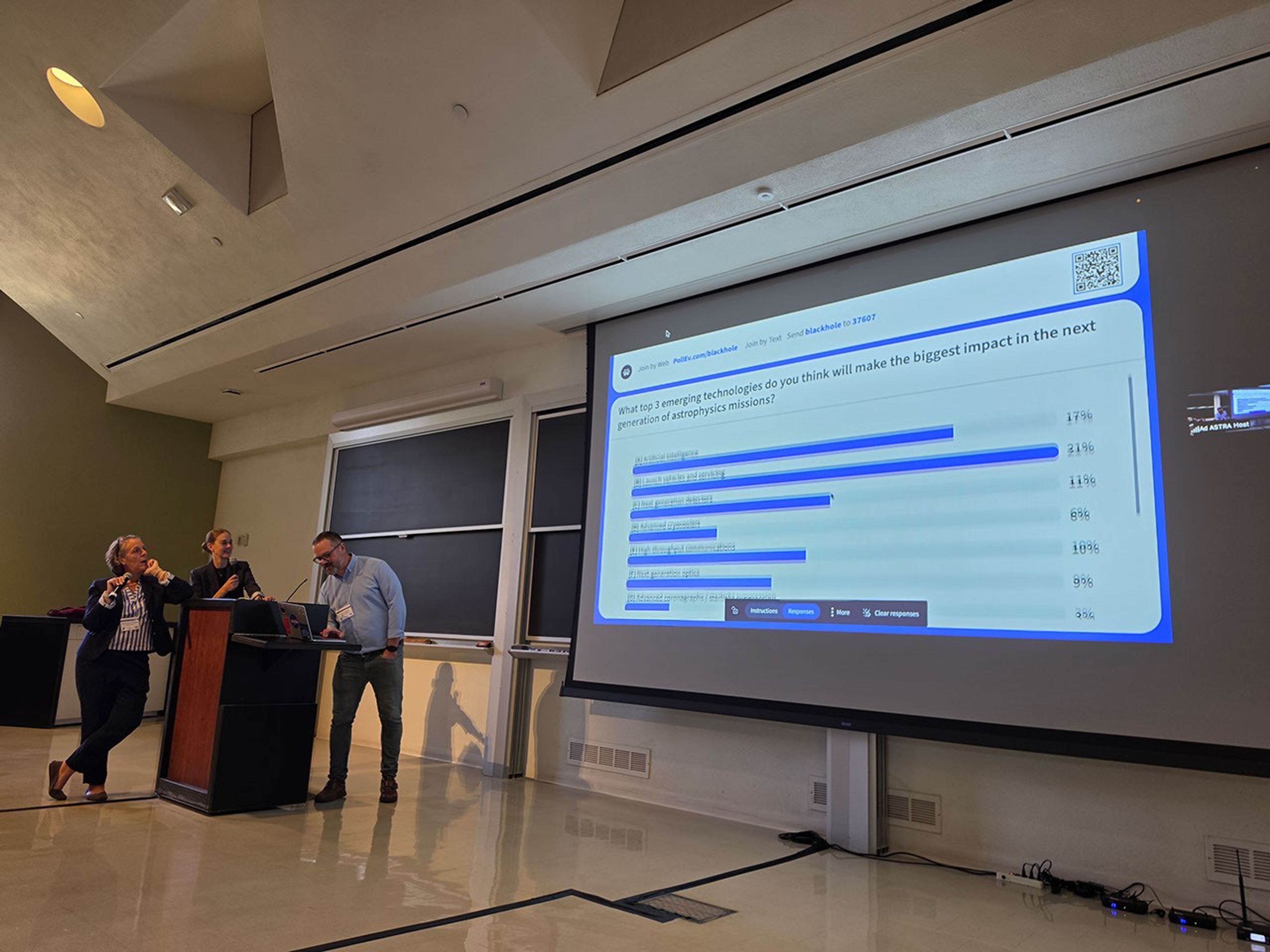
| 10:50 AM | Workshop Synthesis 3: Community Discussion | [Recording] | ||
| 12:10 PM | Beyond the Selection: The Path Forward | Jessica Gaskin, APD AD for Concept and Tech Development | [PDF] [Recording] | |
| 12:30 PM | Workshop Adjourned |
Cosmology
Location Linde Hall 310
Moderators: Dida Markovic / Johannes Ulf Lange
| Start | Speaker | Abstract Number | Title | Presentations |
|---|---|---|---|---|
| 10:45 AM | Daniel Green | 24 | Transformative Cosmology with a CMB Probe | [PDF] |
| 11:00 AM | W. L. Kimmy Wu | 26 | CMB Lensing and Cosmology: Current Status and Future Outlook | [PDF] |
| 11:15 AM | Alan Kogut | 19 | CMB Spectral Distortions - The New Frontier | [PDF] |
| 11:30 AM | Emmanuel Schaan | 20 | A Next-Generation Full-Sky CMB Survey for Probing Fundamental Physics and Structure Formation with Secondary CMB Anisotropies | [PDF] |
| 11:45 AM | Yun Wang | 23 | CHROMOS Cosmology: Transforming Our Understanding of the Universe | [PDF] |
| 12:00 PM | Discussion | |||
| 12:15 PM | Lunch | |||
| 1:45 PM | Jack O. Burns | 21 | A Vision for Low Radio Frequency Astrophysics and Cosmology from the Far Side of the Moon: The Cosmic Dark Ages | [PDF] |
| 2:00 PM | Steve Furlanetto | 25 | Cosmology in the Cosmic Dark Ages | [PDF] |
| 2:15 PM | Philip von Doetinchem | 27 | Low-Energy Antinuclei Measurements | [PDF] |
| 2:30 PM | Zorawar Wadiasingh | 28 | A Future γ-Ray Pulsar Timing Array and Other Revolutionary Science with Neutron Stars | [PDF] |
| 2:45 PM | Tsuguo Aramaki | 30 | The GRAMS Project: MeV Gamma-Ray Observations and Antinuclei-Based Background-Free Dark Matter Searches with a LArTPC | [PDF] |
| 3:00 PM | Discussion | |||
| 3:15 PM | Afternoon Break | |||
| 4:00 PM | John Callas | 22 | Fundamental Physics and Precision Measurements in Space | [PDF] |
| 4:15 PM | Ralph Kraft | 65 | Wide-Field Soft X-Ray Imaging Spectroscopy | [PDF] |
| 4:30 PM | Naceur Gaaloul | 85 | AEDGE: Atomic Experiment for Dark Matter and Gravity Exploration in Space | [PDF] |
| 4:45 PM | Discussion |
Compact Objects & Energetic Phenomena 1
Location Moore Lecture Hall B270
Moderators: Michela Negro / Ryan Hickox
| Start | Speaker | Abstract Number | Title | Presentations |
|---|---|---|---|---|
| 10:45 AM | Vivian U | 44 | Bridging the Gaps in Black Hole Demographics for the 2030s and Beyond | [PDF] |
| 11:00 AM | Michael Koss | 47 | A Chandra Successor in the 2030s | [PDF] |
| 11:15 AM | Erin K. S. Hicks | 9 | From Accretion to Feedback: AGN Science Priorities for Future NASA Missions | [PDF] |
| 11:30 AM | Tiffany Lewis | 16 | Blazar Jets - Connecting Gamma-Ray Polarization to Galactic Evolution | [PDF] |
| 11:45 AM | Joseph Lazio | 2 | Imaging Supermassive Black Hole Binaries | [PDF] |
| 12:00 PM | Discussion | |||
| 1:45 PM | Javier Garcia | 3 | The Growth and Spin of Supermassive Black Holes with a Broad-Band X-Ray Observatory | [PDF] |
| 2:00 PM | Daniel Stern | 4 | Compact Objects and Energetic Phenomena with a Broad-Band X-Ray Observatory | [PDF] |
| 2:15 PM | Chien-Ting Chen | 18 | Resolving the Cosmic X-Ray Background for Cosmic Accretion History with a Broad-Band X-ray Observatory | [PDF] |
| 2:30 PM | Walter Peter Maksym | 74 | An X-Ray Extremely Wide-Field Spectroscopic Surveyor (XESS, or “chess”) | [PDF] |
| 2:45 PM | Krista Lynne Smith | 11 | The X-Ray Timing Science Analysis Group: Extreme and Fundamental TDAMM Science with DEUS-X | [PDF] |
| 3:00 PM | Discussion | |||
| 4:00 PM | Dave Leibrandt | 147 | CHRONOS: Chronometric High-Precision Relativistic Observatory of Networked Optical-Clocks in Space | [PDF] |
| 4:15 PM | Daniele Vetrugno | 117 | Beyond LISA: A Space-Based Gravitational-Wave Program for the micro-Hz to deci-Hz Frontier | [PDF] |
| 4:30 PM | John F. Krizmanic | 80 | The Probe Of Extreme Multi-Messenger Astrophysics (POEMMA) Observatory | [PDF] |
| 4:45 PM | Discussion |
Exoplanets & Astrobiology
Location Baxter Lecture Hall
Moderators: Tiffany Kataria / Thomas Beatty
| Start | Speaker | Abstract Number | Title | Presentation |
|---|---|---|---|---|
| 10:45 AM | Michael R. Meyer | 81 | Charactering Exoplanets with Nulling: Surveying Unseen Systems (CENSUS) | [PDF] |
| 11:00 AM | Kevin Stevenson | 31 | Characterizing Nearby Non-Transiting Rocky Worlds in the Mid-Infrared | [PDF] |
| 11:15 AM | Tom Greene | 37 | CHROMOS for Transiting Exoplanet Spectroscopy | [PDF] |
| 11:30 AM | Klaus Pontoppidan | 33 | Building on JWST Observations of Exoplanets and Planet-Forming Disks with Future Infrared High-Resolution Spectroscopy | [PDF] |
| 11:45 AM | ||||
| 12:00 PM | Discussion | |||
| 1:45 PM | Lee Mundy | 32 | Resolving Architectures of Planetary Systems: The Case for a Sub-Arcsecond Far-Infrared Interferometer in Space | [PDF] |
| 2:00 PM | Meredith Ann MacGregor | 34 | Connecting Planet Formation from the Solar System to Exoplanet Systems | [PDF] |
| 2:15 PM | Gregg Hallinan | 38 | The Magnetospheres of Terrestrial Exoplanets from the Lunar Farside | [PDF] |
| 2:30 PM | Jake Turner | 36 | The Ongoing Hunt to Detect the Radio Emissions of Exoplanets Using the LOFAR and NenuFAR Low-Frequency Telescopes | [PDF] |
| 2:45 PM | ||||
| 3:00 PM | Discussion |
Galaxies
Location Noyes 147
Moderators: Claudia Scarlata / Susan Kassin
| Start | Speaker | Abstract Number | Title | Presentations |
|---|---|---|---|---|
| 10:45 AM | Hans Moritz Günther | 50 | Dust in the Milky Way from the ISM to Star Formation | [PDF] |
| 11:00 AM | John ZuHone | 41 | Elucidating the Nature of Feedback Mechanisms in Galaxies via Emission-Line Studies of the Warm and Hot Circumgalactic Medium | [PDF] |
| 11:15 AM | Kathryn Plant | 42 | Probing the Galactic ISM Tomographically at Low Frequencies | [PDF] |
| 11:30 AM | Scott Wolk | 52 | High Spatial Resolution X-Ray Studies of Star Formation, Stellar Evolution, and Planets Studies | [PDF] |
| 11:45 AM | Carlos J. Vargas | 43 | Ardua: Unveiling the Baryon Cycle from Stars to the Cosmic Web | [PDF] |
| 12:00 PM | Discussion | |||
| 1:45 PM | Joaquin Vieira | 17 | The Extragalactic Millimeter Sky with CMB Probe+: A Census of Cosmic Structure and Obscured Star Formation | [PDF] |
| 2:00 PM | Brandon Hensley | 40 | Galactic Astrophysics with a Full-Sky CMB Polarization Survey | [PDF] |
| 2:15 PM | Andreas Faisst | 49 | CHROMOS to Explore the Drivers of Large Scale Structure, Galaxy, and Black Hole Evolution | [PDF] |
| 2:30 PM | Michelle Park | 48 | Non-Thermal Physics Drives Compact, Self-Regulated Galaxy Morphologies at Cosmic Dawn | [PDF] |
| 2:45 PM | Discussion | |||
| 3:00 PM | Discussion |
Galaxies & Cosmic Rays
Location Noyes 147
Moderators: Eric Mayotte / Kohta Murase
| Start | Speaker | Abstract Number | Title | Presentations |
|---|---|---|---|---|
| 4:00 PM | Priyarshini Ghosh | 45 | From Iron to the Actinides and Isotopes In-Between: Ushering in the Next Era of Precision Ultra-Heavy Galactic Cosmic Ray Measurements | [PDF] |
| 4:15 PM | Martijn Oei | 46 | Galactic Cosmic Ray Physics with the Ultra-long Wavelength Lunar Farside Observatory | [PDF] |
| 4:30 PM | Paolo Coppi | 53 | MeV-GeV Gamma-Ray Observations: Constraining Cosmic Ray-Mediated Feedback and Star Formation Activity | [PDF] |
| 4:45 PM | Discussion |
Stars and Stellar Populations
Location Moore Lecture Hall B280
Moderators: Jennifer Johnson / Derek Buzasi
| Start | Speaker | Abstract Number | Title | Presentation |
|---|---|---|---|---|
| 10:45 AM | Paul Felix Goldsmith | 39 | Key Science Questions in Star Formation Astrophysics Addressed by the LunAr Submillimeter Survey Observatory (LASSO) | [PDF] |
| 11:00 AM | Ivey Davis | 54 | Space Weather of Other Stars Below 15 MHz with the MegaWave Radio Surveyor | [PDF] |
| 11:15 AM | Abigail T. Crites | 56 | Line Intensity Mapping Capabilities of an All-Sky mm/sub-mm Polarimetric Space Mission | [PDF] |
| 11:30 AM | Roberta Paladini | 55 | Star Formation: A Long-Standing Riddle That Asked to be Solved | [PDF] |
| 11:45 AM | Margaret Meixner | 51 | Far-infrared Space Astronomy Science Gaps Beyond 2030 | [PDF] |
| 12:00 PM | Discussion |
Compact Objects & Energetic Phenomena 2
Location Moore Lecture Hall B280
Moderators: Vivian U / Tanmoy Laskar
| Start | Speaker | Abstract Number | Title | Presentations |
|---|---|---|---|---|
| 1:45 PM | Steven Edward Boggs | 7 | Origin of the Isotopes: The Case for a Next-Generation Nuclear Line Spectrometer | [PDF] |
| 2:00 PM | Eric Burns | 8 | The Future of Gamma-Ray Burst Science | [PDF] |
| 2:15 PM | Thomas J. Maccarone | 1 | Millimeter Transients and Variables | [PDF] |
| 2:30 PM | Varoujan Gorjian | 14 | PanChromia: The EM Machine for TDAMM Science | [PDF] |
| 2:45 PM | Leo Singer | 178 | Ad Astra Per Lunam: A Flagship TDAMM Observatory on the Lunar Surface | [PDF] |
| 3:00 PM | Discussion |
Compact Objects & Energetic Phenomena 3
Location Moore Lecture Hall B280
Moderators: Vivian U / Sanch Borthakur
| Start | Speaker | Abstract Number | Title | Presentations |
|---|---|---|---|---|
| 4:00 PM | Laura Brenneman | 13 | Finding and Characterizing High-Redshift Black Holes with Next-Generation X-Ray Missions | [PDF] |
| 4:15 PM | C. Megan Urry | 84 | Extragalactic Science with SPICE, the Space Interferometer for Cosmic Exploration | [PDF] |
| 4:30 PM | Fabio Pacucci | 15 | What Lit Up the Universe? Completing the Picture of Cosmic Dawn with a Next-Generation X-Ray Flagship | [PDF] |
| 4:45 PM | Discussion |
Sub-mm FIR
Location Moore Lecture Hall B270
Moderators: Abby Crites / Johanna Nagy
| Start | Speaker | Abstract Number | Title | Presentations |
|---|---|---|---|---|
| 1:30 PM | Lee Mundy | 76 | Far-Infrared Interferometer Mission Concept | [PDF] |
| 1:42 PM | Lin Yi | 59 | Far-Infrared Heterodyne Interferometry as a Hosted Science Capability on Orbital Computing Swarms | [PDF] |
| 1:54 PM | Anish Roshi | 90 | PHOENIX: A Photonics-Enabled Heterodyne Submillimeter / Far-Infrared Interferometer for Planet Formation, Star Formation, and Galaxy Evolution | [PDF] |
| 2:06 PM | Brendan Crill | 111 | Telescope Architectures for a CMB Probe+ | [PDF] |
| 2:18 PM | Johannes Hubmayr | 105 | Superconducting Focal Plane Technology for a CMB Probe of Inflation | [PDF] |
| 2:30 PM | Discussion | |||
| 3:00 PM | Afternoon Break | |||
| 3:45 PM | Asantha Cooray | 92 | CDIM-ASTRA: A Strategic Wide-Field Spectro-Imaging Mission for Cosmic Dawn and Reionization | [PDF] |
| 3:57 PM | Christopher K. Walker | 100 | SALTUS: Single Aperture Large Telescope for Universe Studies | [PDF] |
| 4:09 PM | Michael Johnson | 99 | Space-VLBI Frontier Observatory | [PDF] |
| 4:21 PM | Eiichi Egami | 102 | Mid-Infrared Wide-Field Surveyor: Toward the Next Redshift Frontier | [PDF] |
| 4:33 PM | Gary Melnick | 83 | Beyond Zodi Mid-Infrared Wide-Field Surveyor | [PDF] |
| 4:45 PM | Johannes G. Staguhn | 112 | Detector Technologies and Performance Requirements for Future Mid-Infrared Space Missions | [PDF] |
| 4:57 PM | Discussion | |||
| 5:15 PM | Short Break to Reconvene into Plenary |
X-Ray & UV
Location Broad 100
Moderators: Brian Grefenstette / Steven Allen
| Start | Speaker | Abstract Number | Title | Presentations |
|---|---|---|---|---|
| 1:30 PM | Hans Moritz Günther | 132 | X-Ray Grating Spectroscopy as a Mission Enhancement | [PDF] |
| 1:42 PM | Michael Hoenk | 113 | Delta-Doped Sensors for X-Ray to Ultraviolet Imaging and Spectroscopy | [PDF] |
| 1:54 PM | Brandon Chalifoux | 87 | A Diffraction-Limited Milli-Arcsecond X-Ray Imager | [PDF] |
| 2:06 PM | Drew Miles | 115/118 | Developments in X-Ray Reflection Gratings / Developments in Blazed UV Diffraction Gratings | [PDF] |
| 2:18 PM | Sven Herrmann | 121 | Fast, Low Noise SiSeRO Detectors for NUV-VIS-NIR and X-Ray Applications | [PDF] |
| 2:30 PM | Haeun Chung | 89 | Ardua: UV Instrument Technology and Design Trades for Wide-Field, Ultra-Low-Surface-Brightness Circumgalactic Medium Mapping | [PDF] |
| 2:42 PM | Discussion | |||
| 3:00 PM | Afternoon Break | |||
| 3:45 PM | Kim Weaver | 60 | The Accretion Explorer Interferometer | [PDF] |
| 3:57 PM | John ZuHone | 123 | From Simulations to Observations: the Necessity of End-to-End Simulations for Linking Science Objectives to Mission Requirements | [PDF] |
| 4:09 PM | Simon Richard Bandler | 78 | De-Risking the Next X-Ray Flagship: A Dedicated Technology Development and Proto-Flight Strategy | [PDF] |
| 4:21 PM | Kristin Madsen | 104 | Next Generation X-Ray Optics | [PDF] |
| 4:33 PM | Peter Cheimets | 114 | Novel Scalable High Resolution X-Ray Mirror System | [PDF] |
| 4:45 PM | Zaven Arzoumanian | 172 | The Dynamic Extreme Universe in X-Rays (DEUS‑X) TDAMM Machine | [PDF] |
| 4:57 PM | Discussion | |||
| 5:15 PM | Short Break to Reconvene into Plenary |
Radio
Location Linde Hall 310
Moderators: Judd Bowman / Scott Porter
| Start | Speaker | Abstract Number | Title | Presentations |
|---|---|---|---|---|
| 1:30 PM | Saptarshi Bandyopadhyay | 57 | Lunar Crater Radio Telescope (LCRT) on the Farside of the Moon | [PDF] |
| 1:42 PM | Jake Turner | 155 | The Lunar Farside Technosignature and Transient Telescope (LFT3) Mission | [PDF] |
| 1:54 PM | Marin Anderson | 97 | An Ultra-Long-Wavelength Observatory on the Lunar Farside | [PDF] |
| 2:06 PM | Jack Burns | 162 | The FarView Low Frequency Radio Array on the Moon’s Far Side | [PDF] |
| 2:18 PM | Joseph Lazio | 70 | The MegaWave Radio Surveyor | [PDF] |
| 2:30 PM | Mary Knapp | 122 | Electromagnetic Vector Sensors: Better Antennas for Space-based Low Frequency Radio Interferometry | [PDF] |
| 2:42 PM | Discussion | |||
| 3:00 PM | Afternoon Break | |||
| 3:45 PM | Ref Bari | 98 | T-REX: Time-Resolving Explorer | [PDF] |
| 3:57 PM | Ruby Byrne | 119 | Capabilities Needed for the Next Generation of 21 cm Cosmology Measurements | [PDF] |
| 4:09 PM | Daniel Jacobs | 120 | Roadmap to Readiness of Space-Based Dark Ages 21cm Receivers | [PDF] |
| 4:21 PM | Kathryn Plant | 116 | The Digital Signal Processing Trade Space for Space-Based Radio Telescopes | [PDF] |
| 4:33 PM | Discussion | |||
| 5:15 PM | Short Break to Reconvene into Plenary |
Multi-Mission Capabilities
Location Baxter Lecture Hall
Moderators: Meredith MacGregor / Don Figer
| Start | Speaker | Abstract Number | Title | Presentations | |
|---|---|---|---|---|---|
| 1:30 PM | Garreth Ruane | 91 | Servicing Mission to Bring Second-Generation Coronagraph Instrumentation to the Habitable Worlds Observatory | [PDF] | |
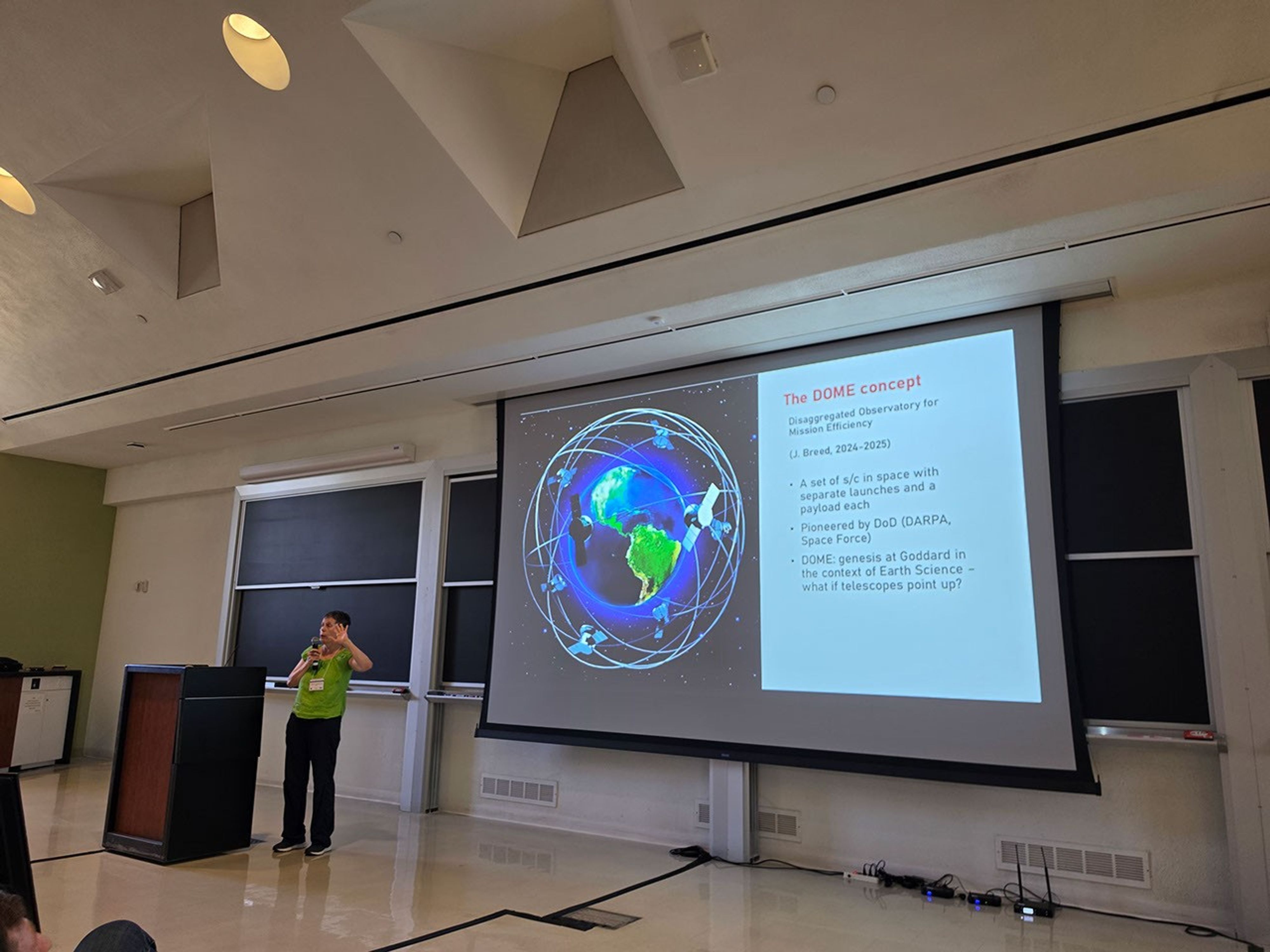
| 1:42 PM | Rita Sambruna | 61 | AstroDOME: Standardized, Mass-Producible, Small Astrophysics Missions | [PDF] | |
| 1:54 PM | Matthew Marcus | 63 | AstroDOME Engineering | [PDF] | |
| 2:06 PM | Weibo Chen | 110 | Low-Temperature Cryocooler Status Review | [PDF] | |
| 2:18 PM | Peter Shirron | 108 | Continuous Adiabatic Demagnetization Refrigerator Systems for Future CMB Missions | [PDF] | |
| 2:30 PM | Stuart B. Shaklan | 135 | Starshade: A Broad-Band, High-Throughput Architecture for ExoEarth Discovery and Characterization | [PDF] | |
| 2:42 PM | Discussion | ||||
| 5:15 PM | Short Break to Reconvene into Plenary |
Multiple Aperture Concepts
Location Baxter Lecture Hall
Moderators: Eric Burns / Malgosia Sobolewska
| Start | Speaker | Abstract Number | Title | Presentations |
|---|---|---|---|---|
| 3:45 PM | Curtis McCully | 86 | CIELO: LCO in Space | [PDF] |
| 3:57 PM | Ahmad Sohani | 94 | LUSTER-net: LUnar-based Survey for Time-Domain Exploration and Research Network | [PDF] |
| 4:09 PM | Varoujan Gorjian | 14 | PanChromia: The EM Machine for TDAMM Science | [PDF] |
| 4:21 PM | Daniel Apai | 103 | Nautilus Space Observatory: Flagship Science with a Scalable, Modular, Rapidly Deployable Architecture | [PDF] |
| 4:33 PM | Kenneth Carpenter | 142 | The Artemis-enabled Stellar Imager (AeSI) | [PDF] |
| 4:45 PM | Dan Kocevski | 179 | The Hydra Constellation: A Proliferated Space Architecture for Time-Domain and Multi-Messenger Astrophysics | [PDF] |
| 4:57 PM | Discussion | |||
| 5:15 PM | Short Break to Reconvene into Plenary |
UV Optical IR
Location Moore Lecture Hall B280
Moderators: Erika Hamden / Kevin France
| Start | Speaker | Abstract Number | Title | Presentations |
|---|---|---|---|---|
| 1:30 PM | Ahmed Soliman | 69 | Hybrid Space-Ground Observatory for Earth-Like Exoplanets (HOEE) | [PDF] |
| 1:42 PM | Gregory D. Wirth | 79 | CHROMOS (Cosmic Higher Resolution Origins Multi-Object Spectroscopy): Mission Implementation | [PDF] |
| 1:54 PM | Edward Balaban | 96 | Fluidic Telescope (FLUTE): Transformative Science with Ultra-Large, Single-Aperture Space Observatories | [PDF] |
| 2:06 PM | Kevin Karlyle Hardegree‑Ullman | 165 | Near-Infrared Transit Explorer (NITE) | [PDF] |
| 2:18 PM | Avi Mandell | 75 | The MIRECLE Concept: Revealing the Properties of Non-Transiting Temperate Rocky Planets Orbiting the Nearest M‑Stars | [PDF] |
| 2:30 PM | Eduardo Bendek | 95 | ASPECT: Astrometry Space Probe for Exoplanet Characterization and True Masses | [PDF] |
| 2:42 PM | Discussion | |||
| 3:00 PM | Afternoon Break |
Gamma Ray
Location Chen 130
Moderators: Steve Boggs / Sylvain Guiriec
| Start | Speaker | Abstract Number | Title | Presentations |
|---|---|---|---|---|
| 1:30 PM | Elizabeth Hays | 88 | Future Large Gamma-Ray Mission Concepts | [PDF] |
| 1:42 PM | Tom Shutt | 106 | GammaTPC: a Transformative 0.1 MeV - 10 GeV Gamma Ray Instrument Concept | [PDF] |
| 1:54 PM | Regina Caputo | 66 | Next-Generation Wide-Field Gamma-Ray Observatories | [PDF] |
| 2:06 PM | Richard Miller | 73 | Time-domain All-Sky Nuclear Gamma-Ray Observatory (TANGO) | [PDF] |
| 2:18 PM | Nicholas Cannady | 77 | LCRO: A Modular Cosmic-Ray and Gamma-Ray Observatory on the Lunar Surface | [PDF] |
| 2:30 PM | Andreas Zoglauer | 152 | Closing the MeV Gap with ARCTIS and Hybrid Germanium Pixel Detectors | [PDF] |
| 2:42 PM | Discussion | |||
| 3:00 PM | Afternoon Break |
Gravitational Waves & Fundamental Physics
Location Chen 130
Moderators: Tingting Liu / Simon Barke
| Start | Speaker | Abstract Number | Title | Presentations |
|---|---|---|---|---|
| 3:45 PM | Thomas Eubanks | 93 | Fundamental Physics, Astrophysics, and Cosmology with the Interplanetary Laser Trilateration Network (ILTN) | [PDF] |
| 3:57 PM | David Leibrandt | 64 | Asteroids for μHz Gravitational Wave Detection | [PDF] |
| 4:09 PM | Jacob Slutsky | 141 | The Decihertz Interferometer Space Antenna | [PDF] |
| 4:21 PM | Dhruva Ganapathy | 124 | Gravitational-Wave Astronomy with a Space-Based Optical Clock Network | [PDF] |
| 4:33 PM | Volker Quetschke | 71 | LILA Observatory: A Lunar-Surface Mid-Band Gravitational-Wave Observatory | [PDF] |
| 4:45 PM | Slava Turyshev | 67 | TETRA: A Tetrahedral Heliocentric Field-Equations Observatory | [PDF] |
| 4:57 PM | Discussion | |||
| 5:15 PM | Short Break to Reconvene into Plenary |
| Abstract Number | Authors | Title | |
|---|---|---|---|
| 6 | Slavko Bogdanov (Columbia), Thomas Maccarone (Texas Tech), Zaven Arzoumanian (NASA/GSFC), et al. | Determining the Equation of State of Cold, Dense Matter with X‑ray Timing Observations of Neutron Stars | [PDF] |
| 35 | F. Scott Porter (NASA/GSFC), Hyunju Conner (NASA/GSFC), Massimiliano Galeazzi (Univ. Of Miami), Kip Kuntz (Johns Hopkins University), et al. | Interdisciplinary Soft X‑ray Observations of the Earth's Magnetosphere Including from the Moon | [PDF] |
| 58 | Saptarshi Bandyopadhyay (Jet Propulsion Laboratory, California Institute of Technology), Marin Anderson (Jet Propulsion Laboratory, California Institute of Technology), Alexander Hegedus (Space Science Institute), et al. | Moon Radio Interferometer for Science and Exploration (MoonRISE) | [PDF] |
| 62 | Mariano Dominguez (IATE–OAC–UNC @ Argentina & FRC–ULS @ Chile) | GPC–SWARM: THE COSMOSCOPE, Measuring the Geometry of the Universe Directly via Wavefront Curvature interferometry | [PDF] |
| 68 | Slava G. Turyshev (Jet Propulsion Laboratory, California Institute of Technology), Sara Seager (Massachusetts Institute of Technology), Michael Shao (Jet Propulsion Laboratory, California Institute of Technology), et al. | SOLAR GRAVITATIONAL LENS OBSERVATORY (SGLO) | [PDF] |
| 72 | Spencer Toulouse (LISA consortium CORE, Open AI Forum) | O.B.E.R.O.N., Observatory for Bayesian Event Reconstruction across Observational Networks | [PDF] |
| 125 | Roberto Guenzani (NASA NOW and LIFE, INdAM and ngEHT) | Precursor Gravity Faraday Cage: A Unified Framework from AGN Spectral Distributions to Deep-Appearance Transient Dynamics | [PDF] |
| 128 | Omar Ariel Vallejos (Independent Researcher), (Lunar Radio-interferometry & Astrophysics Infrastructure Laboratory) | L-RAIL Scientific Concept and Mission | [PDF] |
| 129 | Himanshi Gulia (Netaji Subhas University of Technology, New Delhi, India), J. K. Singh (Netaji Subhas University of Technology, New Delhi, India), and Sushant G. Ghosh (Centre for Theoretical Physics, Jamia Millia Islamia, New Delhi, India) | Parameter estimation of generalized Ghosh black holes using shadow observables and Event Horizon Telescope Constraints | [PDF] |
| 133 | Gh. Saleh (Saleh Research Centre, Netherlands) | A New Perspective on Planetary Orbital Speeds, Uranus’s Axial Tilt, and Venus’s Retrograde Rotation | [PDF] |
| 136 | Lynne Hillenbrand (Caltech), Massimo Robberto (STScI), Tom Greene (IPAC/Caltech), et al. | CHROMOS: PROBING THE DUST-SHROUDED INNER GALAXY | [PDF] |
| 137 | Paul S. Ray(Science Division, U.S. Naval Research Laboratory), Peter W. A. Roming (Southwest Research Institute),b Andrea Argan (Istituto di Astrofisica e Planetologia Spaziali), et al. | STROBE-X: Capturing the Universe in Motion, Spectroscopic Time-Resolving Observatory for Broadband Energy X-rays | [PDF] |
| 138 | Ethan Partington (Western Kentucky University), Edward Cackett (Wayne State University), Chris Barnes (Western Kentucky University) | Probing the Accretion Physics of Active Galactic Nuclei with X‑ray Timing Instruments | [PDF] |
| 143 | James R. Cheshire IV, Maya Atassi, James J. Bock, et al. (Jet Propulsion Laboratory, California Institute of Technology) | augr: an end-to-end differentiable framework for forecasting and optimizing CMB instrument design | [PDF] |
| 144 | David Sie Traore | Exoplanet Landing and Robotic Surface Exploration Mission | [PDF] |
| 145 | James H. Tutt (Penn State University, Department of Astronomy & Astrophysics) and Bruce Lairson (PhotonFoils) | Vacuum Vibration Qualification of Large-Aperture Silicon Carbide Grids for X‑ray Microcalorimeter Blocking Filters | [PDF] |
| 150 | Stephen J. Smith (NASA Goddard Space Flight Center), C.V. Ambarish (NASA Goddard Space Flight Center), J.S. Adams (NASA Goddard Space Flight Center), et al. | Scalable Transition-Edge Sensor Microcalorimeter Technologies for Future X‑ray Missions | [PDF] |
| 153 | Eric D. Miller (MIT Kavli Institute), Christopher Leitz (MIT Lincoln Laboratory), Gregory Prigozhin (MIT Kavli Institute), et al. | Germanium CCD detectors for future broad-band X‑ray missions | [PDF] |
| 154 | Eric D. Miller (Massachusetts Institute of Technology), Catherine E. Grant (Massachusetts Institute of Technology), Sven Herrmann (Stanford University), et al. | High-speed, low-noise imaging cameras for future X‑ray missions | [PDF] |
| 160 | April D. Jewell, Nathan Bush, John Hennessy, et al. (Jet Propulsion Laboratory, California Institute of Technology) | Advanced Ultraviolet Silicon Detector Technologies Enabling Astrophysics Missions | [PDF] |
| 169 | Enrico Biancalani (UMd, NASA GSFC), Eduardo Bendek (NASA ARC), Kevin Wagner (U of A), et al. | Pathways to exo-world discovery with fluidic space-assembled telescopes | [PDF] |
| 171 | D. J. K. Buisson, based on arXiv:2502.08718 with G. Marcel, V. López-Barquero, et al. | Recurrent, reversible jumps in spectra and variability, 'flip-flops', as markers of the hard-to-soft state transition in X-ray binaries | [PDF] |
| 175 | John Krizmanic (NASA/GSFC) for the POEMMA Collaboration | Ultra-high Energy Particle Astrophysics with the Probe Of Extreme Multi-Messenger Astrophysics (POEMMA)‡ | [PDF] |
Photo Gallery
News Straight to Your Inbox
Subscribe to your community email news list
We will never share your email address.