













Announcing the Opening of the Roman Research Nexus
12 January 2026
We are pleased to announce that the Roman Research Nexus is now available for use!
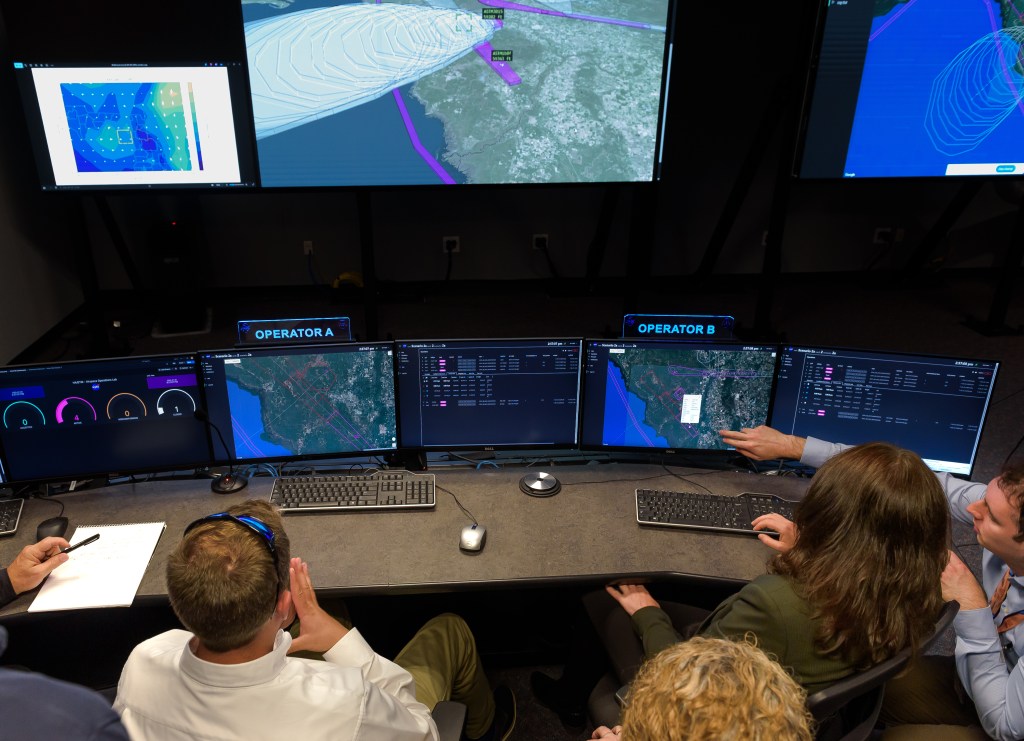
The Nancy Grace Roman Space Telescope will deliver an estimated 20 PB of data in its primary 5-year mission. In just one month, Roman will generate roughly twice the data volume produced by Hubble over 30 years. The Roman Research Nexus will provide the science community with a cloud-based science platform to efficiently access, explore, and analyze Roman's large volume of data.
The Nexus cloud-based scientific computing environment includes pre-installed software, Jupyter notebook tutorials, access to simulated datasets, team workspaces, and real-time collaboration tools. Once Roman science operations start, all Roman data will be accessible through the Nexus.
Check out the Nexus now to start exploring existing simulated Roman datasets, quickly simulate your own Roman data using pre-installed simulation tools and pedagogical notebooks, and get familiar with Roman's data formats. All you need is a myST account to login and get started.
Read more about the Nexus: https://roman-docs.stsci.edu/data-handbook/roman-research-nexus
Access the Nexus: https://roman.science.stsci.edu/hub/
The Roman Research Nexus is developed and provided to the community by the Space Telescope Science Institute, in collaboration with Roman Mission Partners.
News Straight to Your Inbox
Subscribe to your community email news list
We will never share your email address.