







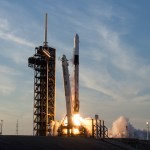




COPAG Splinter Session at 233rd AAS Meeting
14 August 2018
Shedding Light on the End of Dark Ages: Defining an Enlightening Roadmap
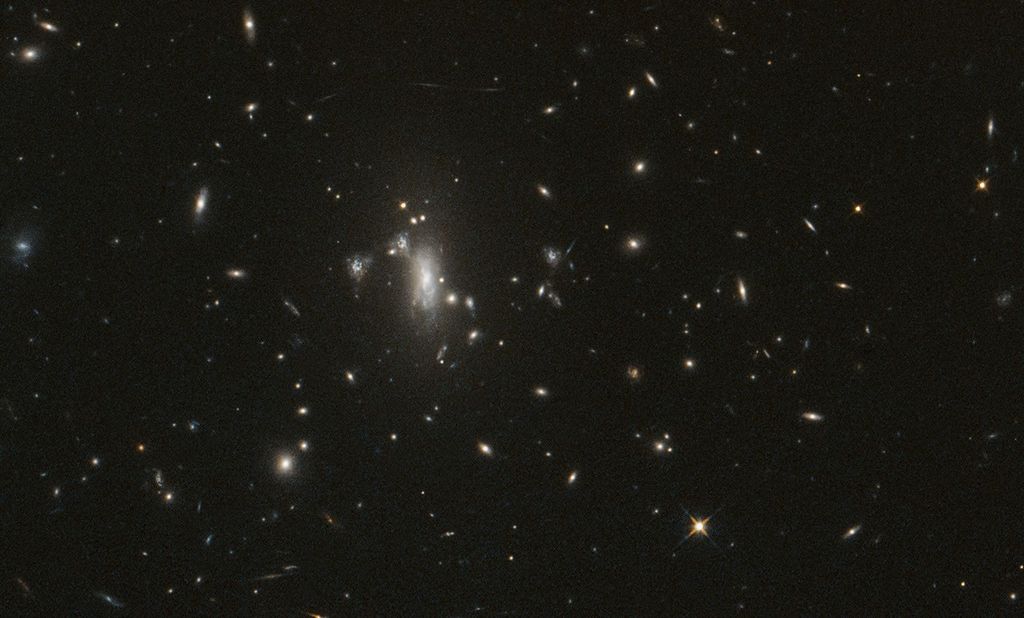
Over the past decade there has been considerable activity within the community to understand how the first stars and galaxies formed, and how they shaped the initial structure of the Universe through reionization. The COPAG is interested in developing a strategic plan to address the best techniques, facilities, and data to address this foundation science element, since it has featured prominently in the science drivers for ongoing mission concept studies such as LUVOIR, HabEx, Lynx, and OST.
The COPAG will hold a splinter session at the Winter AAS in Seattle to shape how such a plan should be defined and what goals it should set. Please plan on joining us to do this. If you would be interested in participating please send a note to Susan Neff (Susan.G.Neff@nasa.gov) to let us know.
The 233rd Meeting of the AAS
The 233rd AAS Meeting will be held 6–10 January 2019 in Seattle, Washington, at the Washington State Convention Center.
Learn More
News Straight to Your Inbox
Subscribe to your community email news list
We will never share your email address.