



















DGCE SIG Seminar, July 23rd, 4:00pm ET
16 July 2026
From Micro to Macro: Connecting the Physics of Galaxy Formation Across Scales
Speaker: Drummond Fielding, New York University
Abstract:
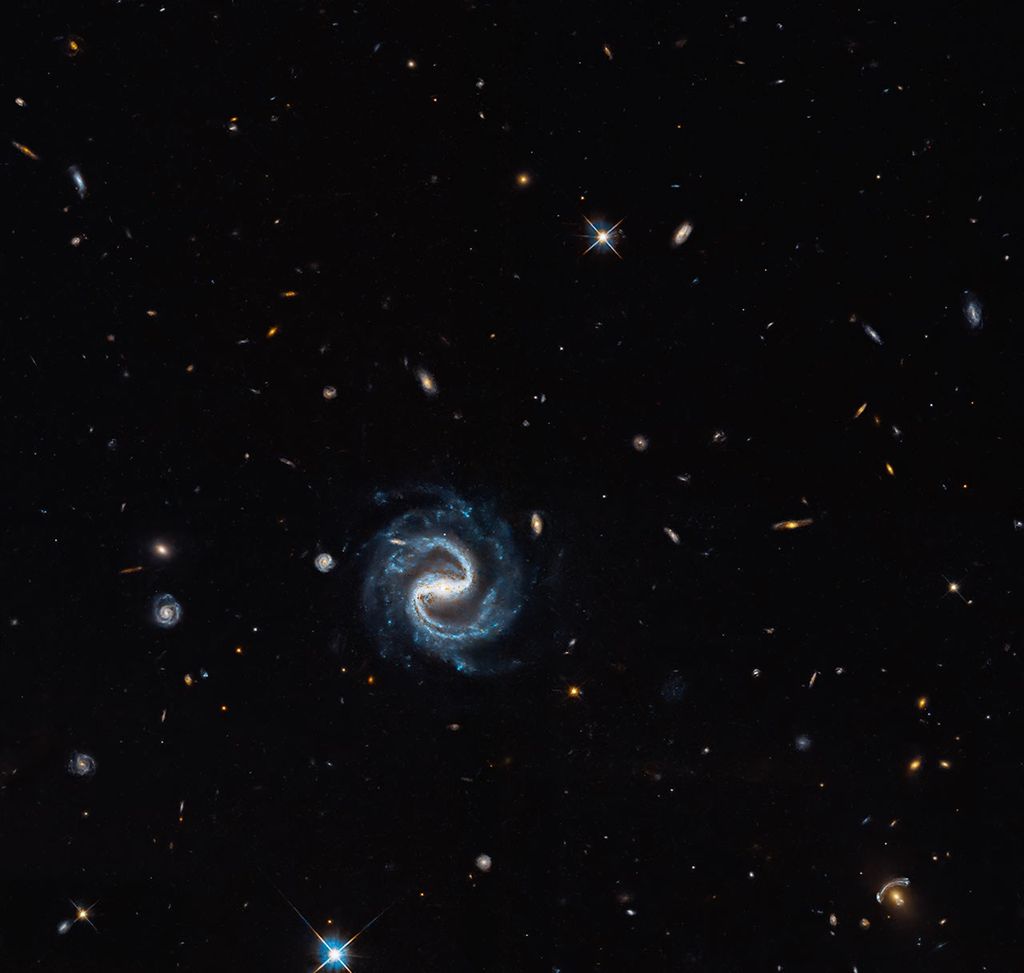
Galaxy formation is controlled by the cycling of diffuse gas through the ISM, CGM, and larger-scale environment, but predictive models remain limited by unresolved microphysics. I will discuss how sub-pc processes—including cosmic-ray transport, magnetic reconnection, and turbulent mixing—regulate multiphase structure, energy and momentum transport, and the launching of galactic winds. I will then describe how simulations, analytic models, and new multi-scale numerical methods can connect these processes to kpc-scale feedback and Mpc-scale galaxy evolution. The aim is to build physically grounded models of gas cycling that can sharpen our interpretation of observations and move galaxy formation theory beyond phenomenological feedback prescriptions.
News Straight to Your Inbox
Subscribe to your community email news list
We will never share your email address.